
Travel spots in Lithuania
Parks and gardens in Lithuania
Manor parks, botanical gardens, city greenery, and old forests with centuries-old trees.
Search covers all 184 places in this category.
This category on the map →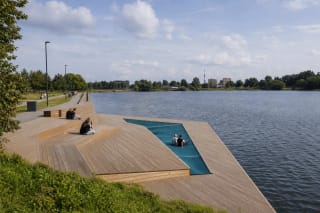
‘Ekranas’ Reservoir is a dammed section of the Nevėžis officially opened in 1980.
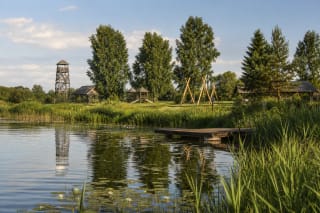
The “Prie pušyno” Recreation Area is an approximately 2.7-hectare leisure site beside Žvelgaičiai Lake in Žagarė Regional Park.
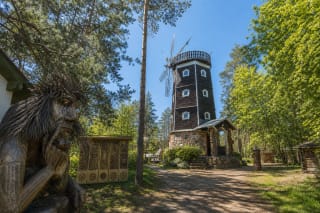
A. Česnulis Sculpture and Recreation Park in Naujasodė and Romnesa's Tree Cake Museum in Jaskonys are often sold as one excursion, but they are two independent…
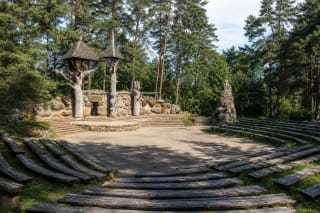
Akmenė Nature and Culture Park is a 66.95-hectare public recreation and event landscape in Kadagiai village, immediately outside Akmenė.
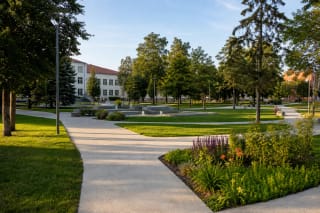
Algirdas Brazauskas Park is the central recreation space of Kaišiadorys, between Gedimino Street and the Lomena valley.
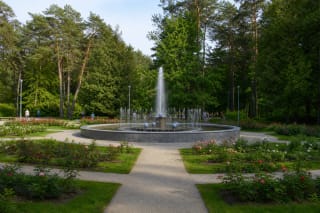
Alytus City Garden is the city's oldest central park, created in a natural pine wood in 1930-1931.
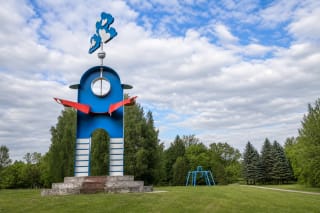
Alytus Youth Park is a roughly 36 ha green space created between the Dainava and Putinai residential districts in 1982.
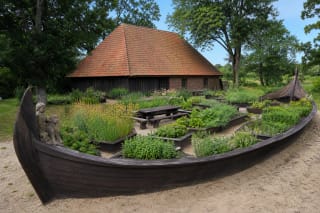
The Ancient Plant Garden in central Dreverna is a living educational display opened by the Lamata Artisans' Guild in 2022.
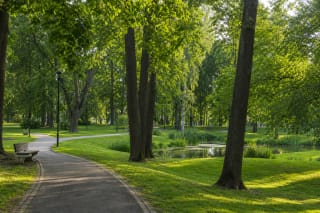
Anykščiai City Park is a public green space between Parko, Anykštos, and J. Jablonskio streets on the right bank of the Šventoji.
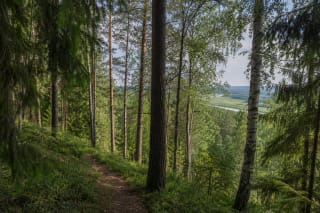
Anykščiai Pine Forest is a pinewood extending for about 10 km along the Šventoji and a landscape reserve protected since 1998.
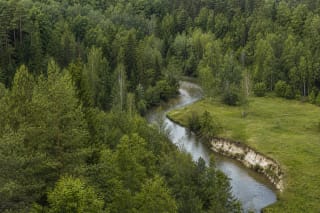
Anykščiai Regional Park is a protected area of roughly 15,500 hectares in Aukštaitija, established in 1992.
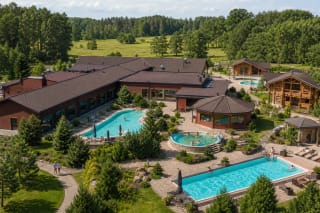
Atostogų Park Leisure and Wellness Centre in Žibininkai is one destination combining water activities, saunas, spa, accommodation, dining, and active leisure.
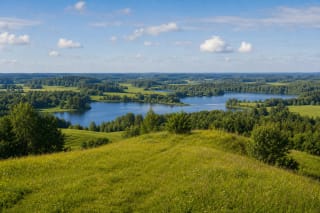
Aukštadvaris Regional Park protects one of Dzūkija's hilliest landscapes near the upper Verknė and Strėva rivers.
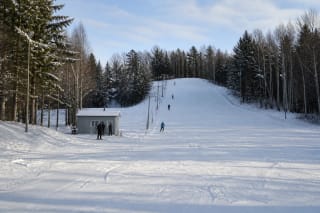
Aukštagirė is a seasonal winter-sports venue where the operator lists five slopes of varying difficulty, runs up to 420 metres, and four lifts.
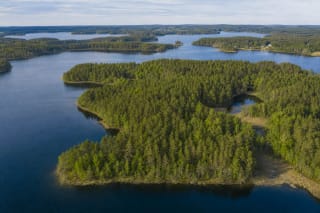
Established on 29 March 1974, Aukštaitija National Park is Lithuania's oldest national park.
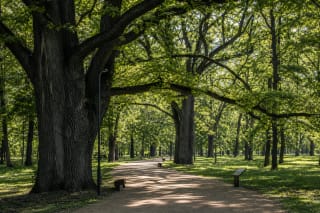
Ąžuolynas Park is an 84.42 ha protected green space in Žaliakalnis, presented by Kaunas Municipality as the largest surviving urban oak grove in Europe.
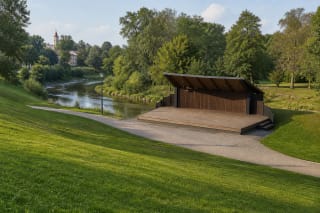
Babrungo Valley is a public recreation space in Plungė beside the Babrungas River and the approach to the Gandingas Hydroelectric Reservoir.
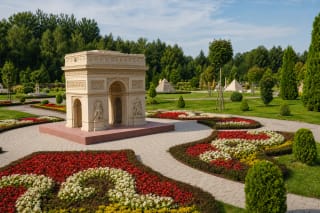
Babylon Gardens in Letūkai is a ticketed four-hectare miniature and botanical park whose paths connect interpretations of architecture from five continents,…
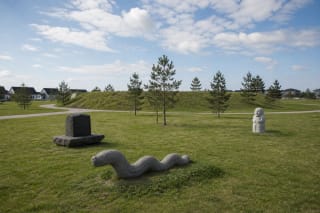
Balsiai Mythology Park is a roughly two-hectare community-created space in Balsiai, Vilnius, between Balsių-Žalčių and Balsių-Žynių streets.
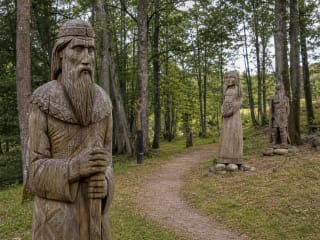
Baltic Mythology Park in Sausdravai village, Darbėnai Eldership, Kretinga District, is an educational forest trail created by the non-profit Baltų lieptas,…
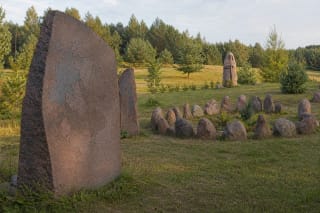
Baltų Sodas, also called Istorijos akmenys or History Stones, is a private nature and sculpture park created at Avilčiai since 2018.
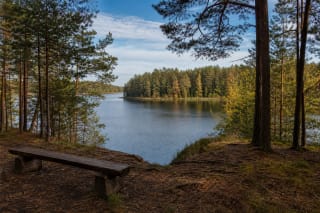
Baluošai Rest Area, also known as Baluošai Viewpoint, stands at the western end of Lake Baluošai beside the road to the ethnographic village of Alka.
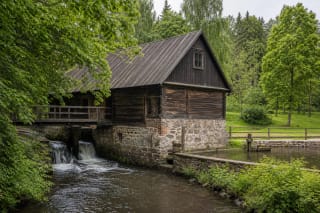
Belmontas Mill is an old watermill and recreation area in the Vilnia valley, inside Pavilniai Regional Park.
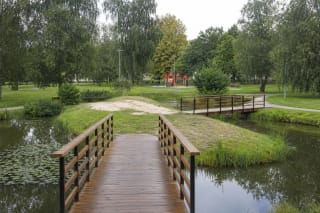
Beržynėlis Park is a public family recreation space between Gegužių and Dainų streets in the southern residential district of Šiauliai.
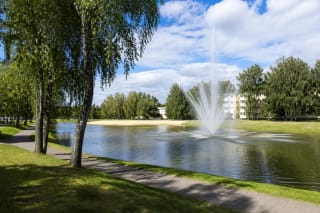
Beržyno Park is a public green space beside a pond in Prienai.
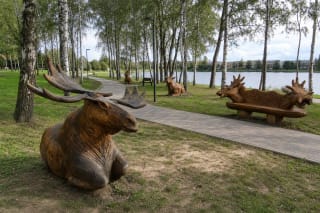
Briedžių Takas, literally the Moose Trail, is neither a long nature route nor a wildlife-watching site.
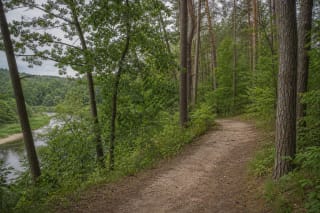
Bukčiai Forest Park lies by a bend of the Neris near Lazdynėliai in Vilnius.
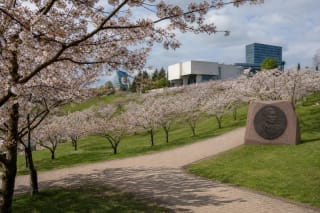
Chiune Sugihara Sakura Park is an open memorial grove on the right bank of the Neris, spread across the slope between Upės Street and the National Gallery of…
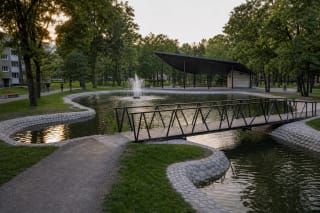
Dainava Park is a compact 3.81-hectare green space between V. Krėvės Avenue and Partizanų Street.
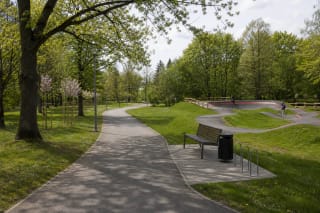
Dainų Park is a large active-recreation green space in southern Šiauliai, between the Gardino Street approaches and the sports venues on J. Jablonskio Street.
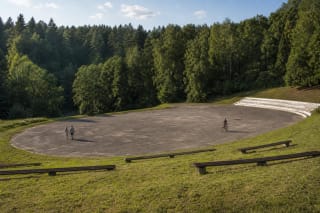
Dainų Valley in Alytus is an open event and recreation space in woodland on the west bank of the Nemunas, beside the White Rose Bridge.
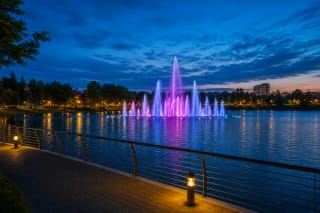
Dauniškis Park in Utena is a city recreation space by natural Lake Dauniškis, best known for the illuminated and musical fountain with water screen installed in…
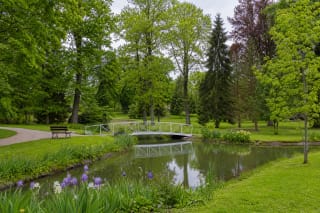
Degaičiai Manor Estate Park is a state-protected botanical natural-heritage site about 6 km east of Telšiai.
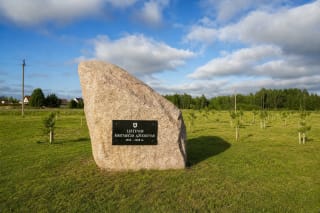
Dovilai Centennial Oak Grove is not an old forest.
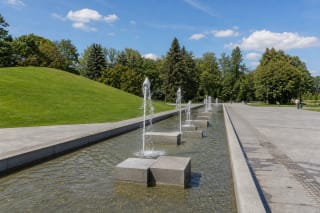
Draugystė Park is a 15-hectare green and sports space in eastern Kaunas, enclosed by Taikos and V. Krėvės avenues and Kovo 11-osios Street.
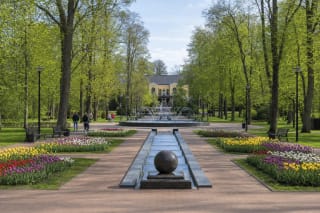
Druskininkai Spa Park is the historic town garden between the resort centre and the Nemunas embankment.
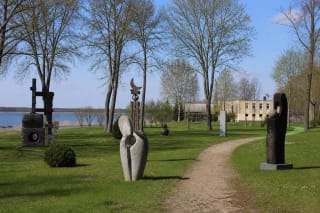
Dusetos Sculpture Park is an open-air public-art space opened in 2008 on K. Būgos Street beside Lake Sartai.
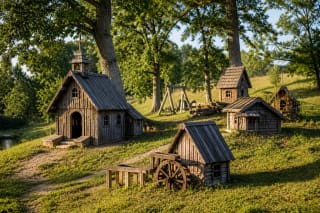
Dwarf Village in Padvariai is a small themed space beside the Akmena, where you can inspect a dwarf church, school, homes, mill, and bakery up close.
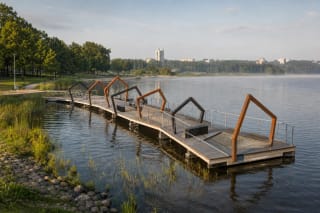
Elektrėnai Pontoon Pier is a public floating viewpoint and rest space extending from the town shoreline into Elektrėnai Reservoir at 22B Draugystės Street.
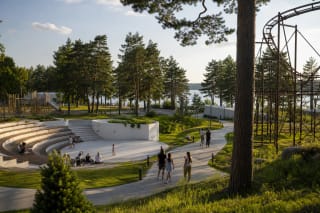
Although Google Maps still labels this place Elektrėnai Amusement Park - Vaikų Pasaulis, it is no longer an operating mechanical funfair.
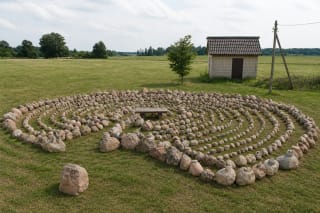
Energetinis Labyrinth in Varniūnai village, Biržai District, is a 307-metre outdoor stone path with a clear start, finish, and central bench, intended for a…
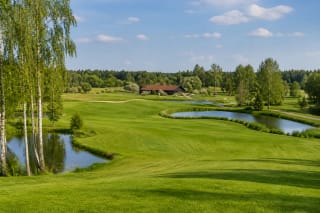
Europos Centro Golf Club in Girijos is an 18-hole PAR 71 course with a lake, ponds, waterways, and practice areas.
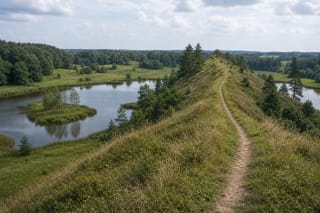
Gardų Ozas Educational Trail near Žemaičių Kalvarija, formerly called Gardai, follows the largest and clearest esker in Samogitia: an approximately 3.5 km long,…
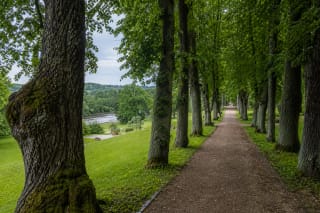
Gargždai Manor Park by the Minija River is the surviving English-style park of the former Rönne barons' manor and today serves as Gargždai's central town park.
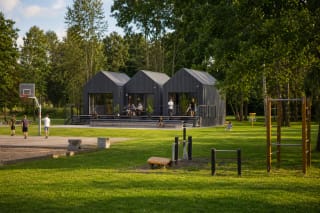
Gargždai Youth Park is a public active-leisure space in Gargždai combining play and fitness zones, basketball and beach-volleyball courts, a nine-basket…
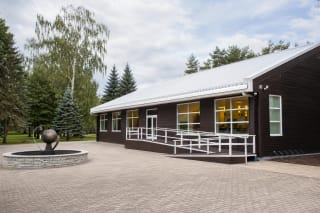
Gargždų pramogos is a reservation-based active-leisure complex at Skaidrioji Street.
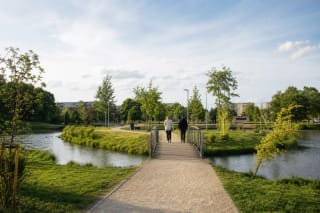
Generations Park, formerly known as Zumpė Park, covers about 8.5 hectares in eastern Tauragė.
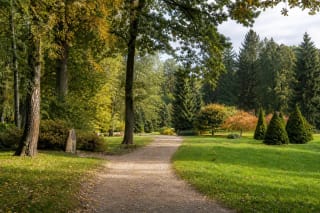
Girionys Park is a landscape-style dendrological park of more than 100 hectares on the upper terrace of the Nemunas.
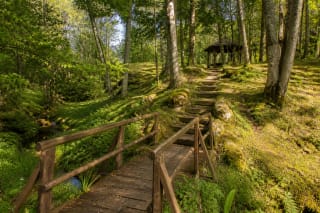
Gražina’s Homestead Recreational Park near Pakapiai in Telšiai District covers about 14 hectares.
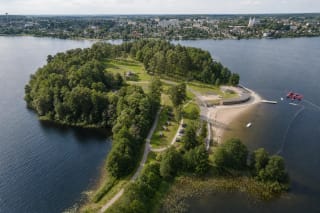
Great Island is a 39.43 ha island in the northern part of Lake Zarasas, linked to the town of Zarasai by a bridge.
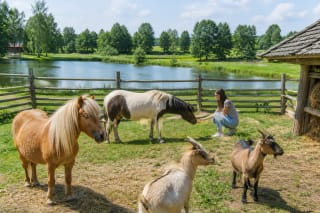
Green Valley Molėtai is a private family destination in Rudiliai by a pond.
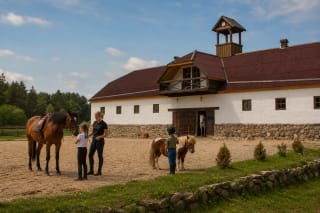
Grybų Manor Stables are at Dvarininkų St 9 in Purnuškės village, Vilnius District.
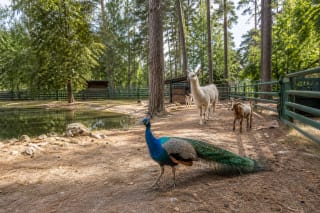
HBH Žvėrinčius in Žibininkai is an approximately one-hectare fenced woodland animal park with a pond and more than 40 domestic animals and birds.
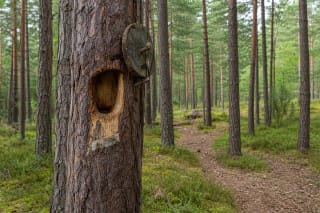
Hollow Pine in Musteika is the page name for tree-beekeeping heritage in Gudai Forest: old pines with carved tree hives, a log-hive apiary, and a nature trail…
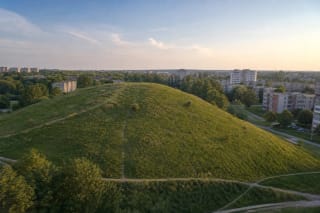
Ieva Simonaitytė Hill, generally called Simonaitytė Hill by Klaipėda residents, is a naturally formed green rise in the city's southern districts.
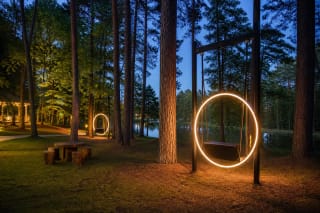
Illuminated Swings Park in Darbėnai’s Vytautas the Great Park is a public recreation space beside Melnyčia pond.
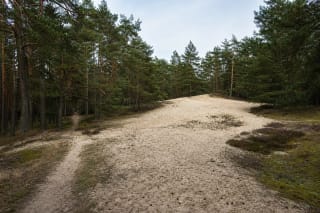
The inland dune in Dumšiai Forest is a pale-sand hill among pines near Jonava.
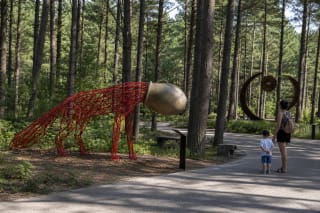
The Interactive Lithuanian Fairy-Tale Park is a free, nearly two-hectare pine-grove space beside Birutė Park.
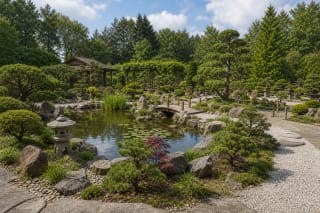
The Japanese Garden in Mažučiai village, Kretinga District, is officially presented as the largest Japanese-tradition landscape garden in Europe, about 16 ha,…
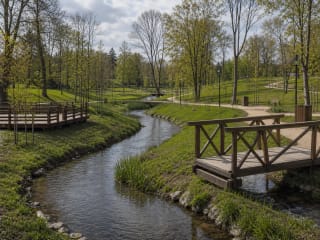
Jaurykla Park is an approximately 10 ha urban nature park in Kretinga, laid out along the Jaurykla stream and opened to visitors in 2021.
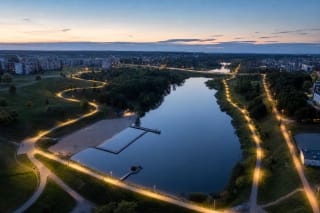
Jonava Ponds are four waters formed on the Varnaka stream and collectively known as the Varnutė Ponds.
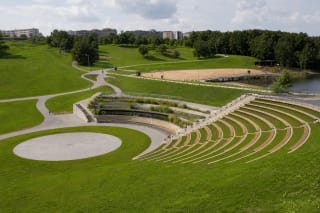
Joninės Valley is a civic event and recreation space shaped into Jonava's green terrain, with a curved amphitheatre, circular stage, fountain area and paths…
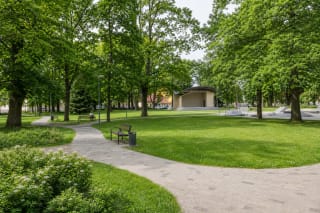
Joniškis City Park is a central green space of about 4.1 hectares beside the cultural centre and summer stage.
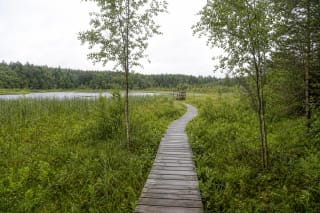
Juodlė Nature Trail loops through forest, wetlands, and reed beds around Lake Juodlė in Kurtuvėnai Regional Park.
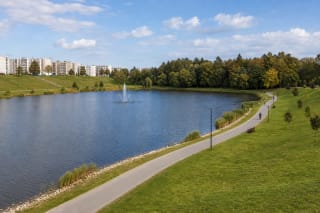
Juodpelkis Park is a spacious recreation area in Mažeikiai around the water body formally labelled Stadiono Reservoir on municipal plans.
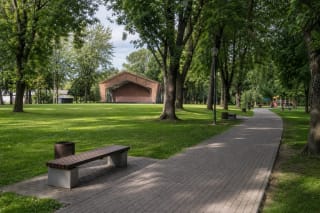
Juozas Lingys Park is an approximately 1.95-hectare green space in central Šakiai, used for everyday walks, children's play and active recreation.
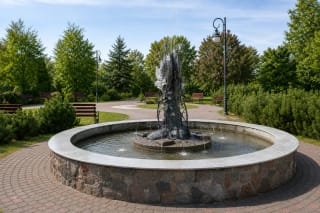
Jūra River Park in Tauragė follows the Kranto Street side of the river from the Molupis stream towards Vymeris Hill, but its most distinctive core lies between…
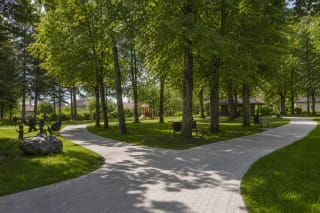
Kačerginė Linden Park is a small but versatile green space in the centre of town, shaded by mature linden trees.
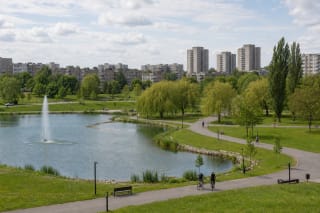
Kalniečiai Park is a 21.1-hectare green space in the densely populated northern part of Kaunas.
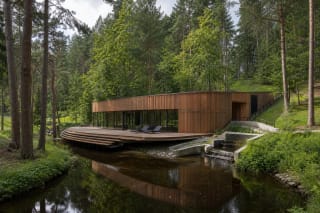
Karolis Dineika Wellness Park is neither simply a pleasant Druskininkai pine wood nor a closed spa resort.
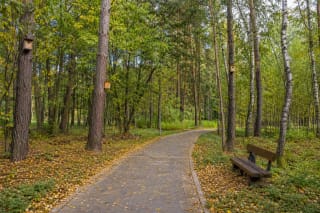
Kazlų Rūda City Park, titled Kazlų Rūda City Park and Bird Trail on the municipal map, grew from a young pine forest and was formerly called Nepriklausomybės…
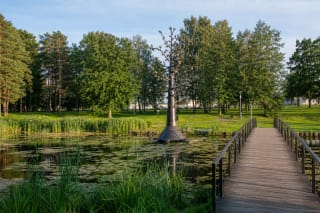
Kazys Šimonis Park is a large green and sports area in central Kupiškis named for the Starkonys-born painter, graphic artist, and illustrator.
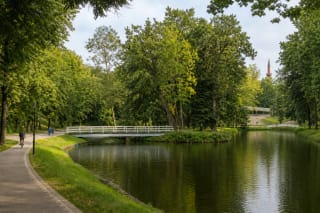
Kėdainiai Central Park is a large urban green space on both sides of the Dotnuvėlė and around its pond, extending from the main J. Basanavičiaus Street entrance…
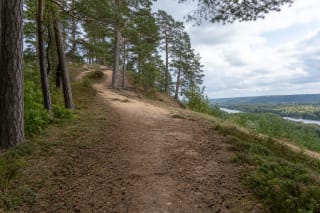
The Kernavė Tourist-Educational Trail ‘Come, human, let silence embrace you’ is about 2.6 km long, beginning at the Baltojo kalno recreation area and leading…
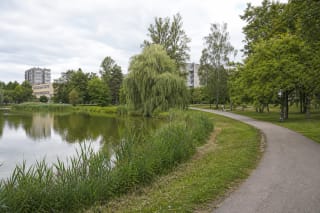
Friendship Park is an approximately 18-hectare green corridor between Debreceno Street and Statybininkų Avenue.
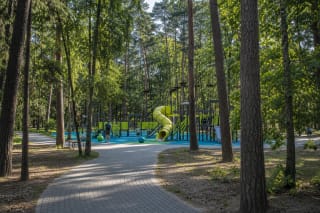
Klaipėda Recreation Park is a large public pinewood in the northern part of the city, combining everyday walks, children's play and sport.
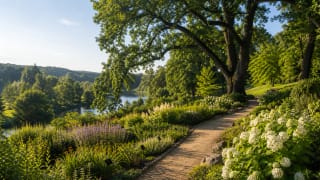
Klaipėda University Botanical Garden in northern Klaipėda, in the Danė/Dangė River valley, combines a 1993 research and education space, 9.3 ha of plant…
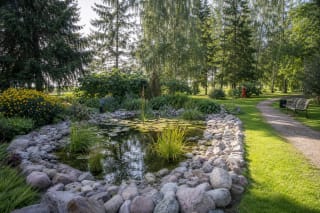
Klausučiai Rebirth Park grew from a green space first planted beside the Šeimena in 1977 and reopened as a landscaped community park in 2013.
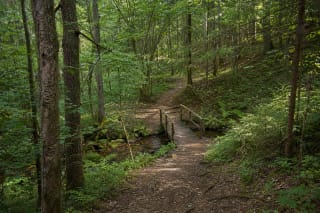
Kleboniškis Forest Park lies close to Kaunas, but the Neris River along the west and north helps preserve a wild-forest impression.
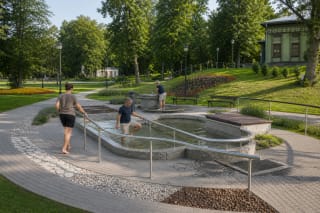
Kneipp Garden is a free open-air wellness space in Birštonas's historic resort centre, created on the site of old mineral springs.
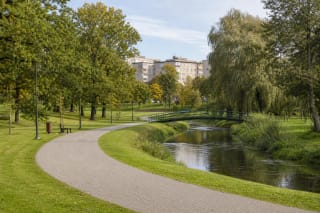
Krašuona Park is an approximately 11 ha urban green space following the Krašuona stream between central Utena, the former manor approaches, and the Krašuona…
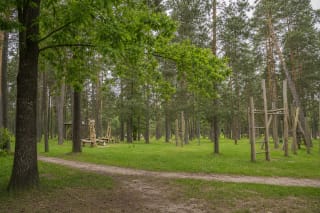
Kulautuva Park is a specific public town green between L. Giros and P. Cvirkos streets, not the whole Kulautuva pinewood area.
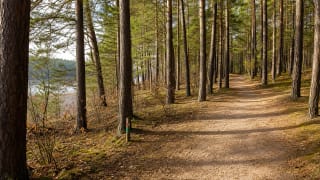
Kulautuva Pinewoods are the landscape of a climatic resort founded in 1933 on the right bank of the Nemunas: sandy, hilly pinewood wellness routes of 2.6-6 km,…
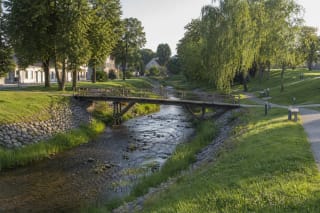
Kupa River Valley Park follows the small river that gave Kupiškis its name through the town centre.
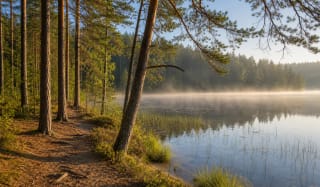
Labanoras Forest is one of Lithuania's largest lake-rich forest landscapes, protected within Labanoras Regional Park, where pinewoods, lakes, wetlands, rare…
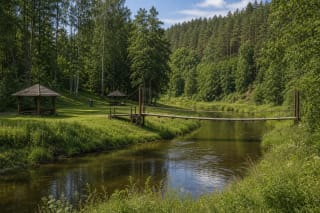
Lakštingalų slėnis is a spacious woodland recreation area in a bend of the Akmena River, inside Pagramantis Regional Park, in Alijošiškės village about 12 km…
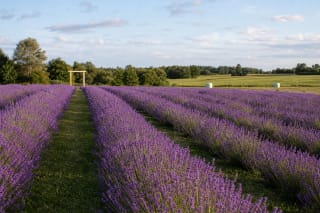
The Lavender Farm in Mockūnai is a seasonal visitor attraction tended by three generations of one family in Biržai District.
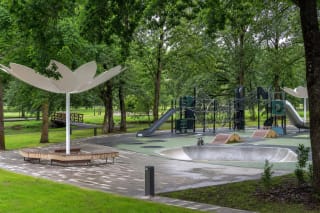
Lazdijai City Park is more than a patch of paths and trees.
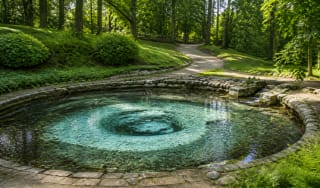
Likėnai Park and Smardonė Spring in the Biržai region offer a close look at northern Lithuania's karst landscape: a sulphur-scented spring, sinkhole basin,…
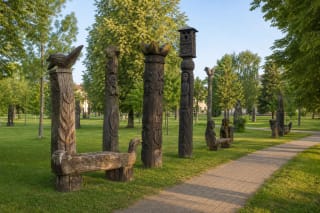
Lionginas Šepka Park in Rokiškis is both a neighbourhood green space and an evolving open-air wood-sculpture gallery.
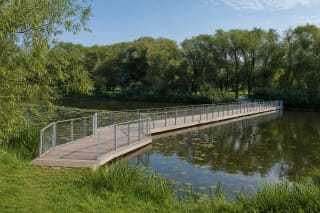
Malūno Park surrounds one of Klaipėda's largest urban ponds and is still widely known by its former name, Trinyčiai Park.
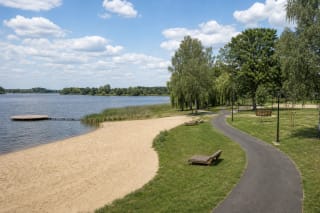
Marijampolė Marių Park is not a coastal park, and its name does not identify a lagoon in the geographic sense.
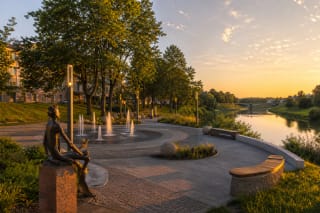
Marijampolė Poetry Park is a 4.36 ha green space in the city centre at the confluence of the Šešupė and Jevonis.
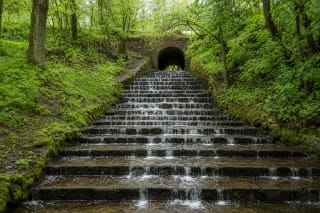
Marvelė Cascades occupy a green stream valley near the boundary between Kaunas city and district.
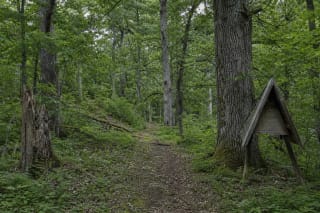
Medžiokalnis is a wooded hill on the northern edge of Kražiai and the core of a botanical reserve established in 1960.
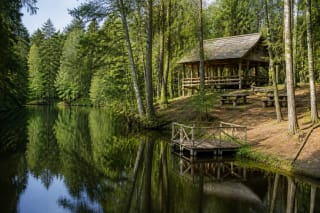
Meižis Recreation Area is a public outdoor stop in Šilinė Forest beside the calm, tree-enclosed Meižis pond.
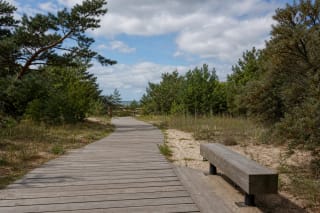
Melnragė Park is a 6.36-hectare seaside landscape completed in 2020 between the Pirmoji Melnragė neighbourhood and the Baltic beach.
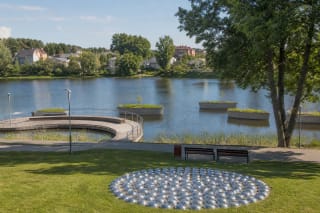
Molėtai Sculpture Park is an open-air art space beside Lake Pastovis, reached from the Vasario 16-osios Street side of town.
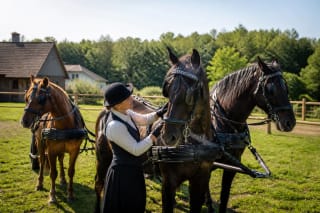
Nausodės Horses at Šiaulių g. 27 in Nausodė offers riding, horse-care, photography, carriage, camp, celebration, and educational activities arranged in advance.
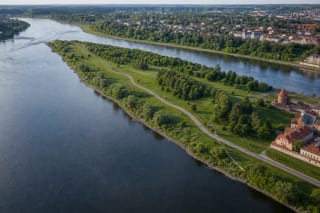
Nemunas and Neris Confluence Park occupies 13.5234 hectares at the western tip of Kaunas Old Town.