Winter
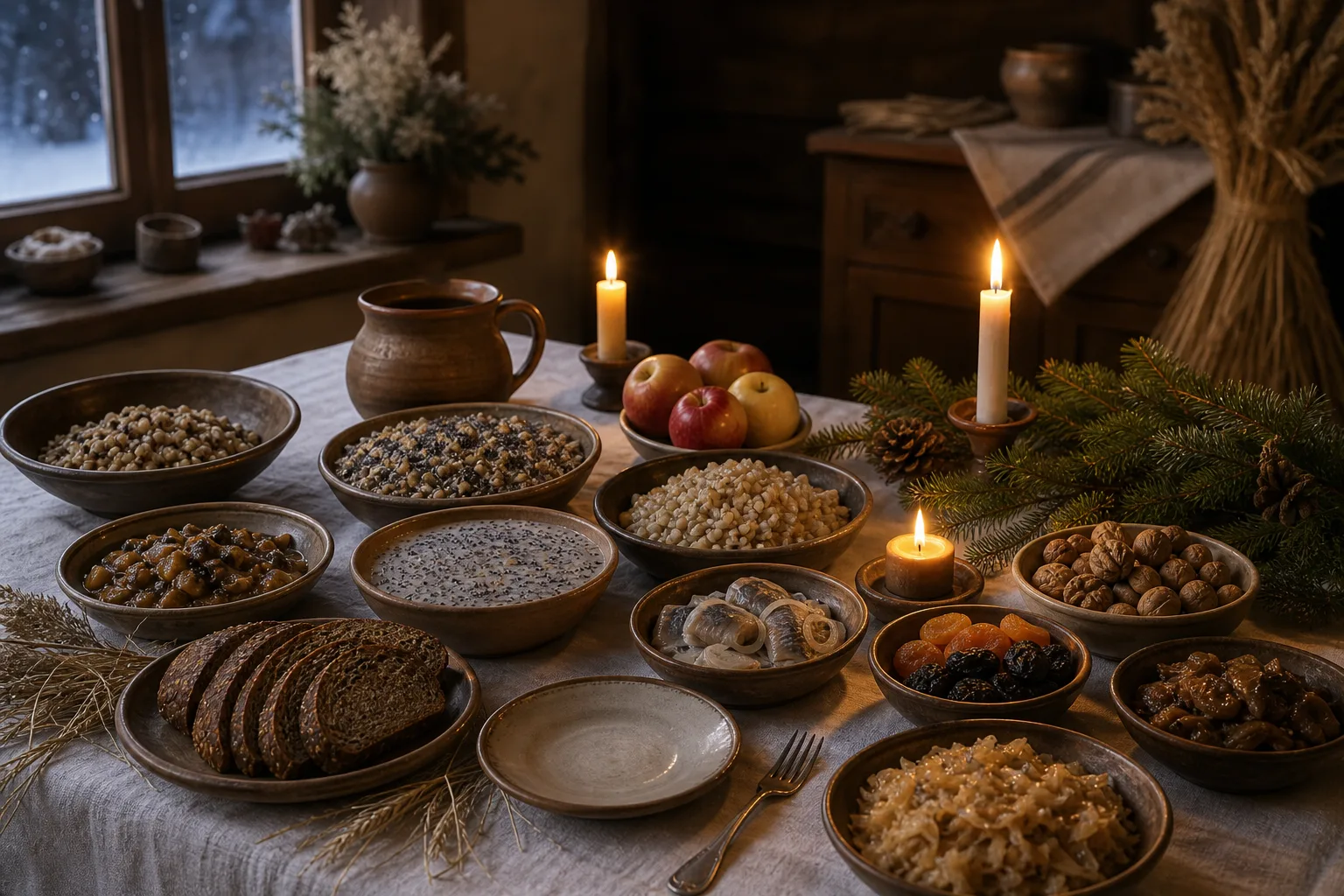
Kūčios: gathering around the table
Twelve dishes, a family gathering and the customs of Christmas Eve.
Explore the customs
A closer look at Lithuania
More than 3,300 pages on Lithuanian culture and travel: folk song lyrics and meanings, mythology, festivals, recipes, crafts and places to visit. Start with what interests you.
Traditions and celebrations
Customs, the rhythm of nature and the festive table. Discover the stories of each season.
Twelve dishes, a family gathering and the customs of Christmas Eve.
Explore the customs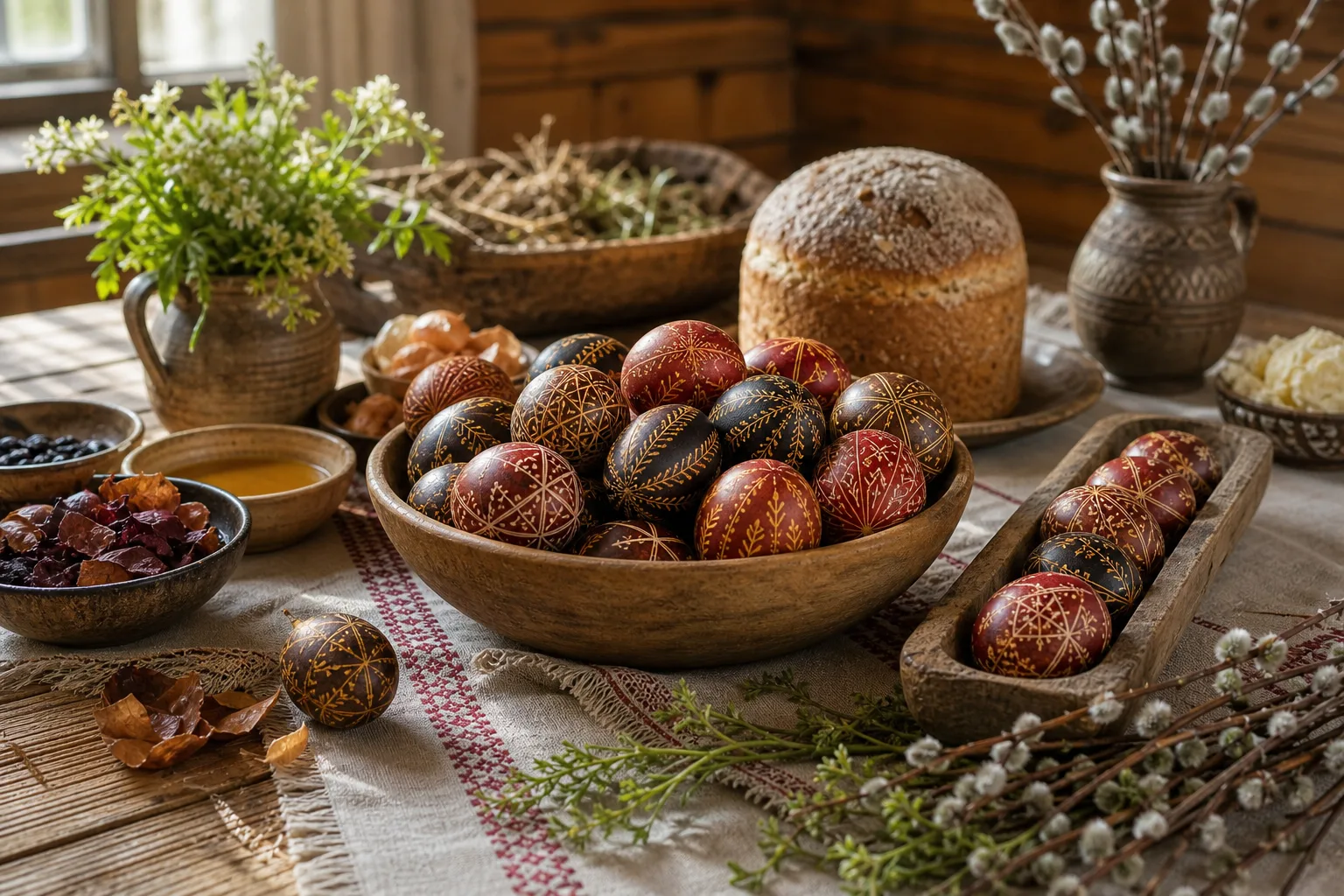
What do decorated eggs tell us about the return of spring?
Explore the customs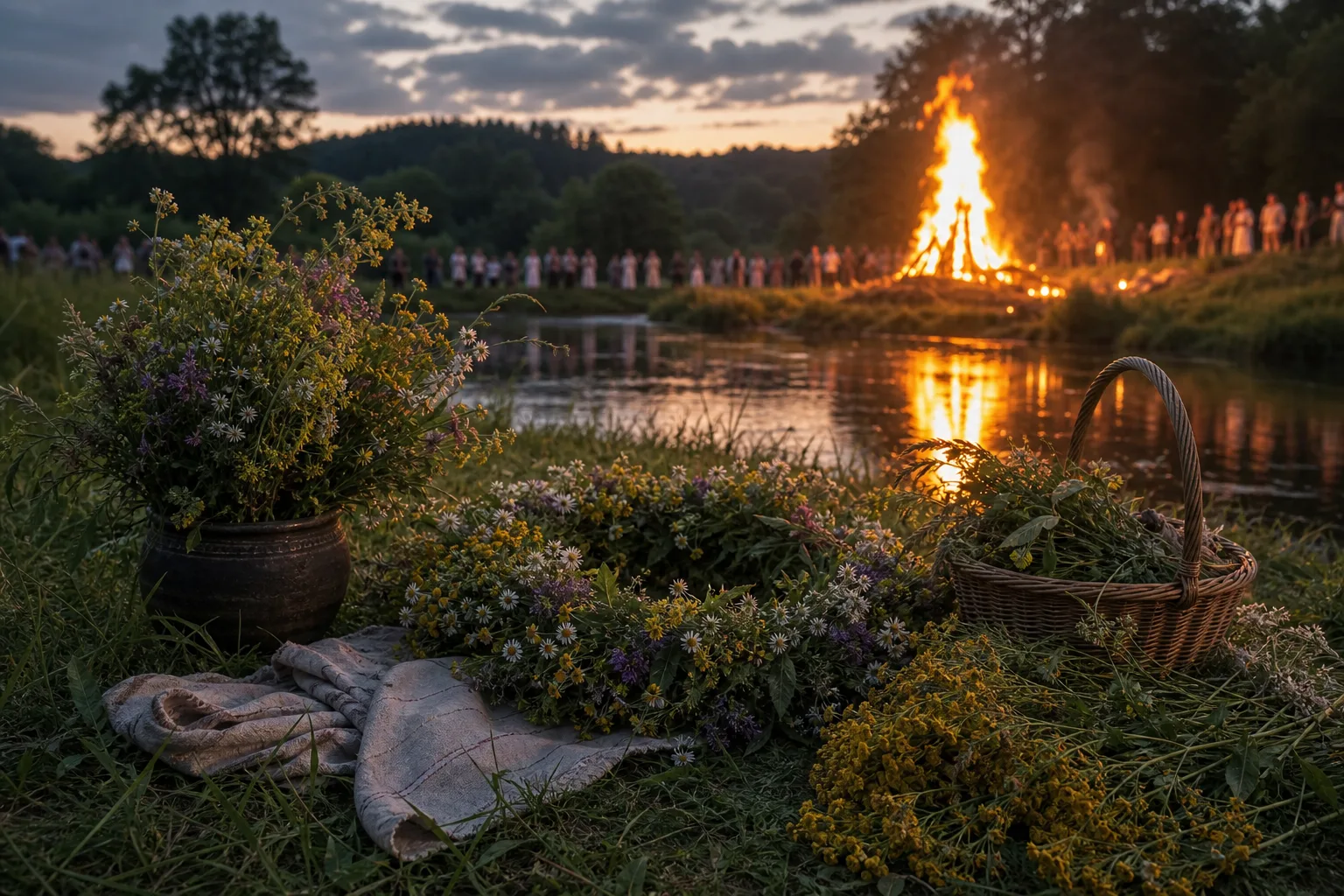
Fire, wreaths and stories of the shortest night.
Explore the customs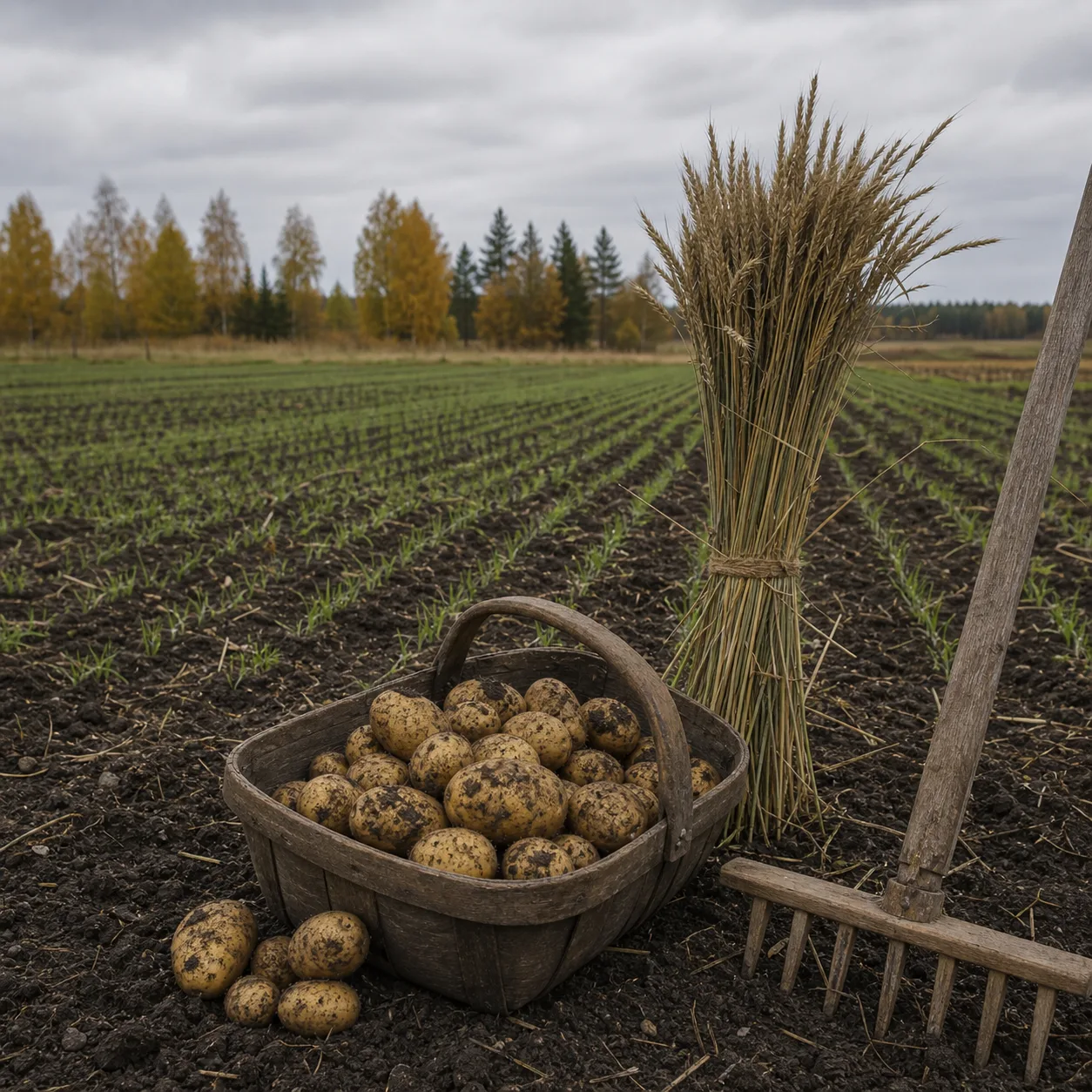
September 29 customs, sprouting winter crops and autumn gatherings.
Explore the customsPlaces to visit
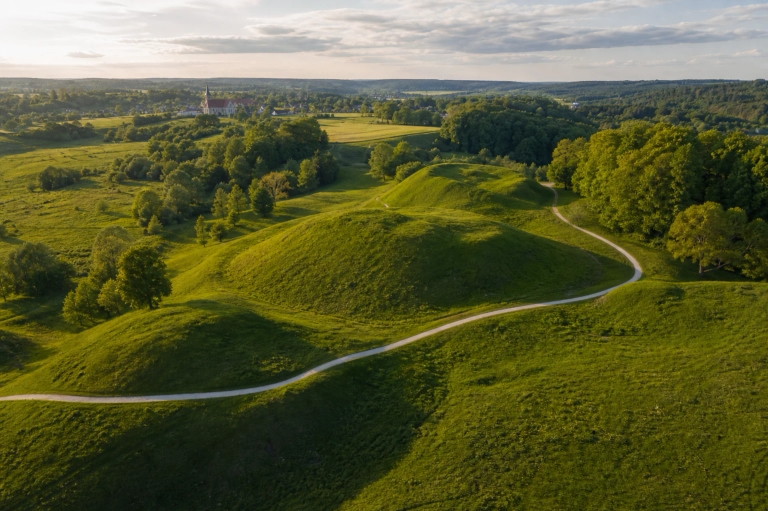
Start with a region, or open the map to find places around your chosen location.
Oi tu ieva,
Ievuže, ievuže,
Kodėl nežydi
Žiemužėj?Folk songs
“Oi tu ieva, ievuže” asks why a bird cherry does not blossom in winter. Read the complete lyrics and explore their imagery.
A story for this evening
Love in the depths of the sea, the punishment of Perkūnas and amber washed ashore. Discover the legend and its literary tradition.
Read the storyMore storiesTraditional food
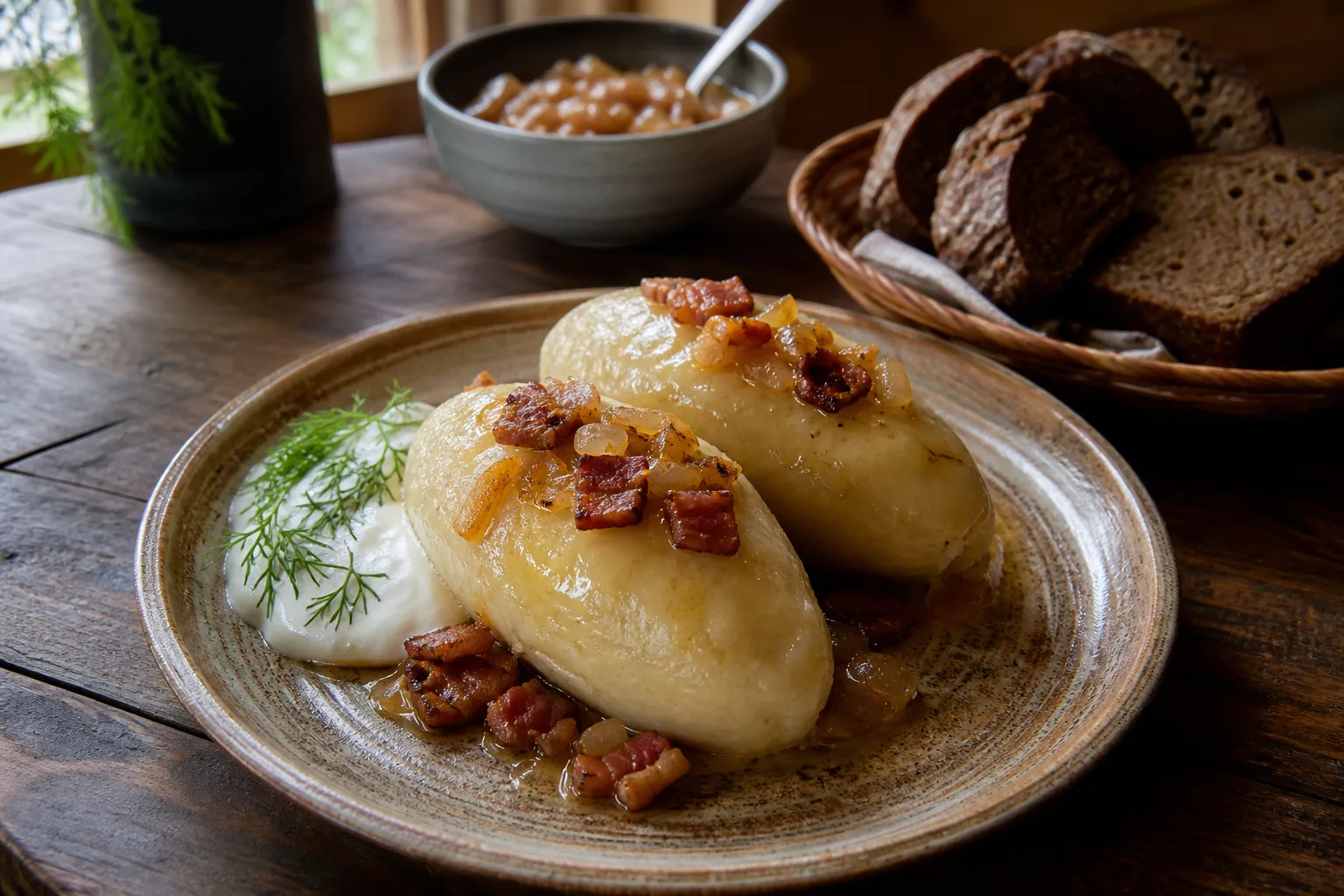
Cepelinai: potato dough, a filling and a story. Open the recipe for ingredients and step-by-step preparation.
Have a correction, source or suggestion? Help this cultural guide grow.