
Lithuanian symbols
Lithuanian mythological animals
Animal symbols in Lithuanian tradition speak about household protection, the road, the sky, forest power, fate, messages, and human ties with living nature.
Animal symbols as a tradition, not a bestiary
Animal symbols move between songs, tales, ornaments, household custom, and seasonal rites. These guides explain where each motif is strongest and how it functions in Lithuanian cultural memory.
Animal-symbol guides
Read English pages about Lithuanian animal symbols in songs, tales, ornaments, calendar customs, and folk art.
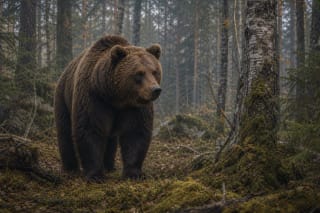
In Lithuanian folklore the lokys or meška, the bear, is a symbol of forest strength, winter, heavy bodily power, and a beast close to humans yet dangerous.
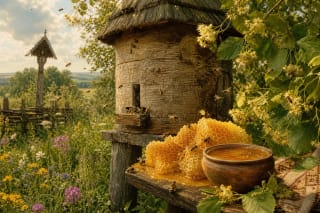
In Lithuanian tradition the bee, hive, and honey bring together diligence, sacred household order, bičiulystė or bee-based friendship, healing sweetness, and…
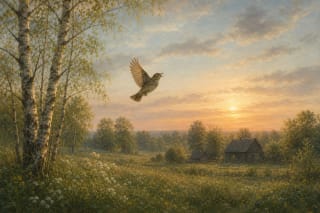
In Lithuanian folklore the bird is a symbol of message, sky, spring, soul, and boundary: it sings, foretells, returns from afar, and the vėlė is often imagined…
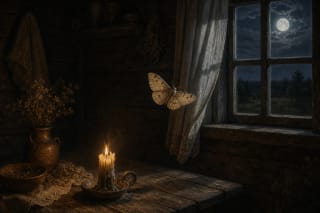
In Lithuanian folklore the butterfly or moth was linked with the human soul and the vėlė, the spirit of the dead: a winged being in which the departing soul…
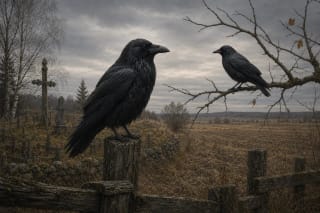
In Lithuanian folklore the crow and raven are birds of death, fate, and prophecy: black carrion-eaters circling homes and cemeteries.
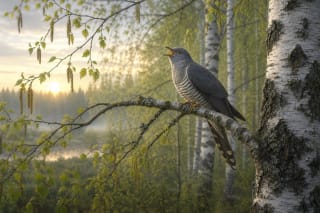
In Lithuanian folklore the cuckoo is a symbol of the voice of spring, counting time, questions of fate, and often orphanhood or longing.
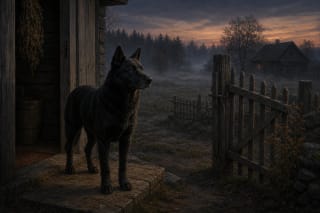
In Lithuanian folklore the dog is a threshold and chthonic guardian that senses death and the nearness of the other world.

In Lithuanian folklore the duck is a bird of water and the world's beginning.
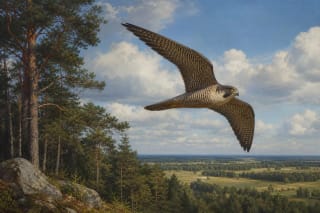
In Lithuanian songs and symbolism the falcon most often appears as an image of high flight, the young man, nobility, vigor, and a message from afar.
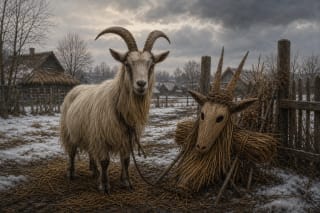
In Lithuanian folklore the goat is connected with Perkūnas, whose heavenly cart is drawn by goats in legends, and with fertility and harvest rites.
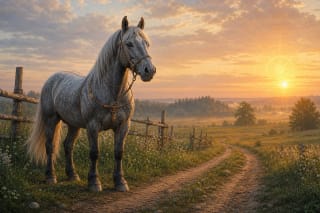
In Lithuanian songs, archaeology, and mythological imagery the horse is a symbol of journey, warrior, courtship, solar movement, and fateful return or…
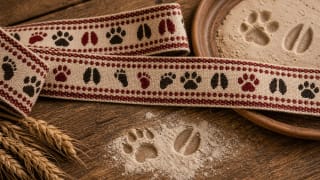
Little footprints, cat-paws, and goat-hoof motifs are small track-like Lithuanian patterns that connect ornament with animals, road, the household world,…
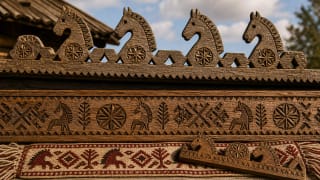
Little horses in ornaments connect the mythological importance of the horse with traditions of roofs, lėkiai, woodcarving, and household protection.
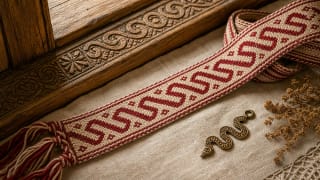
Little žaltys, little snake, and S pattern are winding-line motifs that in Lithuanian tradition may be connected with the žaltys, household protection, water…
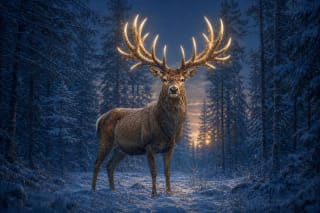
The nine-antlered stag is a mysterious image in Lithuanian calendar songs: a cosmic winter-festival animal carrying smiths, a chamber, or a flame on its antlers…
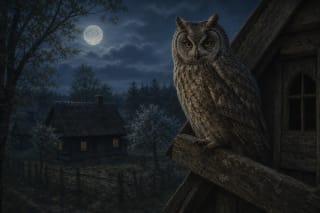
In Lithuanian and Prussian folklore the owl is a bird of night and fate: its hooting near the house was considered an omen of death or illness.
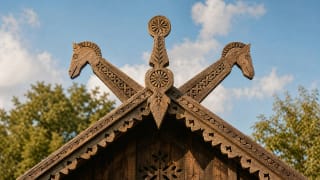
Lėkiai and roof horse heads are ornaments of Lithuanian wooden architecture, marking the roof ridge, a protected boundary, bird or horse motifs, and belief in…
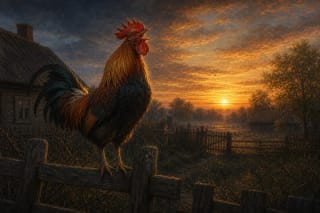
In Lithuanian folklore the rooster is a bird of dawn and fire: its crowing ends the night and the power of night beings such as laumės, devils, and ghosts, so…
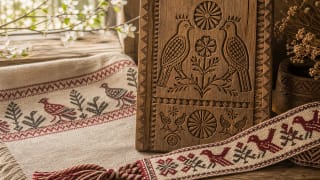
Small birds in ornaments connect Lithuanian bird symbolism with motifs of sky, message, soul, weddings, woodcarving, and textiles.
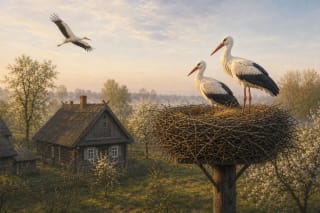
In Lithuanian folklore the stork is a sacred bird of the home, almost a family member: it brings back spring, brings children and luck, and a nest on the…

In Lithuanian folklore the toad and frog are animals of household luck and fertility: killing them brings misfortune or rain.
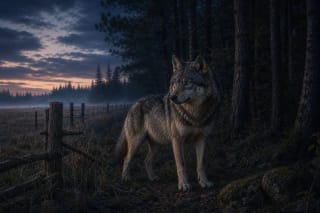
In Lithuanian folklore the wolf is a symbol of the wild boundary, forest threat, predation, and transformation, especially close to werewolf legends.
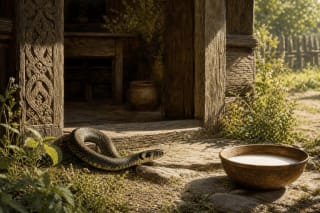
Žaltys is one of the most recognizable symbols of Lithuanian mythology: a sacred household guardian, a sign of vital powers, earth, ancestral memory, and…