Travel spots in Lithuania
Museums in Lithuania
National collections, open-air ethnographic villages, memorial farmsteads, and small local museums across the country.
Museum guides
Each place page combines cultural context, practical details, and visitor orientation.

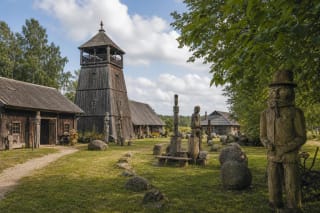
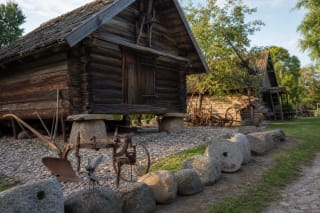
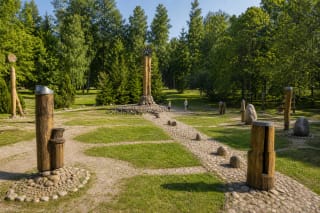
The Adomas Petrauskas Museum in Uoginiai is an idiosyncratic homestead museum founded in 1969 by self-taught local collector Adomas Petrauskas. It holds thousands of ethnographic, archaeological, and folk-art exhibits, with the creator's wood carvings and field stones arranged around the farmstead.
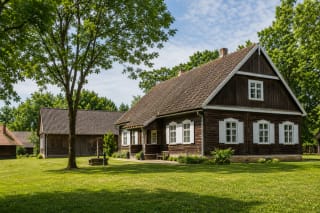
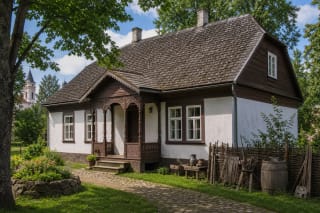
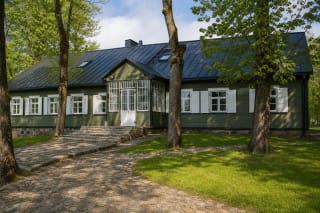
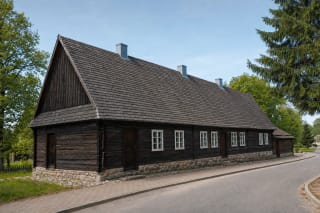
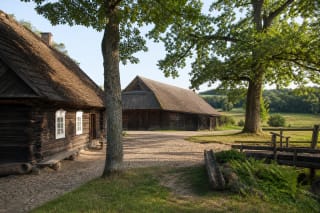
Agluonėnai Ethnographic Homestead is one of the finest surviving examples of a Lithuania Minor Lietuvininkai homestead: an authentic late-nineteenth-century yard with dwelling house, barn, and farm buildings, now a museum and a living place for barn-theatre tradition.

The Aleksandras Griškevičius Memorial Museum in Viekšniai is set in the house where Lithuania's early aviation pioneer spent his final years. Known as the Samogitian Daedalus, he designed the flying machine Žemaičio garlėkys in the mid-nineteenth century, long before powered flight. The museum is a branch of Mažeikiai Museum.
Founded in 1928, Alytus Regional Museum is the main and largest museum of Dzūkija and southern Lithuania, holding more than 124,000 exhibits. Its branches include the Anzelmas Matutis and Antanas Jonynas memorial museums.
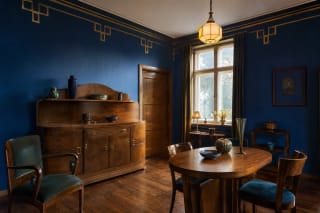
The Antanas and Jonas Juška Ethnic Culture Museum in Vilkija is housed in the town's oldest building, the former rectory where folklorist Antanas Juška worked. The museum tells the story of the Juška brothers, who collected thousands of Lithuanian songs and words, and presents local ethnic culture.
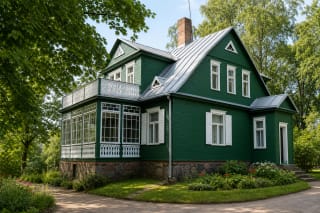
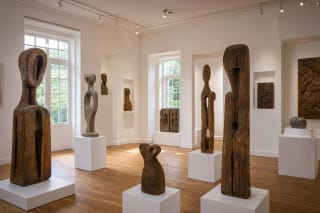
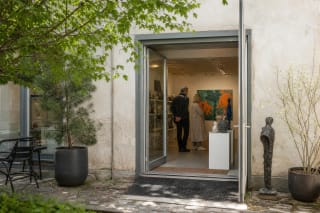
The Antanas Mončys Art Museum in Palanga has preserved more than 200 works by the Samogitian-born, Paris-based modernist Antanas Mončys (1921-1993) since 1999: sculptures, masks, whistles, drawings, collages, and pieces that, by the artist's own wish, visitors may sometimes touch.

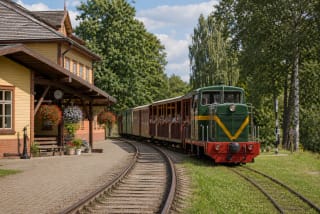
The Anykščiai Narrow-Gauge Railway, popularly called the Siaurukas, is living Aukštaitija technical heritage, with regular, short, educational, entertainment, and holiday journeys on a historic 750 mm gauge.

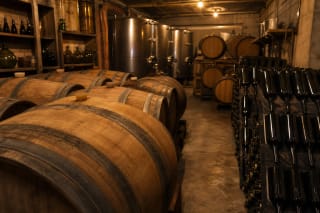
Anykščių vynas is a historic fruit and berry winery operating in Anykščiai since 1926 and regarded as the largest wine producer in the Baltic states. Its visitor programme introduces production, Lithuanian beverage history, and tasting, which is why Anykščiai is called Lithuania's wine capital.
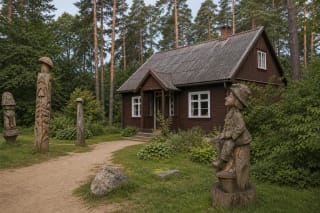
The Anzelmas Matutis Memorial Museum in Alytus is the authentic home of a beloved Lithuanian children's poet, preserving his study and library; in the pine grove nearby, wooden sculptures represent characters from his works.

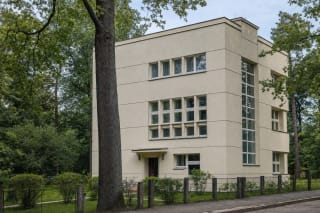
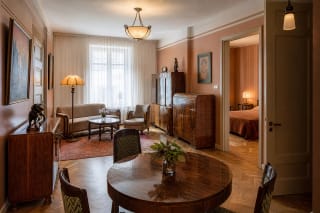
The Art Deco Museum in Kaunas occupies apartment no. 5 in a 1929 apartment building designed by architect Edmundas Alfonsas Frykas at Gedimino g. 48. Restored in 2017-2020, the authentic interwar interior lets visitors see Kaunas modernism from the inside through furniture, materials, colours, and everyday aesthetics.
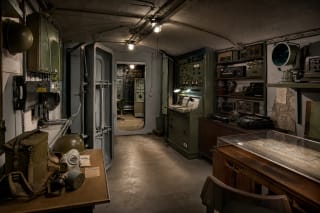
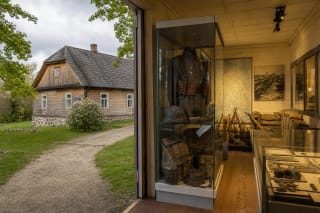
Atomic Bunker in Kaunas is a private KGB spy museum at Raudondvario pl. 164A. It displays secret NKVD, KGB, and militia surveillance equipment - listening bugs, encryption devices, miniature hidden cameras, direction finders, and other Cold War devices that help visitors understand the culture of fear and control in the Soviet period.
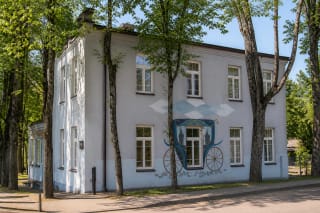
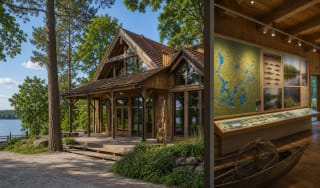
The Aukštaitija National Park Visitor Centre in Palūšė, home to the directorate of Lithuania's oldest national park, helps visitors understand the 127-lake landscape, fishing and timber-rafting traditions, and practical route planning through its Lake Districts exhibition.

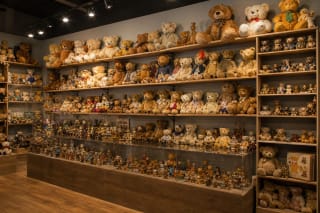
The Bear Museum in Telšiai is a playful space in the tourism information centre, holding almost six thousand teddy bears and bear figures donated from Lithuania and abroad. The collection connects with the bear on the Telšiai coat of arms and the city's image as a city of bears.

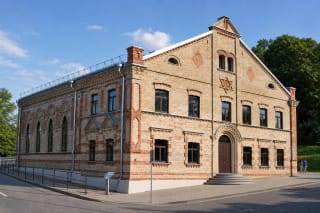
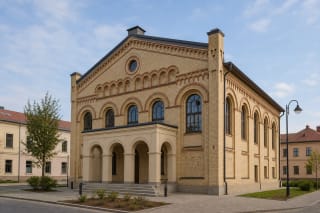
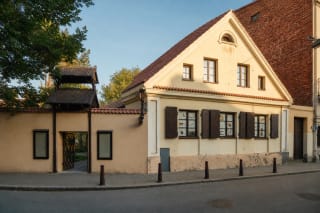
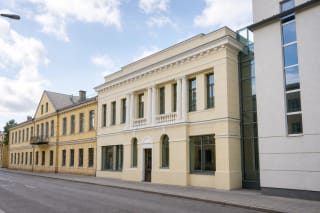
Beatričė Kleizaitė-Vasaris Art Gallery is a Marijampolė art gallery located in a restored late-nineteenth-century Jewish synagogue. It preserves more than 470 works of Lithuanian diaspora art collected abroad over a lifetime and donated to Lithuania by art historian and patron Beatričė Kleizaitė-Vasaris. It is a rare place where diaspora art is permanently shown in a regional city, while the building itself preserves the memory of Jewish heritage.
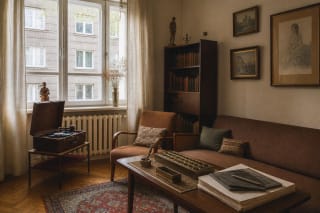
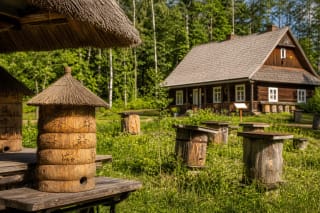
The Beekeeping Museum in Stripeikiai is a 4 ha indoor and outdoor exhibition site in Aukštaitija National Park, where hives, sculptures, educational activities, and buildings tell the story of bees, honey, and Lithuanian beekeeping tradition.

Birštonas Sacral Museum is housed in a wooden nineteenth-century rectory beside St Anthony of Padua Church. Ten rooms present sacred art and memorial rooms for Blessed Teofilius Matulionis and Cardinal Vincentas Sladkevičius; on Christmas Day 1957 Matulionis secretly consecrated Sladkevičius as bishop here.
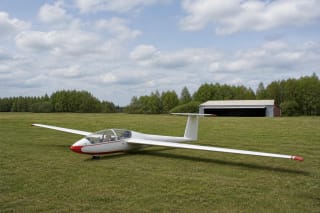
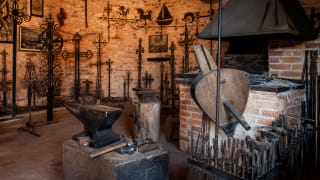
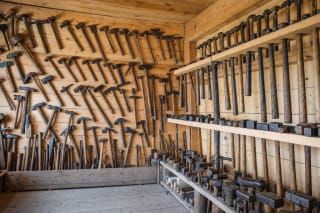
The Blacksmithing Museum in Klaipėda Old Town operates beside Gustav Katzke's forge and shows authentic blacksmith tools, a hearth, bellows, forged weathervanes, old cemetery crosses, and grave railings.

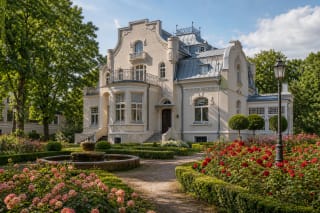
Chaim Frenkel Villa in Šiauliai is an Art Nouveau family residence built in 1908 for an industrialist household. Today it is an Aušra Museum branch with authentic interiors, the Frenkel family and leather-factory story, a park, fountain, and rose garden.
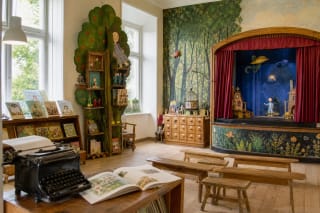
The Church Heritage Museum, founded in 2005 and opened to visitors in 2009, operates in the ensemble of St Michael's Church and the former Bernardine nuns' monastery. Its core is the Vilnius Cathedral treasury with 988 liturgical valuables and Lithuania's largest collection of liturgical textiles.

The Clock Museum in Klaipėda is the only museum of its kind in Lithuania and the Northern European region: an LNDM branch in a nineteenth-century villa on Liepų g. 12, founded in 1984, presenting time measurement from sundials and clepsydras to quantum clocks and clock forms from the Renaissance to Art Nouveau.

The Cold War Museum in Plokštinė operates in a former secret Soviet underground ballistic missile base near Plateliai, one of Lithuania's strongest twentieth-century military-history sites.

The Curonian Spit History Museum in Nida, opened in 1969 in a former Lutheran church, presents spit fishing, crow catching, Stone Age finds from the 1974-1978 Nida excavations, the postal road, and daily life by the lagoon.

The Daugyvenė Cultural History Museum-Reserve, founded in 1991, links several heritage sites in the Daugyvenė river valley: Burbiškis Manor, the Kleboniškiai open-air village household museum, the Šeduva local-history exposition, and the Raginėnai archaeological complex. Together they tell one story of local village life, manor culture, and ancient communities.

The Devils' Museum in Kaunas is one of Lithuania's most distinctive museums. Opened in 1982, it continues the devil collection gathered by artist Antanas Žmuidzinavičius, which grew from about 260 items to roughly 3,000 objects from Lithuania and more than 70 countries - a story of folk imagination, humour, fear, and Christian iconography.
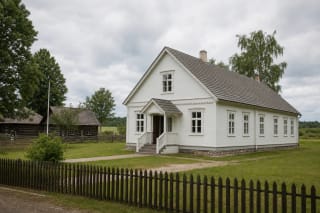
The Dieveniškės Historic Regional Park Visitor Centre in Poškonys presents the park's ethnocultural heritage: street-strip villages, the Dieveniškės urban complex, traditional architecture in Poškonys and Žižmai, and the character of this borderland.

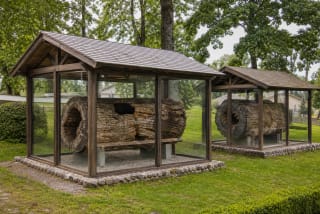
Dionizas Poška's Baubliai in Bijotai is a small but nationally important site: an antiquities space made inside hollow oak trunks, regarded as one of Lithuania's earliest museums and an important marker of Lithuanian literary history.

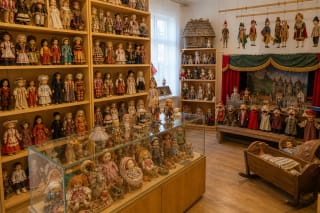
The Doll House Museum in Bajorai, near Rokiškis, holds about 1,500 dolls from around the world and is closely connected with the home puppet theatre ČIZ. Dalia Ziemelienė has displayed the private collection since 1999, while the theatre's dolls are sewn by hand by the three women who founded it. After performances, visitors can play with the dolls, making it a lively museum for children and adults.
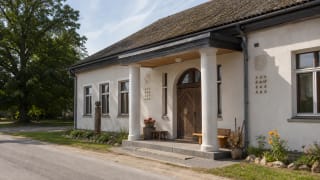
Dovilai Ethnic Culture Centre - officially the Klaipėda District Ethnic Culture Centre - is a space for ethnoculture, education, and events at Gargždų g. 1, in one of the few surviving old buildings of Dovilai, where cultural activity was already held between the wars. It is a good place to explore Klaipėda Region calendar festivals, crafts, folklore, and community culture on the border of Samogitia and Lithuania Minor.

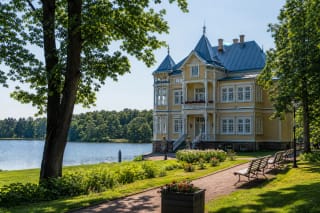
Druskininkai City Museum operates in the representative Villa Linksma by Lake Druskonis. It is the best place to understand how Druskininkai grew from the mineral-water treatment facility established in 1837-1838 into a centre of culture, therapy, leisure, and town identity.
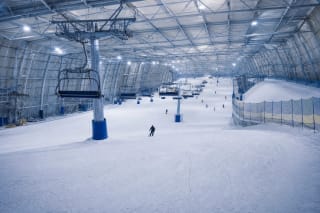
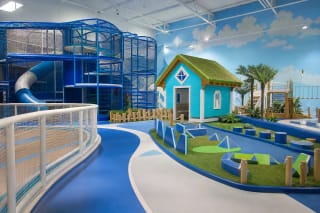
Druskininkai Snow Arena is the only year-round indoor skiing and snowboarding complex in the Baltic States. It turns Druskininkai into a four-season resort, while the nearby Aqua water park in town broadens the leisure offer.
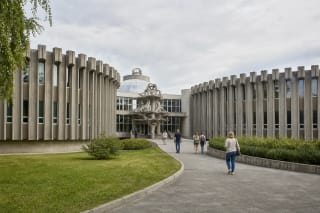
Dusetos Art Gallery is one of Lithuania's clearest examples of professional art activity in a small town. Since 1995 it has brought together Dusetos and Selonia-region artists and photographers, including miniature exhibitions and horse-themed art linked with Sartai.
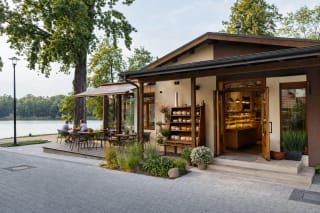
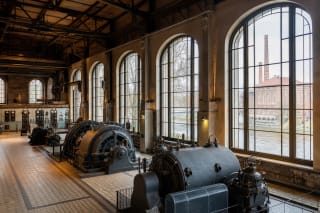
The Energy and Technology Museum in Vilnius operates in the former Vilnius city power plant, which began work in 1903. Industrial architecture, turbines, boilers, city infrastructure, and interactive exhibitions tell the story of modernizing Vilnius.
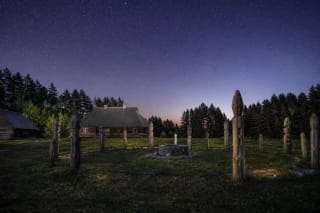
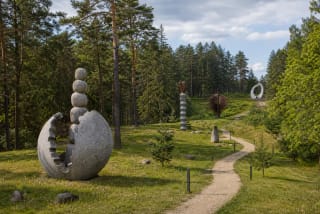
Europos Parkas near Vilnius is an open-air contemporary art museum: more than 100 works are placed across a 55 ha landscape, and the park's idea is linked with searches for the geographical centre of Europe.

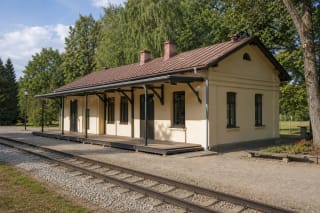
The Freedom Fights Museum in Utena is housed in the old narrow-gauge railway station and is a branch of the Utena Regional Museum. Its modern thematic exhibition presents the 1940-1965 history of Utena and Lithuania: Soviet occupation, deportations, post-war partisan resistance, and the contrast with free Europe.
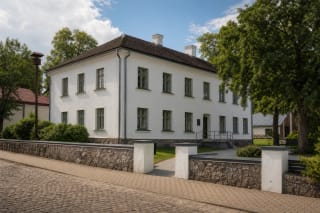
The Freedom Fights Museum in Lazdijai is an interactive museum of the partisan war and Soviet repression, housed in the authentic former NKVD-MGB security building known as the white Petrauskas house. The basement preserves interrogation cells, punishment cell, and prison yard. The exhibition tells the story of Dainava district's Šarūnas detachment partisans and regional deportees, and the museum is a branch of Lazdijai Region Museum.

Gargždai Area Museum tells the story of an old border town where Samogitia and Lithuania Minor meet along the Minija. Holding about 15,000 exhibits, it is known for the interactive Interwar Gargždai 1918-1939 exhibition and connects four distinctive branches, including Lithuania's only surviving boatbuilder's homestead and the Ieva Simonaitytė Museum.
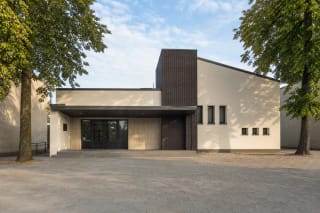
The Geographical Centre of Europe near Vilnius marks the point calculated in 1989 by France's National Geographic Institute as Europe's centre, distinguishing a geodetic fact from the nearby Europos Parkas art idea.

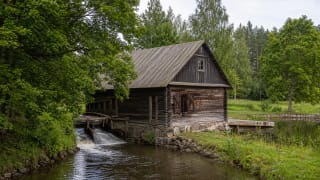
Ginučiai Watermill is one of the clearest technical-heritage sites in Aukštaitija National Park: a mill from the second half of the nineteenth century beside flowing water, preserving milling equipment, a turbine, wooden gears, and layers of village-economy history.

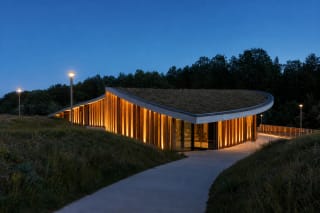
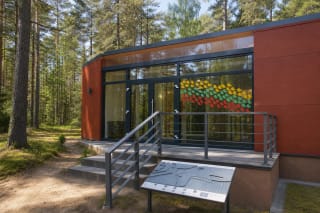
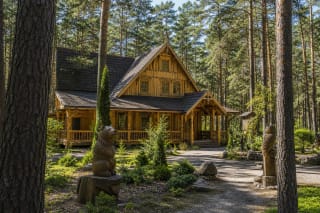
Girios Aidas Forest Museum is a distinctive wooden forest museum on the south-eastern edge of Druskininkai, in a pine forest. Inside its fairy-tale wooden building are displays of Lithuanian animal and bird taxidermy, old forestry tools, and folk carving; outside, a short trail passes sculptures and rare trees. It is one of the most visited nature-learning spaces in Druskininkai and is now maintained by the State Forest Enterprise.

Grūtas Park near Druskininkai is an open-air exhibition of Soviet monuments and propaganda. Ideological monuments, documents, museum halls, and the park setting help visitors read the layers of occupation memory.

The Historical Presidential Palace in Kaunas is a statehood museum at Vilniaus g. 33, located in the former Presidential Palace. In 1919-1940 Antanas Smetona, Aleksandras Stulginskis, and Kazys Grinius resided here; the building hosted receptions, presidential work, and the last moments of free Lithuanian decision-making before the Soviet occupation.

The History Museum of Lithuania Minor in Klaipėda Old Town tells the story of the western Balts, Klaipėda Region, Lietuvininkai culture, book history, and the difficult memory of the first half of the twentieth century.

The Horse Museum in Niūronys is an ethnographic museum about the horse's place in the Lithuanian village, preserving horse-drawn implements, carts, sleighs, harnesses, craft tools, Aukštaitija homesteads, and living horse-culture traditions.

House of Illusions Eureka is an interactive optical-illusion and science-entertainment space in Palanga, set in the historic Tiškevičiai Villa Aldona beside the Basanavičiaus promenade. Across three floors it has about 50 exhibits where the visitor becomes part of the illusion, making it a popular all-weather stop for families and children.

Ignalina Nuclear Power Plant near Visaginas was the world's most powerful RBMK-type plant, operating in 1983-2009 and for a time supplying about 80 percent of Lithuania's electricity. Today it is being decommissioned, while visitors can access the information centre and a full-size reactor-control-room simulator.

J. Gižas Ethnographic Homestead in Dreverna (Žvejų g. 13) is Lithuania's only surviving boatbuilder's homestead. Its four-part interactive exhibition, opened in 2010, 'J. Gižas. Opening the Boatbuilder's Chest...', presents the famous Pamarys boatbuilder Jonas Gižas (1867-1940) and Curonian Lagoon boatbuilding.

The Jonas Šliūpas Museum in Palanga is a branch of the National Museum of Lithuania in a wooden Historicist villa of about 1900 at Vytauto Street 23A. It tells the story of the Aušra activist, philosopher, physician, and first mayor of Palanga, Jonas Šliūpas (1861-1944); according to the Register of Cultural Property, he lived in the house in 1928-1944. The villa was fully renovated in 2023, and the permanent exhibition was still being prepared at the time of research.

Jonava Regional Museum is housed in a Classicist horse-post station built in 1833-1835 on the old Saint Petersburg-Warsaw route. It stores more than 58,000 exhibits on Jonava-region history, ethnography, and art; its cellar displays the only surviving material from vanished Skaruliai Manor: archaeological finds.

K. Banys Ethnographic Fisherman's Homestead in Rusnė is a more than 200-year-old Pamarys fisherman's farmstead that Kazimieras Banys turned into a private ethnographic museum in 1997. Three traditional Nemunas Delta buildings preserve fishing gear, household items, and furniture showing how a fisher and meadow farmer lived in the flood country.

Kapčiamiestis Emilija Pliaterytė Museum is the main Lazdijai-region place linked with the memory of the 1831 uprising heroine, who died nearby at Justinavas manor and was buried in Kapčiamiestis. The museum connects her biography, the uprising, local ethnography, and southern Lithuanian memory.

Kaunas Fortress Sixth Fort in Petrasiunai is a hexagonal Tsarist fortress fort built in 1882-1889, one of its strongest masonry fortifications. Today it is best known through the Vytautas the Great War Museum's Military Technology Exhibition, where ramparts meet tanks and artillery.

Kaunas Picture Gallery is a branch of the National M. K. Čiurlionis Museum of Art opened in 1979 at K. Donelaičio g. 16, where temporary exhibitions by Lithuanian and international artists meet the Jurgis Mačiūnas Fluxus Cabinet and the story of Kaunas modern culture.

Kaunas State Musical Theatre in the City Garden is Lithuania's first building constructed specifically for theatre, opened in 1892 and later transformed into the State Theatre stage. Professional Lithuanian opera, drama, and ballet began here, the Constituent Seimas met here in 1920, and the Neo-Baroque and Art Deco interior layers still make it one of Kaunas's most important cultural spaces.

The Kazys Varnelis House-Museum on Didžioji Street is a branch of the Lithuanian National Museum where the home space of an optical art creator merges with his collection of prints, maps, sculpture, furniture, and applied art.

Kintai Vydūnas Cultural Centre operates in the former Kintai school built in 1705, where Vydūnas taught in 1888-1892. Today it brings together the Vydūnas Museum founded in 1994, the Pamarys Signs enamel gallery, an artist residence, and Lithuania Minor cultural activity.

Klaipėda Drama Theatre is a historic port-city stage on Theatre Square, often called the oldest surviving theatre building in Lithuania. The first masonry theatre here was completed in 1818-1819, rebuilt in 1857 after an 1854 fire, given Neoclassical features in 1895-1898, and the professional Lithuanian stage took root in 1935 with the arrival of the Šiauliai troupe. It is protected by the Register of Cultural Property as a Historicist object of regional significance (code 1189).

Klaipėda Ethnoculture Centre is a municipal ethnoculture institution founded in 1991 and, since 2007, operating at Daržų g. 10 beside a Cultural Heritage Register warehouse complex of the 18th-19th centuries. Five folklore groups rehearse here, alongside calendar-festival programmes, education activities, national-costume consultations, and the traditional culture of Lithuania Minor.

Klaipėda Puppet Theatre is a professional puppet and object theatre in Klaipėda Old Town whose roots reach back to the 1989-1991 group Pupa and the KU-KŪ puppet work begun at Klaipėda University in 1991. Since 2018 it has operated in a former bank building at Turgaus g. 9, creating performances for babies, children, young people, and adults, and running the festival Materia Magica.

Klaipėda Sculpture Park is an open-air modernist sculpture display in the city centre that also preserves the memory of a former city cemetery, prisoners of war, and Klaipėda Region history.

Klaipėda State Music Theatre is western Lithuania's institution for opera, ballet, and music theatre, founded in 1987 and grown out of the Klaipėda People's Opera Theatre. Its first performance is considered to be Audronė Žigaitytė's opera Mažvydas in 1988. In 2024 a modernized building with the Jūra and Marios halls opened at Danės g. 19 - the first music theatre built in the whole period of restored independence.

The Krekenava Regional Park Visitor Centre in Dobrovolė is the best place to begin exploring the Nevėžis valley. Its exhibition explains oxbow lakes, terraces, meadows, plants, animals, and human life by the river.

Kruonis Pumped Storage Hydroelectric Plant beside Kauno Marios is the only power plant of its type in the Baltic States. At night it pumps water to an upper reservoir on the hilltop; when power is needed, the water is released back down to generate electricity. Operator Ignitis gamyba offers free guided tours with advance registration.

Kupiškis Ethnography Museum is housed in an 1823 brick former parish school and holds more than 60,000 exhibits about the Kupiškis region. Its best-known section is the old Kupiškis wedding exhibition, presenting a distinctive local wedding tradition.

The Lake Fishing Museum in Mindūnai is Lithuania's only museum devoted to traditional lake fishing. In a reconstructed nineteenth-century fisherman's homestead in Labanoras Regional Park, it preserves about 870 exhibits, from fifteenth-century dugout boats raised from lake bottoms to old nets, eel traps, and fishing tools.

Laukminiškiai Village Museum near Kupiškis Reservoir occupies a traditional Aukštaitija homestead: the parental home of the notable Babickas family. It combines the memory of radio and photography pioneer Petras Babickas and actress Unė Babickaitė with late nineteenth- and early twentieth-century village life. It is a branch of Kupiškis Ethnography Museum.

Literatų Street in Vilnius Old Town is known for a wall of small artworks dedicated to writers, poets, translators, and supporters of literature connected with Lithuania, Vilnius, or readers' memory.

The Lithuanian Aviation Museum in Aleksotas operates at the historic S. Darius and S. Girėnas Aerodrome. Founded in 1990, it preserves more than 24,000 exhibits and over 50 flying machines, including a flyable Lituanica replica, Bronius Oškinis gliders, and ANBO-IV drawings.

The Lithuanian Museum of Education History in Kaunas, renamed the Lithuanian Education Museum in 2023, is a school and pedagogy history site founded in 1922. It preserves more than 55,000 museum valuables, including old textbooks, writing tools, school furniture, and education documents.

The Lithuanian Museum of Ethnocosmology in Kulionys is a distinctive science-and-culture site that explains the human relationship with the cosmos through mythology, the calendar, astronomy, technology, and night-sky observation.

The Lithuanian Officers' Club in Kaunas is one of the most ceremonial representative buildings of the late interwar period. Built in 1935-1937 with officers' funds, it combines modernized historicism, national-style symbolism, Bronius Pundzius' Three Giants, and exceptional second-floor interiors.

The Lithuanian Sea Museum in Smiltynė combines the nineteenth-century Nerija Fort, an aquarium, maritime-history displays, outdoor ships, and a dolphinarium, making it one of Klaipėda's strongest family and cultural-tourism sites.

Liudvikas Rėza Cultural Centre in Juodkrantė operates in a red-brick school building from 1902-1903 and combines exhibitions, events, a historical display about Martynas Liudvikas Rėza, and the memory of Juodkrantė as a fishing village and resort.

The Lost Shtetl Museum in Šeduva, opened on September 20, 2025, is an approximately 3,000 sq. m memory site for Lithuanian Jewish towns in a building designed by Finnish architect Rainer Mahlamäki beside the old Jewish cemetery. It tells not only the Holocaust, but also the shtetl world that flourished before the catastrophe.

The Lost Shtetl Museum in Šeduva, opened in September 2025, is the largest museum in the Baltic states dedicated to shtetl culture and history. It presents the everyday life of Šeduva's Jewish community, the world of the interwar shtetl, and the tragedy of the Holocaust, while connecting the museum building with a memorial park and the restored old Jewish cemetery.

Lukiškės Prison 2.0 is the former Lukiškės Prison complex in central Vilnius, first used in 1904 and now operating as a place for guided walks, concerts, creative studios, and city culture.

The M. K. Čiurlionis Memorial Museum in Druskininkai, officially the M. K. Čiurlionis House-Museum, has operated since 1963 in the homes where the artist and composer lived and created. This intimate four-building site returns Čiurlionis' work to the context of childhood, family, and the Dzūkija landscape.

Maironis Lithuanian Literature Museum on Kaunas Town Hall Square occupies an eighteenth-century late-Baroque palace bought by the poet Jonas Mačiulis-Maironis in 1909. It preserves his memorial apartment, restored decor by Tadas Daugirdas, literature-history exhibitions, Gothic cellars, and a garden layered with complex city memory.

Marcinkonys Ethnographic Homestead is a 1905 house-and-barn homestead in Dzūkija National Park, open to visitors since 1994. Through forest-village everyday life, tools, straw gardens, and mushroom-picking objects, it shows how the sandy-forest Dzūkians lived among pinewoods and poor soils.

Margionys Barn Theatre is a living Dzūkija village theatre founded in 1929 and long shaped by Juozas Gaidys's dramas. Its barn burned down in 2022, so today the tradition continues through rebuilding, performances, and the Citnaginė festival.

The Marijampolė Regional and President Kazys Grinius Museum is one of Suvalkija's oldest museums, founded in 1933. It preserves rich collections of regional archaeology, ethnography, and history, the several-thousand-year-old Turlojiškė Man, and the memory of Lithuanian president Kazys Grinius.

Martynas Jankus Museum in Bitėnai, founded in 1981, operates in a reconstructed Lithuania Minor printing house with a working printing press; it tells the story of the Patriarch of Lithuania Minor, Martynas Jankus, Aušra, a banned-press warehouse, and a signatory of the Act of Tilsit.

Founded in 1928 on the initiative of teacher Stasys Ličkūnas, Mažeikiai Museum manages four branches and holds more than 79,000 objects covering regional archaeology, ethnography, folk art, art, and the history of the oil industry.

Memel Nord at Kukuliškiai near Giruliai is Lithuania's only surviving fortification of this type: a 1939 Nazi coastal-defence battery with concrete bunkers in two artillery blocks, four 150 mm guns, later adapted for anti-aircraft defence and converted in the twenty-first century into a military heritage museum.

Merkinė Region Museum operates in an 1888 Orthodox church built on the foundations of the sixteenth to seventeenth-century town hall, and since 1968 has preserved the memory of one of Dzūkija's historically most important towns. Merkinė Castle, Magdeburg rights, the Nemunas and Merkys confluence, Jewish community, crafts, and partisan struggles come together here in one regional story.

Mizgiriai Amber Museum in Nida is a private amber gallery-museum founded by Kazimieras and Virginija Mizgiris, telling amber's journey from the prehistoric amber-tree forest to culture, jewellery, and Curonian Spit identity. The display holds rare amber, a 3D film, a world amber map, and the largest marine amber block in Lithuania, Perkūno akmuo, the Perkūnas Stone.

MO Museum in Vilnius is a private museum of modern and contemporary Lithuanian art on Pylimo Street, combining a collection of about 6,000 works, Daniel Libeskind architecture, exhibitions, education, and open urban leisure spaces.

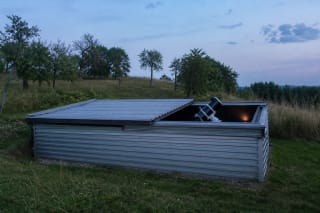
Molėtai Astronomical Observatory is Lithuania's professional astronomy site in Kulionys: a forested hill with telescope domes, scientific observations, and the more public ethnocosmology route nearby.

The Money Museum in Vilnius is the Bank of Lithuania museum on Totorių Street, where five halls present the history of money, banking, numismatics, and finance from barter to modern payments.

Mosėdis Stone Museum, officially the Republican Vaclovas Intas Stone Museum, is a unique geology and landscape site where boulders collected by physician Vaclovas Intas turned the town into a stone park.

The Museum of Applied Arts and Design is housed in the restored Old Arsenal Palace of Vilnius Lower Castle, beside Gediminas Hill. It is a branch of the Lithuanian National Museum of Art, hosting applied arts and design exhibitions, while the building itself preserves authentic sixteenth-century arsenal walls.

The Museum of Freedom Fights and Deportation History in Priekulė tells the story of postwar partisan war and Stalinist deportations. It is installed in the building that served in 1945-1953 as a Soviet security headquarters and detention site, with a reconstructed cellar prison cell, an authentic deportation wagon, and a rebuilt partisan bunker in the yard. It is a branch of Gargždai Area Museum.

The Museum of Lithuanian Jewish Culture and Identity on Pylimo Street is the newest and largest branch of the Vilna Gaon Museum, presenting Litvak religion, languages, shtetl life, art, and identity stories across four floors.

The Museum of Occupations and Freedom Fights in Vilnius operates in the former Soviet security and KGB building on Aukų Street, where exhibitions, documents, and the surviving internal prison tell the story of occupations, repression, and Lithuania's freedom struggles.

The Museum of the Samogitian Diocese operates in the 1770 Samogitian priest seminary building in Varniai; it is a branch of Žemaičių Museum Alka and presents diocesan history, sacred heritage reaching the 15th-16th centuries, and Lithuania's largest ringing bells.

Mykolas Žilinskas Art Gallery is a branch of the National M. K. Čiurlionis Museum of Art on Nepriklausomybės Square in Kaunas, known for Western European art donated by collector Mykolas Žilinskas and for its striking 1989 postmodernist building with the nude male sculpture Human. At the time of research, the gallery was closed for reconstruction.

Nalšia Museum in Švenčionys is the local-history museum of the old Nalšia land, holding more than 60,000 exhibits from Stone Age Kretuonas settlements to the archive of the Tiger partisan detachment. Founded in 1945 as Švenčionys Local History Museum and renamed Nalšia Museum in 1992, it also has a Reškutėnai branch continuing living craft traditions.

The National Gallery of Art is an LNDM branch in the 1980 former revolution museum building on Konstitucijos Avenue, presenting a collection of more than 46,000 works of twentieth- and twenty-first-century Lithuanian and diaspora art, temporary exhibitions, and cultural events.

National Kaunas Drama Theatre on Laisvės alėja is the first professional permanent Lithuanian drama theatre, founded in 1920 in the then temporary capital. Over a century it became a cradle of modern Lithuanian directing, from Dauguvietis and M. Chekhov to Soviet-period risk-takers Jurašas and Vaitkus.

The National M. K. Čiurlionis Museum of Art in Kaunas is Lithuania's largest state art museum and the most important place to understand M. K. Čiurlionis' work. Its history begins with the 1921 Čiurlionis Gallery law, while the present museum complex grew from the Vytautas the Great Museum built in 1930-1936.

Nida Art Colony is a Vilnius Academy of Arts unit in Nida, operating as a space for contemporary art residencies, exhibitions, education, research, and meetings on the Curonian Spit. Opened in 2011, the colony continues the Nida painters' tradition that formed around Hermann Blode's guesthouse in the late nineteenth century, and it has produced three Lithuanian pavilions at the Venice Biennale.

Nida Fisherman's Ethnographic Homestead is a Curonian Spit fisherman's house complex built by local craftsmen in 1927 on the Curonian Lagoon shore, in the former village of Haken. A branch of Neringa Museums, its display recreates the household life of a fisherman's family in the late nineteenth and early twentieth centuries, the lagoon-side fisherman's-house architecture, everyday objects, and the rhythm of life by the water.

The Obeliai Freedom Fights History Museum tells the story of the partisan war and deportations in north-eastern Lithuania. It grew from a collection secretly preserved for decades by partisan Andrius Dručkus, now numbering more than 12,000 exhibits, with a partisan bunker in the museum yard. It is a branch of the Rokiškis Regional Museum.

Orvidai Homestead in Gargždelė is one of Lithuania's most unusual museum spaces: the environment created by Vilius Orvidas and the Orvidas family joins stones, wooden crosses, religious signs, Soviet-era nonconformism, and rough Samogitian creativity.

Paberžė is one of central Lithuania's most sensitive memory places: since 1993 the 1863 Uprising Museum has operated in a 1793 manor house; priest Antanas Mackevičius served here and launched the uprising, and the wooden church, cemetery, and legacy of Tėvas Stanislovas, who made Paberžė famous in 1966-2005, shape the place today.

Palanga Resort Museum operates in Villa Anapilis, a Tiškevičiai villa dated to about 1898 and listed in the Cultural Heritage Register under code 1290. Founded in 2013, the museum preserves archaeology, art, photography, history, and manuscript collections and explains how Palanga became a resort.

Palanga Sculpture Park is an outdoor sculpture space founded in 1982 at the junction of Vytauto and J. Simpsonas streets. The park, reconstructed in 2008, displays 28 sculptures from the collections of the Lithuanian Art Museum, including works by leading Lithuanian sculptors and figures by V. K. Jonynas made in exile. It is a convenient cultural stop in the resort centre.

Panevėžys Narrow-Gauge Railway Station and Depot is the administrative and technical heart of the Siaurukas, Europe's longest operating 750 mm narrow-gauge railway. It includes the 1938-1939 red-brick depot, rare KP4-708 steam locomotive, wooden carriages, rail trolleys, and retro train journeys from Panevėžys.

Panevėžys Regional Museum on Vasario 16-osios Street is a city and regional history centre founded in 1925, holding more than 120,000 exhibits, presenting the Dialogues of Epochs exhibition, and operating across several historic buildings.

The Potato Museum is Lithuania's first and only museum dedicated to the potato. It was founded in 2019 in Kudirkos Naumiestis, in the former town pumping station, by agronomist Jonas Valaitis. Across three floors it presents potato history and cultivation, old farm implements, a collection of about 300 horseshoes, Colorado potato beetles, a viewing platform, and potato-variety tastings in the cellar. A wooden monument to the potato stands in the yard.

Povilas Višinskis Birthplace in Ušnėnai is a reed-roofed Samogitian homestead where the national-revival organiser, critic, and publicist Povilas Višinskis was born in 1875. He encouraged Žemaitė, Šatrijos Ragana, and Lazdynų Pelėda to write; the museum also tells the story of nearby neighbour Žemaitė.

Pranas Domšaitis Gallery in Klaipėda is a branch of the Lithuanian National Museum of Art in four late-nineteenth- to early-twentieth-century buildings on Liepų Street; it holds the world's largest collection of Expressionist Pranas Domšaitis' work, 665 pieces.

Priekulė Ieva Simonaitytė Memorial Museum presents the writer regarded as the most important Lithuanian prose chronicler of life in Lithuania Minor. Her summer house preserves an authentic setting, personal library, and first editions of all her books.

The Radio and Television Museum in Šiauliai presents the history of sound and image technology in one building: about 5,000 music boxes, phonographs, gramophones, radio receivers, and television sets from the late nineteenth century to the present. It is located in the city where Lithuania's only television factory operated, so some exhibits were made in Šiauliai. The museum is a branch of the Šiauliai Aušra Museum.

Radvila Palace Museum of Art operates in the Jonušas Radvila palace complex at Vilniaus g. 24: in the remains of a U-shaped Renaissance palace begun in 1646 to a design by Jonas Ulrich, the Lithuanian National Museum of Art has since 1990 combined old European art collections with contemporary exhibitions.

Rietavas Oginskiai Cultural History Museum operates in the former Rietavas manor music-school building and tells the story of Oginskiai rule, manor culture, music, technical innovations, and the first Lithuanian power station built here in 1892.

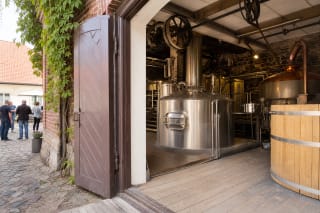
Rinkuškiai Brewery in Biržai is a family brewery in the region often called Lithuania's beer capital. Visitors can see production, view the old tubs and equipment of brewer Jonas Čygas in a museum described as Lithuania's only beer museum, and taste beer made in a home-brewing tradition. The Alaus kelias restaurant operates next door.

Romuva Cinema on Laisvės alėja is a Kaunas modernism site built in 1940 that has kept its cinema function to this day. Its setback from the street, small public forecourt, glass tower, and oval auditorium logic make Romuva one of Lithuania's clearest surviving traces of interwar cinema culture.

Rumšiškės Open-Air Museum, now officially the Lithuanian Ethnography Museum, is a huge open-air museum beside Kauno Marios where relocated homesteads, a town area, crafts, and regional architecture reveal the scale of Lithuanian rural life.

Rūta Chocolate Museum in Šiauliai occupies a historic interwar factory building and, according to the company, is the only chocolate museum in Lithuania. Visitors can follow 4,000 years of chocolate history, see an almost thousand-year-old Maya cup, and become chocolate makers themselves. Rūta, founded in 1913, is Lithuania's oldest operating confectionery company.

The Samuel Bak Museum at Naugarduko g. 10 opened in 2017 as the first museum in the world dedicated solely to Samuel Bak, presenting the Vilnius-born artist's path from childhood drawings in the Vilnius Ghetto to later canvases about memory, loss, and survival.

Science Island in Kaunas is Lithuania's first science and innovation popularization centre, located on Nemunas Island. The building by SMAR Architecture Studio, marked by a 27 m-diameter disk, contains the Human. Nature. Machine exhibition with 140 interactive exhibits, a planetarium, and 4 STEAM laboratories.

The Seaside Regional Park Visitor Centre in Karklė is the best place to begin exploring the park. It explains the meeting of sea and land, Karklė's coastal ecosystem, and natural and cultural sites, while the exhibition greets visitors with an underwater-styled space holding the skeleton of a sunken ship and a 648 l aquarium modelling life in the Baltic nearshore by Karklė.

Ship-Museum M52 Sūduvis by the Danė quay lets visitors board a former Lindau-class mine countermeasure vessel: 47.1 m long, built in Germany in 1958 as M1071 Koblenz, transferred to the Lithuanian Naval Force in 1999, and made a museum exhibit in 2021.

Šiauliai Aušra Museum, founded in 1923 and named after the first Lithuanian newspaper Aušra, is one of Lithuania's oldest and largest museums. Its main history exhibition operates in the Aušros Alley Palace, while several well-known branches are grouped around it.

Šiauliai Bicycle Museum is Lithuania's only museum devoted to the bicycle. It tells both the development of bicycle design and the story of Šiauliai as Lithuania's bicycle-production centre. It operates as a branch of the Šiauliai Aušra Museum and is known for interactive displays.

Šiauliai Photography Museum, founded in 1973 through the initiative of photographer Antanas Dilys, is Lithuania's only specialized museum of photographic art and technology. It brings together a collection of almost 150,000 exhibits and valuables, exhibitions, educational activities, the Vitas Luckus Photography Centre, and a city-centre terrace.

Šiauliai Railway Museum is an approximately 13 ha open-air steam-locomotive display by the Šiauliai railway depot and a branch of the Lithuanian Railway Museum. Exhibits include narrow- and broad-gauge steam locomotives, draisines, and a deportation wagon, while the indoor exhibition explains Šiauliai as an important railway junction from 1871.

Šilavotas Davatkynas is a rare surviving davatkynas, where devout village women, called davatkėlės, settled in the late nineteenth century. They cared for the church, nursed the sick, and secretly taught children. Today their cottages and a trail of saint sculptures form a unique open-air ethnographic museum, a branch of the Prienai Regional Museum.

Skuodas Museum in the historic town manor site is a gateway to the Skuodas region: founded in 1991, it holds more than 20,000 exhibits, including Curonian finds from Apuolė, Klaišiai, and Klauseikiai, as well as ethnography and folk art.

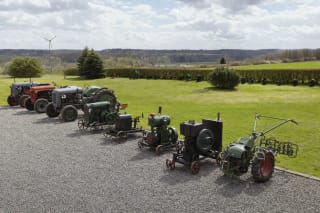
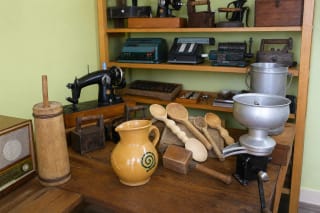
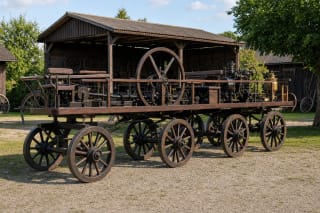
Smalininkai Museum of Ancient Technology by the Nemunas in Jurbarkas District preserves more than 7000 exhibits, from old tractors, engines, and locomobiles to radio, cinema, and household technology. Founded by Justinas Stonys in 2004, it presents 34 old production technologies and 19 crafts.

St Faustina's House in Antakalnis, at V. Grybo g. 29A, is the only surviving wooden building of the convent of the Sisters of Our Lady of Mercy, where St Faustina lived in 1929 and 1933-1936 and experienced revelations of Jesus. Restored in 2008, it includes a reconstructed probable cell of the saint.

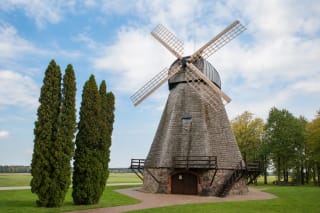
Stačiūnai Windmill in Pakruojis District is a wooden cap windmill built in 1890, notable for its decorated stone-masonry ground floor and the district's only internal cap-turning mechanism. It stopped operating in 1938, was later restored, and in 2006 received a milling and old household exhibition; today it is a community-maintained windmill-museum.

Stasys Museum in Panevėžys is a contemporary art museum opened in 2024 and dedicated to internationally known graphic artist, poster master, and poet Stasys Eidrigevičius. It displays his posters, graphic works, masks, and painting, and a roof terrace opens views over the city.

Subartonys Vincas Krėvė-Mickevičius Memorial Museum operates in the writer's birthplace homestead, opened in 1966, where the Dainava classic was born in 1882 and reburied in 1992. After a 2019-2020 renewal, the house returns V. Krėvė's writing about Dzūkija and its legends to a specific landscape.

Sugihara House in Kaunas is the former Japanese consulate site at Vaizganto g. 30, where diplomat Chiune Sugihara lived in 1939-1940. The memorial museum tells the story of the visas issued by Sugihara and Dutch consul Jan Zwartendijk, which opened a route for thousands of war refugees from Lithuania through the Soviet Union and Japan.

Tadas Ivanauskas Zoological Museum at Laisvės al. 106 in Kaunas is one of Lithuania's oldest museums and the country's largest zoological collection. Its history began in 1919 with the Nature Research Station, and today visitors find seven halls, about 17,000 displayed animal specimens, and collections holding more than 300,000 items.

Tadas Ivanauskas' Obelynė Homestead in Akademija near Kaunas is the naturalist's home, with his roughly 4 ha dendrological park, ginkgo and dawn redwoods, a heritage apple orchard, and the site of Lithuania's first fox farm. Today it is a memorial museum, a branch of Kaunas District Museum.

Tauragnai Regional Museum is a branch of the Utena Regional Museum in Tauragnai. It began in 1971 as a memorial museum for poet Teofilis Tilvytis and was reorganized around 2000 as a broader local-history museum. It presents the Tauragnai area from 1261 onward and stands near Lake Tauragnas, Lithuania's deepest lake, and Taurapilis Hillfort.

The Tauro District Partisans and Deportation Museum in Marijampolė tells the history of the 1945-1952 partisan war in Suvalkija and Soviet deportations. Founded in 1993, the museum displays partisan weapons, documents, and photographs, and includes a reconstructed NKVD and KGB interrogator's office and prison cell.

Telšiai Yeshiva, founded in 1875, became one of Eastern Europe's most important Talmudic study centres; Rabbi Eliezer Gordon modernized its teaching from 1884.

Thomas Mann Memorial Museum in Nida operates in the Nobel Prize laureate's summer house, built in 1930 on Mother-in-Law Hill, where the Mann family spent the summers of 1930-1932; it is one of the most visited museums in western Lithuania.

Utena Regional Museum is the main museum of the Utena area, housed in a historic merchant's building beside Utenio Square, where the first Utena municipality operated in 1918. Founded in 1929, it holds about 78,000 exhibits, presents regional history from the fifteenth century, and unites six branches across the district.

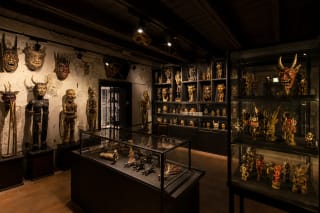
The Užgavėnės Mask Exhibition in the Plateliai manor stables is Lithuania's first museum exhibition dedicated to Užgavėnės. It holds more than 300 Samogitian masks, called lėčynos, and explains the living festival tradition with Lašininis, Kanapinis, and Morė in Žemaitija National Park.

Venclauskiai House-Museum in Šiauliai is a refined interwar urban house and a civic-memory site for the Venclauskiai family. The building designed by Karolis Reisonas preserves layers connected with Kazimieras Venclauskis, the first mayor of Šiauliai, more than 100 fostered children, authentic interiors, and the Orphans' Garden.

Viekšniai Biržiška Family Memorial Museum is housed in the recreated home of the famous Biržiška family near the Viekšniai church. Three professor brothers were born here: Mykolas, Vaclovas, and Viktoras Biržiška; Mykolas signed Lithuania's Act of Independence of February 16, 1918. The memorial exhibition belongs to Mažeikiai Museum, and the town library also operates in the house.

Viekšniai Pharmacy Museum is Lithuania's only rural-type pharmacy museum: an authentic pharmacy founded in 1860 in an eighteenth-century house, with the prescription room Oficina, the pharmacist's family apartment, a handwritten history of the pharmacy, and a restored medicinal-herb garden.

Vilnius Railway Museum, whose institutional history dates from 1966, operates in the passenger building of Vilnius railway station. Together with the outdoor Track Park, it tells the story of Lithuanian railways, stations, journeys, rolling stock, drivers' work, and railway technologies.

The Vincas Grybas Memorial Museum in Jurbarkas occupies the sculptor's authentic homestead with workshop, forge, and bathhouse; Grybas was one of Lithuania's major interwar monument makers and was executed by the Nazis in 1941.

The Vincas Kudirka Museum in Kudirkos Naumiestis, a branch of the National Museum of Lithuania in a 1998 building by architect A. Ambrasas, tells the story of Vincas Kudirka (1858-1899): physician, editor of Varpas, and author of Tautiška giesmė. It operates beside the town square with Kudirka's 1934 monument by V. Grybas.

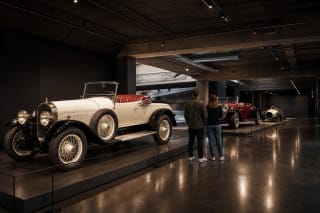
The Vintage Motorcycle Museum in Rapaliai village near Telšiai is Albinas Monstavičius' private collection at the Auksinis elnias homestead, displaying only working motorcycles made before 1945. It is often described as the largest museum of its kind in the Baltic states.

Vištytis Windmill is a wooden cap windmill built in 1925 by local resident Jonas Kanapkis on Ilgasis Hill. It is the only windmill in Lithuania to have preserved its full authentic technological equipment. Restored in 2019-2020 with recreated sails, it now functions as a small museum and viewing tower near Lake Vištytis and the Kaliningrad-Poland borderland.

The Vladas Statkevičius Museum in Šilalė is the local-history museum of the Šilalė area, presenting the town's history and the material and spiritual culture of Samogitians. It grew out of a local-history society branch founded in 1962 and in 2006 was named after teacher and local historian Vladas Statkevičius, whose collected material formed the museum's basis. Its collections hold more than 24,000 archaeological, historical, numismatic, and ethnographic exhibits.

Vytautas the Great War Museum in Kaunas is one of Lithuania's oldest museums, founded at the end of 1919 and opened on February 16, 1921. The present 1936 buildings, shared with the Čiurlionis Museum, the tower, and the memorial garden form one of interwar Kaunas' key state-memory ensembles.

The Vytautas Valiušis Ceramics Museum in Leliūnai, Utena District, is one of Lithuania's largest ceramics museums. Founded in 2001 by folk artist and ceramicist Vytautas Valiušis, it presents the development of Lithuanian pottery, black ceramics, and practical pottery-craft education.

The Wooden Urban Architecture Museum, now operating as the Wooden Architecture Centre, is set in a restored wooden house in Užupis and explains Vilnius wooden houses, crafts, heritage, and contemporary timber construction.

Žaliūkiai Miller's Homestead-Museum in Šiauliai preserves a Dutch-type windmill built around 1875-1880, a state-protected cultural heritage object, together with a reconstructed miller's house, ethnographic exposition, and living bread-baking and calendar-festival education.

The Zanavykai Museum is the regional ethnography and history museum of the Zanavykai, one of Suvalkija's subethnic groups. It is located in the Zypliai Manor homestead in Lukšiai. More than 50,000 exhibits tell the history of Zanavykija, rural crafts, and everyday life; the museum occupies two former manor farm buildings, the carriage house and the Crafts House opened in 2022. It is the main museum of the Šakiai region and is best visited together with Zypliai Manor itself.

Zarasai Regional Museum, founded in 1934 by teacher Stasys Jauniškis, is the district's main storehouse of history, ethnic culture, and regional studies. It holds more than 24,600 exhibits and includes a hall of folk religious sculpture, the M. Šileikis gallery, and three branches.

Žasliai Traditional Crafts Centre can be included in a Kaišiadorys-area crafts and education route, but during research no stable official centre page was found with confirmed address, opening hours, and prices. Before travelling, contact local cultural or municipal channels.

Žemaičių Museum "Alka" in Telšiai, founded in 1932 by Pranas Genys and the Alka society, is one of Samogitia's key museums: more than 155,000 exhibits, a 1938 museum palace, manor archives, and an 8.5 ha Samogitian village exhibition with žemaitukai horses.

The Žemaitė Memorial Museum is located at Bukantė Manor, the birthplace of classic Lithuanian writer Žemaitė. The restored homestead tells the story of her life and writing and also presents Samogitian folk art and sacred heritage.