Three studies of traditional houses →
Documented buildings, relationships between rooms and original explanatory diagrams distinguished from historic plans.

Lithuanian traditional architecture
Read English guides to Lithuanian vernacular architecture, from timber farmsteads and village layouts to roofs, granaries, saunas, mills, churches, and seaside fishing villages.
Choose a building or a feature of the yard to learn about its purpose, construction, and regional characteristics.
The architecture hub connects building types, timber construction, village layouts, roofs, farmstead spaces, and heritage care into one readable map of Lithuanian vernacular architecture.
Each page explains the building type or architectural element, regional context, construction logic, and cultural role.
Pirkia, troba, house interiors, and living-house details at the heart of rural life.
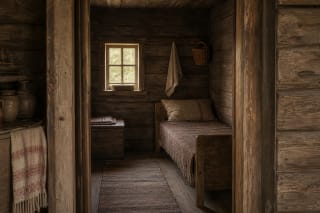
In a traditional Žemaitian troba, an alkierius was a small room often used for sleeping, guests, or stores.
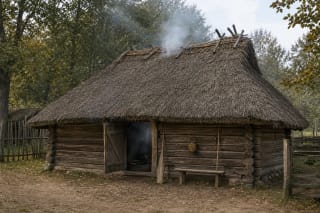
A dūminė pirkia is a traditional Lithuanian dwelling without a chimney.
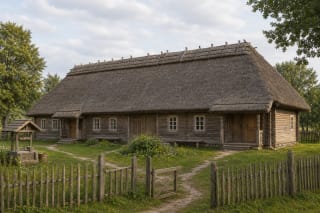
A dvigalė pirkia is a pirkia type that became more widespread in the nineteenth century, with the everyday family space, a priemenė with kamara, and a seklyčia…
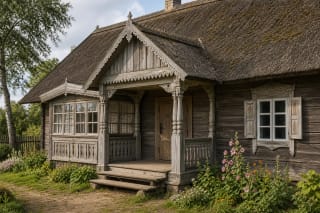
Gonkelės, porches, and verandas protected the entrance, decorated the facade, and created a transitional space between yard and house.
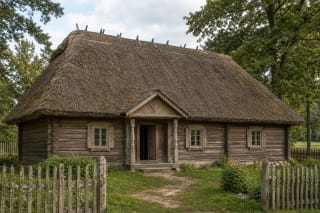
In Aukštaitija, gryčia can mean both a traditional living house and its most important everyday room.
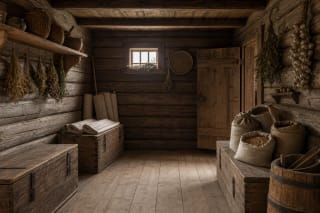
A kamara is an auxiliary room in a traditional house or svirnas, used for food, objects, clothing, hand mills, or sometimes sleeping.
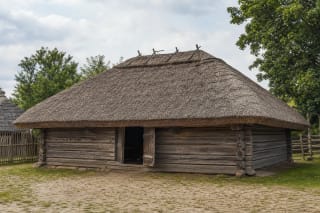
A numas is an old Žemaitian dwelling with an open hearth and smoke vents in the roof.
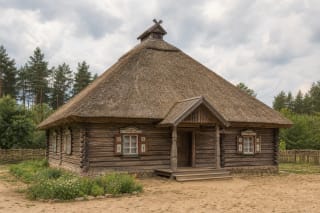
A pirkia is the traditional dwelling house of eastern and southern Aukštaitians, especially Dzūkija.
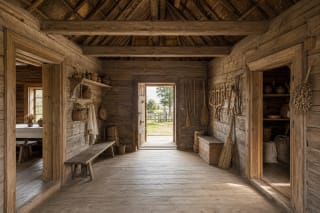
A priemenė is the room beside the outside door of a traditional house, connecting the yard with living spaces.
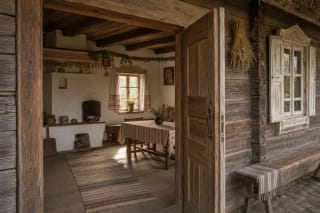
The seklyčia, or geroji troba in Žemaitija, was the cleaner, representative room of a traditional house.
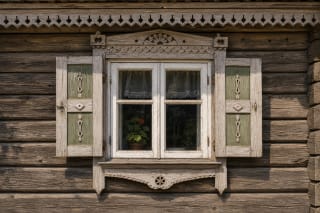
Shutters and window trims protected windows, organised the rhythm of the facade, and gave the traditional house a regional character.
The farmstead at Skirvytėlės Street 9 in Rusnė was described as a modestly renovated example intended to retain its colours and material character.
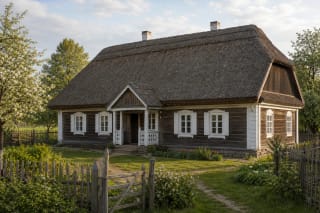
A stuba is the traditional dwelling house of Suvalkija, Sūduva, and Lithuania Minor.
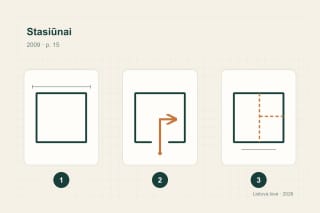
A study of one Stasiūnai house shows how to read change within a traditional dwelling.
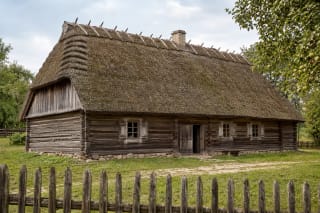
A troba is the traditional Žemaitian dwelling house, developed from the older numas into a complex room system.
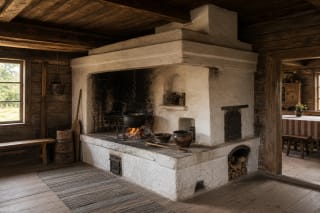
In the traditional troba, the virenė and chimney were the zone for fire, food preparation, smoke removal, and meat smoking.
Granaries, barns, cattle sheds, and food-storage buildings around the farmstead yard.

A daržinė was a building for storing fodder, hay, and other bulky farm supplies.
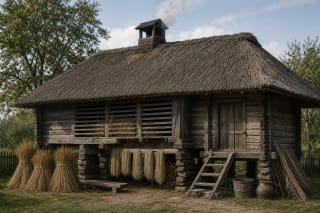
A jauja or rėja was a tight drying room or building for grain, later also for flax and hemp.
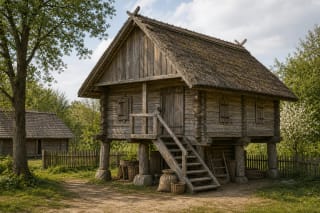
A klėtis or svirnas was one of the most important farm buildings of the traditional farmstead.
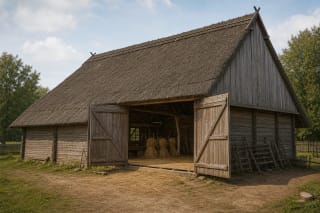
A kluonas or klojimas was a building for stacking, drying, and threshing grain.
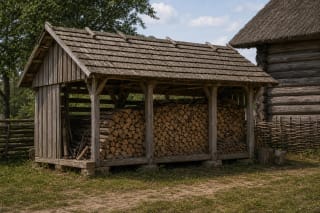
A malkinė was a simple but necessary farmstead building or shelter for storing firewood.
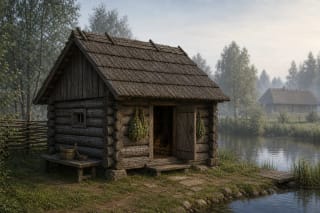
In the traditional farmstead, the pirtis was a place for bathing, steam, cleanliness, and sometimes healing or ritual acts.
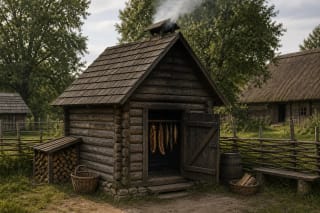
A rūkykla was a building, room, or special structure for smoking meat and fish.
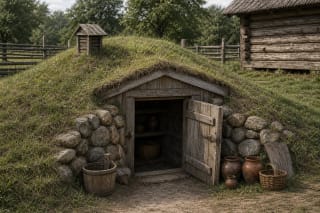
In the traditional homestead, a rūsys was a cool food store built underground or partly underground.
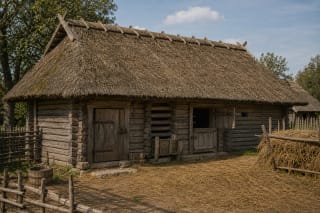
The tvartas, kūtė, or gurbas was the livestock building, and its form depended on region, herd size, and homestead plan.
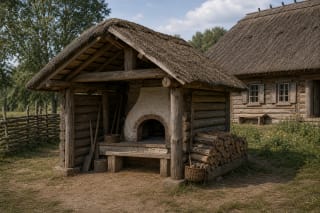
An ubladė is a small Žemaitian wooden building with a bread oven.
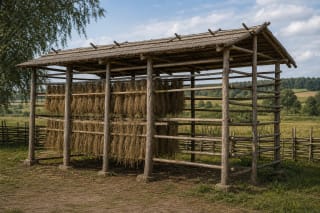
A žardinė is an auxiliary traditional-homestead building or structure associated with flax farming.
Mills, forges, sawmills, wool-carding workshops, oil presses and brickworks.
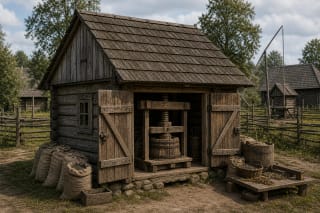
An aliejinė was a building or workshop for pressing oil from flaxseed, hemp, poppy seed, rapeseed, or other seeds.
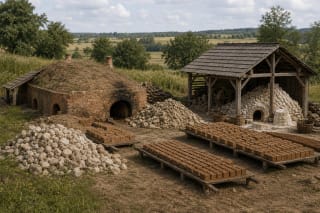
A plytinė and kalkinė were building-material production sites: one fired bricks, the other burned lime for masonry and plaster.
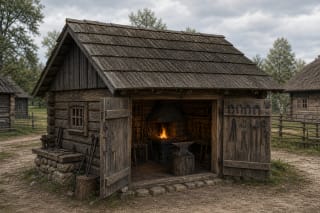
A kalvė was a village or small-town metalworking workshop where the blacksmith repaired and made implements, horseshoes, nails, fittings, and other iron…
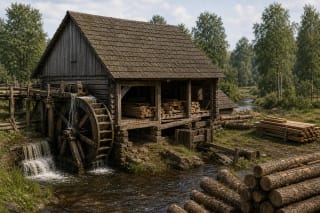
A lentpjūvė was a building or installation for sawing logs into boards, beams, and blanks.
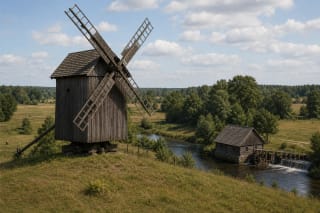
Traditional mills were centers of grain milling, water or wind power, and rural technology.
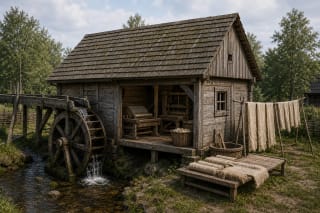
A karšykla and milo vėlykla were textile-processing workshops, often connected with mills and small-town production.
Roof forms, coverings, log construction, foundations, timber structures, and ornament.
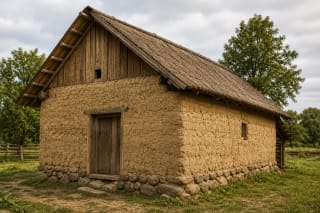
Clay building in Lithuania mattered where timber was scarce or suitable clay was available.

The roof form of a traditional building helps identify region, period, and construction.
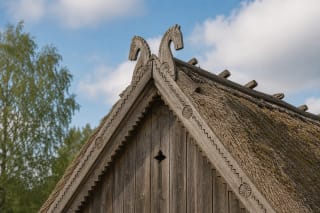
Lėkiai, also known as roof horse heads, are ornaments of roof ends and ridges, often formed from the ends of wind boards.
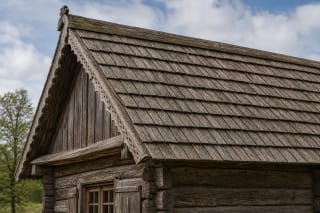
Malksnos, skiedros, and gontai are traditional wooden roof coverings.

The pėdinė roof structure is an archaic system in which the roof is held by vertical posts called pėdžios, set into the ground or supported on a base.
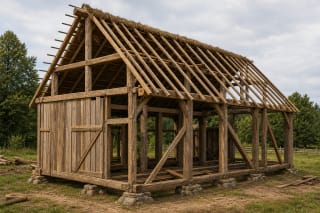
Post and frame construction relies on load-bearing posts, šulai, or a frame, while wall spaces are filled with boards, brushwood, clay, or other materials.
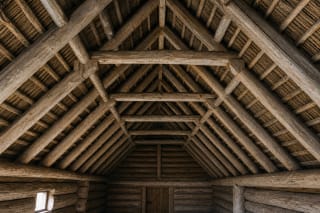
Rafter roof construction is based on paired rafters joined at the top, forming the roof slopes and carrying the battens and covering.
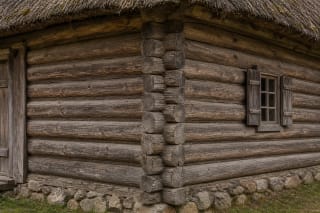
Rentininė statyba is the traditional log-wall technique in which wall logs are laid in horizontal courses and joined at the corners.
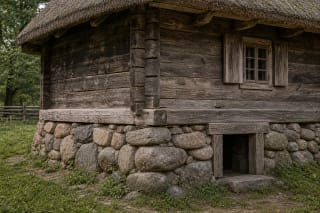
Stone foundations and fieldstone protected wooden buildings from moisture and gave them a firmer base.

Thatch and reed roofs were the main traditional plant-based roof coverings.

Windboards, cornices, and openwork carving protected roof and wall edges while also decorating the wooden house.
Village plans, farmstead surroundings, manors, and wider wooden heritage.
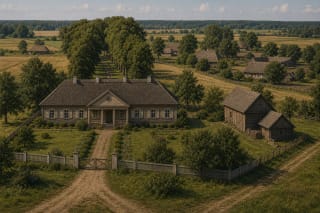
A bajorkaimis is a settlement of petty nobles, or szlachta, often with a looser plan and distinctive landholding.
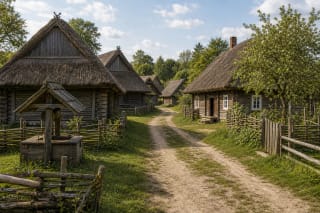
Ethnographic villages in Lithuania preserve traditional settlement plans, wooden farmsteads, traces of strip-field landholding, regional buildings, and…
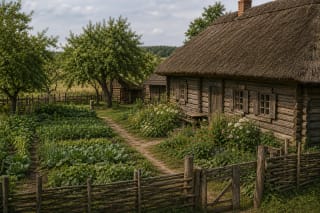
The garden, flower bed, and homestead plantings were inseparable from traditional homestead architecture.

Homestead fences and gates separated the clean yard, farm zone, vegetable gardens, orchard, livestock paths, and public street space.
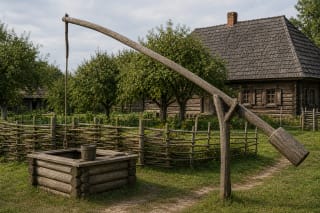
The homestead well was the center of water supply and an important yard element.
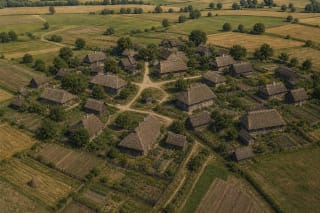
A kupetinis kaimas is an old settlement type in which farmsteads are grouped freely, without one clear street axis.
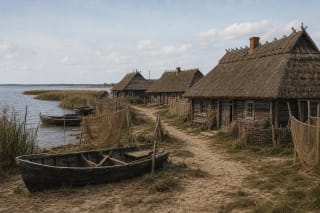
Lagoon and fishing villages formed beside the Curonian Lagoon, the Nemunas Delta, rivers, and the seacoast.
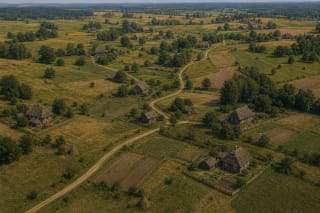
A padrikasis kaimas is an irregular-plan settlement where farmsteads were built freely, without a clear street or strip-field system.
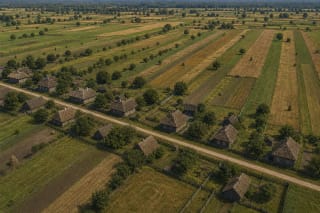
A rėžinis kaimas is a settlement whose homesteads and fields are tied to long strips of land.

Sodžius is an old term for a village settlement and a historical settlement type connected with irregular laukininkai communities.
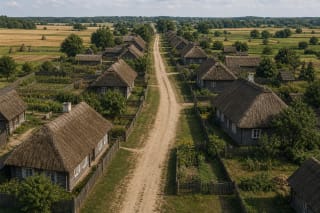
A gatvinis kaimas is a rural settlement where farmsteads line one main street.
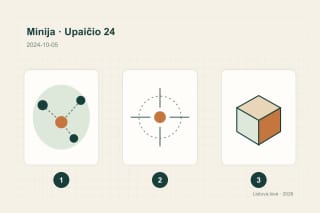
A farmstead at Upaičio Street 24 in Minija was described in 2024 as renewed while retaining building positions.
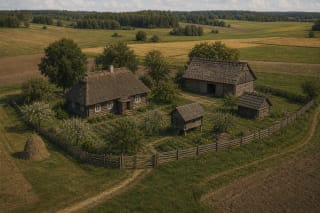
A vienkiemis or viensėdis is a separate homestead with a land plot, set away from a dense village.
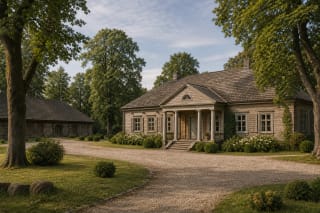
Wooden manor homesteads join wooden manor houses, parks, representative yards, working buildings, and the local landscape.
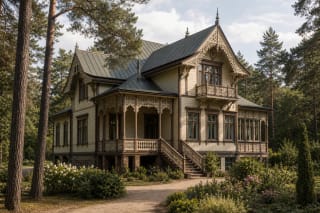
Wooden resort architecture includes villas, summer houses, kurhauses, treatment buildings, and leisure buildings in Palanga, Druskininkai, Birštonas,…
Wooden churches, chapels, bell towers, crosses and memorial forms.
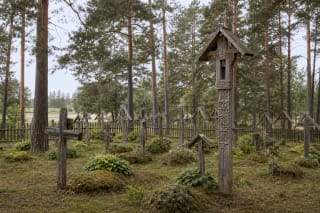
Cemetery and memorial architecture includes cemetery plans, fences, gates, chapels, crosses, krikštai, chapel-posts, roofed posts, and grave monuments.
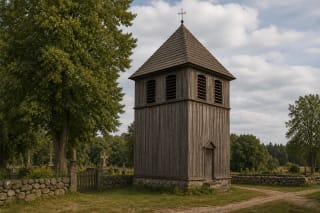
Wooden bell towers are separate or church-related structures for bells, often standing in the churchyard.
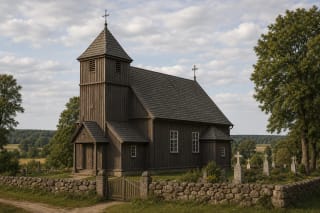
Wooden churches are one of the most important parts of Lithuania's wooden sacred architecture.
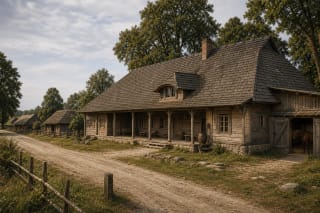
Smuklės and karčemos were buildings for roads, markets, food, drink, lodging, and horse care.
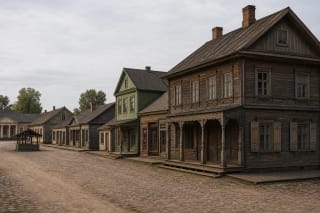
Wooden small-town architecture includes commercial, residential, inn, tavern, rectory, and other wooden buildings that shaped Lithuania's provincial towns.
Practical guides to identify building types, regional features, and construction terms.
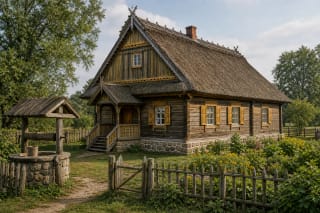
A traditional Lithuanian building is recognized not by one detail but by a whole set of features: local materials, log or frame construction, a high roof,…
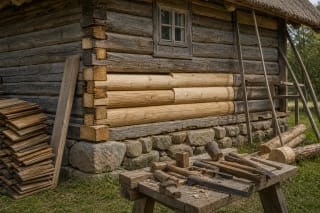
Wooden heritage care begins with recognising value, controlling moisture, and protecting the roof, foundations, rainwater drainage, and authentic details.
Documented buildings, relationships between rooms and original explanatory diagrams distinguished from historic plans.