
Travel spots in Lithuania
Castles and manors in Lithuania
From Trakai Island Castle to classicist manor houses, these pages tell the story of state power, noble families, and manor culture.
Search covers all 104 places in this category.
This category on the map →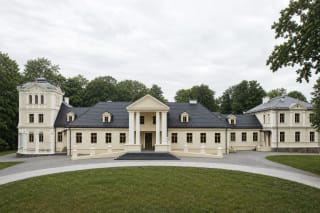
Abromiškės Manor is an estate of regional significance near Elektrėnai, where masonry wings and a tower of three storeys were added to an older timber palace in…
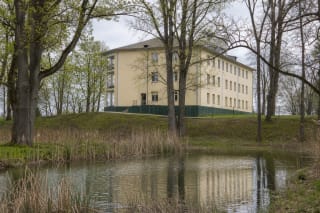
Adakavas Manor near Skaudvilė in Tauragė District is an 18th-19th-century manor-and-church ensemble whose palace is encircled by a chain of eight interconnected…
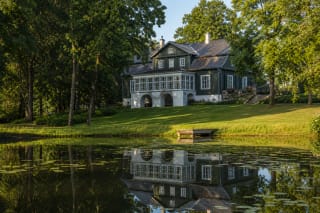
Adomynė Manor in Kupiškis District is a rare surviving wooden vernacular Classicist manor with authentic interiors: tile stoves, ornamented parquet, and painted…
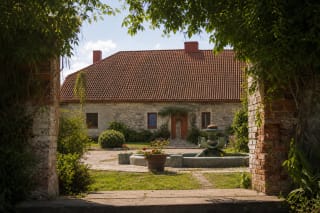
Akmenėliai Manor Farmstead is a private historic compound by the Kruoja, where a modest masonry building and tree-filled courtyard hold cultural displays…
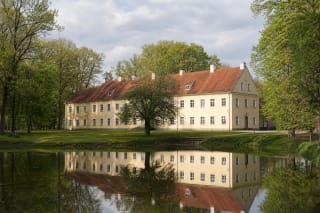
Akmeniai Manor in Kėdainiai District is not a surviving representative palace: the core of the private property is a former estate office.
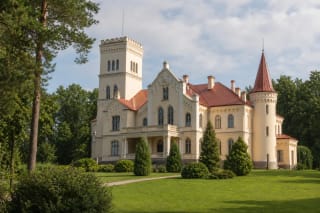
Alanta Manor in Molėtai District is a nineteenth-century Neo-Romantic manor estate now operating as a museum-gallery, with manor history, the Vaidotas Žukas…
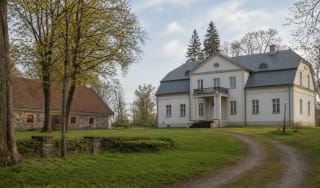
Antašava Manor in Kupiškis District is a regional-significance Classicist manor estate by the Pyvesa.
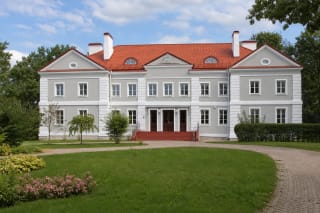
Antazavė Manor is a restored late-eighteenth-century Plater palace on the north shore of Lake Zalvė, now home to a traditional craft centre, an Emilija…
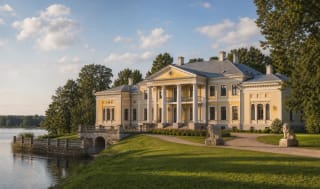
Astravas Manor in Biržai is one of Lithuania's clearest nineteenth-century Romantic manor estates: an Italian-villa-like Tiškevičiai palace built in stages in…
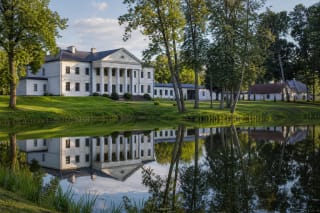
Aštrioji Kirsna Manor in Lazdijai District is one of the largest surviving Užnemunė manor ensembles, with about twenty buildings around enclosed yards and a…
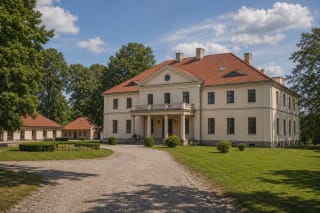
Babtynas-Žemaitkiemis Manor by the Nevėžis in Kaunas District is a manor site reaching back to the sixteenth century, later owned by the Prozorai, Tiškevičiai,…
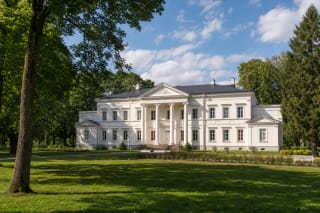
Baisogala Manor beside the Kiršinas is one of central Lithuania's strongest manor ensembles: Komarai noble-family palace with a rotunda and dome, Romantic…
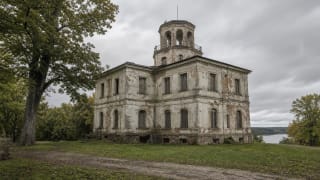
Belvederis Manor above the Nemunas near Seredžius is a Neo-Renaissance Tuscan-villa type residence, built around 1830 by Kletas Burba, with a viewing turret, 7…
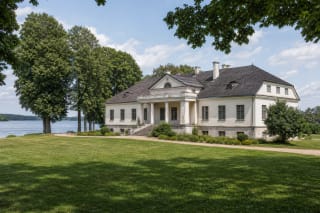
Bikuškis Manor stands on a peninsula on the shore of Lake Alaušas, near Sudeikiai in Utena District.
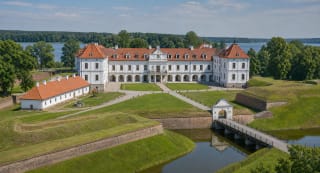
Biržai Castle is the Radziwiłł bastion-fortress complex beside Lake Širvėna, with reconstructed palace buildings, the Sėla museum, and a visible system of…
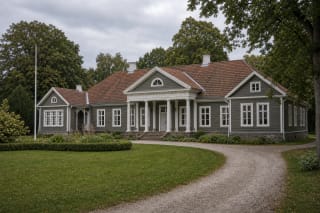
Biržuvėnai Manor Estate in Telšiai District is one of the most valuable wooden Samogitian manors, linking a place name known from 1253, the Gorskiai family from…
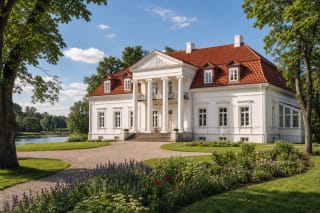
Bistrampolis Manor in Panevėžys District is the Bistram family estate, with a nineteenth-century Classicist palace, park, ponds, museum spaces, cultural events,…
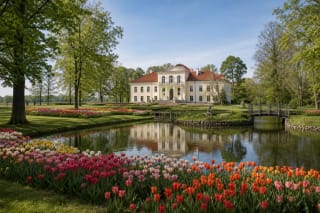
Burbiškis Manor in Radviliškis District is a manor of parks and water composition: palace, ponds, islands, bridges, Ulianskis sculptures, Baženskis family…
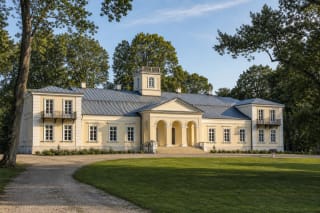
Burbiškis Manor in Anykščiai District is a restored Romantic Classicist estate completed in 1853 in the Anykšta valley, about 7 kilometres east of Anykščiai.
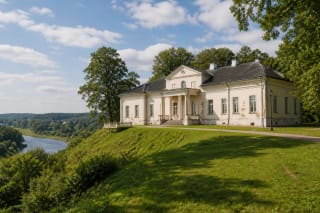
Čiobiškis Manor stands on a high bluff by the Neris and Musė confluence.
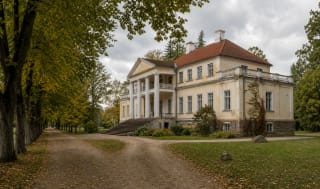
Cirkliškis Manor in Švenčionys District is a nationally significant late Classicist manor estate: the 1826 Mostovskiai palace with a six-Doric-column portico,…
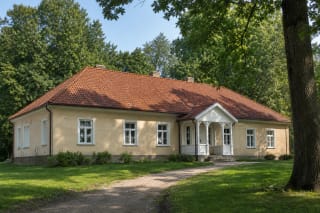
Dapkiškės Manor in Alytus District is the birthplace of Simonas Konarskis, born here in 1808 and later active in the 1831 uprising.
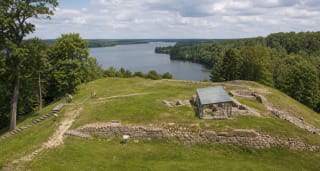
Dubingiai Castle Site, known as Castle Hill, is one of the key Radziwiłł and Vytautas-era sites in Lithuania.
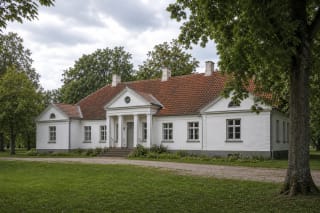
Džiuginėnai Manor near Telšiai is a wooden Samogitian manor estate where writer Žemaitė served in 1864-1866 and met her future husband.
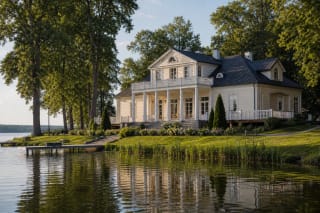
Gačionys Manor by a lake in Rokiškis District is a well-preserved wooden Neoclassical manor long owned by the Rosen family.
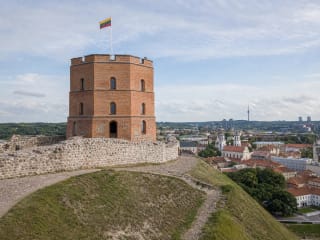
Gediminas Castle Tower on Castle Hill is the last strong visible sign of Vilnius Upper Castle and one of the best places to understand the capital from above.
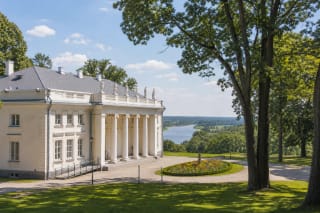
Gelgaudiškis Manor (Cultural Heritage Register code 1013) is one of the most appealing manors in Panemunių Regional Park: the 1846 Neoclassical palace with an…
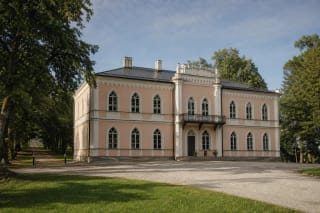
Glitiškės Manor Estate is a historic ensemble beside Lake Širvys whose core includes a late-nineteenth-century Neo-Gothic palace, park, lime avenue, and service…
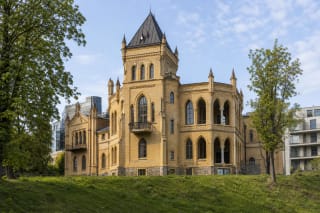
Hilarijus Raduškevičius Palace near the Green Bridge is a late-nineteenth-century urban residence nicknamed the little castle for its Neo-Gothic silhouette.
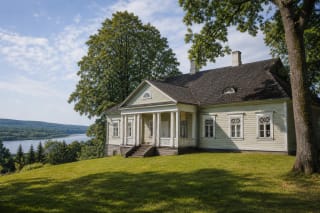
Ilguva Manor stands on the Nemunas bank in Šakiai District, within Panemunių Regional Park.
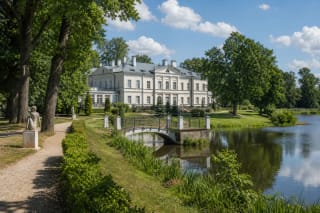
Ilzenbergas Manor in Rokiškis District is a restored manor estate between Lakes Ilgis and Apvalasas, where a park-museum, Love Island, sculptures, old oaks, and…
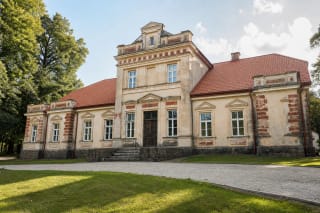
Jakiškiai Manor is a nineteenth-century historic estate built in 1898 near Joniškis.
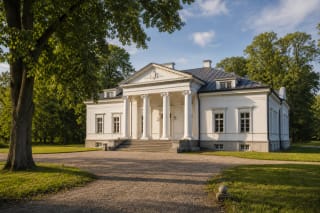
Jašiūnai Manor is a late-classical palace connected with the Baliński and Śniadecki cultural circle, bringing together Karol Podczaszyński's architecture,…
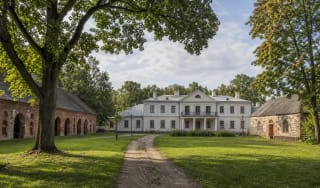
Joniškėlis Manor is the nationally significant Karpis family manor estate complex in Pasvalys District.
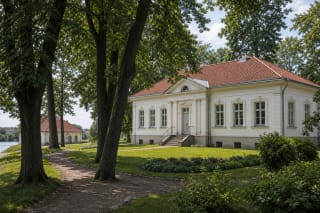
Jurbarkas Manor is visited through two mid-nineteenth-century late Classicist service wings, a workers' house, former Orthodox church, and mixed-plan park; the…
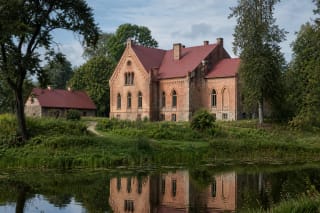
Kamariškiai Manor near Kamariškiai village is a historic manor-house and park ensemble first recorded in written sources in 1583.
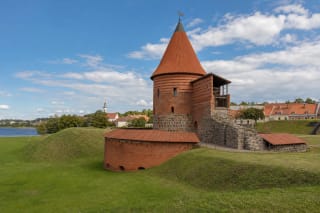
Kaunas Castle at the Nemunas and Neris confluence is one of Lithuania's oldest brick castles and the clearest sign of medieval Kaunas' defensive role.
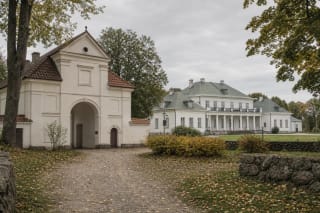
Kelmė Manor is one of the important manor-heritage sites of Samogitia: held by the Gruževskis family from 1591 to 1940, with masonry palace, gate building,…
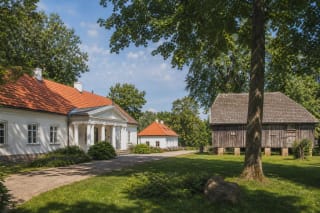
Kiduliai Manor on the left bank of the Nemunas opposite Jurbarkas brings together the history of a royal village mentioned in 1559, the rule of the Kiršenštein…
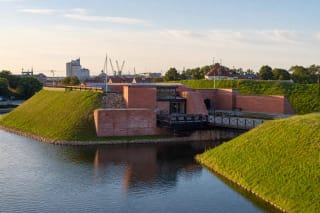
The Klaipėda castle site is where the story of Memel and Klaipėda begins: a castle was built here in 1252, and today the bastions, posterns, and restored…
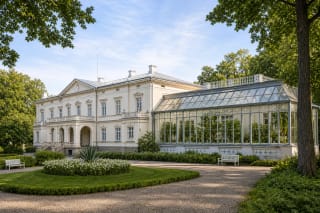
Kretinga Manor and Winter Garden is one of Samogitia's most convenient manor routes: the Tiškevičiai palace with a 16 m high orangery, 693 sq m winter garden…
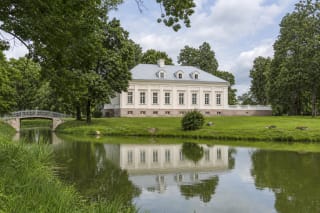
Krikštėnai Manor is not a public country-house museum.
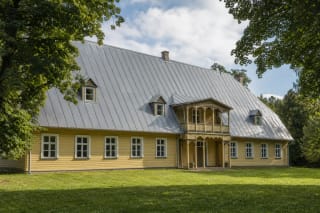
The heart of Kuršėnai Manor Estate is the timber Gruževskis residence built by Prussian craftsmen in 1811-1812, distinguished by a high grey roof, dormer…
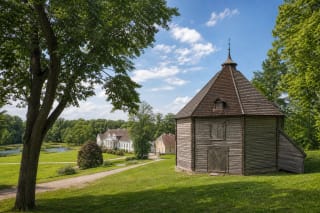
Kurtuvėnai Manor Homestead is one of the oldest manor sites in Samogitia, known from the fifteenth century.
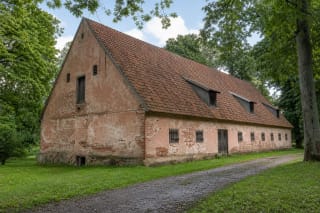
Kvietiškis Manor Estate is not a single palace surviving from 1717.
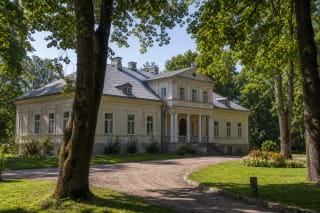
Leipalingis Manor is a Classical Dzūkija manor estate, KVR code 265, whose palace was probably designed in the late eighteenth or early nineteenth century with…
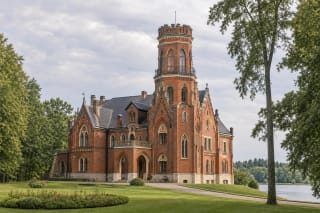
Lentvaris Manor in Trakai district is known for two things: the Neo-Gothic Tyszkiewicz palace and one of Lithuania's most important romantic parks, designed in…
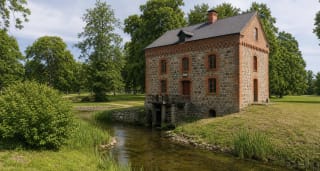
Liubavas Manor by the Žalesa River is one of the oldest Vilnius-region manors, now best known for its restored 1902 stone watermill museum, where century-old…
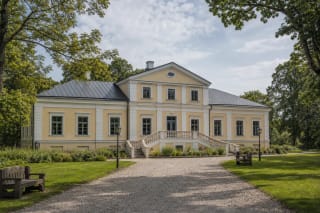
Maišiagala Manor, also known as Houvalt Manor, is a restored Classical residence built in 1806-1812 beside Maišiagala Hillfort.
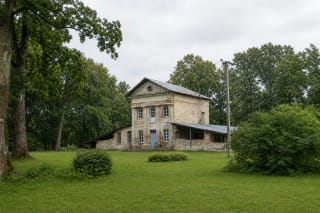
Mantagailiškis Manor in Mantagailiškis village, Biržai District, is a fragment of a nineteenth-century Classical estate with an archaeologically important…
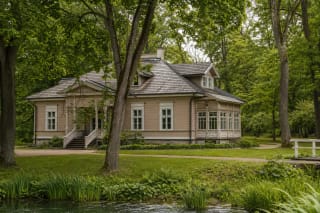
Markučiai Manor in Vilnius is a wooden manor residence built in 1867, with an authentic nineteenth-century interior, park, ponds, St Barbara Chapel, and a newly…
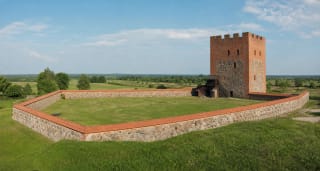
Medininkai Castle is the largest masonry enclosure castle by area in the Grand Duchy of Lithuania: nearly 570 m of walls surround a quadrangular courtyard, and…
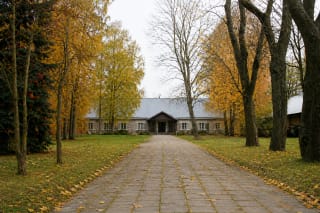
Naisiai Manor is a surviving estate at 9 Plento Street in Naisiai, where a literature museum dedicated to poet Zigmas Gaidamavičius-Gėlė opened in the former…
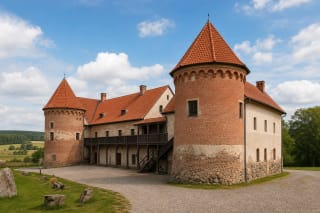
Norviliškės Castle is the visitor-friendly name for the former Norviliškės folwark and Franciscan monastery complex in the Dieveniškės loop, where the Szorc…
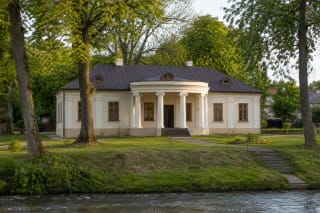
Okuličiūtė Manor House is a small first-half-of-the-19th-century neoclassical building in central Anykščiai, beside the Šventoji River.
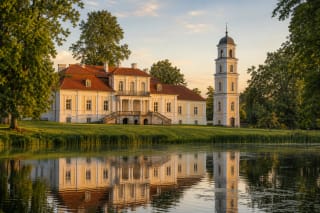
Paežeriai Manor by Lake Paežeriai is one of Suvalkija's most distinctive manor ensembles, associated with a late eighteenth-century palace, Martynas Knakfusas'…
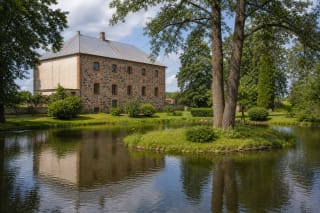
Pajūris Manor is an old estate in Pajūris town, Šilalė District, on the left bank of the Jūra River.
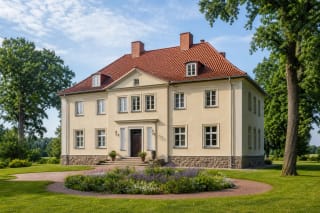
Pakėvis Manor has been known since the seventeenth century and appears in Beržėnai rural-district records in 1685.
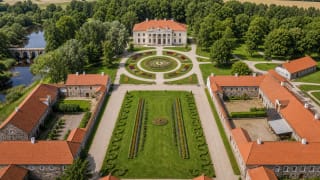
Pakruojis Manor is the largest surviving manor-building complex in Lithuania, joining a late Classicist palace, farm ensemble, park, Kruoja bridge, and…
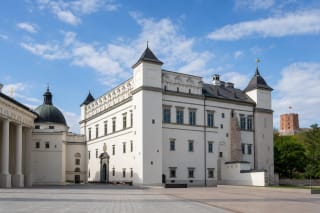
The Palace of the Grand Dukes of Lithuania in Vilnius is a restored historic residence in the Lower Castle territory, where archaeological foundations,…
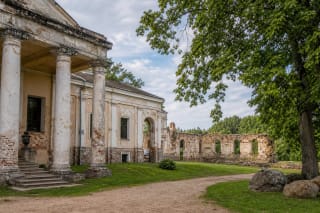
Palėvenė, or Komarai, Manor stands beside the Lėvuo River in Kupiškis District.
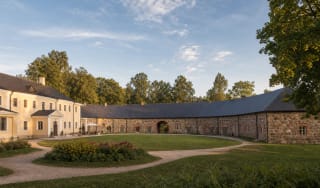
Paliesius Manor in Ignalina District is a restored manor estate of regional significance, with surviving manor buildings, a unique horseshoe-plan stone stable…
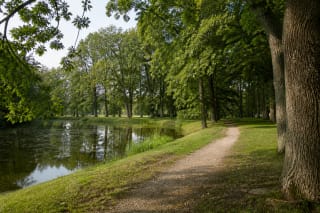
Pandėlio Manor Park in Pandėlys is the surviving part of a former manor estate: roughly 5.4 hectares of park with maple and lime avenues, old oaks, a pond, and…
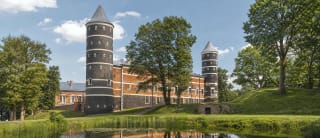
Panemunė Castle is one of Lithuania's best-preserved Renaissance residential castles, set on the Nemunas road with a historic park, ponds, and museum activity.
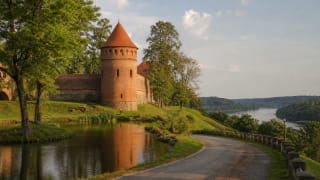
The Panemunė Castles Route links the 10,162 ha Panemunių Regional Park's lower Nemunas valley castles, manors, parks, and hillforts, from seventeenth-century…
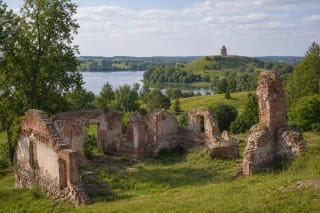
Pavandenė Manor in Varniai Regional Park preserves red-brick manor remains by Lake Gludas and a restored Sakeliai mausoleum-columbarium on nearby Sklepkalnis…
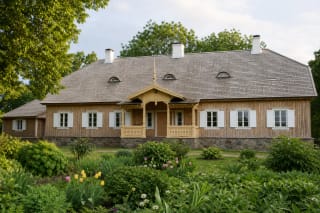
Pavirvytė Manor in Mažeikiai district is not an ornate masonry palace but a restored, angled timber owner's house with a half-hipped shingle roof, carved porch,…
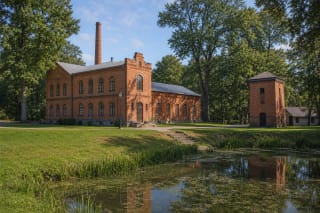
Pienionys Manor in Anykščiai District was known for one of Lithuania's most beautiful wooden Classical manor houses.
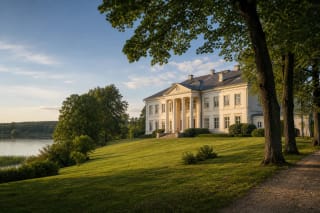
Plinkšiai Manor on Lake Plinkšiai in Mažeikiai District is one of the more valuable Historicist manor estates in Samogitia.
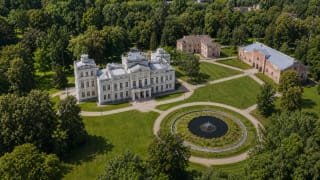
Plungė Oginski Manor is one of Samogitia's strongest manor ensembles: a Neo-Renaissance palace, two service wings, a Neo-Gothic stable, clocktower-orangerie,…
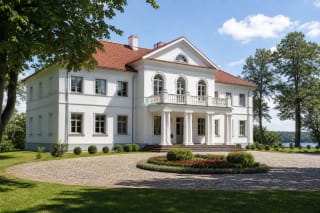
President Antanas Smetona's Užugiris Manor beside Lake Lėnas in Ukmergė District was a gift from the Lithuanian Nationalist Union to Lithuania's first…
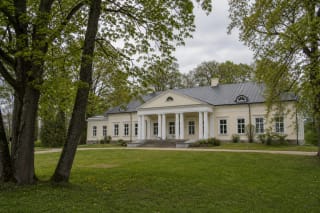
Raguvėlė Manor by the Juosta River in Anykščiai District is one of Lithuania's largest and most coherently preserved manor estates.
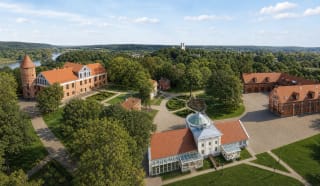
Raudondvaris Manor by the Nevėžis is one of Lithuania's clearest Renaissance manor ensembles, today operating as a cultural, event, and heritage space.
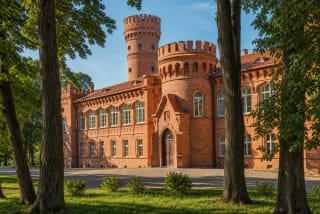
Raudonė Castle on the steep right slope of the Nemunas is one of the most vivid residential castles on the Panemunė road, known for red-brick towers and a park.
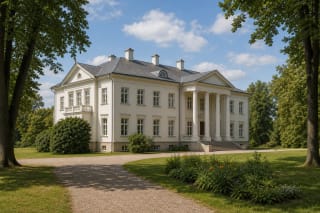
Renavas Manor in Mažeikiai District is a late Classicist residence of the Rönne barons by the Varduva: brick palace from 1830-1833, authentic nineteenth-century…
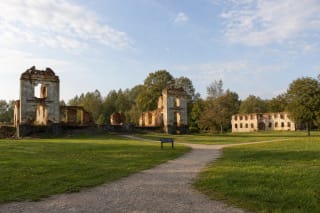
The Republic of Paulava was a self-governing peasant community on Paweł Ksawery Brzostowski's estate from 1769 to 1795.
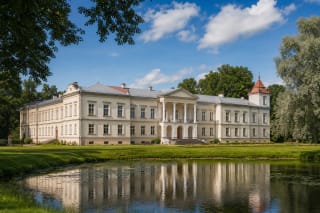
Rokiškis Manor is a Classical Tyzenhauzai and Przeździecki manor ensemble that today houses the Rokiškis Regional Museum, preserving collections on the city,…
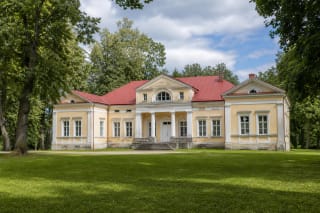
Saldutiškis Manor in Utena District is a Classical Jałowiecki family estate with a protected park, long linden alley, and rare trees.
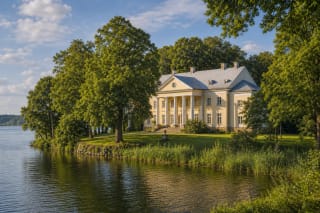
Salos Manor stands on an island in Lake Dviragis in Rokiškis District, one of Lithuania's most distinctive manor sites, reached by bridge and causeway.
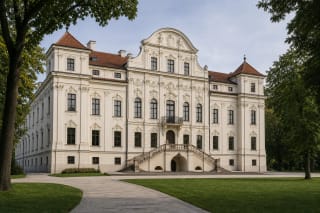
Sapieha Palace in Antakalnis is the only surviving Baroque-era magnate suburban palace and park ensemble in Lithuania: a late-seventeenth-century Sapieha…
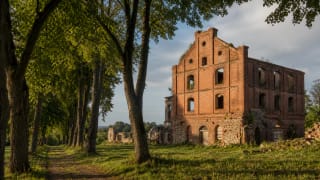
Šereitlaukis Manor Estate is a regionally significant manor in Rambynas Regional Park by the lower Nemunas.
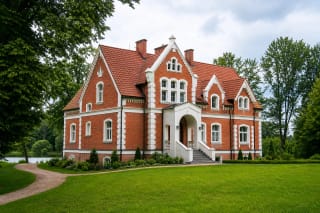
Šešuolėliai Manor in Širvintos District is a rare English cottage-style manor shaped around 1900 by banker Petras Povilas Končius.
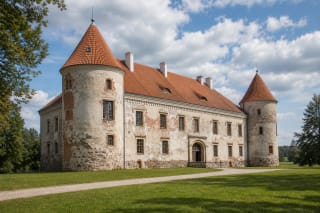
Siesikai Castle in Ukmergė District is a sixteenth-seventeenth-century castle and manor ensemble, regarded as the oldest surviving residential building of this…
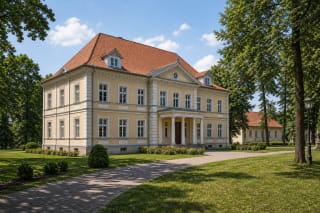
Šilutė Hugo Scheu Manor (KVR code 663) is a Lithuania Minor heritage centre, bought in 1889 by Hugo Scheu (Šojus, 1845-1937), who created the first private…
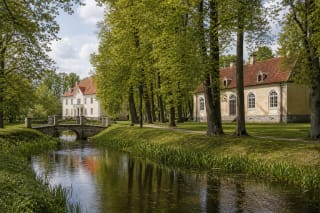
Švėkšna Manor and Park is a state-protected Šilutė District heritage complex, mentioned from the fifteenth century in the Kęsgaila holdings and long owned by…
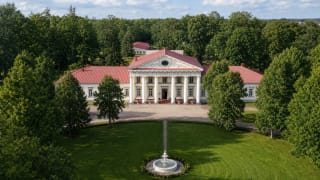
Taujėnai Manor is one of the most distinctive manors in the Ukmergė region: a Classical palace with a six-column portico, Radziwiłł and Moriconi history, a 15…
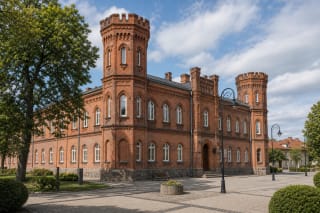
Tauragė Castle is not a medieval fortress but a tsarist customs and prison complex begun in the 1840s and reshaped in 1881-1886 into a historicist 'Prison…
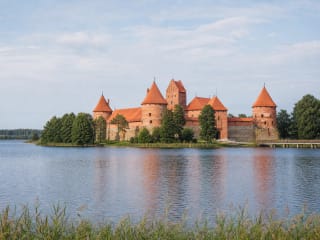
Trakai Island Castle in Lake Galvė is a red-brick Gothic castle begun by Kęstutis and completed by Vytautas, today serving as the core of the Trakai History…
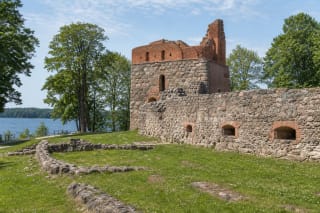
Trakai Peninsula Castle is one of Lithuania's largest perimeter-type masonry castles, built in the fourteenth century on a peninsula between Lakes Galvė,…
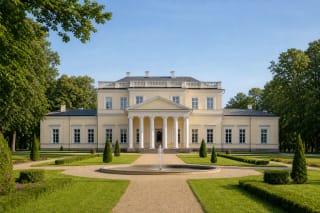
Trakų Vokė Manor on the edge of Vilnius was the representative residence of the Counts Tiškevičiai: an 1880 neoclassical palace by Leandro Marconi, valuable…
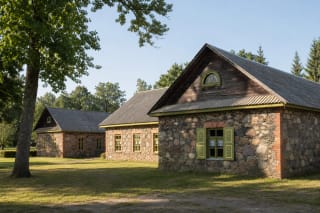
The Užpaliai Manor stables known as Kamenyčia are a U-shaped stone manor barn built in 1808-1809 and listed in the Register of Cultural Properties under code…
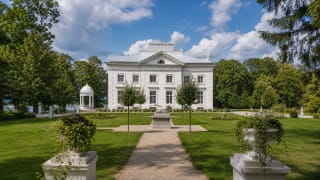
Užutrakis Manor is one of the most beautiful places in Trakai Historical National Park: Tiškevičiai palace, Édouard François André's park, Lake Galvė shore, and…
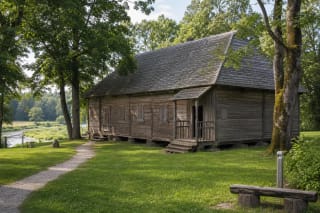
Užventis Manor by the Venta is an old Samogitian manor estate where writer Šatrijos Ragana, Marija Pečkauskaitė, spent her youth and which inspired her novella…
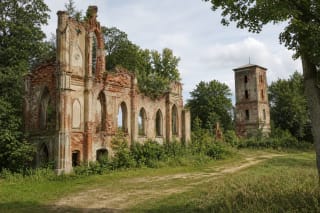
Vaitkuškis Manor near Ukmergė is now mostly the ruins of a once-grand neo-Gothic palace of the Kossakowski counts.
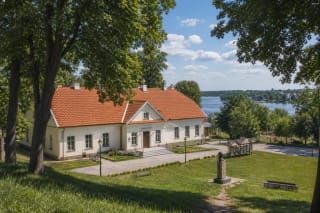
Veisiejai Manor is best understood today through the town plan, the former manor-estate setting, and the Veisiejai Regional Museum founded in 1998.
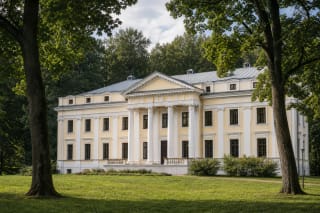
Verkiai Manor Estate is one of Lithuania's most valuable Classical manor estates: its surviving outbuildings, pavilion, remains of the central palace, 36 ha…
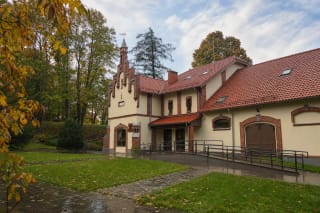
Vėžaičiai Manor Estate is not a surviving country house with furnished state rooms.
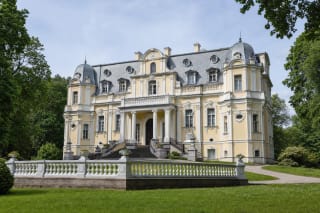
Vileišiai Palace in Antakalnis is a Neo-Baroque and Art Nouveau ensemble built in 1904-1906 for engineer, patron, and Lithuanian publishing supporter Petras…
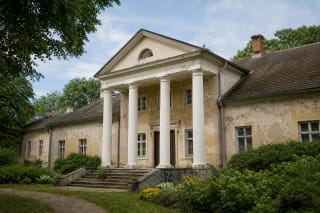
Vilkaviškis Manor in Suvalkija is known above all for the events of June 1812: Napoleon briefly stopped here while the Grande Armée moved toward the Nemunas,…
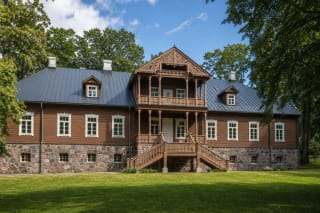
Vilkiškės Manor Estate is a nineteenth-century wooden manor in the Merkys valley.
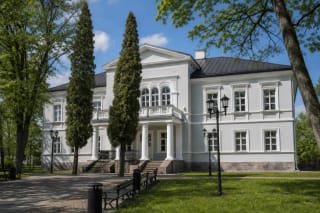
Wagner Palace is the main residence of the Šalčininkai manor estate, built in 1880, rather than the name of the whole complex or a museum.
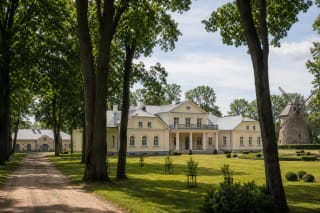
Žagarė Manor Estate is the historic centre of New Žagarė: a Classicist palace, Naryshkin-period buildings, old stud-farm heritage, a windmill, and a park of…
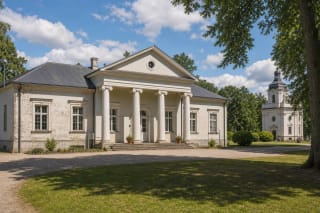
Žeimiai Manor in Jonava District is one of the better-preserved late classicist manor estates in Aukštaitija.
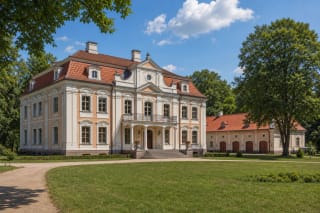
Zypliai Manor (Cultural Heritage Register code 1616) is one of Suvalkija's most active manors: a Classicist palace built by Jonas Bartkovskis in 1845-1855, a…