Lithuanian mythology
Lithuanian mythological beings
Read English guides to Lithuanian mythological beings from household helpers and water spirits to Laumes, Aitvaras, Velnias, giants, and shapeshifters.
How to read Lithuanian mythological beings
These figures are known mainly through belief tales, place legends, household custom, children's folklore, and seasonal beliefs. Each page keeps the source status visible so folklore material and later interpretation do not blur together.
Mythological being guides
Each English page keeps source status, folklore role, symbols, cautious interpretation, and cultural context visible.
Household and underworld beings
Household helpers, estate guardians, treasure-bringers, and underworld-linked beings.
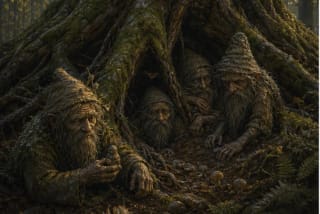
Barstukai, or Barzdukai, are small beings of the underworld and tree roots, often explained alongside kaukai and other spirits of the borderland between earth…
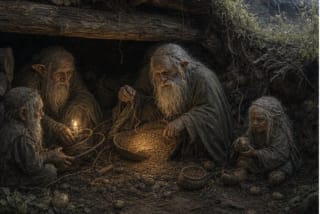
In Lithuanian mythology, kaukai are small mythical beings associated with household abundance, grain, livestock, the underworld, and mysterious benefit to a…
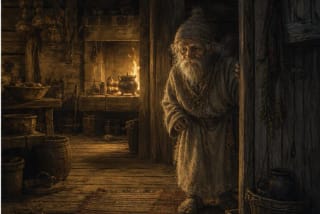
Naminukas, or the house spirit, is a broad image of a mythical being that protects the home, helping explain the sacredness of the homestead, hearth, threshold,…
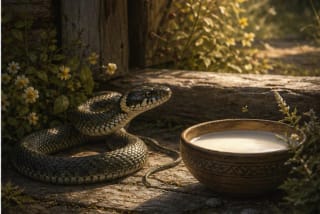
In Lithuanian mythology, Žaltys is not only an animal but a sacred symbol of household guardianship, vital powers, earth, ancestors, and closeness to the Sun.
Water beings
Figures of lakes, rivers, wetlands, and waterside narratives.
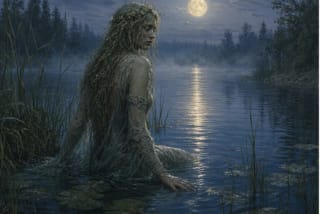
In Lithuanian and wider European folklore, Undinė is a water being often imagined as a beautiful woman connected with lakes, rivers, seduction, and the danger…
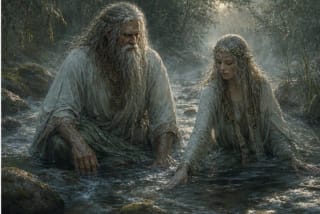
Vandenis and Vandenė are names for water spirits or water beings that can describe local mythical images of rivers, lakes, springs, and depths.
Field and nature spirits
Field, grain, marsh-light, and landscape-related beings from belief narratives.
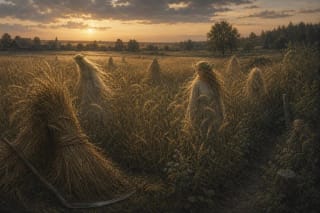
Field spirits are a broad layer of mythical beings active in fields, rye, grain edges, and harvest space, helping explain agrarian fears and prohibitions.
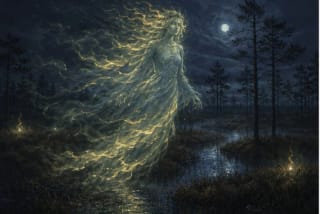
Žaltvykslė in Lithuanian folklore is an image of a wandering light or small flame, often connected with bogs, misleading paths, dangerous places, and a sense of…
Night, death, and fear beings
Ancestors, death-world figures, night beings, sleep figures, and frightening characters.
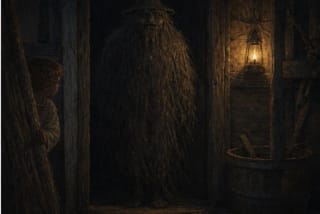
Baubas, Babaužis, and Maumas are names for frightening beings in Lithuanian folklore, often used to name children's fear, darkness, prohibitions, and unknown…
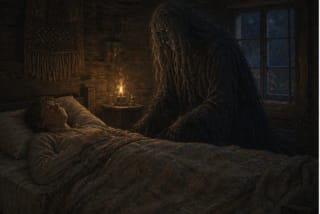
Slogutis or Slogutė in Lithuanian folklore is a night being of pressure and nightmare, explaining experiences of sleep paralysis, breathlessness, weight on the…
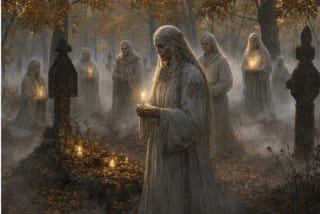
In Lithuanian mythology, vėlės are the souls or spirits of the dead, connected with ancestral remembrance, Vėlinės, cemeteries, homes, and ideas of human…
Transformation and legend beings
Shape-shifters and landscape-forming figures from legends and place memory.
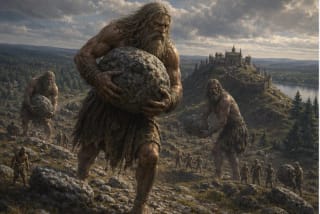
In Lithuanian place legends, giants are beings of extraordinary size used to explain stones, hills, hillforts, lakes, ancient structures, and the origin of the…
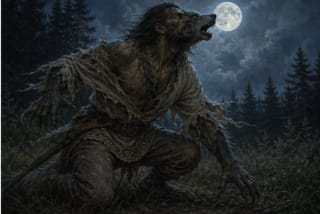
Vilktakis or Vilkolakis in Lithuanian folklore is the image of a human transforming into a wolf, connected with curse, magic, the wild boundary, and fear of…
Other beings
Other Lithuanian folklore and mythology figures.