- Place
- Musteika, Marcinkonys eldership, Varėna District Municipality
- Region
- Dzūkija National Park
- Type
- tree-beekeeping heritage tree in Dzūkija National Park
- Coordinates
- 53.96300, 24.40900
Tree Beekeeping Nature Trail, Tree Beekeeping Apiary
Not one tree, but a tree-beekeeping world
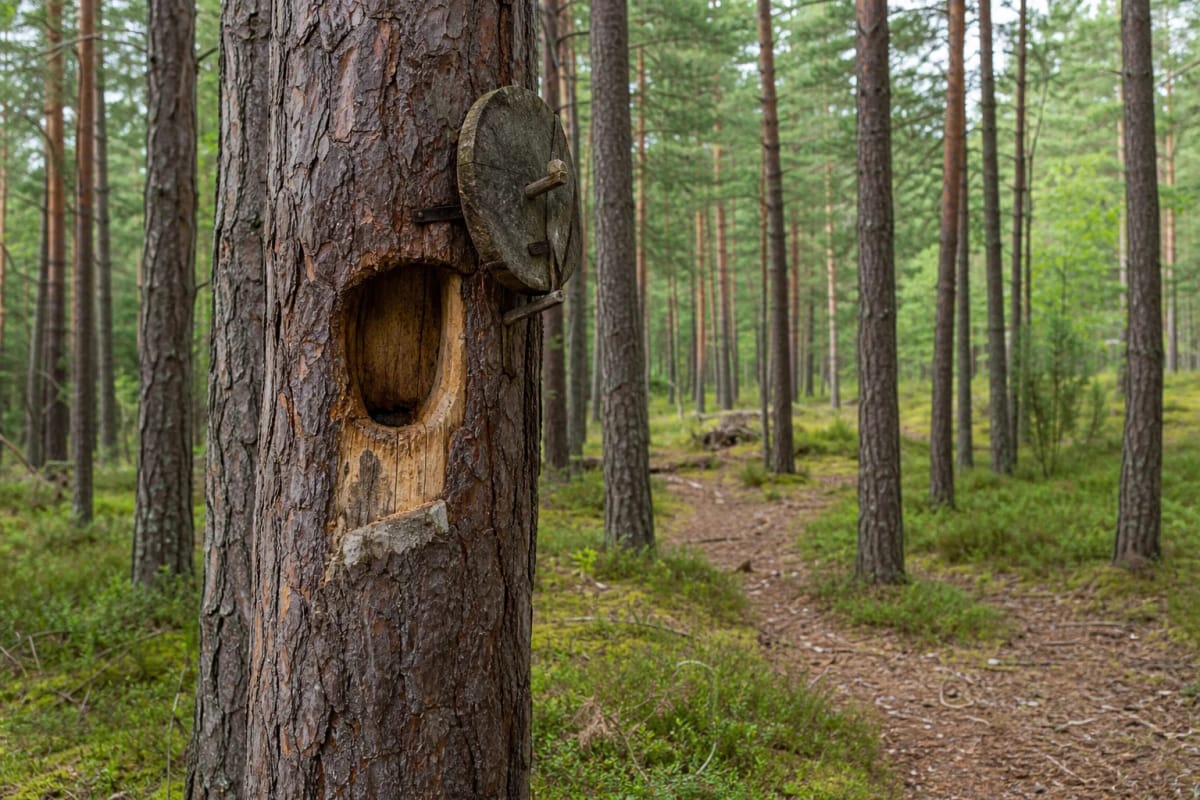
Hollow Pine in Musteika is a useful visitor name, but the most reliable source object is broader: the Tree Beekeeping Nature Trail, exhibition, and apiary. During research, no separate Saugoma.lt entry was found that presents one exact pine as an independent natural monument, so this page honestly treats the hollow pine as the most visible sign of the tradition.
A drevė is not just a hole in a tree. It is a cavity carved into a living tree for bees, cared for by a beekeeper who climbed the pine. Old pines with hives show how forest beekeeping was tied to living trees, tools, and long human presence in the forest, not simply to extraction.
Musteika and Gudai Forest
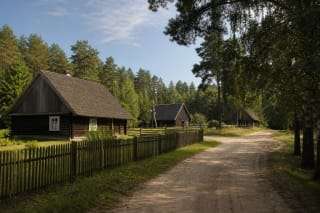
Musteika is one of the strongest forest villages in Dzūkija National Park. VLE says it is a village in Varėna District, Marcinkonys eldership, 12 km south of Marcinkonys, with only 36 residents in 2021; it was first mentioned in 1785 in the Varėna manor land inventory. Around it spreads Gudai Forest, where sandy pinewoods, berry grounds, and old paths form the natural background for tree beekeeping.
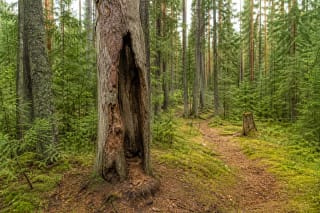
Saugoma.lt describes the Old Beekeeping Trail as running deep in Gudai Forest, around Musteika, where visitors can see hollow pines and a mosaic of sandy knolls and small mires characteristic only of the Musteika corner. Do not rush here: the landscape speaks through details, not attractions.
Log-hive apiary and exhibition
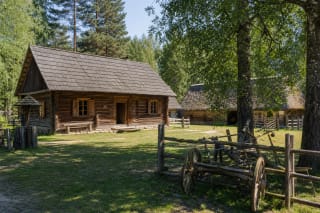
The living continuity of tree beekeeping in Musteika is shown by the apiary. Saugoma.lt notes that an apiary of old log hives was established in Musteika in 2006, and that bees settled in tree hollows in the surrounding forests; VLE calls the same event the establishment of the Old Dzūkian Beekeeping Museum. At the apiary visitors can see how bees are cared for in log hives, how honey and wax are handled, and how log hives and vabikai, small hives for luring bee swarms, are made.
Saugoma.lt gives the exhibition address as Musteika, Ąžuolo g. 1A, Varėna District, and states that it can be visited independently or with a Dzūkija National Park directorate specialist. Exact opening hours and ticket prices can change, so check the official park page before travelling instead of relying on older figures.
Practical visiting tips
If you only want to understand the tree-hive principle, a shorter stop by the apiary or exhibition is enough. If you want the forest context, walk the nature trail through Gudai Forest and allow at least 45-90 minutes. Information found during research suggested weekday and Saturday visits and a small independent-exhibition ticket, but those details must be checked again.
Do not strip bark, put hands into cavities, or try to climb the hollow pines. This is both natural and cultural heritage, so the best viewing is one that leaves the tree alive. Musteika combines well with Marcinkonys, Zervynos, and other Dzūkija National Park sites in one forest day.
Why this place matters
Tree beekeeping is one of the oldest Dzūkija livelihoods, and Musteika is a rare place where the tradition can be seen not only in a museum case but also in a living forest. It connects three things: an old pine with a tree hive, a craft with tools, and a village with its history, so the site matters for both nature and ethnography.
Musteika also shows how protected-area objects should be read. Not every famous name means one registered tree; often it marks a tradition or habitat. In such cases the most valuable visit is attentive, respectful of restrictions, and checked against official sources.