- Place
- Kelmė District Municipality
- Region
- Kelmė District
- Type
- wooded hill and state botanical reserve
- Address
- northern edge of Kražiai, Kelmė District
- Coordinates
- 55.61255, 22.69415
- Visit duration
- 45-90 minutes for the paths and woodland landscape
- Best time
- late spring to early autumn, preferably on a dry day after prolonged rain
Kražiai Medžiokalnis, Kražiai Medžiokalnis Botanical Reserve
A botanical reserve beside the town
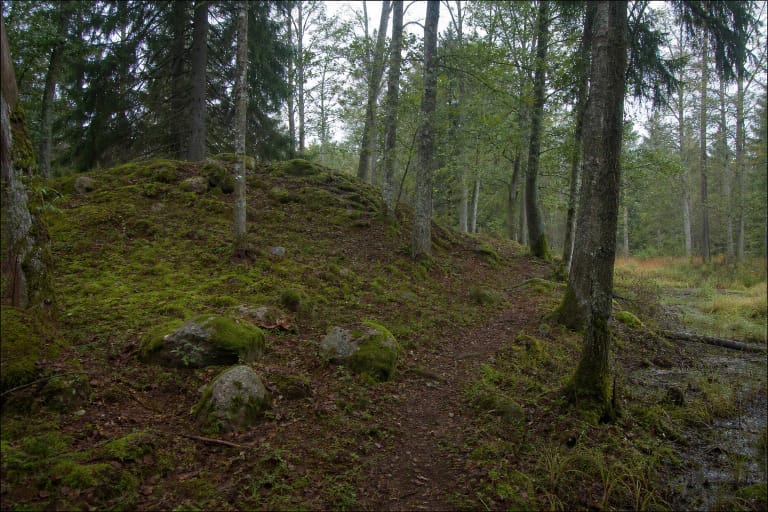
Kražiai Medžiokalnis Botanical Reserve was established in 1960. It protects the vegetation of the wooded hill, particularly an old oak community and habitats for rare plant species. This is not merely an urban park: the priority is the continuity of a natural forest ecosystem.
Medžiokalnis rises at the northern edge of Kražiai and can be reached on foot from the historic centre or by a short drive. The coordinate marks a representative point on the hill, not an official car park or the only trail entrance.
Old oaks and rare plants
Official Kražiai sources highlight an oak woodland about 150 years old and thirteen rare plant species. Those figures describe the conservation value but do not mean that every species is visible on a short walk; some are small, seasonal or grow in sensitive locations.
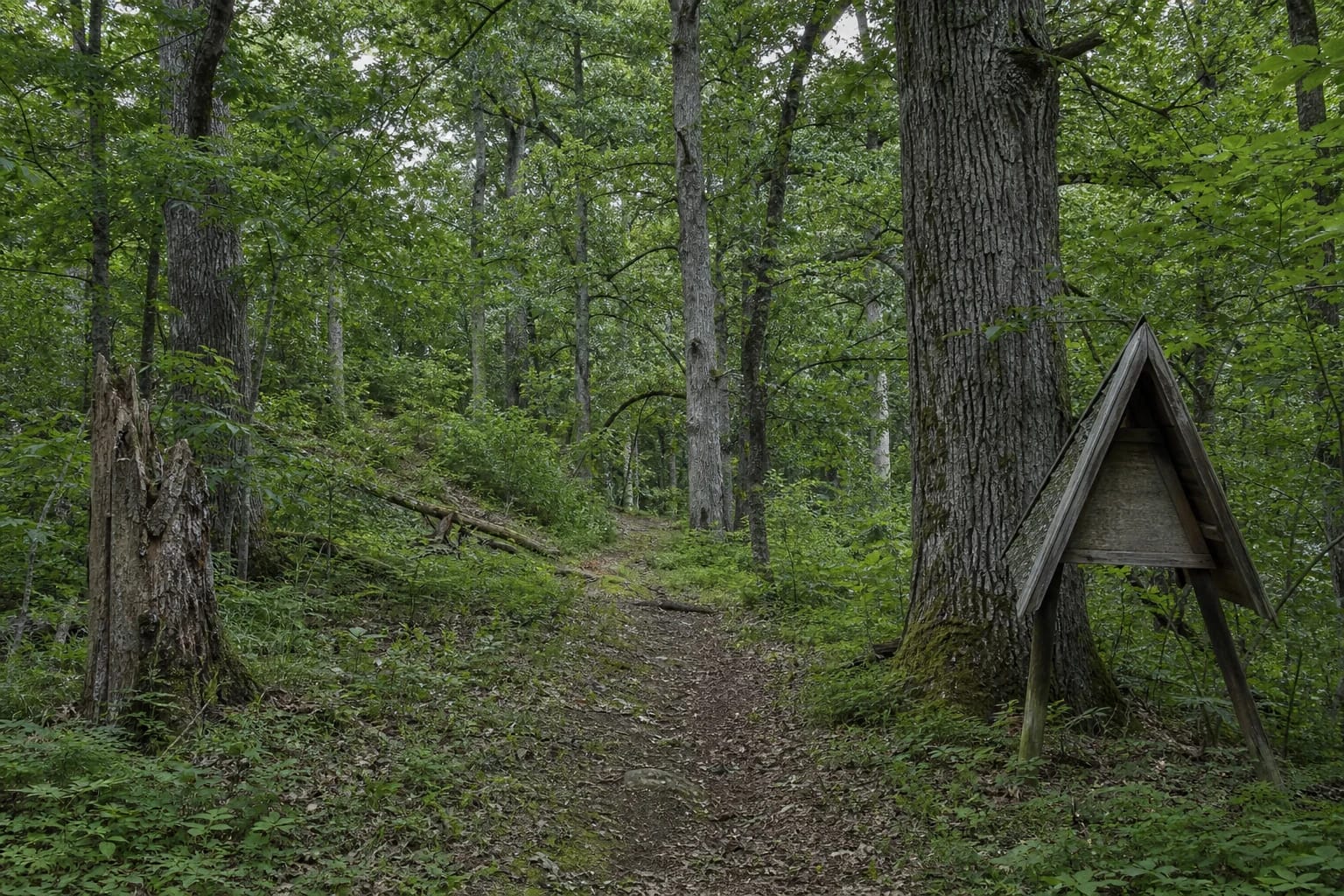
Look instead at the woodland structure: thick oak trunks, trees of different ages, dead wood, shaded understorey and changing relief. Do not leave the path to search for a particular rare plant, and never pick or handle one.
Medeina legends and documented memory
Local tradition associates the hill with Medeina, the Lithuanian goddess of forests, while the name Medžiokalnis preserves an image of an older sacred grove. Treat this as folklore and contemporary cultural interpretation, not proof that a specific documented temple stood here.
The surroundings also carry a much more painful twentieth-century history. Official Kražiai memory sources state that local Jews were murdered near Medžiokalnis in 1941. A respectful visit should not allow romantic pagan stories to eclipse this documented tragedy.
Paths and responsible access
The reserve is free to enter and has no ticket desk or museum hours. Trail conditions depend on the season: sections can become muddy or slippery after rain, and tick protection is sensible in warm months. Choose shoes for a woodland path rather than an urban pavement.
Stay on existing paths, do not light fires, remove all rubbish and avoid disturbing wildlife. If route marking has changed, follow current protected-area signs on site. The walk combines naturally with the Sarbievijus Cultural Centre and Kražiai church.