
Lithuanian symbols
Lithuanian mythological plants
Trees, herbs, grain, flax, rue, flowers, and straw signs connect life, harvest, household protection, love, fate, feasts, and cosmic order in Lithuanian tradition.
Plant symbols across song, rite, and craft
Trees, herbs, grain, flax, rue, and flowers carry different meanings by genre and region. These pages keep practical custom, poetic image, and mythological interpretation in view together.
Plant-symbol guides
Read English pages about Lithuanian plant symbols in folk songs, rites, seasonal customs, textile motifs, and folk art.
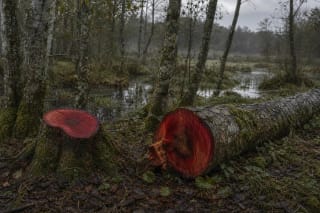
In Lithuanian folklore the alder is a chthonic tree associated with Velnias: freshly cut alder wood quickly reddens as if with blood, and legend explains this…
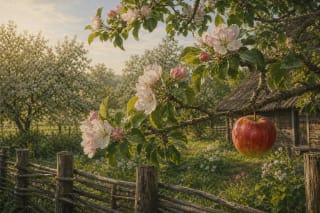
In Lithuanian songs and garden culture, the apple tree and apple mean flowering, fertility, love, family continuity, and the fullness of the home garden.
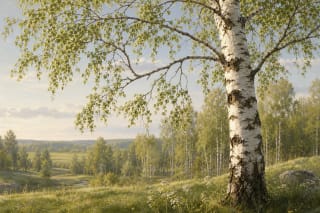
In Lithuanian songs and customs the birch is a symbol of whiteness, spring, youth, sensitivity, and sometimes an orphan girl's sorrow, joining the awakening of…
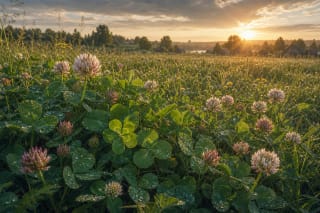
In Lithuanian songs clover is a symbol of greenery, the fullness of the field, youth, refrain rhythm, and luck, often acting as a poetic address.
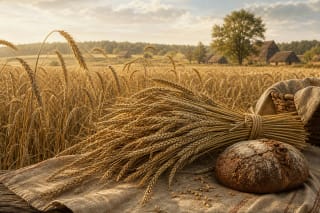
In Lithuanian tradition crops, rye, and grain mean harvest, bread, earth's fertility, household plenty, communal work, harvest completion rites, and connection…
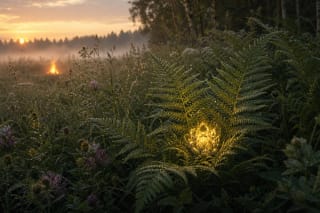
Dew and the fern flower are strong symbols of Rasos and Joninės: dew is linked with health, harvest, and morning renewal, while the fern flower means hidden…
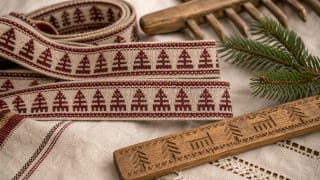
Fir-tree motifs, teeth, and little rakes are small Lithuanian pattern motifs that join plant form, border rhythm, tool imagery, and agrarian order.
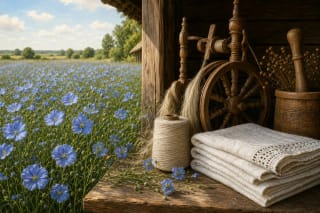
In Lithuanian tradition flax, thread, and linen connect flax work, the world of women, dowry preparation, the thread of life, cleanliness, and the sacred…
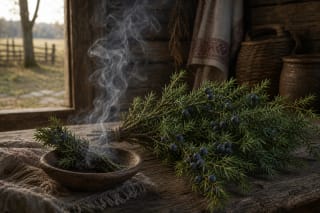
In Lithuanian tradition juniper is a plant of purification and protection: its smoke was used to cleanse homes, barns, livestock, and the house of the dead; it…
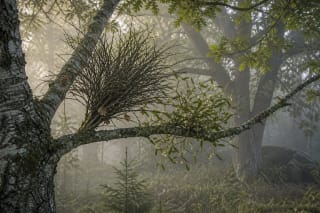
Laumė's broom and mistletoe are liminal tree images: one looks like an unusual broom of branches, the other grows on a tree, so both are easily connected with…

In Lithuanian songs the lily often acts as a plant of beauty, purity, youth, and poetic transformation, especially when a human fate is retold in the language…
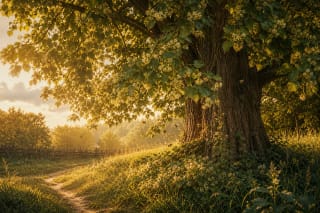
In Lithuanian symbolism the linden is linked with care, femininity, family, song poetics, images of Laima, flowering, bees, and a gentler layer of the sacred…
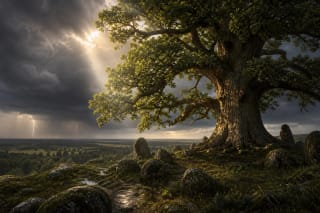
In Lithuanian mythology and tradition the oak is a symbol of the sacred tree, strength, lineage, masculine power, Perkūnas, and the sacred grove.
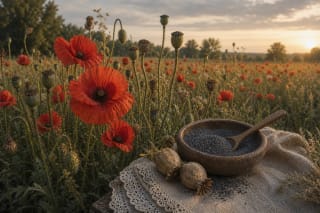
In Lithuanian tradition the poppy is a plant of sleep, quiet, and contact with the souls of the dead, especially at Kūčios: poppy milk and kūčiukai are shared…
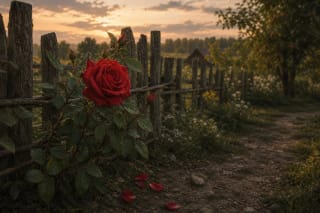
In Lithuanian songs the rose is an intense flower symbol: it means beauty, love, and youth, but sometimes also blood, death, or remembrance.
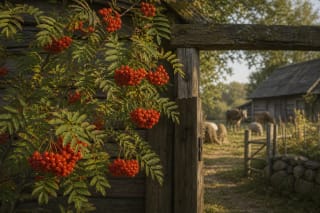
In Lithuanian folklore the rowan is a protective tree guarding people, livestock, and the homestead from witches, laumės, and Velnias; its branches are put on…

Rue is the clearest Lithuanian plant of maidenhood and virginity, the green herb most frequently sung in folklore: the rue garden marks a girl's youth, and the…

In Lithuanian ornament the spiral, coil, and fern shoot are associated with growth, the movement of life, renewal, old coiled ornaments, and plant patterns.

In Lithuanian folklore the spruce joins evergreen life, the winter forest, a woman's name, transformation into a tree, and one of the best-known tales, Eglė…
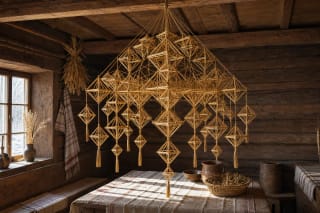
Lithuanian straw gardens, or sodai, are an intangible-heritage symbol: a spatial form tied from straw that speaks about household harmony, festive order,…
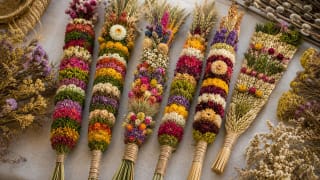
Vilnius verbos are sacred and artistic compositions made from plants, joining Palm Sunday, the vitality of spring plants, household protection, Kaziukas Fair,…
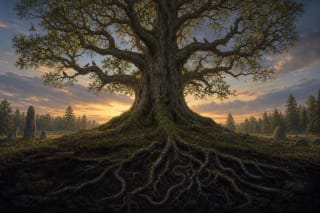
In Lithuanian and broader Baltic symbolism, the world tree helps explain the structure of the world: branches connect with the sky, the trunk with the human…

In Lithuanian songs and customs, wreath, rue, and ring signify maidenhood, a festive state, transition, weddings, the power of herbs, remembrance, and the…