
Lithuanian traditions
Lithuanian ethnographic calendar
Follow the Lithuanian ritual year through winter, spring, summer, and autumn holidays, with English context for dates, customs, food, songs, fire, water, greenery, and remembrance.
An annual overview, not an event schedule for a particular year.
How to read this calendar
This is an annual overview, not a timetable for a particular year. Movable feasts appear in every month in which they can fall; each is celebrated once in a given year. Months for seasonal customs are approximate: work and natural phenomena vary by place and year, and local event dates need a separate check. Easter-cycle dates follow Lithuania’s Catholic Gregorian calendar; other denominations may use different dates.
Easter is the first Sunday after the ecclesiastical full moon falling on or after March 21. This is a church-calendar calculation, rather than a direct observation of the astronomical full moon.
Winter
January
The year opens with the end of the Christmas season, household blessing, and midwinter signs.
January 1
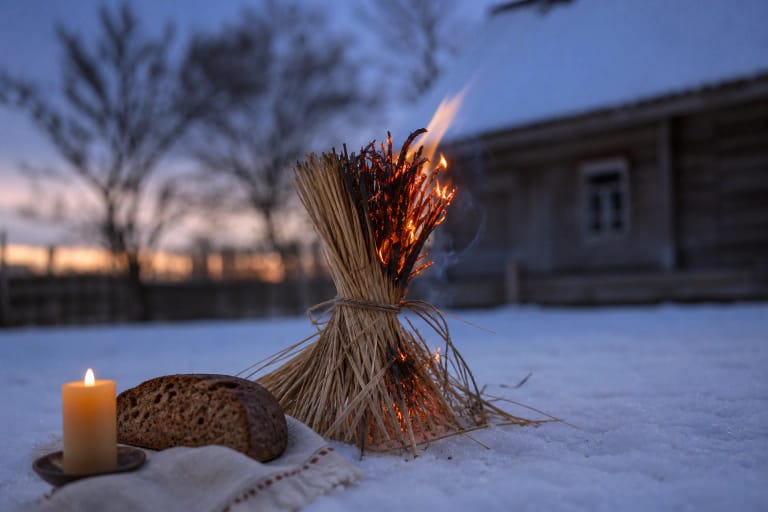
New Year in Lithuanian Customs
A threshold between old and new year, marked by water, grain, wishes, and weather signs.
Customs and meanings: New Year in Lithuanian CustomsJanuary 6
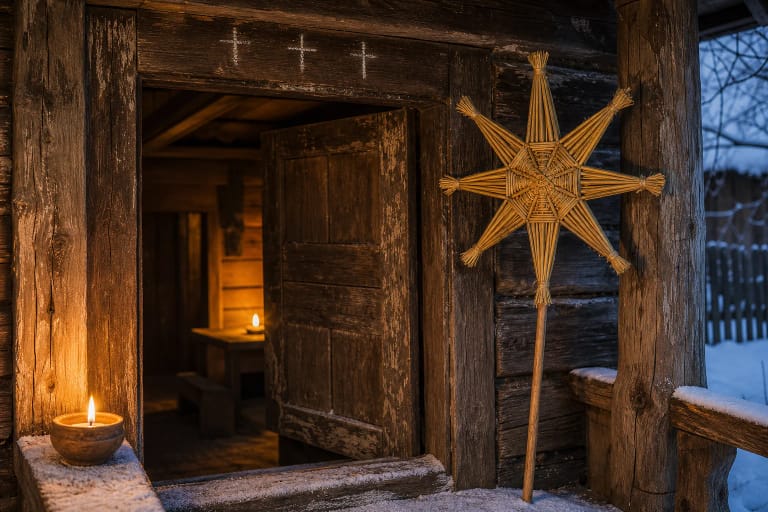
Three Kings in Lithuania
The close of the Christmas season with blessed chalk, a star, and Three Kings processions.
Customs and meanings: Three Kings in LithuaniaJanuary 25
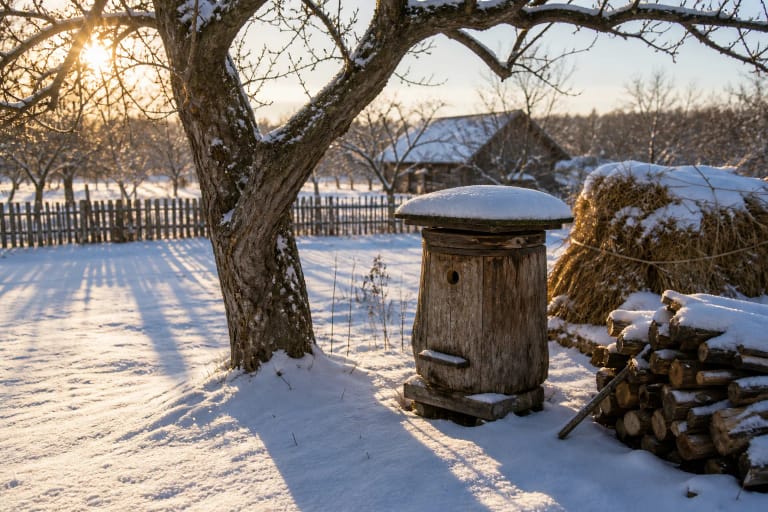
Pusiauzemis: Lithuanian Midwinter
A midwinter marker watched through badgers, hives, bear sleep, and signs of the coming summer.
Customs and meanings: Pusiauzemis: Lithuanian MidwinterBetween Christmas and Epiphany; check performance dates separately
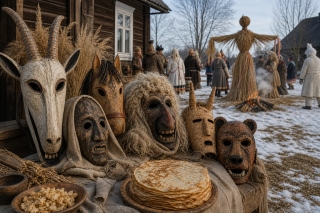
The Šyvis white-horse custom in Gražiškiai
Masked household visits in Gražiškiai with music and good wishes; a person wearing a horse disguise plays Šyvis.
Customs and meanings: The Šyvis white-horse custom in Gražiškiai
Winter
February
In late winter, candle, bread, fire, and the noisy threshold before Lent meet.
February 2
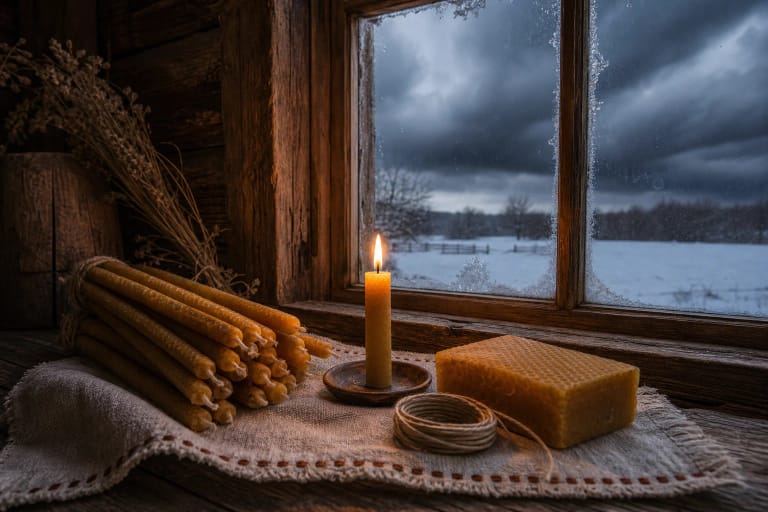
Grabnycios: Candlemas in Lithuania
Blessed candles, echoes of Thunder Day, and protective household light.
Customs and meanings: Grabnycios: Candlemas in LithuaniaFebruary 5
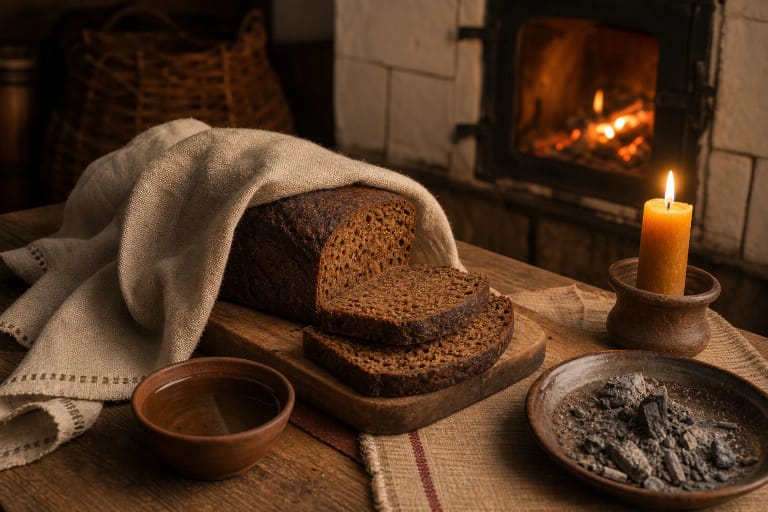
Agotines: St Agatha's Bread Day
St Agatha bread day, where bread, fire, and Gabija memory protect the home.
Customs and meanings: Agotines: St Agatha's Bread DayFebruary or March: Tuesday, 47 days before Easter
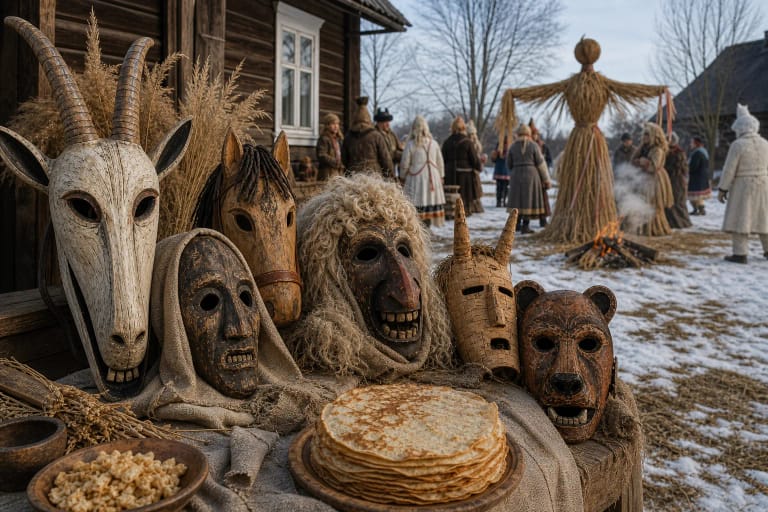
Uzgavenes: Lithuanian Carnival
Driving out winter with masks, Lasininis and Kanapinis, pancakes, noise, and community play.
Customs and meanings: Uzgavenes: Lithuanian CarnivalFebruary or March: Wednesday, 46 days before Easter
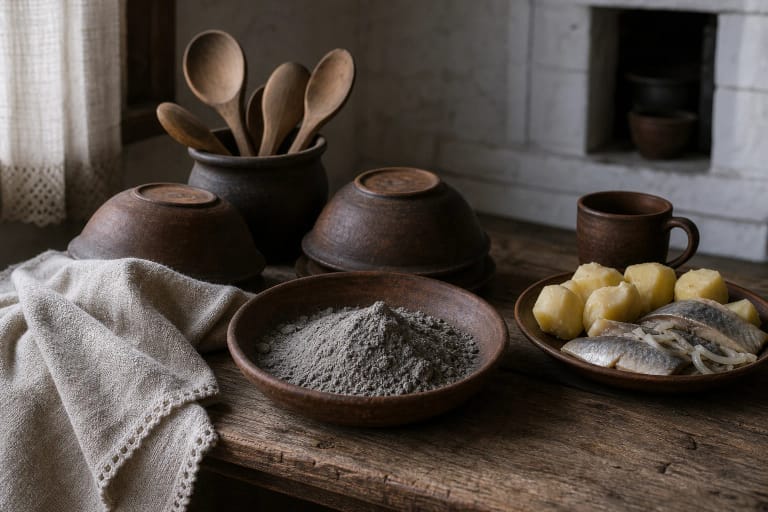
Ash Wednesday in Lithuania
The beginning of Lent, when Uzgavenes laughter gives way to ashes, quiet, and restraint.
Customs and meanings: Ash Wednesday in Lithuania
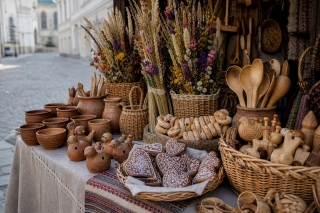
Spring
March
Spring arrives through the market, the returning bird, and Easter greenery.
February or March: Tuesday, 47 days before Easter
Uzgavenes: Lithuanian Carnival
Driving out winter with masks, Lasininis and Kanapinis, pancakes, noise, and community play.
Customs and meanings: Uzgavenes: Lithuanian CarnivalFebruary or March: Wednesday, 46 days before Easter
Ash Wednesday in Lithuania
The beginning of Lent, when Uzgavenes laughter gives way to ashes, quiet, and restraint.
Customs and meanings: Ash Wednesday in LithuaniaAround March 4
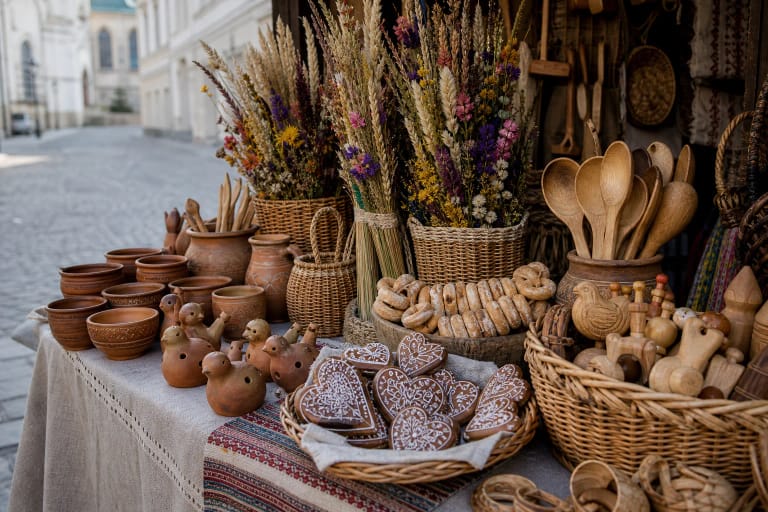
Kaziukas Fair
Vilnius crafts, palms, wooden goods, and the festive market at the start of spring.
Customs and meanings: Kaziukas FairMarch 25
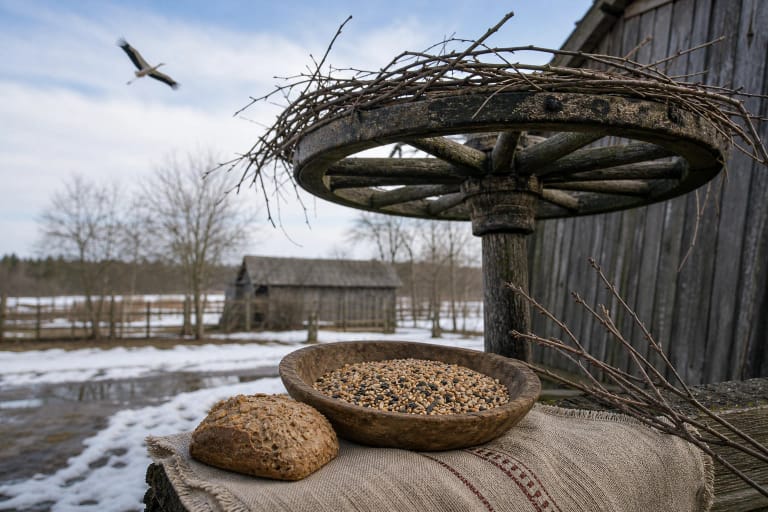
Gandrines: Stork Day
The stork-return day with signs for nests, livestock, sowing, and spring work.
Customs and meanings: Gandrines: Stork DayMarch or April: Sunday, 7 days before Easter
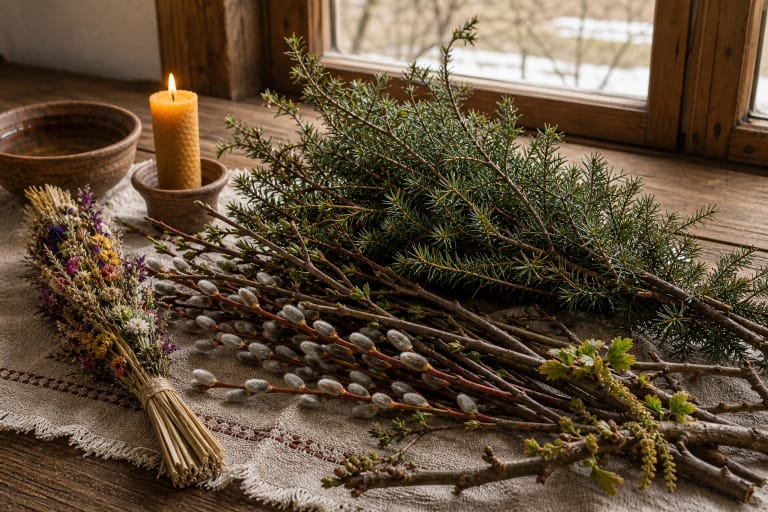
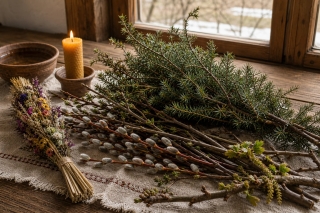
Palm Sunday in Lithuania
Blessed palms, juniper, willow, and the Vilnius palm craft at the Easter threshold.
Customs and meanings: Palm Sunday in LithuaniaMarch 22–April 25: Sunday, calculated using the Gregorian church calendar
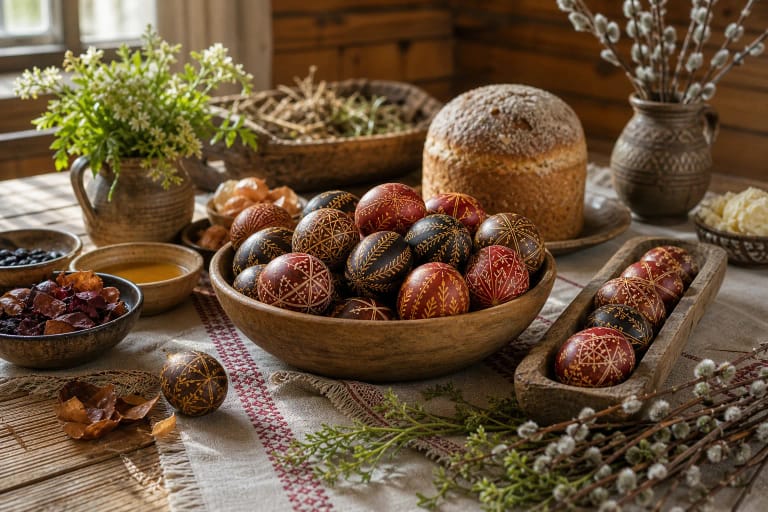
Easter in Lithuania
Decorated eggs, lalavimas, resurrection morning, and the beginning of spring life.
Customs and meanings: Easter in LithuaniaEaster morning; check local services and events each year
Easter drums in Aukštaitija: sound, skill and local memory
Drums in some Aukštaitija parishes: transmission of the Vadokliai custom and the revival in Rokiškis.
Customs and meanings: Easter drums in Aukštaitija: sound, skill and local memoryAt Easter; often from Sunday evening through the night until Monday morning
Lalavimas: Easter house visiting
House visits with hymns, songs and good wishes; timing, participants and repertoire vary by local tradition.
Customs and meanings: Lalavimas: Easter house visitingThe Sunday after Easter, 7 days later; in March, April or May
Atvelykis: Children’s Easter
Children’s or Little Easter: visits to godparents, gifts of decorated eggs and games.
Customs and meanings: Atvelykis: Children’s EasterWhen thunder is first heard in spring; no fixed calendar date
The first spring thunder
Local beliefs about the earth’s awakening, crops and the start of a new phase of seasonal work.
Customs and meanings: The first spring thunder
Spring
April
April opens renewal: from playful trickery to Easter, greenery, and the beginning of the livestock year.
March or April: Sunday, 7 days before Easter
Palm Sunday in Lithuania
Blessed palms, juniper, willow, and the Vilnius palm craft at the Easter threshold.
Customs and meanings: Palm Sunday in LithuaniaApril 1
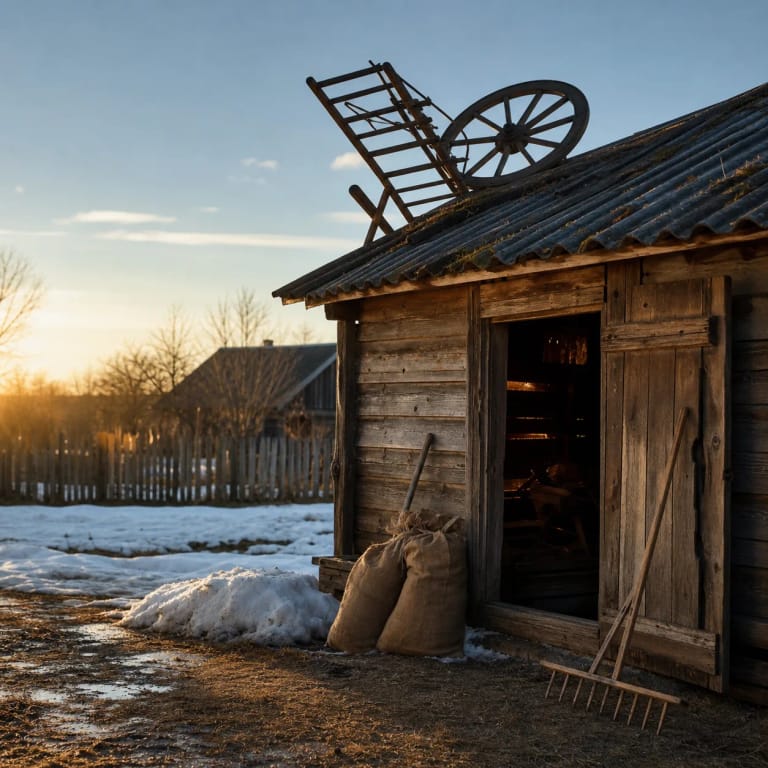
April Fools' Day in Lithuanian Tradition
Spring jokes and tricks, with playfulness that stays understood by everyone.
Customs and meanings: April Fools' Day in Lithuanian TraditionMarch 22–April 25: Sunday, calculated using the Gregorian church calendar
Easter in Lithuania
Decorated eggs, lalavimas, resurrection morning, and the beginning of spring life.
Customs and meanings: Easter in LithuaniaEaster morning; check local services and events each year
Easter drums in Aukštaitija: sound, skill and local memory
Drums in some Aukštaitija parishes: transmission of the Vadokliai custom and the revival in Rokiškis.
Customs and meanings: Easter drums in Aukštaitija: sound, skill and local memoryAt Easter; often from Sunday evening through the night until Monday morning
Lalavimas: Easter house visiting
House visits with hymns, songs and good wishes; timing, participants and repertoire vary by local tradition.
Customs and meanings: Lalavimas: Easter house visitingThe Sunday after Easter, 7 days later; in March, April or May
Atvelykis: Children’s Easter
Children’s or Little Easter: visits to godparents, gifts of decorated eggs and games.
Customs and meanings: Atvelykis: Children’s EasterWhen thunder is first heard in spring; no fixed calendar date
The first spring thunder
Local beliefs about the earth’s awakening, crops and the start of a new phase of seasonal work.
Customs and meanings: The first spring thunderLate April
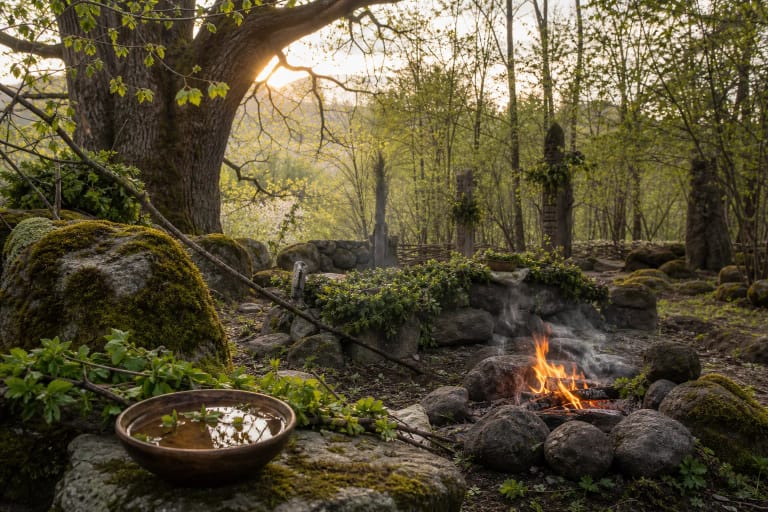
Jore: Spring Greenery Festival
A greenery feast connected with first pasture, spring force, and nature awakening.
Customs and meanings: Jore: Spring Greenery FestivalApril 23
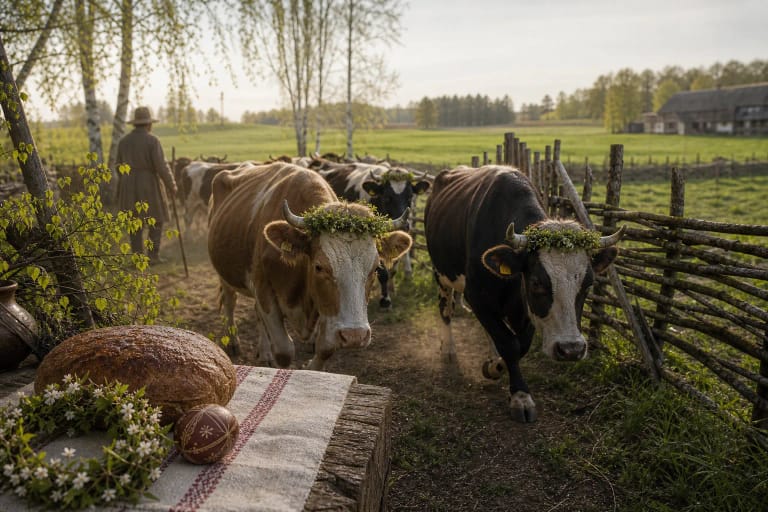
Jurgines: St George's Day
The first driving of animals to pasture, with earth, dew, bread, and herd-protection customs.
Customs and meanings: Jurgines: St George's DayTraditionally Thursday, 39 days after Easter (April–June); the Lithuanian liturgical celebration moves to the following Sunday (May–June)
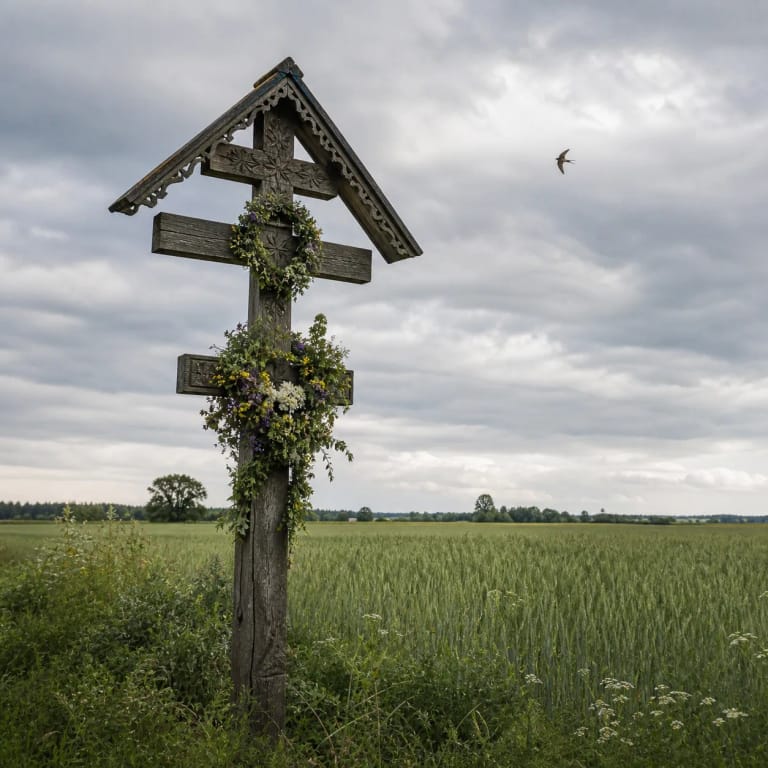
Sestines: Ascension Day in Lithuania
A seasonal boundary where spring sowing, fields, and Ascension meet.
Customs and meanings: Sestines: Ascension Day in Lithuania
Spring
May
Late spring turns toward fields, sky, and Pentecost greenery.
The Sunday after Easter, 7 days later; in March, April or May
Atvelykis: Children’s Easter
Children’s or Little Easter: visits to godparents, gifts of decorated eggs and games.
Customs and meanings: Atvelykis: Children’s EasterWhen thunder is first heard in spring; no fixed calendar date
The first spring thunder
Local beliefs about the earth’s awakening, crops and the start of a new phase of seasonal work.
Customs and meanings: The first spring thunderTraditionally Thursday, 39 days after Easter (April–June); the Lithuanian liturgical celebration moves to the following Sunday (May–June)
Sestines: Ascension Day in Lithuania
A seasonal boundary where spring sowing, fields, and Ascension meet.
Customs and meanings: Sestines: Ascension Day in LithuaniaMay or June: Sunday, 49 days after Easter (the 50th day when Easter Sunday is counted as day one)
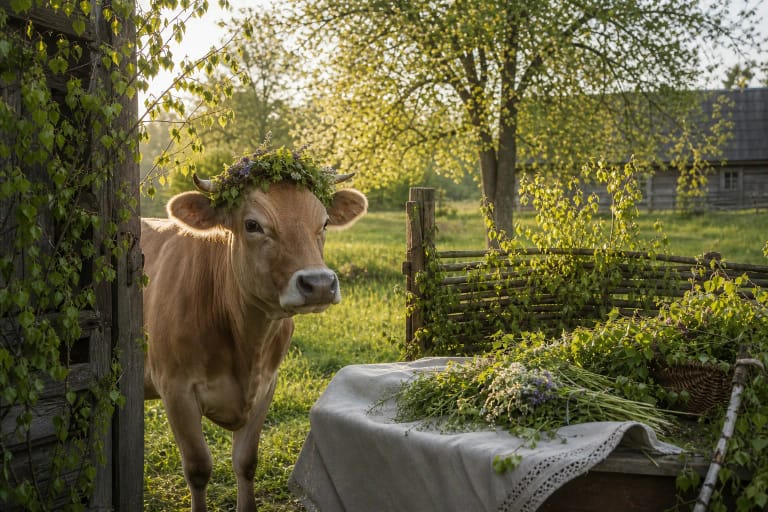
Sekmines: Pentecost in Lithuania
Birch branches, livestock, shepherds, eggs, and a community feast of greenery.
Customs and meanings: Sekmines: Pentecost in LithuaniaPentecost, 49 days after Easter; check commemoration dates and locations separately
Pentecost in Meironys: swimming cattle and remembered tradition
The Meironys custom of swimming cattle to pasture and its memory; a present-day commemoration does not itself imply a cattle crossing.
Customs and meanings: Pentecost in Meironys: swimming cattle and remembered traditionMay or June: traditionally Thursday, 60 days after Easter; the Lithuanian liturgical celebration moves to the following Sunday (63 days after Easter)
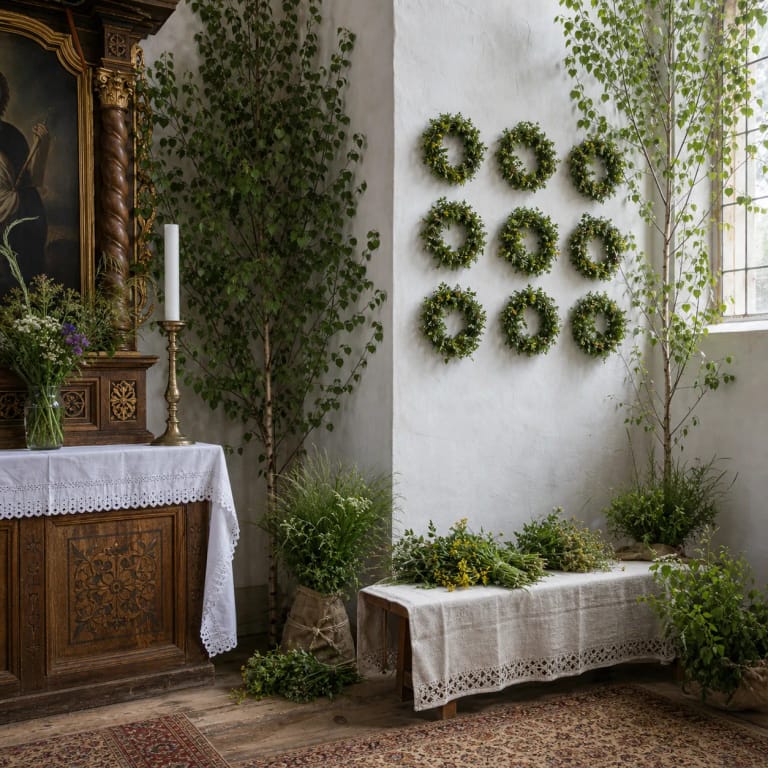
Devintines: Corpus Christi in Lithuania
Nine herb wreaths, processions, and customs of protecting the fields.
Customs and meanings: Devintines: Corpus Christi in Lithuania
Summer
June
June brings the year to blossom, wreaths, water, fire, and the first hints of late summer.
Traditionally Thursday, 39 days after Easter (April–June); the Lithuanian liturgical celebration moves to the following Sunday (May–June)
Sestines: Ascension Day in Lithuania
A seasonal boundary where spring sowing, fields, and Ascension meet.
Customs and meanings: Sestines: Ascension Day in LithuaniaMay or June: Sunday, 49 days after Easter (the 50th day when Easter Sunday is counted as day one)
Sekmines: Pentecost in Lithuania
Birch branches, livestock, shepherds, eggs, and a community feast of greenery.
Customs and meanings: Sekmines: Pentecost in LithuaniaPentecost, 49 days after Easter; check commemoration dates and locations separately
Pentecost in Meironys: swimming cattle and remembered tradition
The Meironys custom of swimming cattle to pasture and its memory; a present-day commemoration does not itself imply a cattle crossing.
Customs and meanings: Pentecost in Meironys: swimming cattle and remembered traditionMay or June: traditionally Thursday, 60 days after Easter; the Lithuanian liturgical celebration moves to the following Sunday (63 days after Easter)
Devintines: Corpus Christi in Lithuania
Nine herb wreaths, processions, and customs of protecting the fields.
Customs and meanings: Devintines: Corpus Christi in LithuaniaNight of June 23

Rasos Festival
Solstice night with dew, kupoles herbs, wreaths, water, and greeting the dawn.
Customs and meanings: Rasos FestivalJune 24
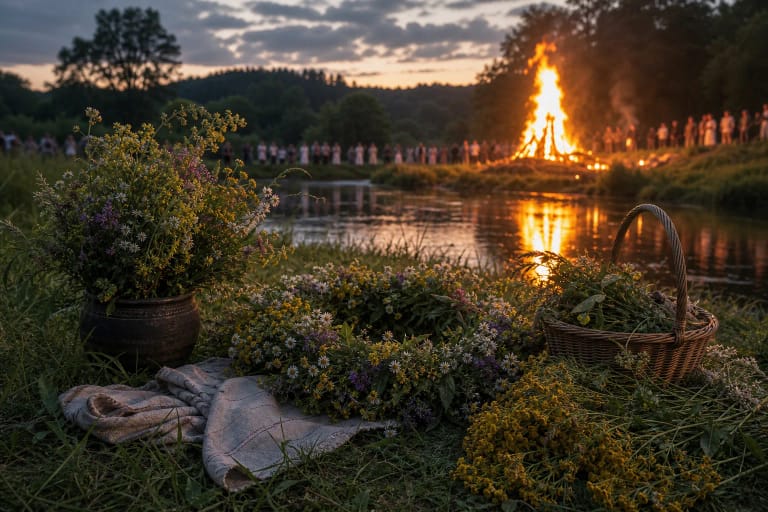
Jonines in Lithuania
St John's Day, name-day greetings, bonfires, wreaths, and the fern-flower legend.
Customs and meanings: Jonines in LithuaniaJune 29
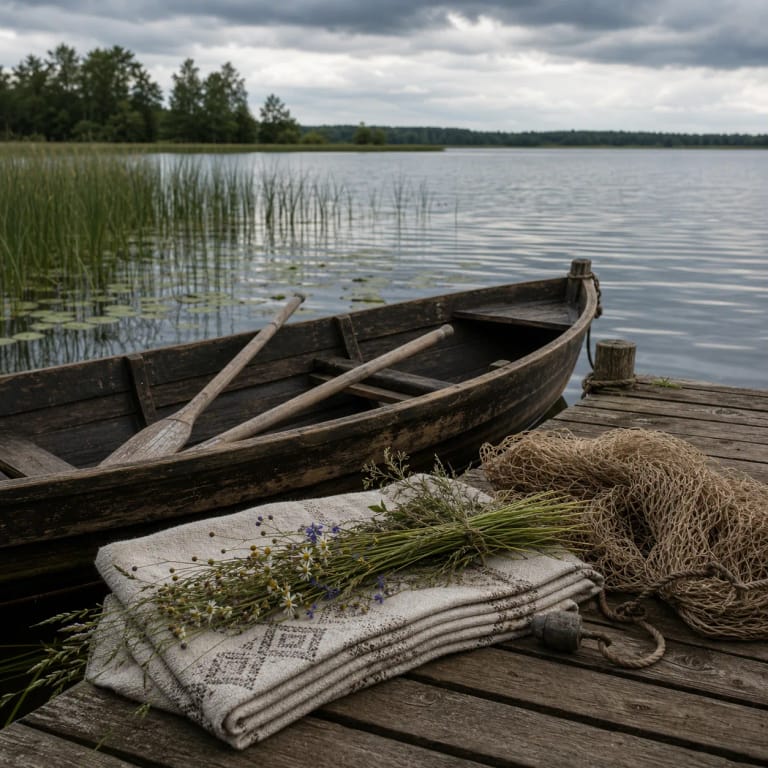
Petrines: Saints Peter and Paul Day
A second midsummer feast with water, cloth, fishermen, and the first haymaking boundaries.
Customs and meanings: Petrines: Saints Peter and Paul Day
Summer
July
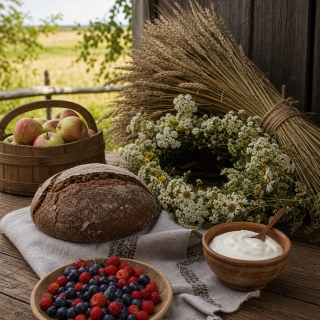
Midsummer moves toward rye harvest and the first bread of the new crop.
July 26
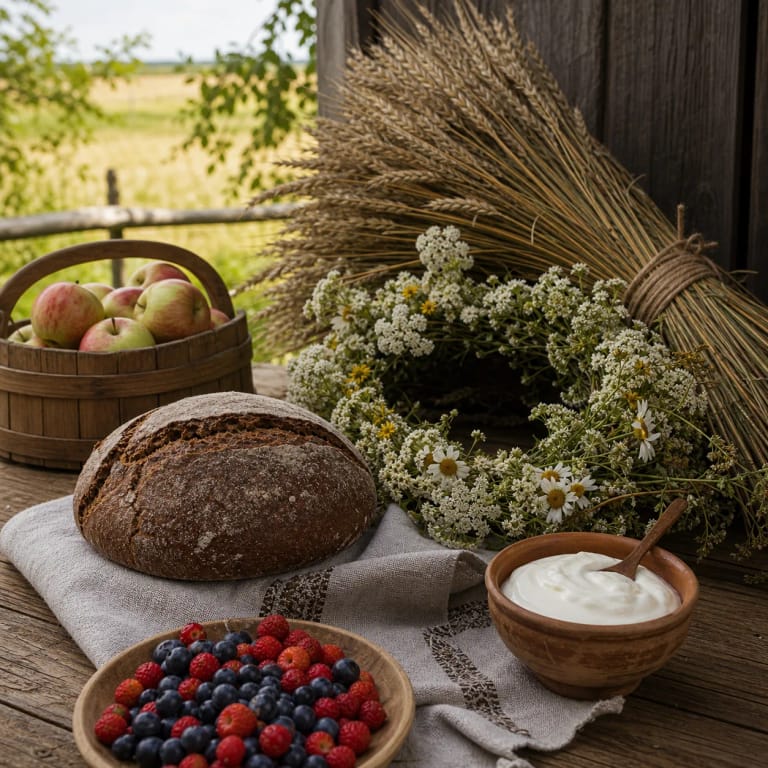
Onines: St Anne's Day
Rye-harvest completion, new bread, Ona name-day customs, and the summer harvest threshold.
Customs and meanings: Onines: St Anne's DayIn summer, when rye ripens; harvest timing varies by place and year
Rye-harvest customs
Local accounts of the first sheaf, communal work and the completion wreath; July and August provide an approximate seasonal window.
Customs and meanings: Rye-harvest customs
Summer
August
August gathers herbs, berries, grain, and the fullness of summer.
In summer, when rye ripens; harvest timing varies by place and year
Rye-harvest customs
Local accounts of the first sheaf, communal work and the completion wreath; July and August provide an approximate seasonal window.
Customs and meanings: Rye-harvest customsAugust 15
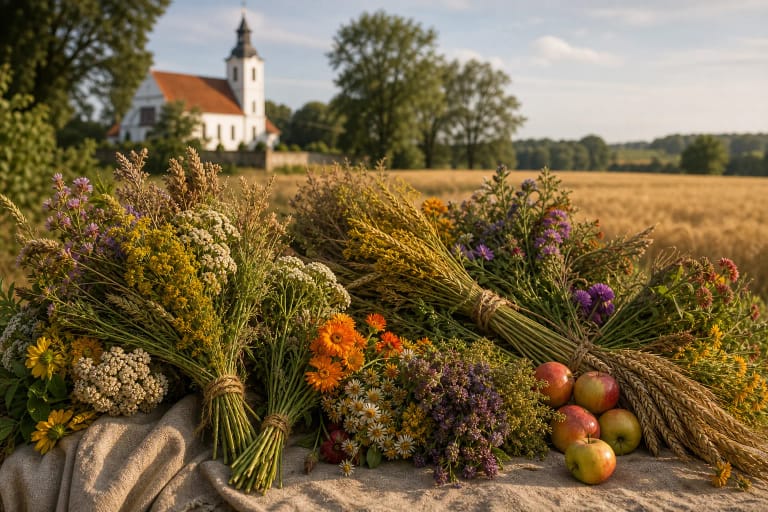
Zoline: Assumption and Herb Blessing
Herbs, grain, garden produce, and the Assumption feast at the fullness of summer.
Customs and meanings: Zoline: Assumption and Herb Blessing
Autumn
September
Autumn gathers harvest, field work, and the end of the agricultural year.
September 29
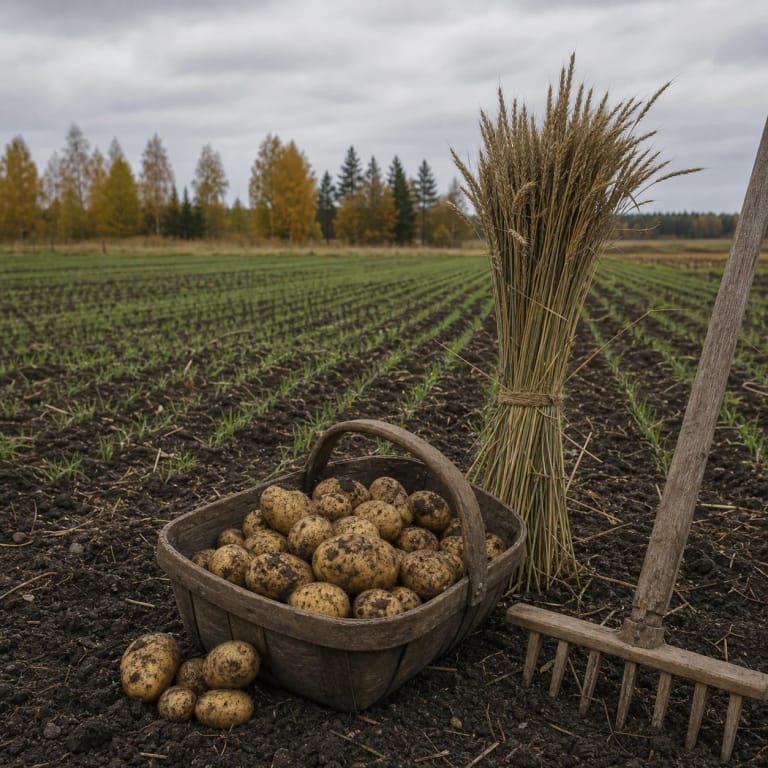
Mykolines: Michaelmas and Dagotuves
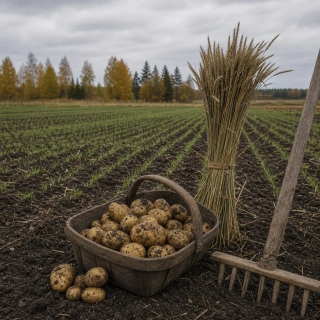
Harvest accounting, winter crops, potatoes, and the settling of the year around Michaelmas.
Customs and meanings: Mykolines: Michaelmas and Dagotuves
Autumn
October
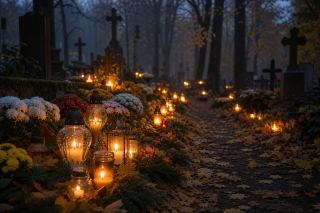
At the end of October, the year turns toward ancestors, remembrance, and darkness.
All Souls’ Day: November 2; the wider remembrance season begins in late October
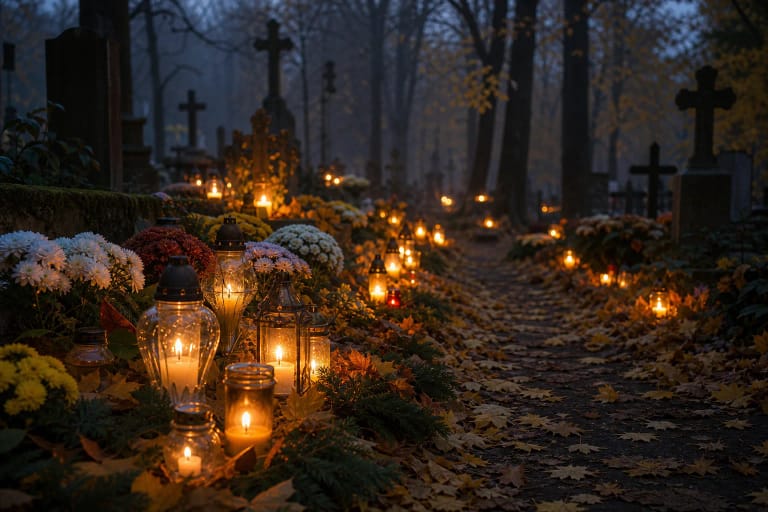
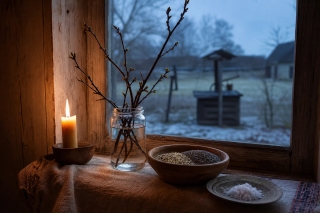
Velines: All Souls in Lithuania
Ilges and Velines quiet, cemetery visits, candles, and remembrance of the dead.
Customs and meanings: Velines: All Souls in Lithuania
Autumn
November
November closes pasturing, calls in winter for shepherds, and opens the Advent threshold.
All Souls’ Day: November 2; the wider remembrance season begins in late October
Velines: All Souls in Lithuania
Ilges and Velines quiet, cemetery visits, candles, and remembrance of the dead.
Customs and meanings: Velines: All Souls in LithuaniaNovember 11
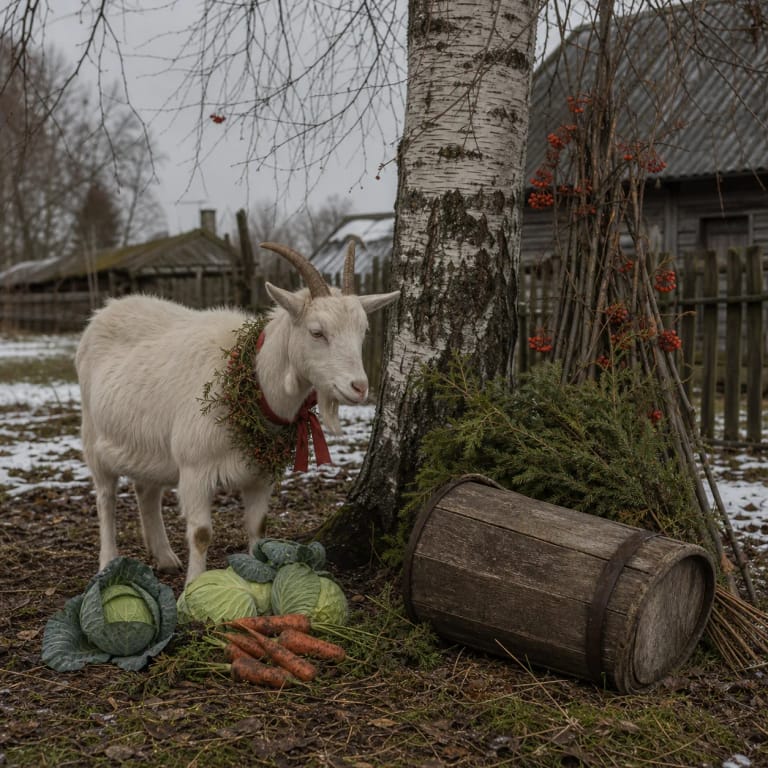
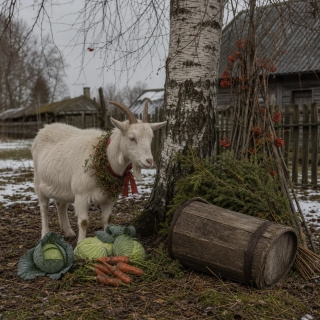
Martynines: St Martin's Day and Goat Day
The end of pasturing, hired-worker accounts, Goat Day, and shepherds calling winter.
Customs and meanings: Martynines: St Martin's Day and Goat DayNovember 30
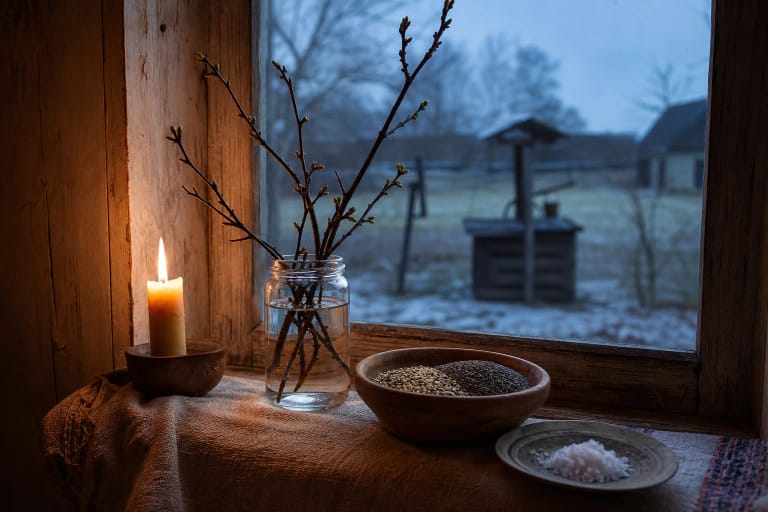
Andriejines: St Andrew's Eve Divinations
The Advent threshold with cherry twigs, well divination, seeds, and dream questions.
Customs and meanings: Andriejines: St Andrew's Eve DivinationsBegins on the fourth Sunday before Christmas (November 27–December 3), continuing until Christmas Eve evening
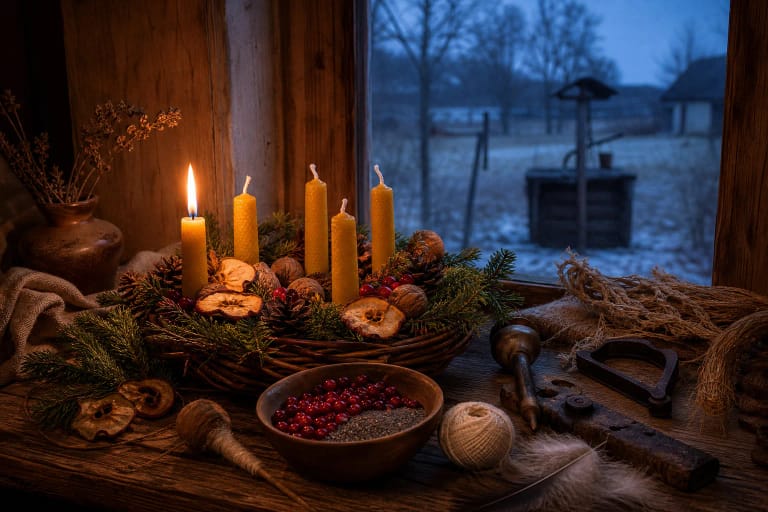
Advent in Lithuania
Quiet, fasting, evening gatherings, Advent songs, wreath candles, and wolf days.
Customs and meanings: Advent in Lithuania
Winter
December
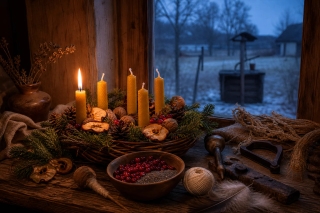
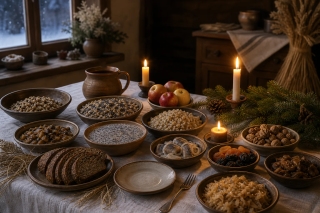
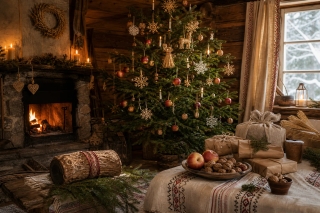
The year ends with waiting, the Kucios table, Christmas light, and a new cycle.
Begins on the fourth Sunday before Christmas (November 27–December 3), continuing until Christmas Eve evening
Advent in Lithuania
Quiet, fasting, evening gatherings, Advent songs, wreath candles, and wolf days.
Customs and meanings: Advent in LithuaniaDecember 24
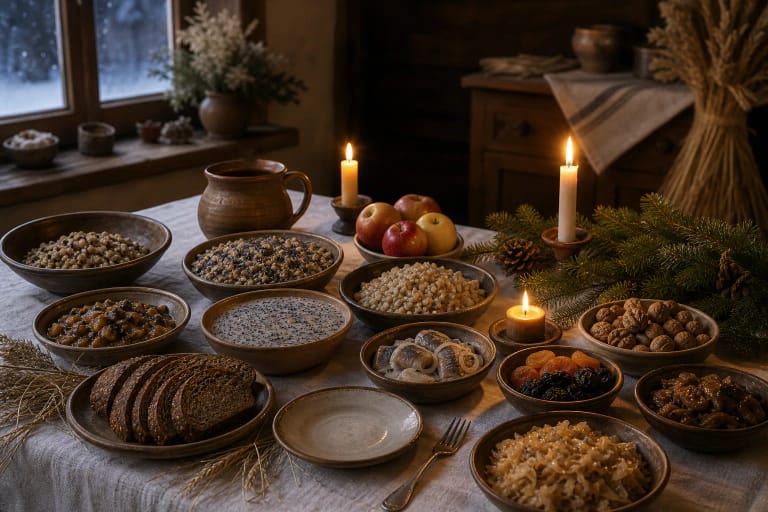
Kucios: Lithuanian Christmas Eve
The holy evening with the family table, twelve dishes, hay, souls, and future-telling.
Customs and meanings: Kucios: Lithuanian Christmas EveDecember 25
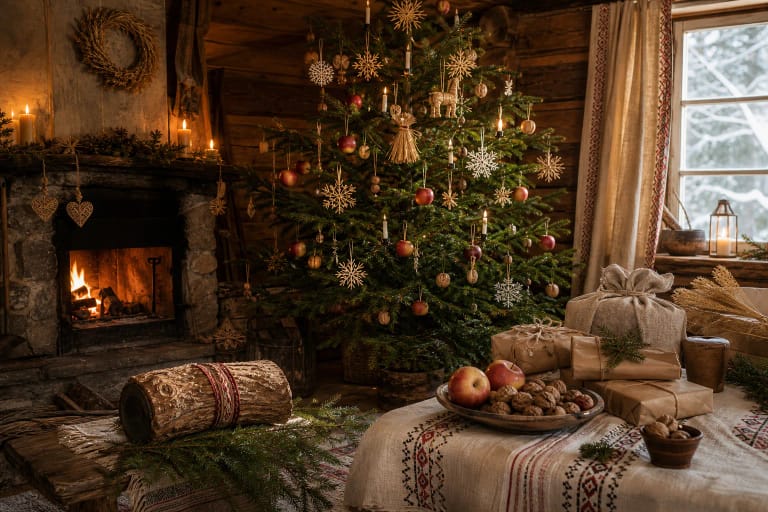
Christmas in Lithuania
Christmas morning, returning light, songs, visits, and the joy of winter feasts.
Customs and meanings: Christmas in LithuaniaBetween Christmas and Epiphany; check performance dates separately
The Šyvis white-horse custom in Gražiškiai
Masked household visits in Gražiškiai with music and good wishes; a person wearing a horse disguise plays Šyvis.
Customs and meanings: The Šyvis white-horse custom in Gražiškiai
How to read the Lithuanian ritual year
The calendar joins Christian feast days, older seasonal markers, household protection, agricultural work, family memory, and community celebration. Some dates are fixed; others move with Easter or local custom.