
Travel spots in Lithuania
Lakes and protected areas in Lithuania
Lake districts, river valleys, and national and regional parks that protect both nature and old cultural landscapes.
Search covers all 242 places in this category.
This category on the map →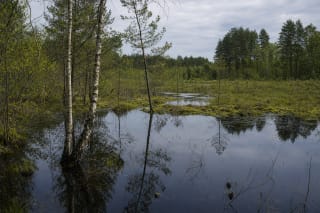
Aklažeris near Marcinkonys occupies a thermokarst hollow formed when a block of glacial ice buried beneath sediment melted away.
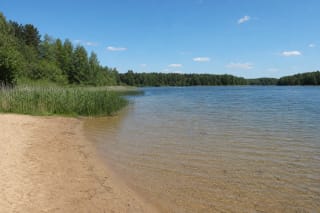
Alaušas Lake Beach is the Sudeikiai bathing site listed by Utena District Municipality.
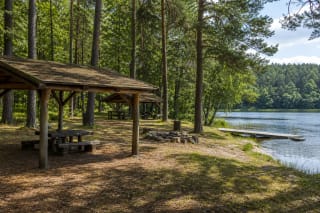
Almajo Campsite covers about five hectares of pine woodland on the south-eastern shore of Lake Almajas near Ginučiai.
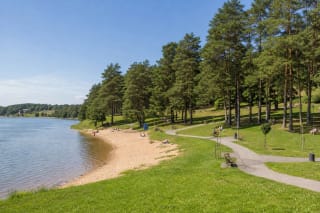
Ančia Dam Beach occupies the eastern shore of Skaudvilė Reservoir, created by damming the Ančia in 1975.
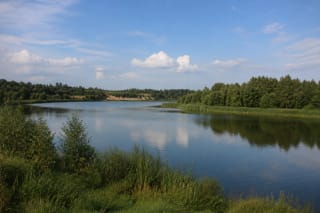
Angiriai Reservoir, also called the Šušvė Reservoir, is a roughly 248-hectare water body about 11 kilometres long in Kėdainiai District.
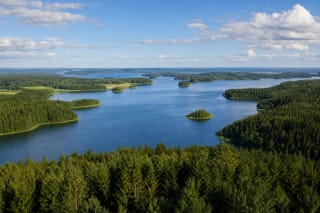
Antalieptė Reservoir is an artificial water body in Gražutė Regional Park, formed in 1959 when the Antalieptė Hydroelectric Power Plant dammed the Šventoji.
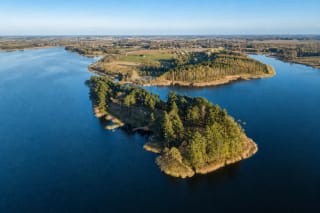
Arimaičiai Lake, also known as Arimaičiai Reservoir, is a 290-hectare impounded water body about 5.5 km northwest of Šeduva.
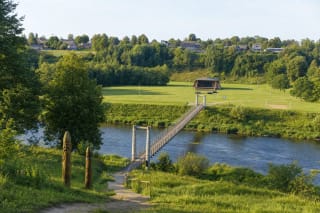
Ariogala Song Valley is the town's main recreation and event space beside the Dubysa.
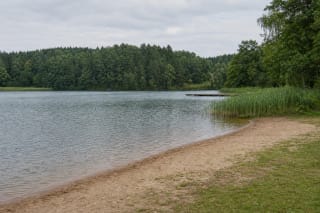
Aukštadvaris Beach, also called Nava Beach, is a public shore on Lake Nava in Aukštadvaris.
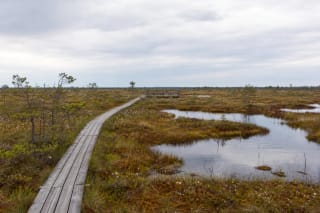
Aukštumala Raised Bog in the Pamarys region stands out for its wooden trail across the bog, the memory of an old kūlgrinda causeway, restoration work, and…
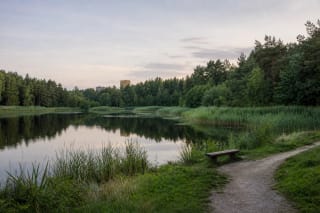
Aulaukis Lake lies on the edge of Giruliai Forest beside Klaipėda's northern residential districts.
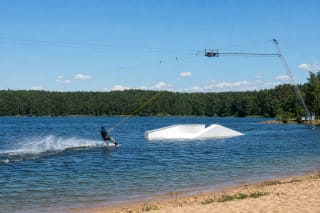
AWAY is a wakeboard and active-leisure park beside Elektrėnai Reservoir at Rungos g. 13.
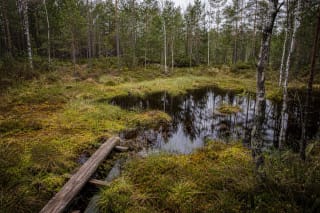
Bakanauskai Bog, more often called Bakanauskų pelkutė in official route descriptions, is a small wet stop on the Skroblus Nature Trail between Margionys and…
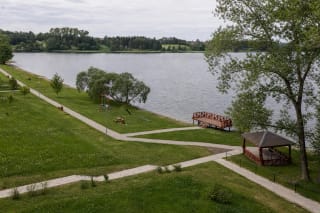
Balninkai Beach is the town’s main swimming place on Lake Alaušai.
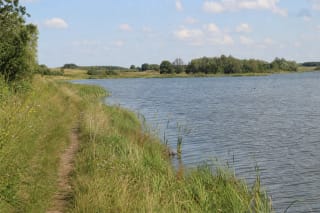
Balsupiai Pond is a roughly 36 ha reservoir on the Rausvė beside Balsupiai village, on the boundary of Marijampolė and Vilkaviškis District municipalities.
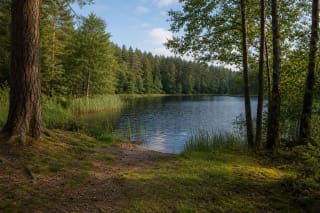
Baltasis Lake is a small forest waterbody in Pageležiai Forest District, Šilai Eldership, Jonava District.
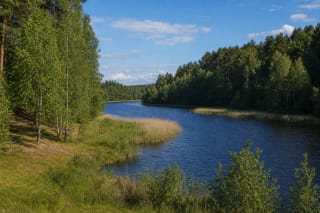
Baltoji Ančia in the Lazdijai region combines a 29.2 km Nemunas tributary, a hydrographic reserve, and the Baltoji Ančia Reservoir formed in 1955, so plan by…
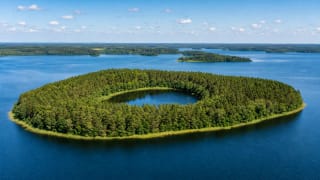
Baluošas Ilgasalė is a rare place in Aukštaitija National Park: on an island in Lake Baluošas lies another small lakelet, so the site is best understood not as…
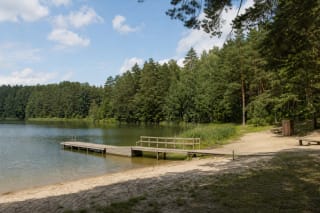
Balžis Beach I is a city-maintained bathing beach on Lake Balžis, also called Lake Bildžiai, in northeastern Vilnius.
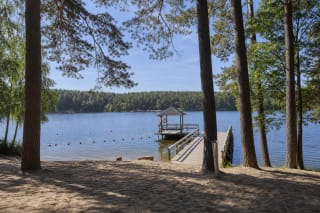
Balžis Beach II is a smaller, forest-framed city bathing beach on Lake Balžis in Vilnius.
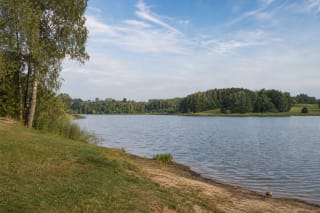
Bartkuškis Pond is a roughly 61-hectare water body in Jauniūnai Eldership beside Bartkuškis village, separate from nearby private Bartkuškis Lake.
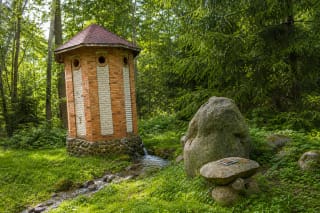
Bečiai Spring rises in Bečiai village on the northwestern side of Bečiai Pond, in the grounds of a former manor park.
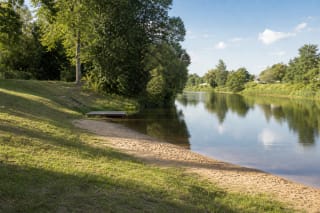
Berčiūnai Beach is a public recreation and bathing place beside the Sanžilė Canal in Berčiūnai, Panevėžys District.
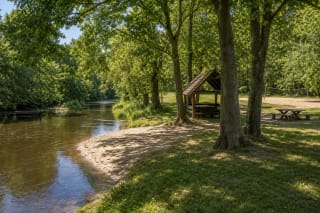
Beždžionių Beach is not a seaside resort but State Forest Enterprise recreation site RO22009 on the Šyša near Macikai.
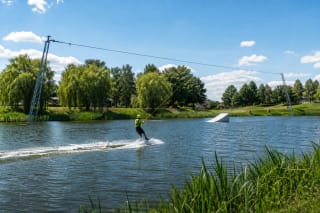
Birštonas Wake Park is a small wakeboard park beside the Birštonas pond on Karalienės Barboros alėja.
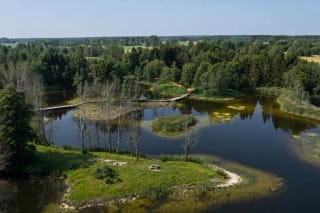
Biržai Regional Park is a 14,406-hectare protected natural, cultural, and recreational area in Biržai and Pasvalys districts.
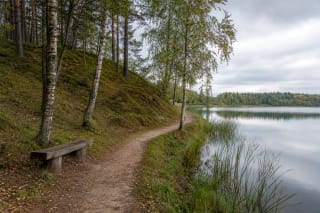
Bridvaišis Lake Recreational Trail is a short 0.6 km route in Tytuvėnai Regional Park, running beside the lake near Bridvaišis Hillfort and the Great Island.
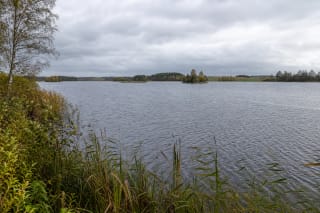
Bubiai Reservoir, also known as the Šiauliai Sea or Bubiai Lagoon, is a large Dubysa valley waterbody in Šiauliai District, about 8 km southwest of Šiauliai.
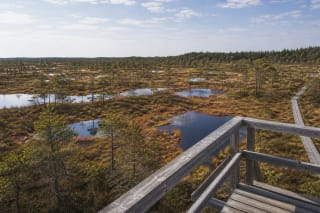
Čepkeliai Mire is Lithuania's largest raised bog and a strictly protected nature reserve, where visitors experience the wetland only on a marked trail and under…
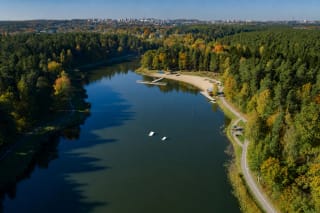
Dailidė Lakes are two separate Nemunas oxbow water bodies divided by an embankment in Alytus's Kurorto Park.
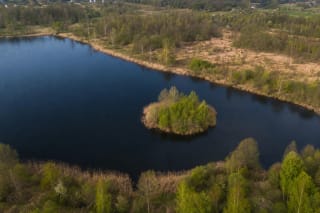
Dercekliai Pond is a small body of water in the settlement of Dercekliai, best recognised by its little wooded island.
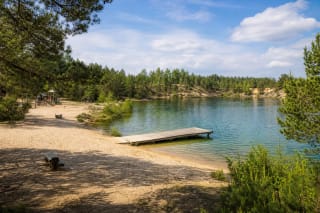
Dovilai Quarries are human-made water bodies filled after sand and gravel extraction, with a standing-water ecosystem and public recreation area.
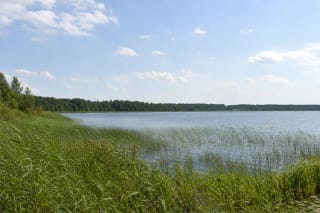
Draudenių Lake is a 106.5-hectare glacial lake in Tauragė District, about 3 km west of Žygaičiai.
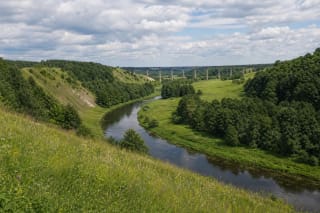
Dubysa Valley in Dubysa Regional Park protects one of Lithuania's most expressive erosional river landscapes: slopes cut by ravines, Maironis memory sites, the…
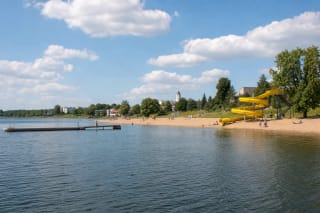
Elektrėnai Beach is a landscaped sandy shore on Elektrėnai Reservoir, complemented by walking paths, lighting, sport and children's areas, and a nearby pontoon…
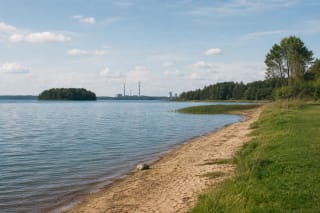
Elektrėnai Reservoir, also called Elektrėnai Pond, formed when the middle Strėva was dammed in 1962.
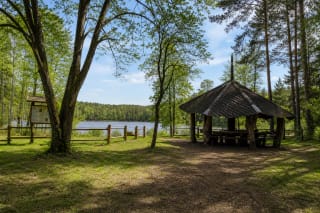
Elniakampis is a small forest lake in the Dūkštai-Šilėnai woodlands and the Neris Regional Park landscape.
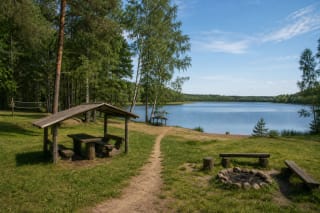
Gauštvinis Lake Campsite is a simple managed recreation site in Tytuvėnai Regional Park, beside the 128-hectare Gauštvinis Lake.
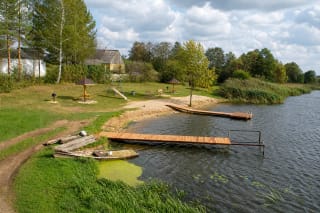
Gavaltuva Pond is a waterside recreation area beside Gavaltuva village and the Antanavas hydroelectric reservoir.
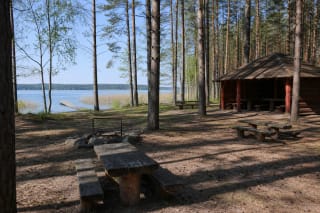
Gaveikėnai Campsite occupies roughly 1-1.3 hectares of pine woodland on the eastern shore of Lake Dringis.
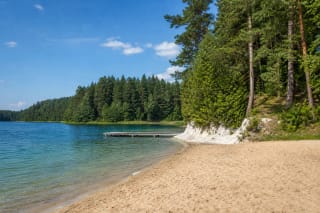
Gela Beach near Nemenčinė is a free, forest-framed bathing place with a sandy shore, a small wooden pier, and a distinctive layer of white sediment.
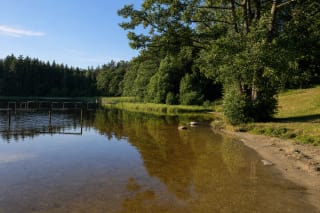
Geluva Beach is a specifically arranged bathing site on the eastern shore of Geluva Lake by Pageluvis village in Kurtuvėnai Regional Park.
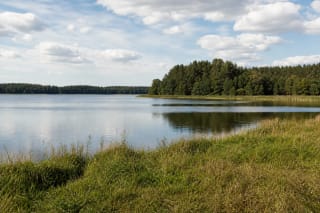
Germantas is a 165-hectare lake west of Telšiai, known for its highly indented shoreline, two islands, and a combination of wooded and partly boggy shores.
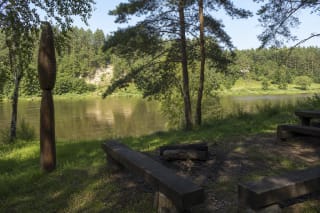
Giraitiškės Recreation Area occupies a shaded clearing in Prienai Forest on the left bank of the Nemunas, directly opposite Škėvonys Exposure.
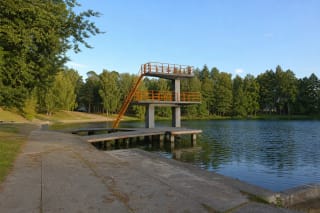
Girelė II Pond Beach is a public recreation site beside Girelė II Pond in Kaišiadorys.
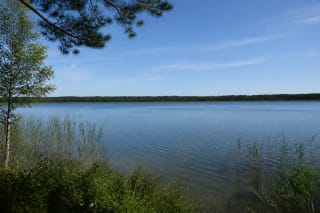
Glėbas is the official name of a 132-hectare lake in Varėna District, about 2 kilometres west of Varėna beside the Vilnius-Druskininkai road.
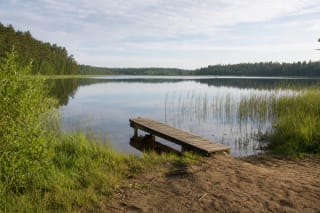
Glėbas Hydrographic Reserve protects the distinct glacial basin of Lake Glėbas and its wetland edge about 2 km west of Senoji Varėna.
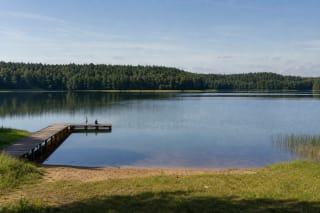
Glūkas is a forest-ringed thermokarst lake about 3 km north of Varėna.
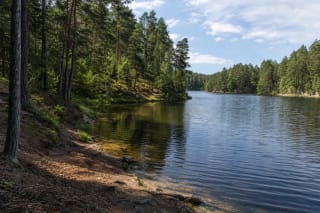
Glynas Landscape Reserve is a 281 ha protected area deep in Dzūkija National Park, about 6.5 km east of Merkinė.
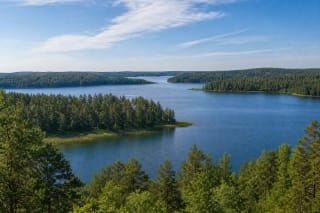
Gražutė Regional Park in the Zarasai and Ignalina area protects the lake-filled, forested upper Šventoji landscape with Lakes Luodis, Dūkštas, and Šventas, the…
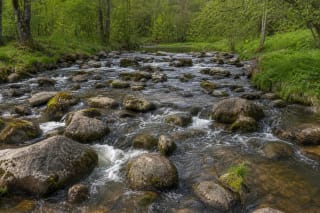
The Great Rapid is a natural stone threshold covering 0.33 ha of the Akmena channel.
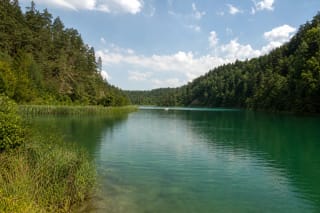
The Green Lakes are a group of six glacial tunnel-valley lakes on the northeastern edge of Vilnius, inside Verkiai Regional Park.
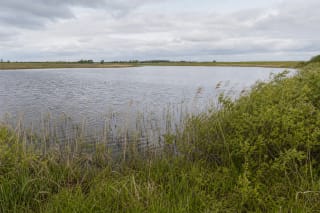
Gudelių Lake lies in Kairiai Eldership, Šiauliai District, about 3 km south of Kairiai and close to the Radviliškis District boundary.
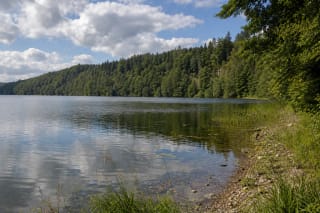
Guostus Lake, also referred to in local directions by the genitive form Guostaus ežeras, is a roughly 74-hectare lake 3.5 kilometres northeast of Stakliškės.
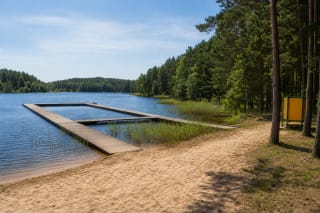
Ignalina Town Beach is on Lake Gavys at the south-western edge of Ignalina.
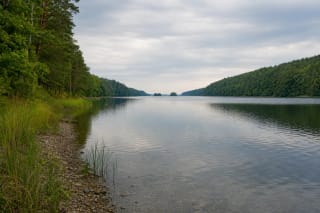
Lake Ilgai is a 133.3-hectare glacial-channel lake in Trakai District, about 8 km southeast of Semeliškės.
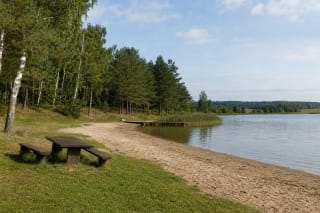
Ilgutis Lake Beach is in Mažieji Lygainiai, Vilnius District, beside the lake also called Lake Lygainiai.
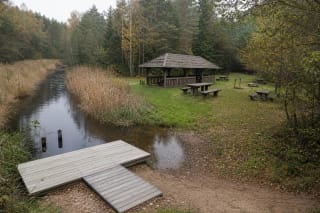
Ineigos Campsite lies beside a narrow, reed-lined stretch of the Būka River near Vyžiai.
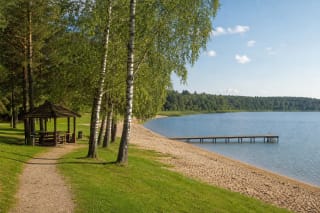
Inturkė Beach is a public bathing place on Lake Galuonai, on Paplūdimio Street.
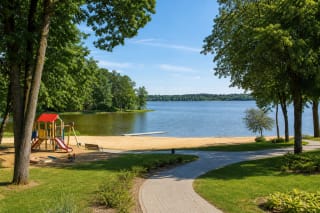
Jieznas Lake Beach is a town recreation space beside the former manor park.
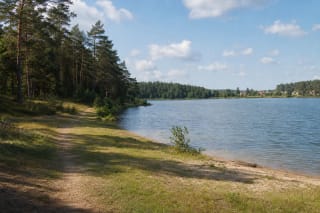
Jūrės Pond is a roughly 32 ha reservoir on the River Jūrė in the Kazlų Rūda forests, beside Jūrė and Kazliškiai villages.
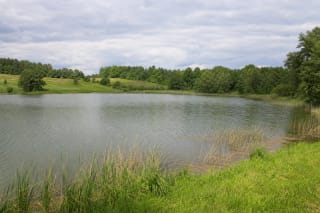
Jurgežeriai Lake is a small water body beside Jurgežeriai village, a few kilometres from Kalvarija.
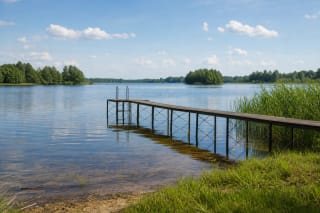
Kairiai Beach is a local recreation and swimming site on the north-eastern shore of the dammed Kairiai Lake.
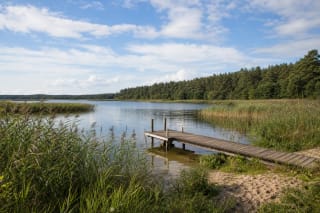
Kalotė Lake in Seaside Regional Park is a shallow, reed-fringed coastal lake of lagoon origin only a few kilometres from the Baltic.
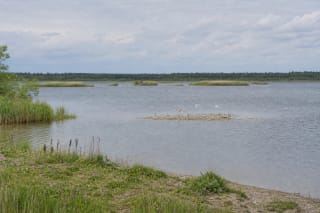
The place marked as Quarry Lake in Ketvergiai is the northern shore of Kalviai gravel quarry, a former extraction site that filled with water and formed a lake…
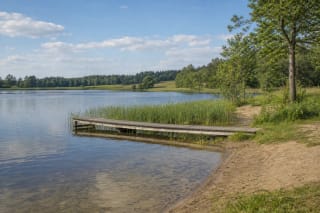
Kalviai Lake lies in Kalviai village, about 5 km south of Kruonis, and is one of the largest water bodies in Kaišiadorys District.
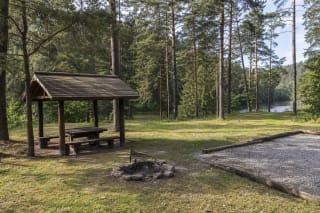
Karageliškiai Campsite is a public riverside rest place on the Neris in Neris Regional Park, within Elektrėnai Municipality.
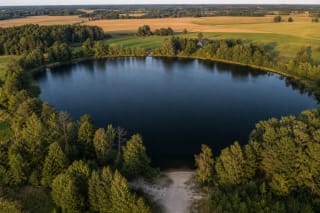
Kašučiai Lake between Barkeliai and Kašučiai is the only natural lake in Kretinga District.
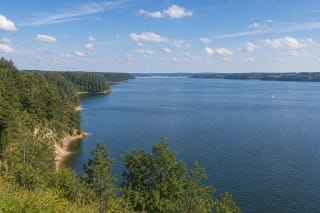
Kauno Marios is Lithuania's largest artificial body of water, created by damming the Nemunas.
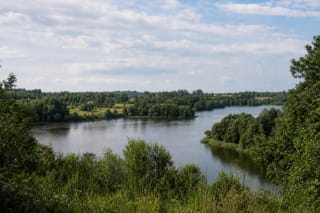
Kiemeliai Lake is a small 3.7-hectare body of water near Kiemeliai village in Žiežmariai Rural Eldership, Kaišiadorys District.
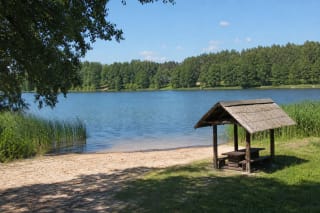
Kiementas, also called Giedraičiai Lake, is a 98.6-hectare Molėtai District water body beside Giedraičiai.
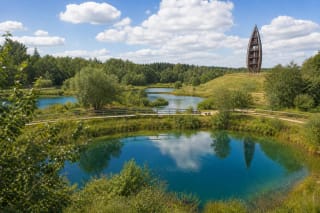
The Kirkilai karst lakes in Biržai Regional Park are a system of water-filled sinkholes where gypsum karst, a pontoon trail, and the observation tower help…
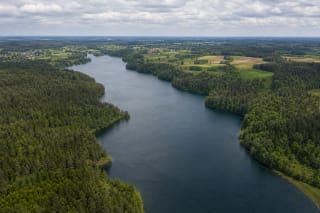
Klykių Lake is a small but very deep tunnel-valley lake in Utena District, about 4 km north-west of Tauragnai.
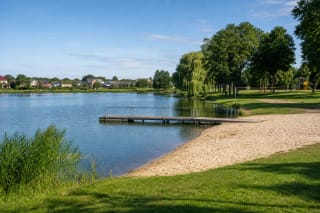
Kretinga City Beach is a recreation area at a 2.9-hectare pond, with a sandy shore, pontoon, changing cabins, toilet, children's play area, and beach-volleyball…
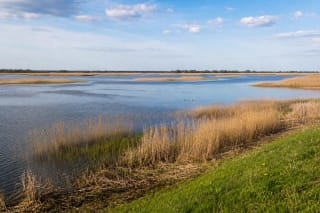
Krokų Lanka is a shallow lagoon-origin lake in the Nemunas Delta, formed when Nemunas alluvium cut off part of the Curonian Lagoon.
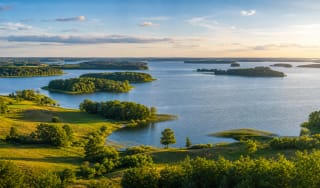
Kupiškis Reservoir, officially the Kupiškis or Lėvuo Reservoir, is a large Aukštaitija water body formed by damming the Lėvuo in 1986.
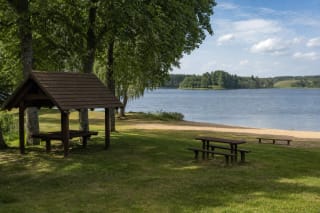
Laičiai II (Paežeriai) Dam Bathing Site is a public beach in the Paežeriai recreation area beside Rozalimas Forest Park.
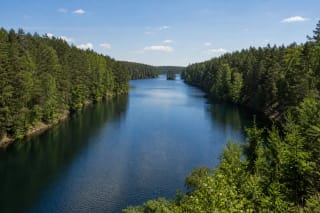
Aisetas is a 16 km lake in Labanoras Regional Park, yet no more than about 0.6 km wide.
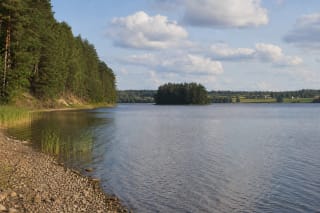
Akmena is a large glacial lake in Trakai District, about 3 kilometres northwest of Trakai, by the road towards Vievis.
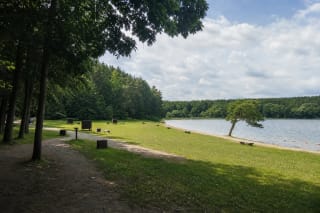
Lake Akmena Beach is at Karaimų St. 102 in Trakai, beside Lake Akmena.
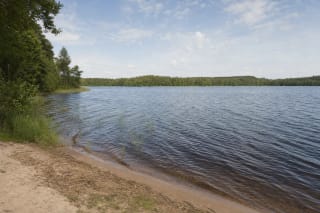
Lake Alaušai is a large lake in western Molėtai District, near the boundaries with Anykščiai and Ukmergė districts.
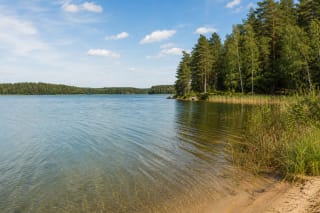
Lake Alaušas is a large Utena District lake near Sudeikiai, where sandy shallows, forests, islands, Bikuškis Manor's peninsula, and Maneičiai Hillfort meet.
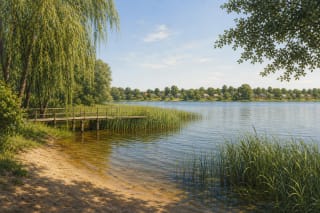
Lake Ančia is a large, irregular lake in Veisiejai Regional Park, with the town of Veisiejai on its northern part.
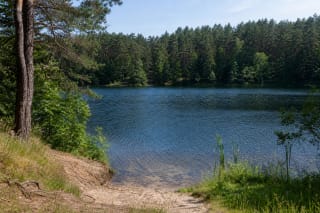
Lake Antavilis is a 17-hectare water body of state significance in Antaviliai, in north-eastern Vilnius.
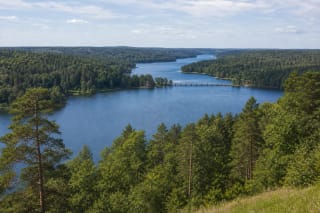
Lake Asveja, also called Lake Dubingiai, is Lithuania's longest lake: a narrow, deep, winding waterway with Dubingiai Bridge, a castle site, and wooded slopes.
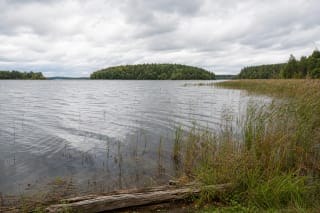
Lake Avilys, also known as Aviliai, is a large Zarasai-region lake shaped by islands, bays, and peninsulas.
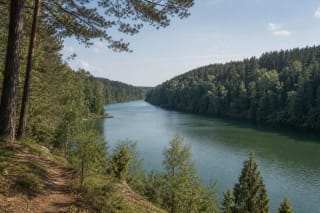
Lake Balsys, also known as Kryžiokai Lake, is the largest and deepest lake in the Green Lakes group on the northeastern edge of Vilnius.
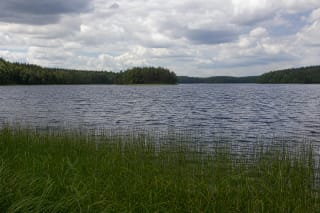
Lake Baluošas is a 427-hectare tunnel-valley lake in Ignalina District, within the landscape of Aukštaitija National Park and the Baluošas Landscape Reserve.
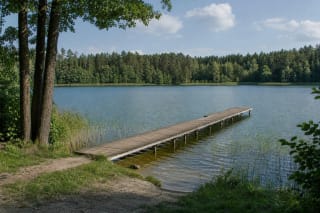
Lake Balžis, also called Balžio ežeras or Lake Bildžiai, is a wooded Vilnius lake with two officially managed bathing beaches.
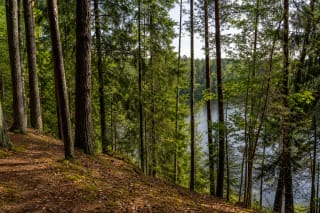
Lake Barsukynas, also called Barsukynas, is a small forest lake in the Pageluvis Landscape Reserve of Kurtuvėnai Regional Park.
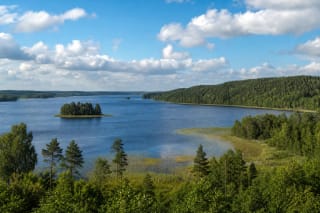
Bebrusai is a branching lake of roughly 375-378 hectares in Labanoras Regional Park.
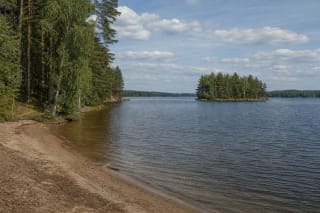
Lake Bėlys lies about 5 km northeast of Švenčionys in Bėlys Forest and Sirvėta Regional Park.
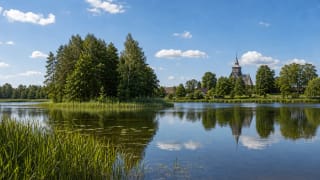
Lake Beržoras is a small but important landscape point in Žemaitija National Park beside old Beržoras village, linking a 52 ha lake with an island, the Beržuoja…
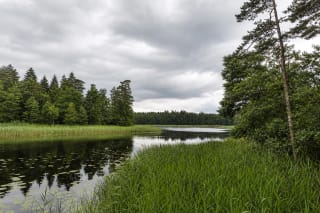
Lake Bijotė is a forested 61-hectare water body in Kurtuvėnai Regional Park, about 4 km south of Kurtuvėnai.
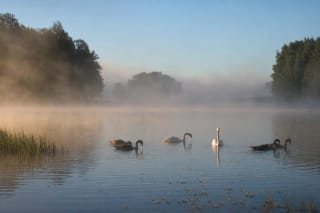
Lake Bridvaišis lies roughly one kilometre southeast of Tytuvėnai and belongs to the regional park's protected lake chain.
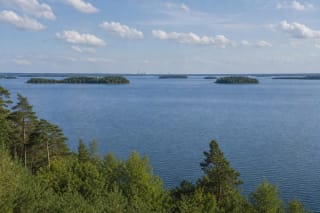
Lake Drūkšiai is Lithuania's largest lake, spreading across the country's north-east by Visaginas, reaching the Belarusian border and lying close to Latvia.
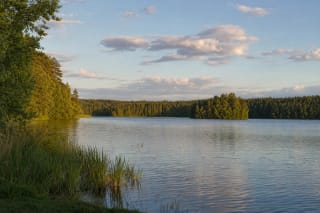
Lake Dūburys is a glacial trough lake in Zarasai District, 3 km southeast of Antazavė.
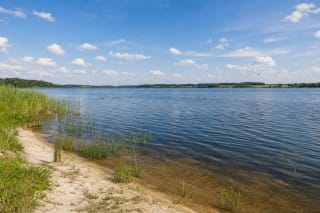
Lake Dusia in Meteliai Regional Park is one of Lithuania's largest lakes and a key southern Lithuanian water landscape, important for recreation, birds, and…
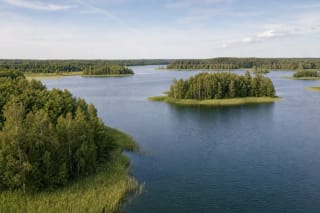
Galuonai is a 582-hectare Molėtai District lake with five islands, a 20.3 km shore and the long Gėluotas bay.
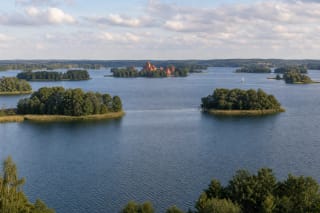
Lake Galvė is a 361-hectare lake in Trakai Historical National Park, with 21 islands, a deep tunnel-valley and dammed basin, and a historic landscape shaped by…
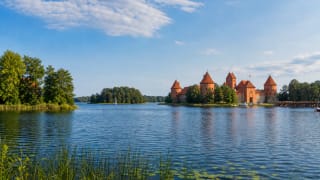
The islands of Lake Galvė form one of the most recognizable landscapes of Trakai Historical National Park: 21 islands, 14.9 ha in total, in a 361 ha lake.
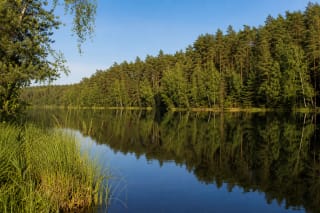
Lake Geluva is a small forest lake in Kurtuvėnai Regional Park, about 4.5 km southeast of Kurtuvėnai.
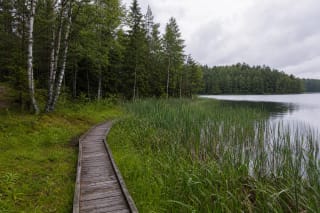
Lake Gilius lies beside Tytuvėnai in Tytuvėnai Regional Park.
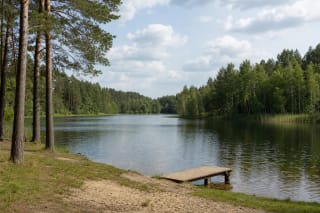
Lake Ilgis, also called Ilgio ežeras, lies by Grūtas in Druskininkai Municipality.
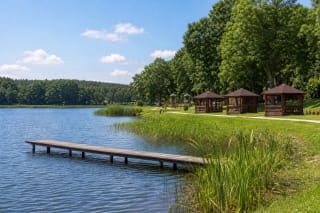
Lake Ilgis is a 75.3-hectare lake in Alytus District, about 1 kilometre east of Pivašiūnai.
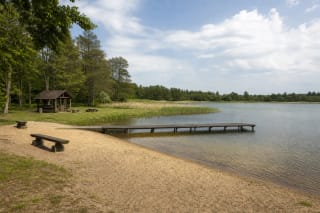
Lake Kapstatas, commonly presented to visitors as Kapstato ežeras, lies about a kilometre north of Endriejavas.
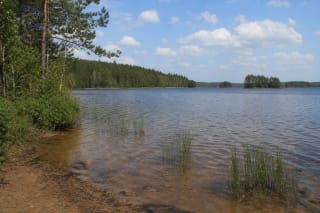
Lake Kertuojai is one of the largest but shallowest lakes in Labanoras Forest.
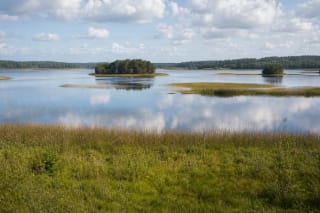
Lake Kretuonas is the largest and one of the oldest lakes in Aukštaitija National Park, known for bird colonies and Stone Age settlements on its shores.
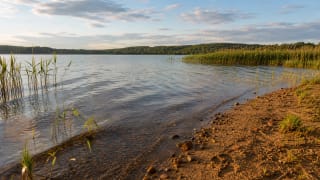
Lake Lūkstas near Varniai is a large Samogitian lake in Varniai Regional Park, linked with amber, Debesnas Bog, ancient settlements, and the Sietuva kūlgrinda.
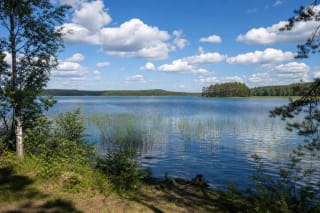
Luodis is a 1,287.6-hectare lake in Gražutė Regional Park crossed by the River Šventoji.
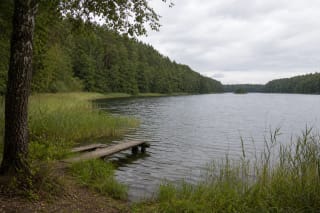
Lake Margis is a 121.3-hectare glacial lake in Trakai District Municipality, about 7 kilometres southwest of Trakai beside the Trakai-Aukštadvaris road.
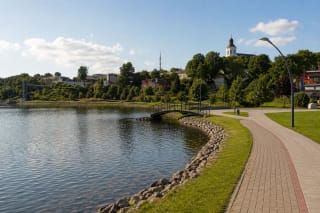
The Lake Mastis waterfront is neither the entire 272.2-hectare lake nor one short path.
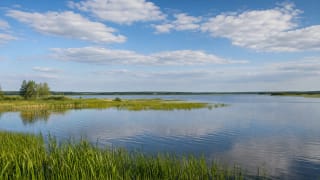
Lake Metelys is one of the three great water bodies of Meteliai Regional Park: a 1,289.5 ha mixed-origin lake between Dusia and Obelija, important for…
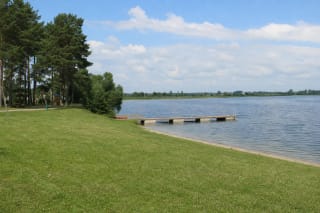
Lake Metelys Bathing Area is the official public swimming place at Ežero g. 47A in Meteliai.
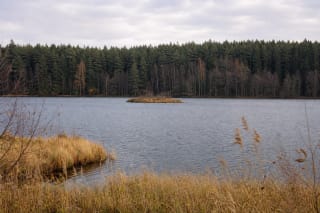
Lake Neprėkšta covers about 41 hectares beside Neprėkštos village in Palomenė Eldership.
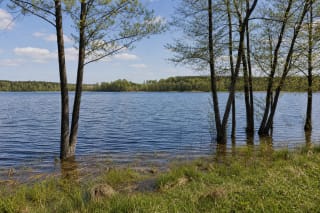
Lake Niedulis is a 52.7-hectare thermokarst lake in Alytus District, about 3.5 kilometres northeast of Daugai.
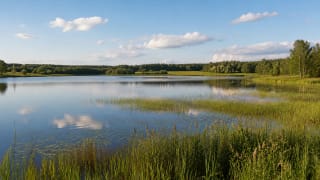
Lake Obelija is the third great water body of Meteliai Regional Park: a 573.4 ha elliptical lake with shallower habitat-rich shores, the Obelytė outflow,…
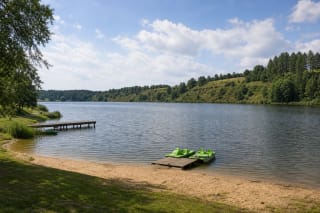
Lake Orija, also called simply Orija, is the largest lake in Kalvarija Municipality: a tunnel-valley lake with high, steep shores about 3 km south of Kalvarija.
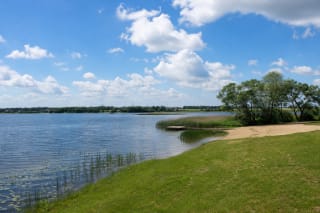
Lake Paežeriai lies on the western edge of Vilkaviškis and has covered 398.4 hectares since it was impounded in 1983.
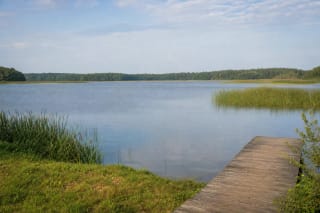
Lake Paršežeris is a 193.4 ha shallow lake in Šilalė District, about 4 km northeast of Laukuva.