- Place
- Zarasai and Ignalina district municipalities, near Visaginas
- Region
- Aukštaitija
- Type
- Lithuania's largest lake, a border and hydrographic water body
- Address
- Lake Drūkšiai, Zarasai and Ignalina districts, near Visaginas
- Coordinates
- 55.61000, 26.57000
Drūkšiai, Drysviaty
Lake Drūkšiai: Lithuania's largest lake
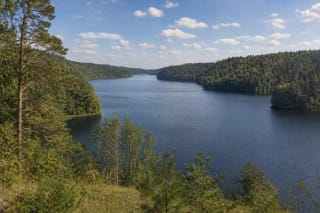
Lake Drūkšiai lies in the far north-eastern corner of Lithuania, on the edge of Zarasai and Ignalina districts, by Visaginas. VLE identifies it as Lithuania's largest lake: the total area is 4,480 ha, of which about 1,000 ha belongs to Belarus. The lake stretches north-west to south-east, is 10.4 km long and up to 9.9 km wide, and its water surface is 141.6 m above sea level.
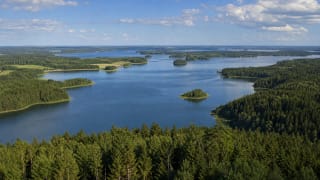
Its scale is not only about width. Drūkšiai is also fairly deep: VLE gives a maximum depth of 33.3 m in the western part and an average depth of 8.2 m. The shoreline is winding and 60.5 km long, and the lake has 10 islands, the largest being Pilies Island, 21 ha. The relief formed during the Ice Age: the lake basin follows a 500-600 m wide glacial tunnel valley, so the bottom is uneven.
A border lake at the meeting point of three states
Lake Drūkšiai is transboundary. Most of it belongs to Lithuania, the south-eastern edge belongs to Belarus, and the northern shore is only about 2 km from the Latvian border. The state border crosses the lake, so visitors should know that boating and fishing are allowed only on the Lithuanian side and in line with border-regime rules.
The water body's catchment is large, about 470 km2, with 97 lakes. Eleven streams flow into Drūkšiai, the largest being Apyvardė, Smalva, Gulbinė, Ričia, and Karosinė. Water flows out through the Prorva stream. Because of this border position and large catchment, the lake has long been important both naturally and strategically.
The lake and the Ignalina Nuclear Power Plant
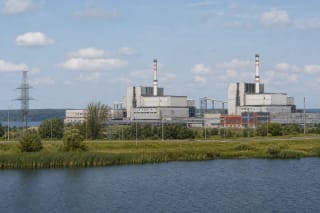
In the late twentieth century, the name Drūkšiai became inseparable from the Ignalina Nuclear Power Plant. From 1983 to 2009, the lake served as the plant's cooling-water source: reactor water returned to the lake warmer. VLE states that after the plant began operating, water temperature rose by 2-3 degrees, and in winter more than 10 percent of the lake surface remained unfrozen.
This connection made Drūkšiai one of Lithuania's most studied lakes. Detailed environmental studies were carried out in 1974-1980, before the plant began operating, and later the effects of thermal pollution were monitored. Since the plant closed in 2009, the lake has gradually been returning toward a more natural regime, and for visitors it now tells both natural history and Lithuanian energy history.
Nature and protected values
Lake Drūkšiai is included in the Natura 2000 network as an important area for bird and habitat protection. According to VSTT data, great egret, great bittern, and otter habitats are protected here, while changing water levels in shallows and bays create rich shore habitats.
The shore shallows are mostly gravelly and sandy, 20-50 m wide in bays and 100-150 m wide in more open places. That matters not only for nature but also for visitors: shallow shores suit birdwatching, while the deeper western part contributes to the lake's clarity and fish richness.
How to visit Lake Drūkšiai
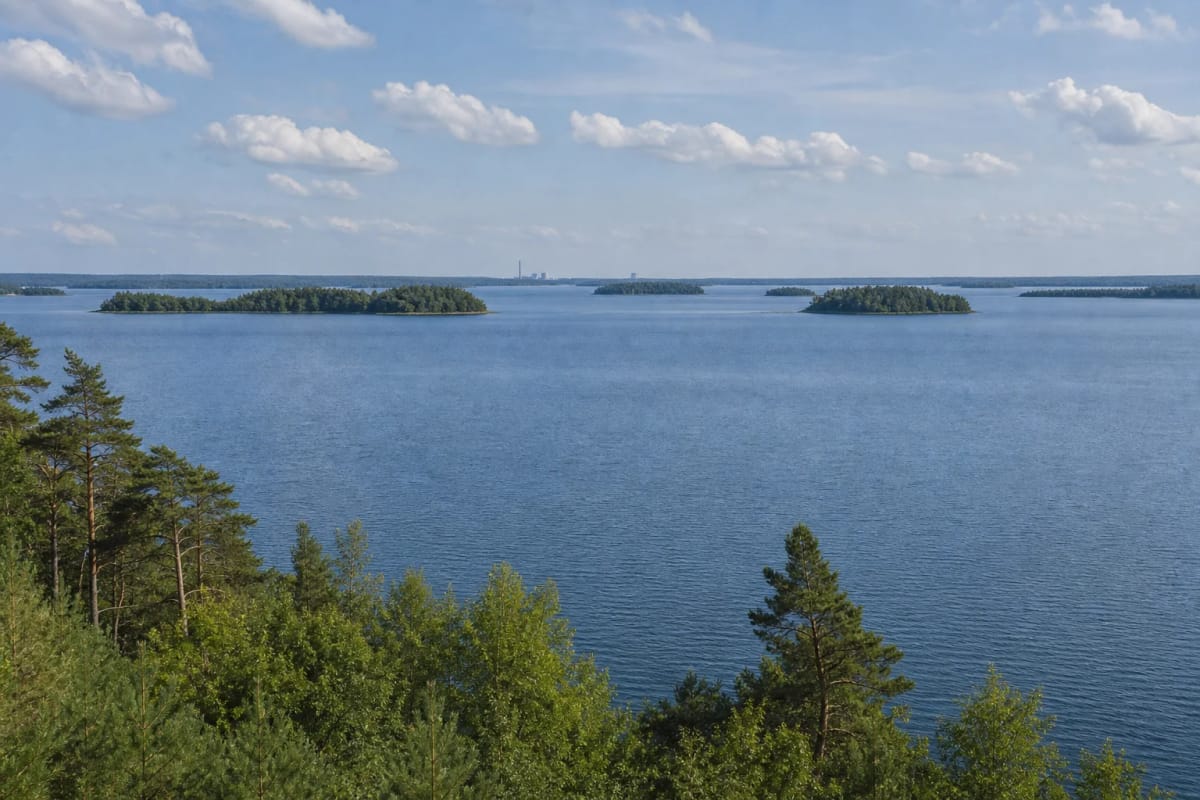
The easiest approach is from the Lithuanian side, from Visaginas or from Drūkšiai village, which stands on a peninsula. From there you get wide water views, and on calmer days distant islands are visible. The eastern and southern shores lead toward the Belarus border, so choose officially accessible Lithuanian shores and do not cross the state border.
The best time to visit is from late spring to autumn, when walking the shores and watching birds is easiest. Fishing requires a valid permit and compliance with inland-water rules; additional requirements may apply in the border zone, so before travelling it is worth checking current State Border Guard Service and Environmental Protection Agency rules.