- Place
- Varėna District Municipality
- Region
- Dzūkija
- Type
- state hydrographic reserve
- Address
- Lake Glėbas, about 2 km west of Senoji Varėna
- Coordinates
- 54.24888, 24.50541
- Visit duration
- 30-90 minutes from a chosen lawful access point
- Best time
- a quiet morning or evening from spring to autumn; avoid disturbing birds during migration and breeding
Glėbas Reserve, Glėbas State Hydrographic Reserve
What the 252.84 ha reserve protects
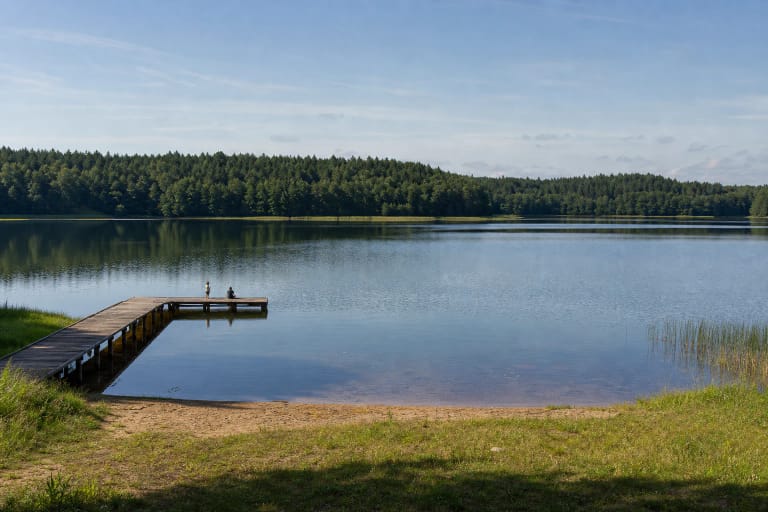
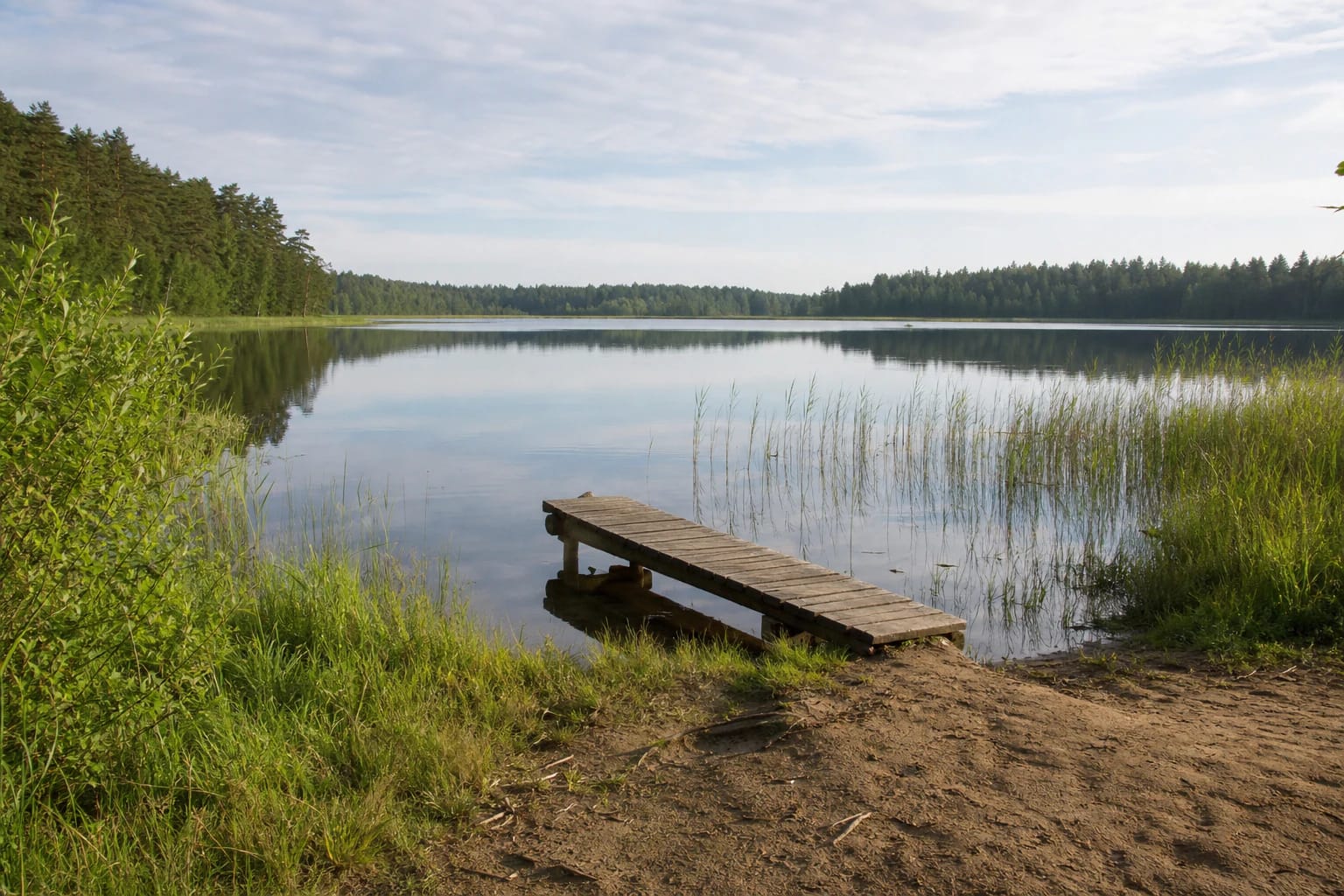
Glėbas State Hydrographic Reserve was established in 1988. It covers 252.84 ha and its central purpose is to preserve the distinct glacial basin of Lake Glėbas together with its surrounding wetland edge.
The basin is connected with processes of glacial melting and a depression in the terrain, so conservation concerns the complete form of the water body and its shores. The reserve's name does not mean that only the open water is protected.
Birds, mires, and western taiga
The encyclopedia records mute swans breeding on the lake and common goldeneyes and goosanders in the surrounding area. Watch them from a distance, particularly in spring and early summer when breeding sites are most vulnerable to disturbance.
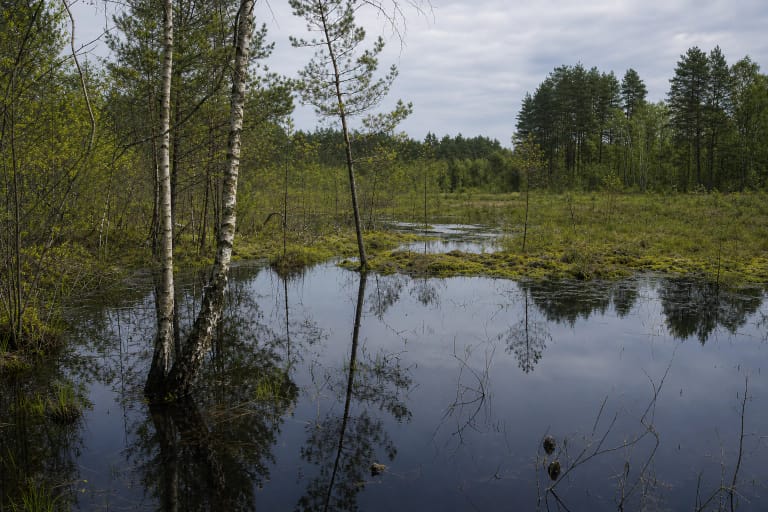
Almost all the reserve overlaps a European Natura 2000 habitat-protection area. Transition mires and quaking bogs, as well as western taiga, are identified here, making the wet shore and forest every bit as important as open water.
A reserve rather than one visitor attraction
The Google marker and coordinates indicate a representative point in the protected area beside Lake Glėbas, not an official main entrance or car park. The reserve is extensive, and access, shore ownership, and seasonal conditions vary.
Choose only a public, lawful approach and follow signs on site. Do not drive along forest roads where traffic is restricted, park on vegetation, or force a route to every part of the shore through wetlands.
Swimming and responsible time by the water
Varėna District Municipality includes the Lake Glėbas bathing place in seasonal monitoring. The first results published on 1 June 2026 met requirements, but one early-season result does not guarantee conditions throughout the summer.
Check the latest municipal notice and signs before swimming. Leave no waste, create no new fire sites, prevent dogs from chasing birds, and do not step onto unstable quaking-bog or mire surfaces.