
Travel spots in Lithuania
Museums in Lithuania — page 3
Continue the collection with entries 241-360 of 462.
Museum guides
Each place page combines cultural context, practical details, and visitor orientation.
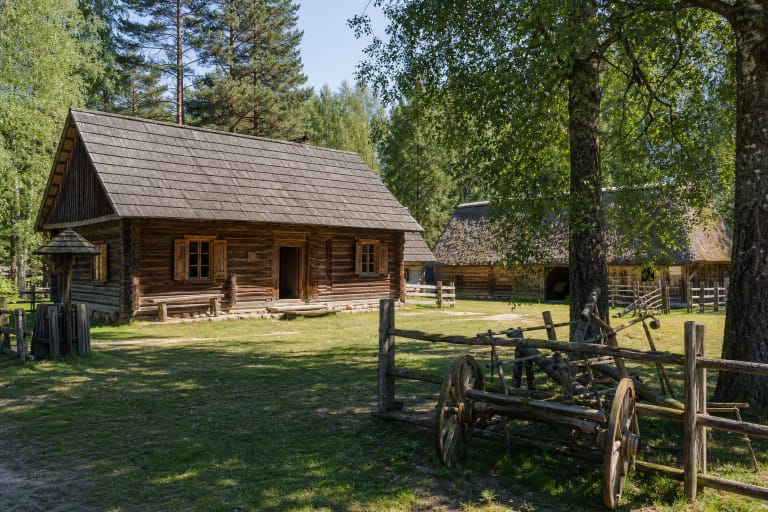
Marcinkonys Ethnographic Homestead is a 1905 house-and-barn homestead in Dzūkija National Park, open to visitors since 1994.
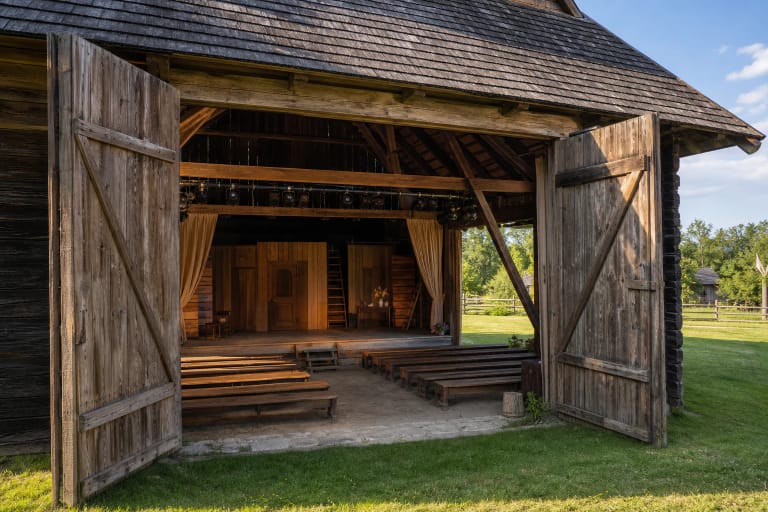
Margionys Barn Theatre is a living Dzūkija village theatre founded in 1929 and long shaped by Juozas Gaidys's dramas.

Marijampolė Drama Theatre on P. Armino Street has hosted several distinct theatrical eras: a wartime company publicly opened here in 1942, followed by post-war…

The Marijampolė Regional and President Kazys Grinius Museum is one of Suvalkija's oldest museums, founded in 1933.

Marijampolė Sports History Museum opened on 23 May 2024 inside the Marijampolė Sports Centre at 1 Gamyklų Street.

Martynas Jankus Museum in Bitėnai, founded in 1981, operates in a reconstructed Lithuania Minor printing house with a working printing press; it tells the story…
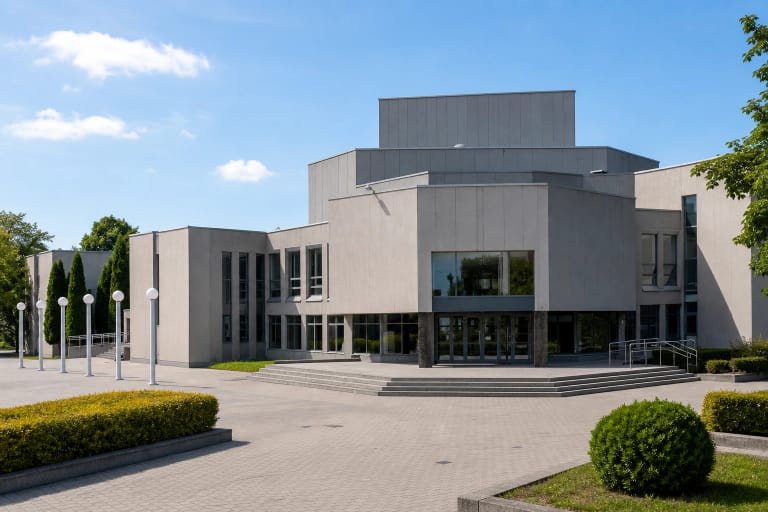
The Mažeikiai Culture Centre at 11 Naftininkų Street hosts concerts, theatre, exhibitions, festivals, and amateur arts groups.
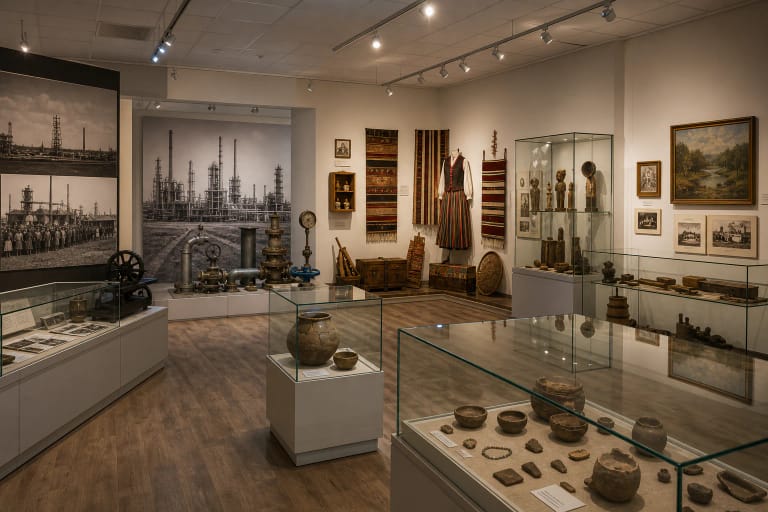
Founded in 1928 on the initiative of teacher Stasys Ličkūnas, Mažeikiai Museum manages four branches and holds more than 79,000 objects covering regional…
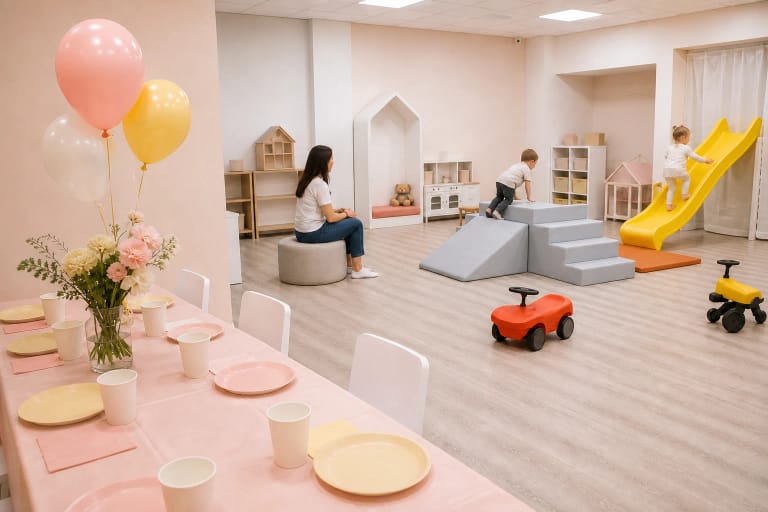
Mažųjų karalystė is a permanent children's play and family celebration venue on the fifth floor of Vilnius's CUP shopping centre.
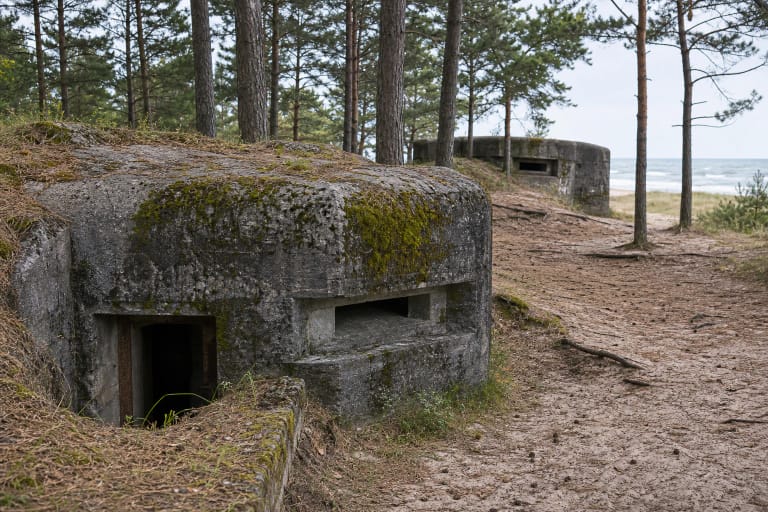
Memel Nord at Kukuliškiai near Giruliai is Lithuania's only surviving fortification of this type: a 1939 Nazi coastal-defence battery with concrete bunkers in…

MėmelGP at Mickai is a kart track opened in 2016 and expanded to 650 m, combining covered concrete and open asphalt in one circuit.

Mėmelio Vynas in Pangesai is a small family winery turning local berries and fruit into dry, semi-dry, and semi-sweet wines in limited batches.
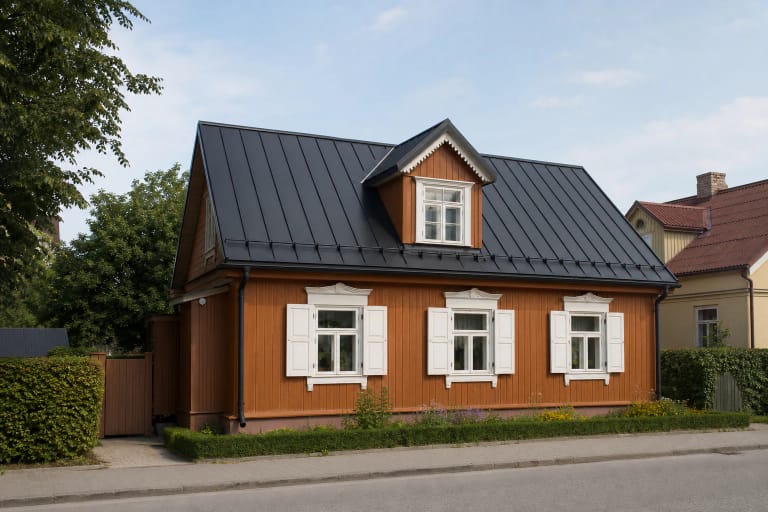
The Memorial Museum of Lithuanian President K. Grinius occupies a 19th-century wooden house at Bažnyčios g. 23 in Marijampolė.
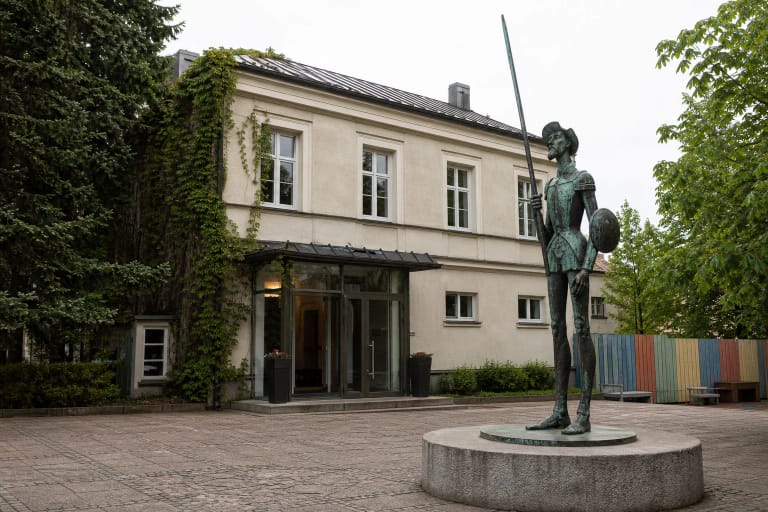
Menas Theatre occupies a building on Vasario 16-osios Street where Panevėžys's first cinema, Iliuzija, opened in 1910 and the renamed Menas cinema began…
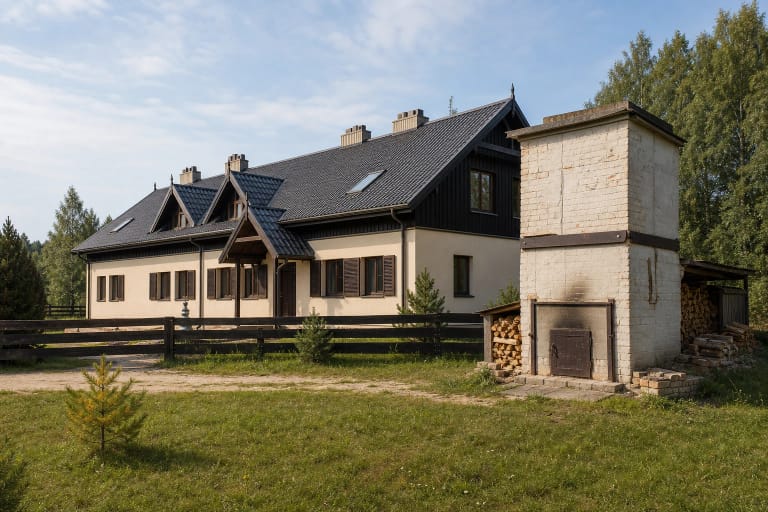
Meniškas kaimas Traditional Crafts Centre in Bebrusai keeps black-pottery traditions alive through workshops, seminars, and exhibitions.
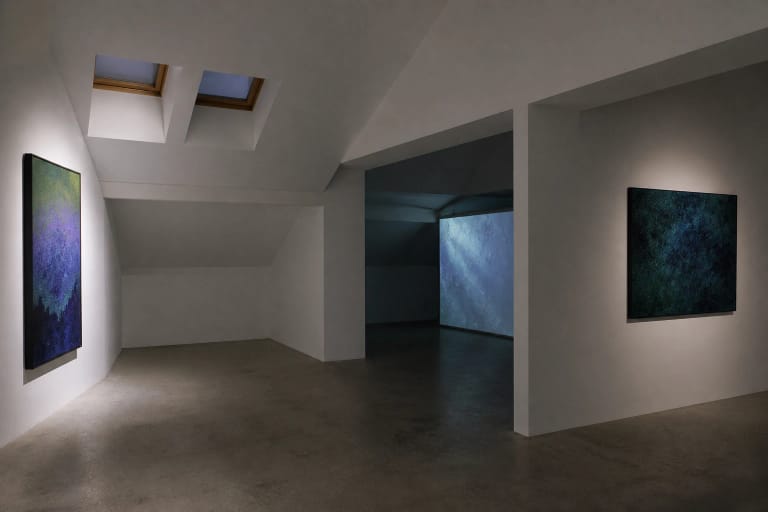
Meno Parkas Gallery is a contemporary-art venue at Rotušės Square 27, founded in 1997 by the Kaunas branch of the Lithuanian Artists' Association.
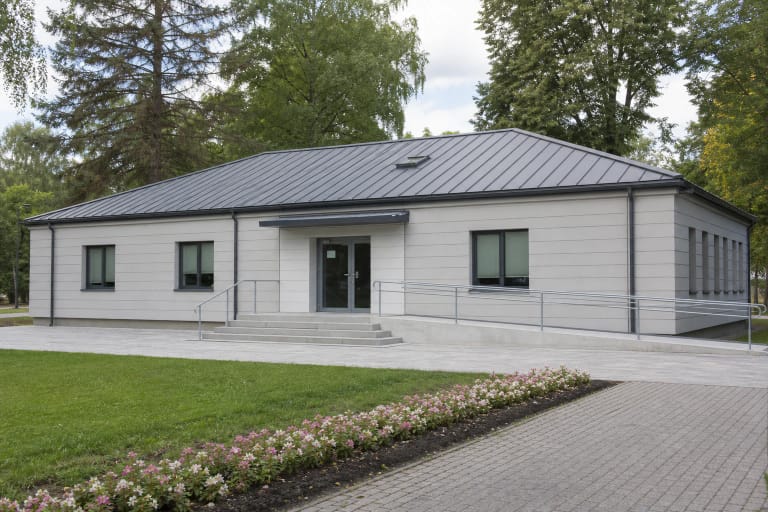
Menų Kalvė Craft Centre occupies a converted former bathhouse on M. K. Čiurlionio Street in Druskininkai.

Merkinė Region Museum operates in an 1888 Orthodox church built on the foundations of the sixteenth to seventeenth-century town hall, and since 1968 has…
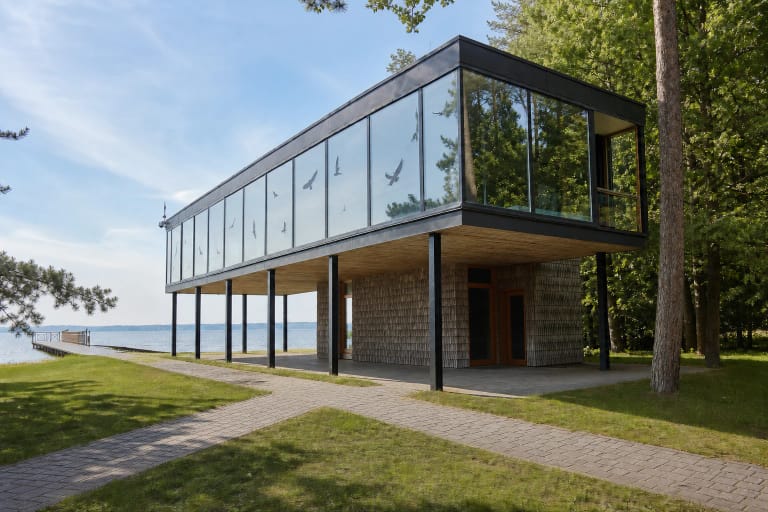
The Meteliai Regional Park Visitor Centre is a glass-walled building looking onto Lake Dusia.
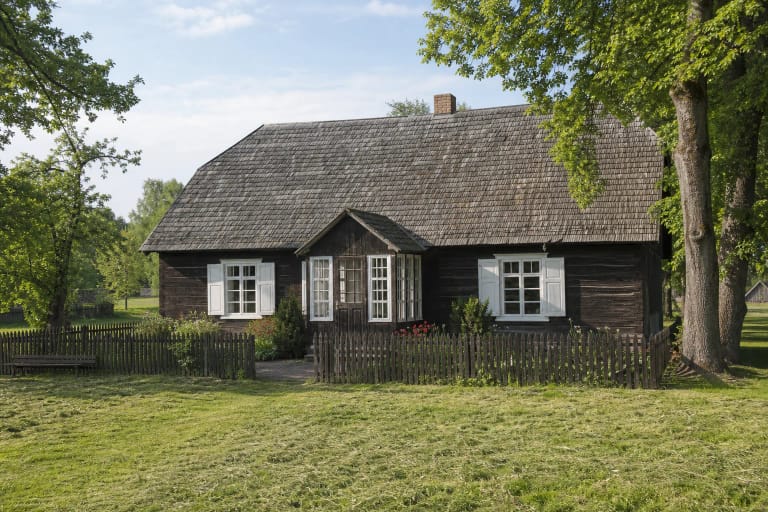
The Mikalojus Katkus Memorial Museum in Ažytėnai occupies the birthplace of the writer, agronomist, and local-history observer.
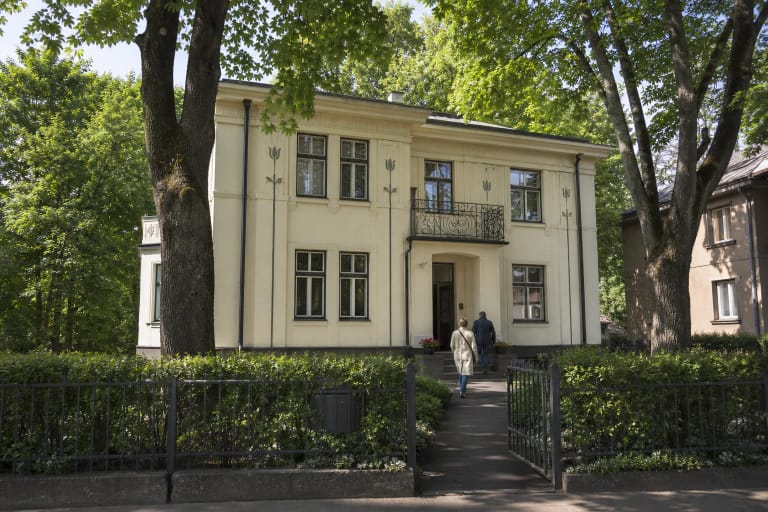
The 1924 Mikas and Kipras Petrauskas House preserves interwar architecture and the reconstructed apartment of opera singer Kipras Petrauskas's family.
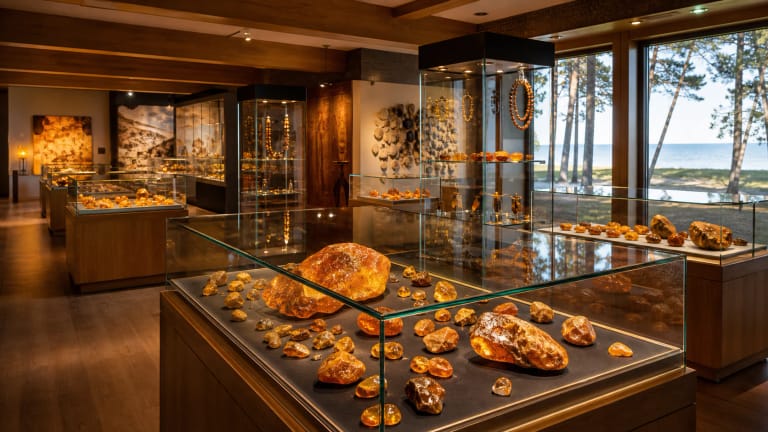
Mizgiriai Amber Museum in Nida is a private amber gallery-museum founded by Kazimieras and Virginija Mizgiris, telling amber's journey from the prehistoric…
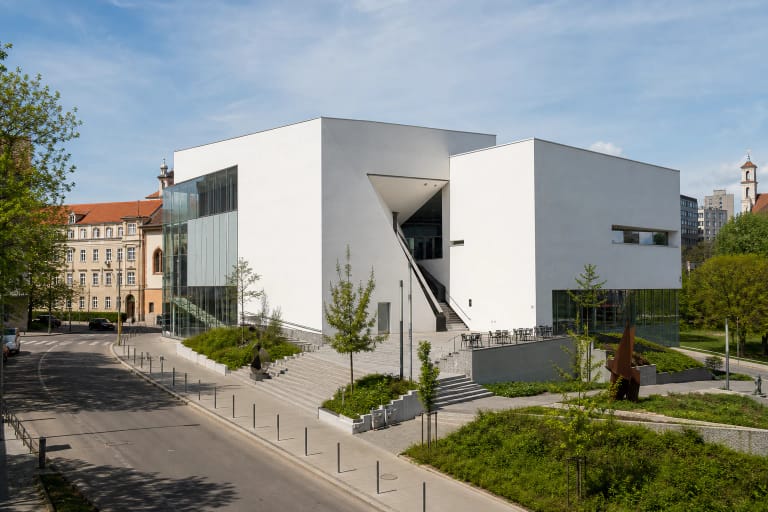
MO Museum in Vilnius is a private museum of modern and contemporary Lithuanian art on Pylimo Street, combining a collection of about 6,000 works, Daniel…
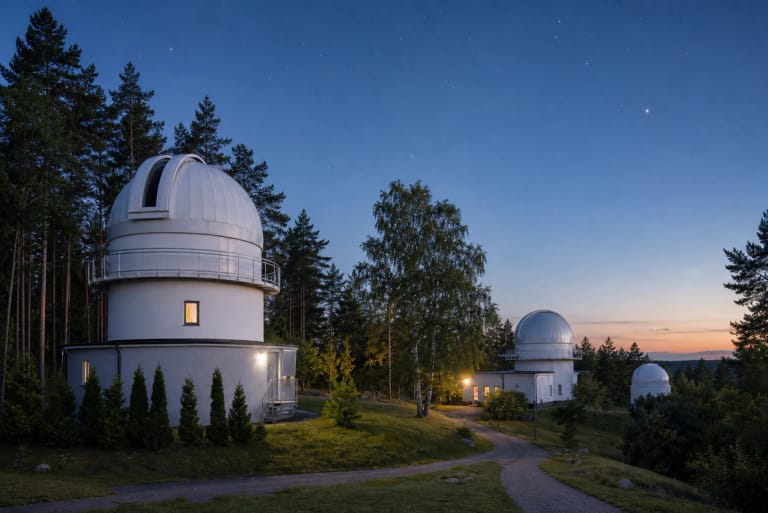
Molėtai Astronomical Observatory is Lithuania's professional astronomy site in Kulionys: a forested hill with telescope domes, scientific observations, and the…
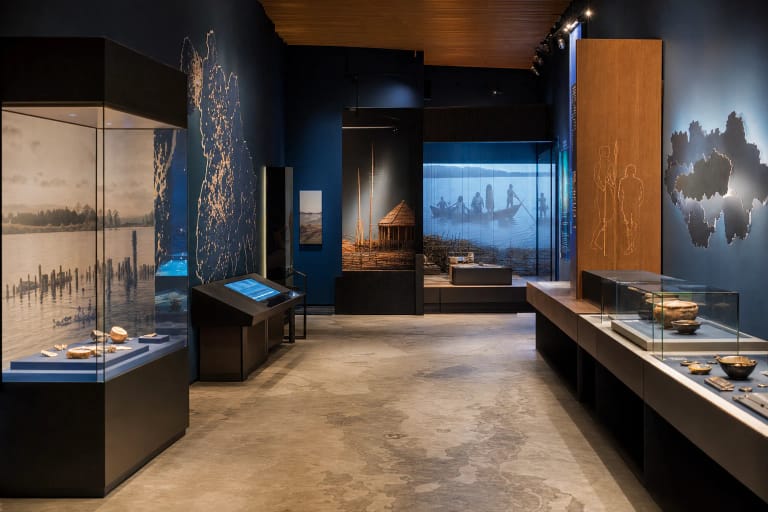
Molėtai Regional Museum opened its new permanent exhibition, Key to the History of the Molėtai Region, in June 2026.
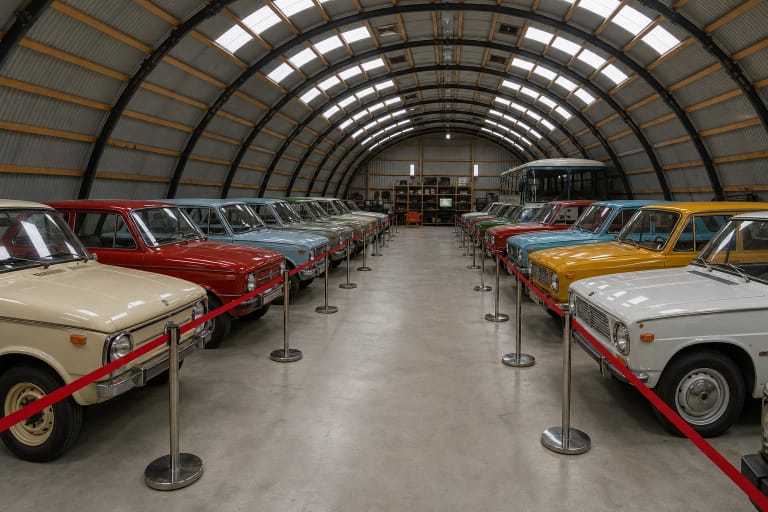
Molėtai Technical Museum is a privately founded collection of technology that opened to visitors in the village of Tumenčizna in 2019.
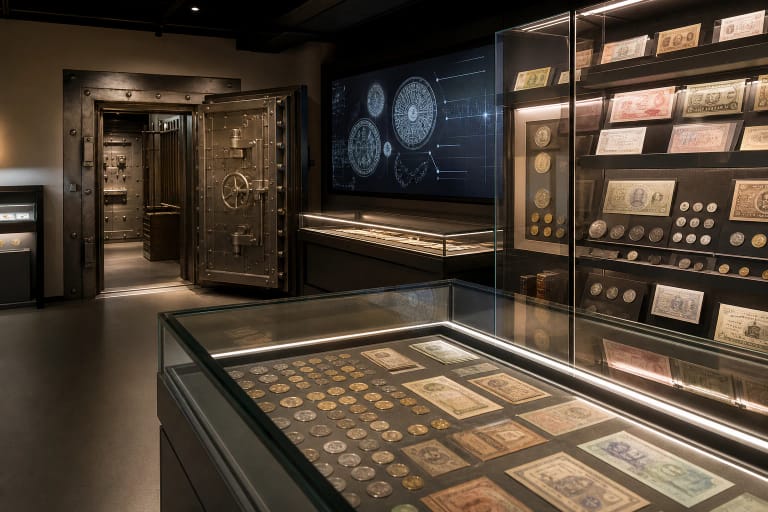
The Money Museum in Vilnius is the Bank of Lithuania museum on Totorių Street, where five halls present the history of money, banking, numismatics, and finance…

Mosėdis Stone Museum, officially the Republican Vaclovas Intas Stone Museum, is a unique geology and landscape site where boulders collected by physician…
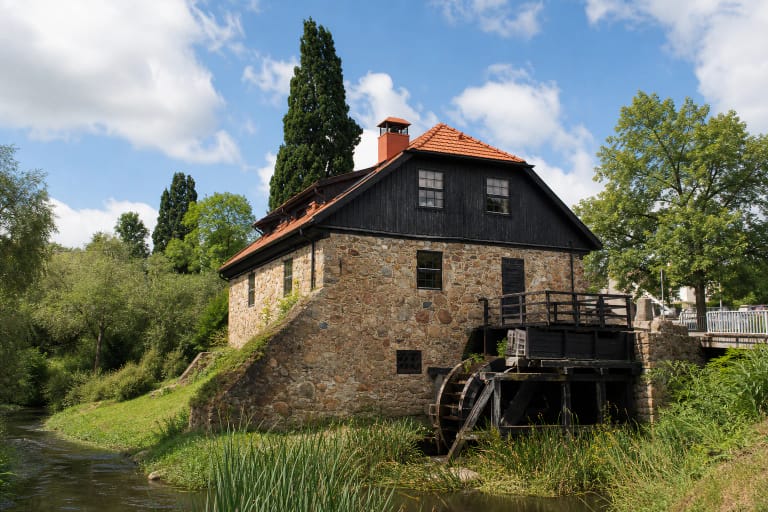
Mosėdis Watermill is a fieldstone building erected in 1792 and protected in Lithuania's Register of Cultural Values.
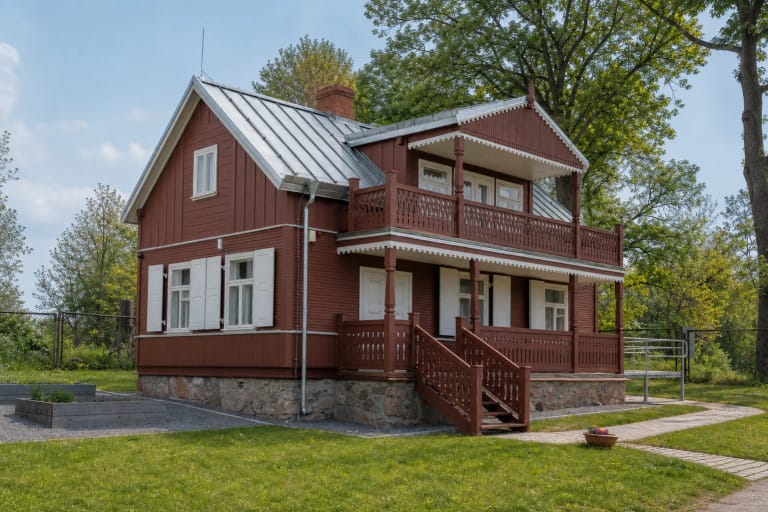
Motiejus Gustaitis Memorial House is a separate branch of Lazdijai Regional Museum at 31 Seinų Street.
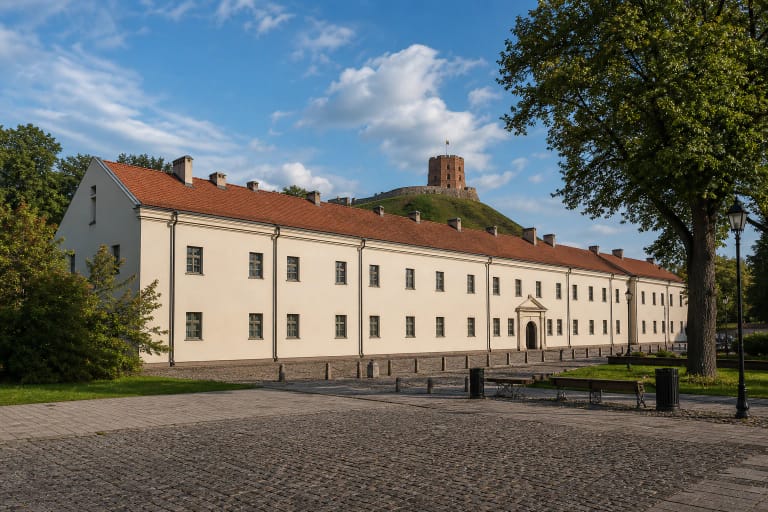
The Museum of Applied Arts and Design is housed in the restored Old Arsenal Palace of Vilnius Lower Castle, beside Gediminas Hill.
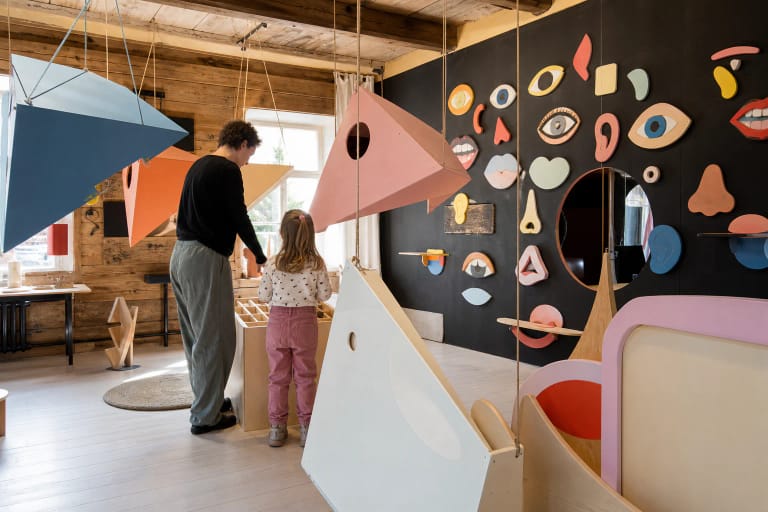
The Museum of Feelings in Anykščiai uses colour, form, and creative tasks to open conversations about emotions.
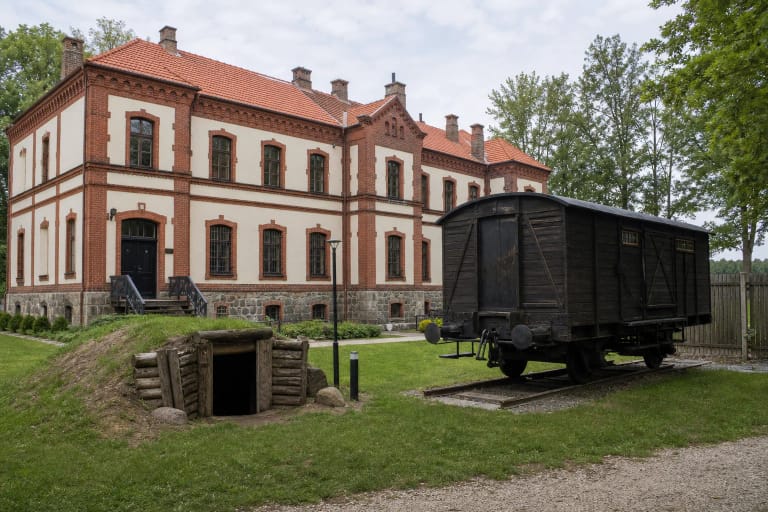
The Museum of Freedom Fights and Deportation History in Priekulė tells the story of postwar partisan war and Stalinist deportations.
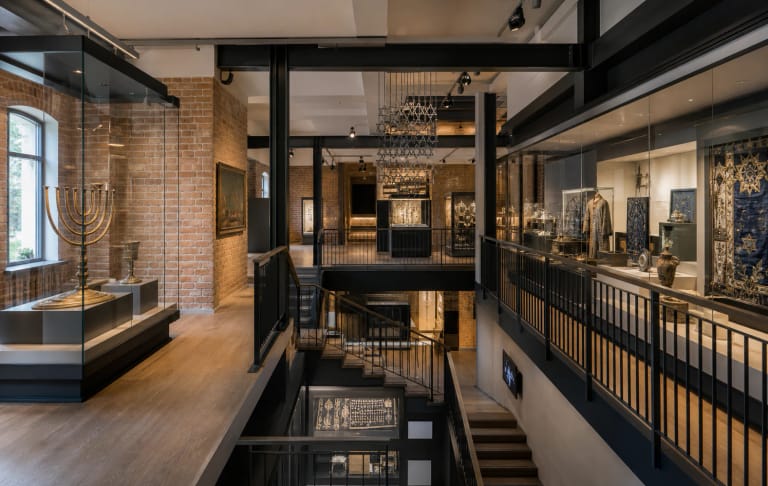
The Museum of Lithuanian Jewish Culture and Identity on Pylimo Street is the newest and largest branch of the Vilna Gaon Museum, presenting Litvak religion,…
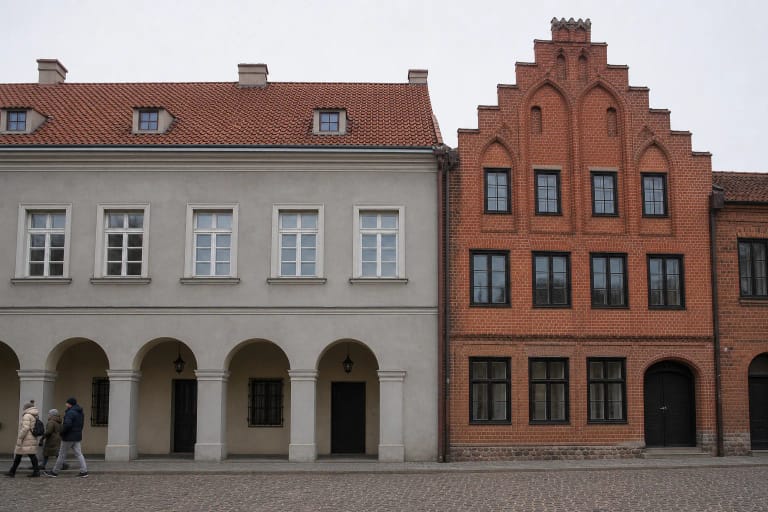
The Museum of Lithuanian Medicine and Pharmacy History on Kaunas Town Hall Square reconstructs a late-19th-century city pharmacy from prescription room to…

The Museum of Occupations and Freedom Fights in Vilnius operates in the former Soviet security and KGB building on Aukų Street, where exhibitions, documents,…

The Museum of the Samogitian Diocese operates in the 1770 Samogitian priest seminary building in Varniai; it is a branch of Žemaičių Museum Alka and presents…

Mykolas Žilinskas Art Gallery is a branch of the National M. K. Čiurlionis Museum of Art on Nepriklausomybės Square in Kaunas, known for Western European art…
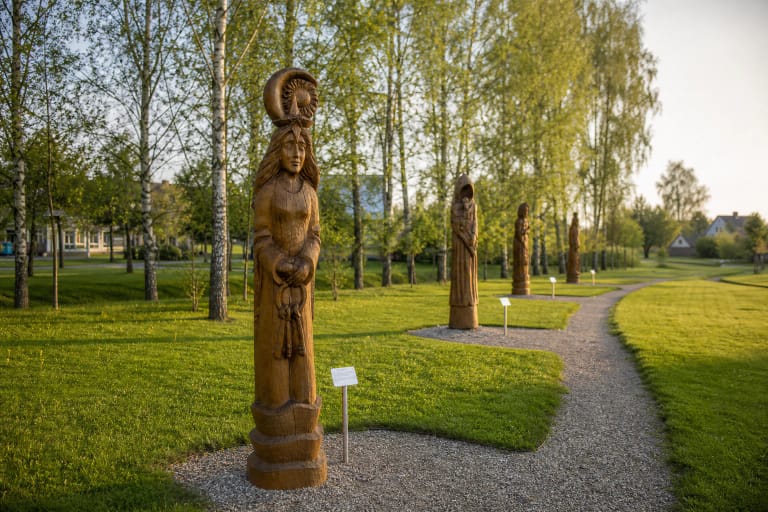
The Naisiai Museum of Baltic Gods is an open-air sculpture ensemble inaugurated in 2012, not an indoor collection or a surviving ancient sanctuary.

Nalšia Museum in Švenčionys is the local-history museum of the old Nalšia land, holding more than 60,000 exhibits from Stone Age Kretuonas settlements to the…

The National Gallery of Art is an LNDM branch in the 1980 former revolution museum building on Konstitucijos Avenue, presenting a collection of more than 46,000…
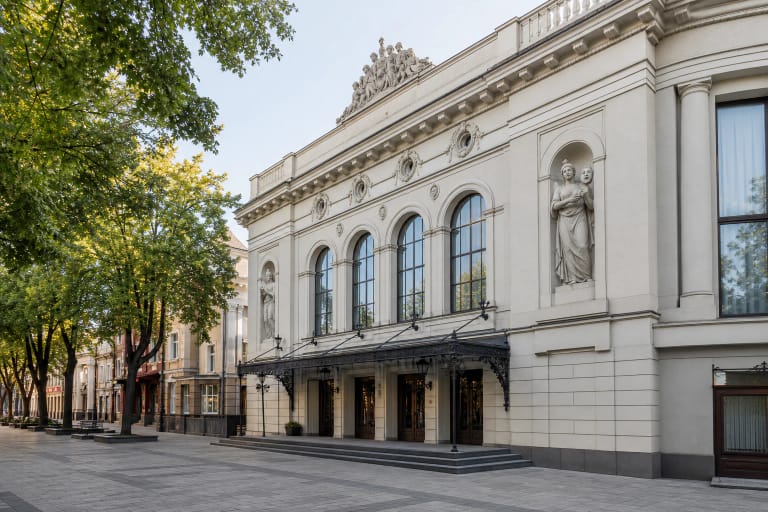
National Kaunas Drama Theatre on Laisvės alėja is the first professional permanent Lithuanian drama theatre, founded in 1920 in the then temporary capital.
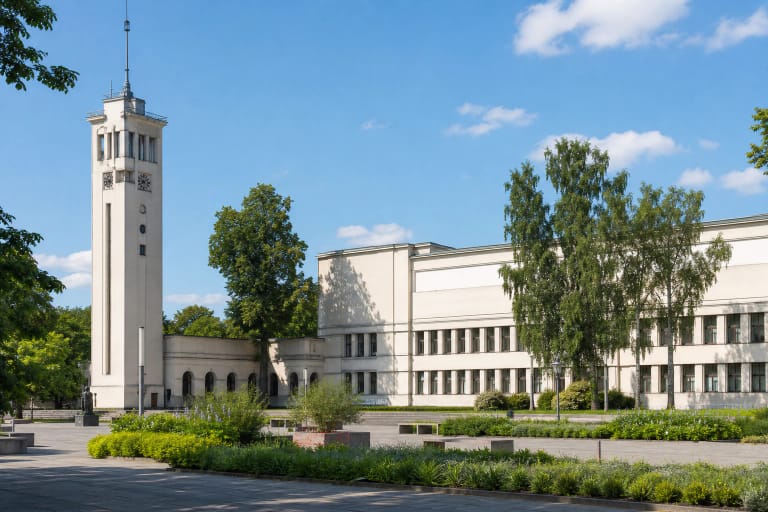
The National M. K. Čiurlionis Museum of Art in Kaunas is Lithuania's largest state art museum and the most important place to understand M. K. Čiurlionis' work.
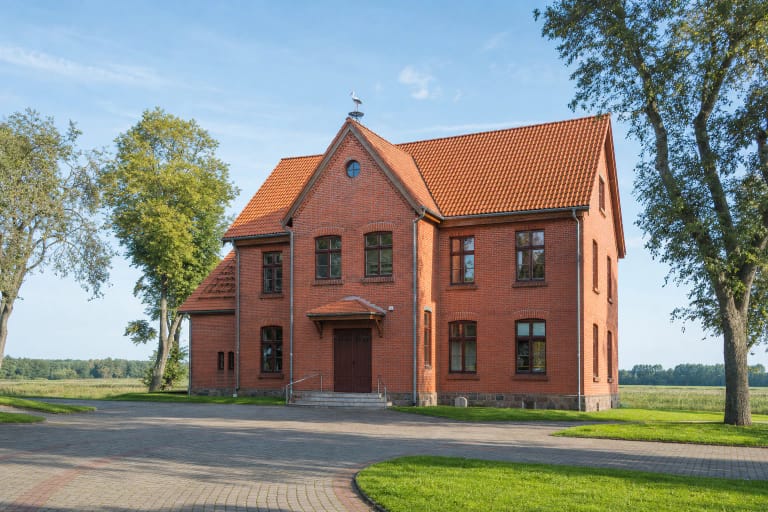
The Nemunas Delta Regional Park Visitor Centre in Rusnė explains what is easy to miss from the flat Pamarys roads: how the Nemunas branches, how polders work,…
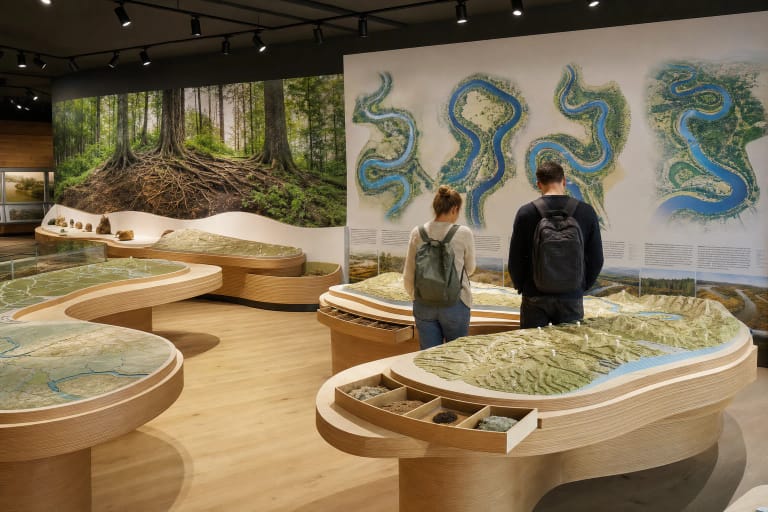
The Nemunas Loops Regional Park Visitor Centre in Birštonas explains a landscape that can only be seen in fragments outdoors.
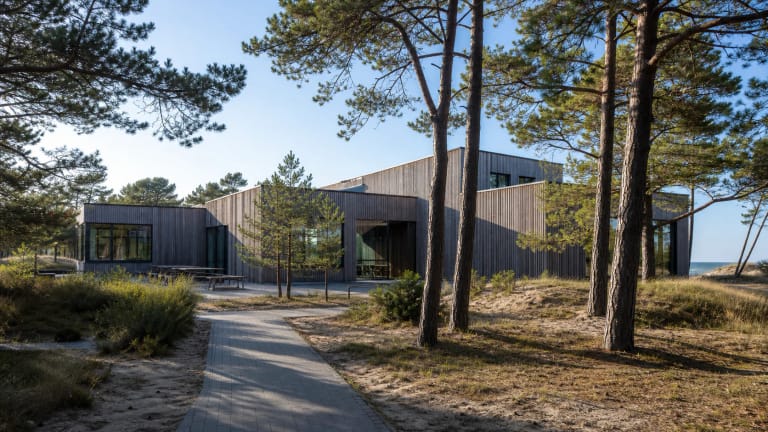
Nida Art Colony is a Vilnius Academy of Arts unit in Nida, operating as a space for contemporary art residencies, exhibitions, education, research, and meetings…
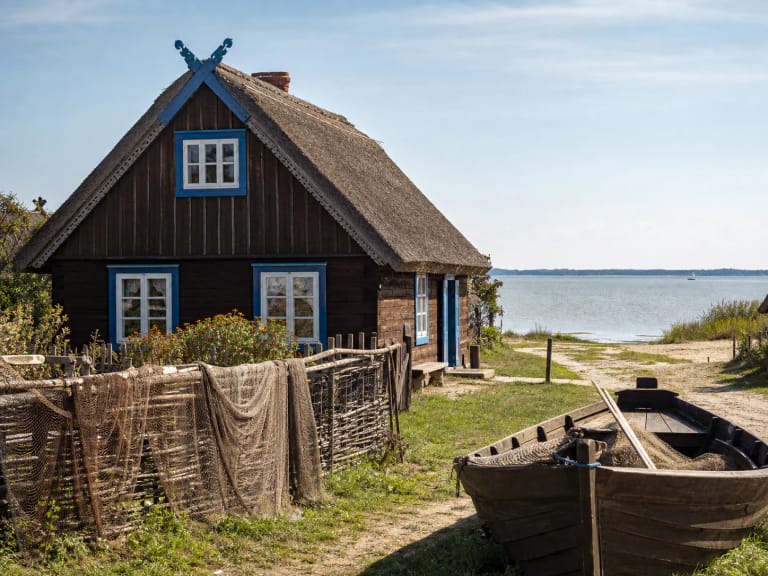
Nida Fisherman's Ethnographic Homestead is a Curonian Spit fisherman's house complex built by local craftsmen in 1927 on the Curonian Lagoon shore, in the…
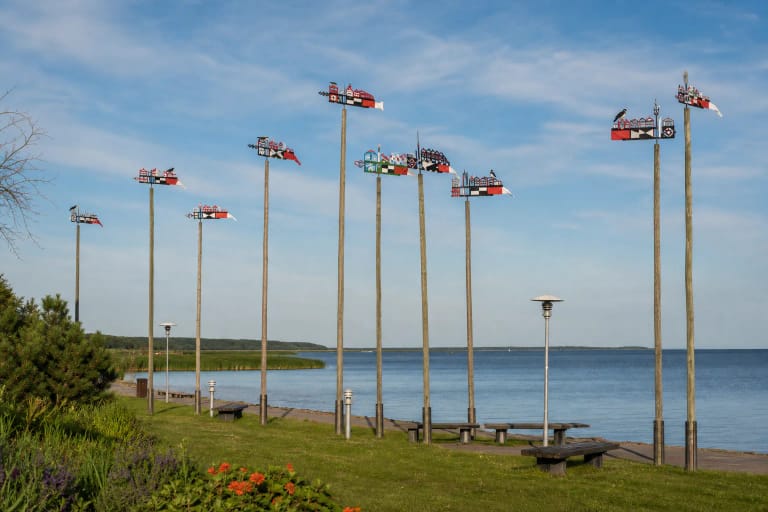
The Nida Weathervane Display is not a single exhibit but a linear open-air museum along the Curonian Lagoon promenade.

Norkaičiai Traditional Crafts and Ethnoculture Centre near Tauragė is a Tauragė Regional Museum space where Lithuanian traditions are encountered through…
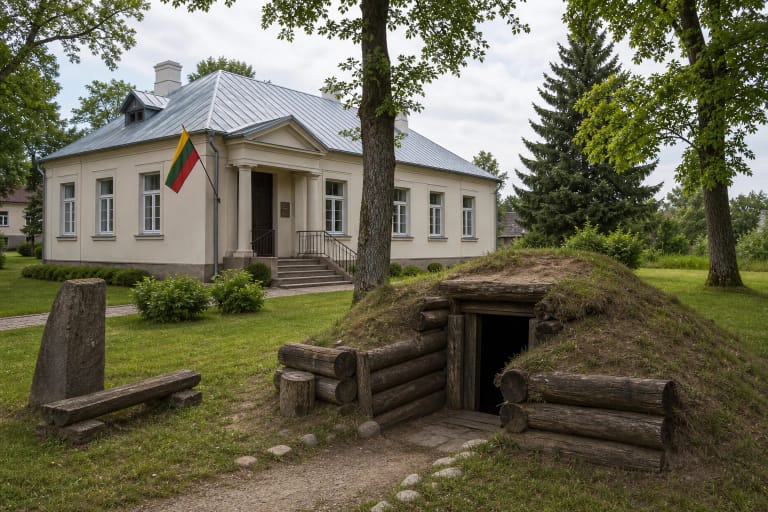
The Obeliai Freedom Fights History Museum tells the story of the partisan war and deportations in north-eastern Lithuania.
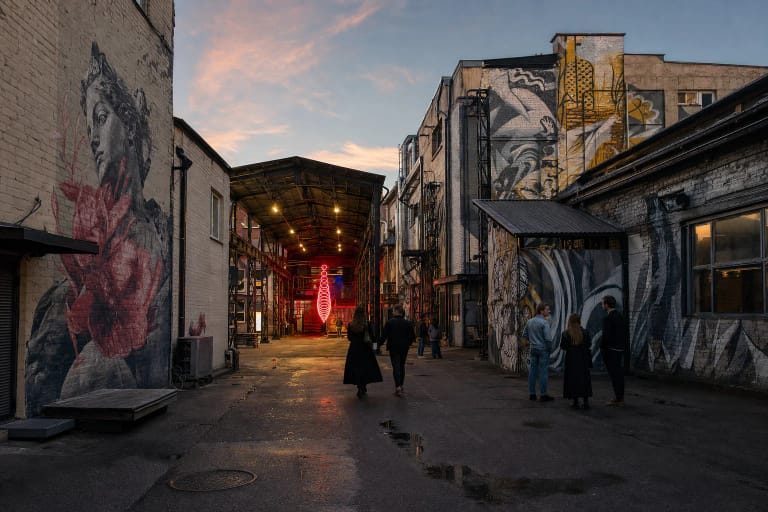
Open Gallery is neither a single exhibition room nor one graffiti-covered facade.
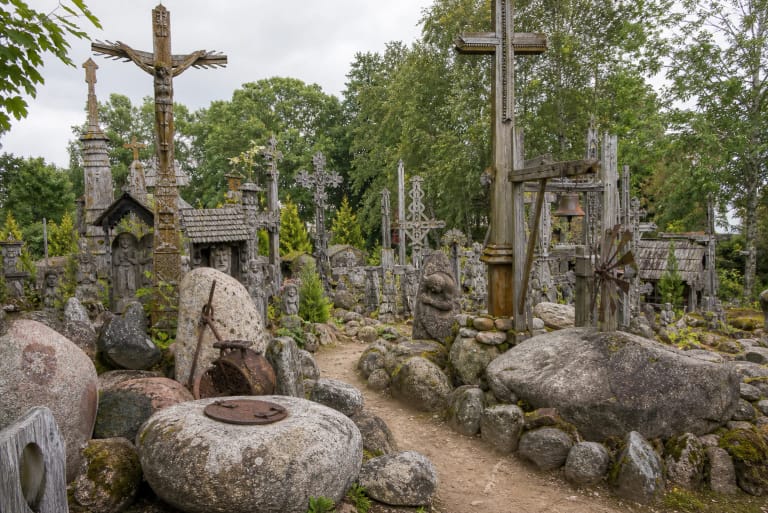
Orvidai Homestead in Gargždelė is one of Lithuania's most unusual museum spaces: the environment created by Vilius Orvidas and the Orvidas family joins stones,…
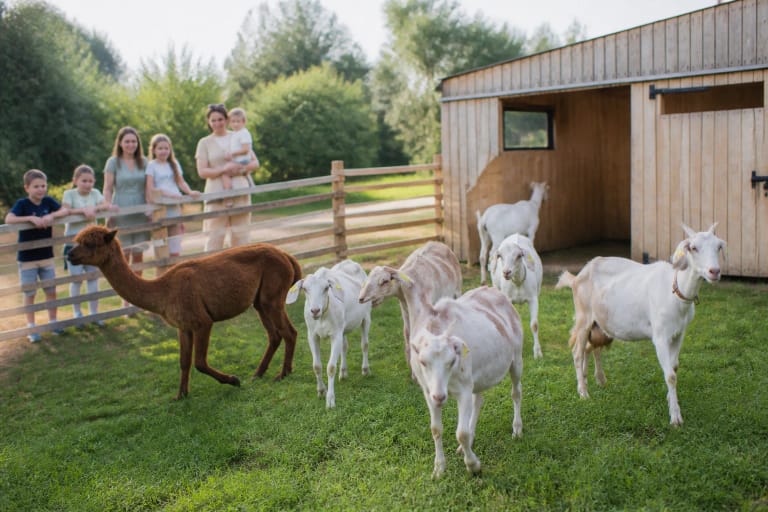
OžkaMalė Farm in Kupriai village is an educational family farm where visitors can meet goats, alpacas, rabbits and other animals and learn about rural work.
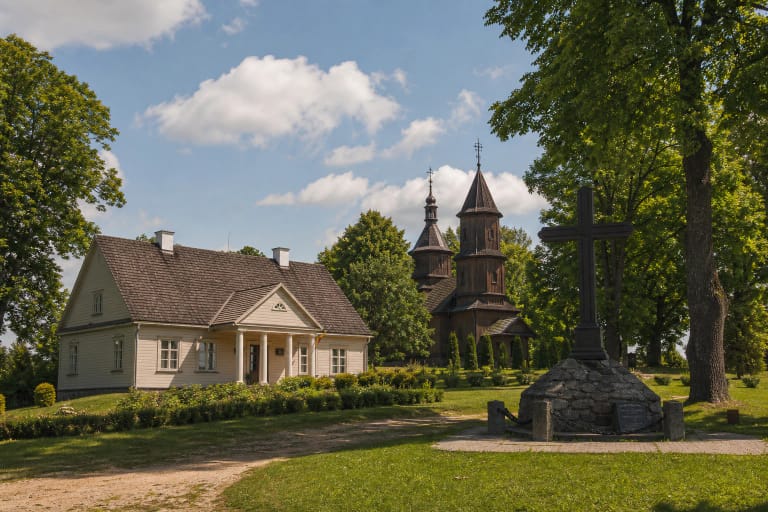
Paberžė is one of central Lithuania's most sensitive memory places: since 1993 the 1863 Uprising Museum has operated in a 1793 manor house; priest Antanas…
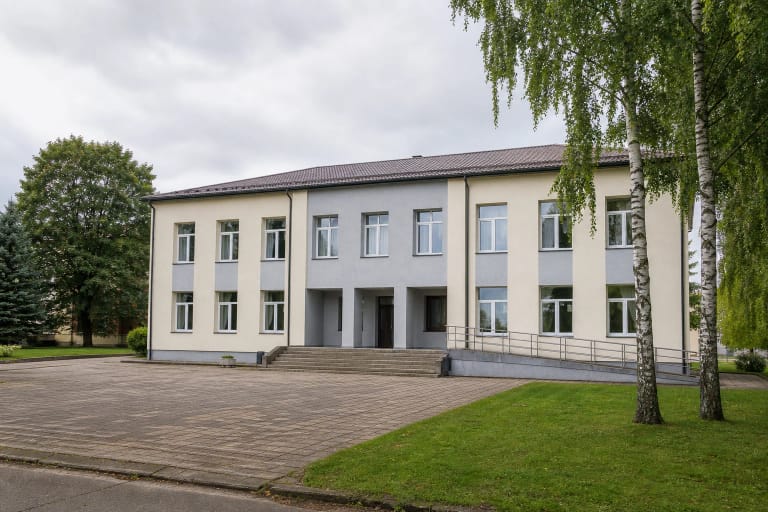
Pagėgiai Municipal Cultural Centre at Jaunimo Street 3 is an active town venue.
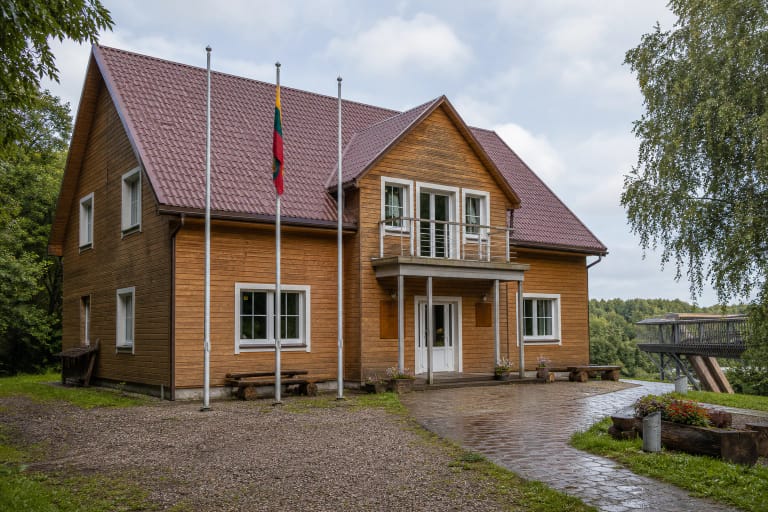
Pagramantis Regional Park Visitor Centre in Ringiai is a practical gateway to the wooded valleys of the Akmena and Jūra.
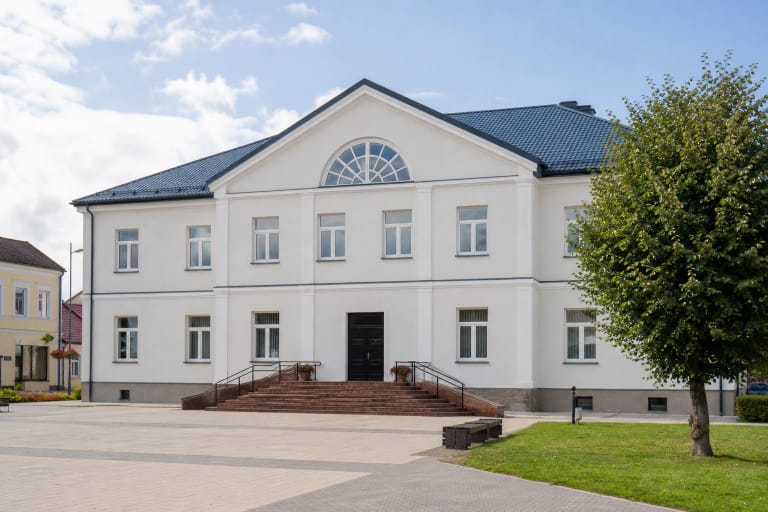
Pakruojis Cultural Centre at Vienybės a. 3 is the main municipal cultural institution of Pakruojis District, bringing together concerts, festivals, exhibitions,…
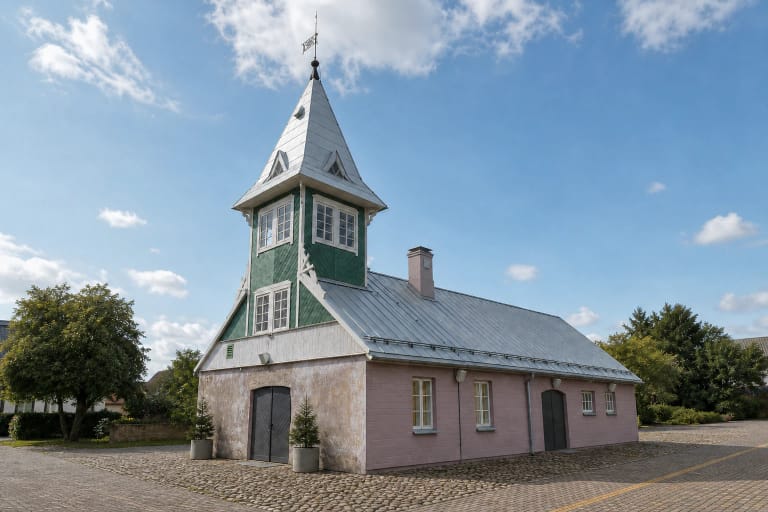
Pakruojis Firefighters' Society Shelter, often searched for as Pakruojis old fire station, is a protected regional heritage site built in 1928 on Laisvės…
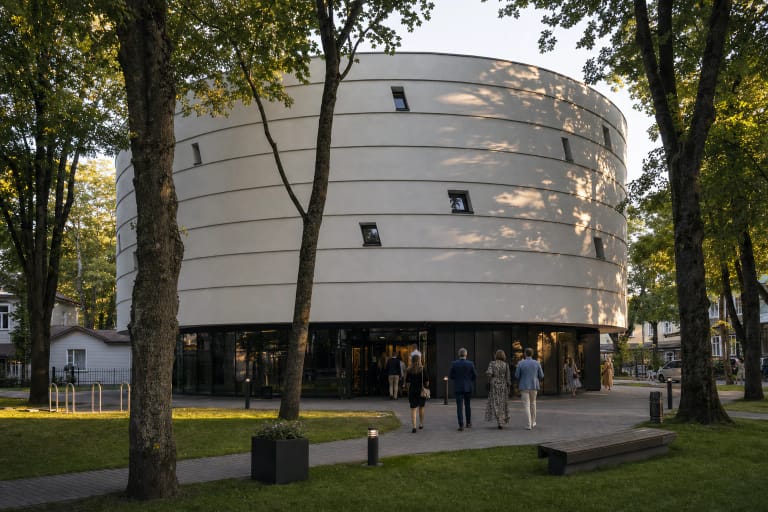
Palanga Concert Hall is a circular cultural venue opened in 2015 on the site of the former Summer Stage, with white facade bands and obliquely recessed windows…

Palanga Resort Museum operates in Villa Anapilis, a Tiškevičiai villa dated to about 1898 and listed in the Cultural Heritage Register under code 1290.

Palanga Sculpture Park is an outdoor sculpture space founded in 1982 at the junction of Vytauto and J. Simpsonas streets.
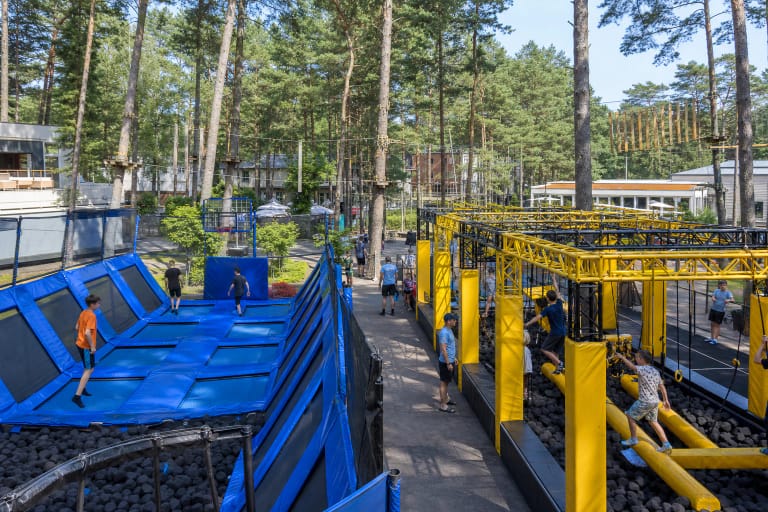
Palanga Summer Park at 43 J. Basanavičius Street is a seasonal outdoor activity complex whose 2026 offer includes a 700-square-metre trampoline park, Ninja…
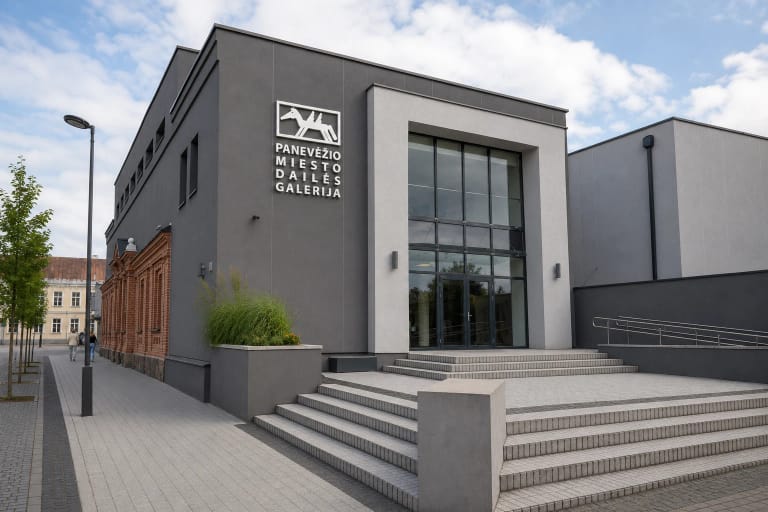
Panevėžys Civic Art Gallery is a municipal visual-arts centre founded in 1990 in a historic building at 3 Respublikos Street.

Panevėžys Musical Theatre continues a local musical-stage tradition more than a century old.
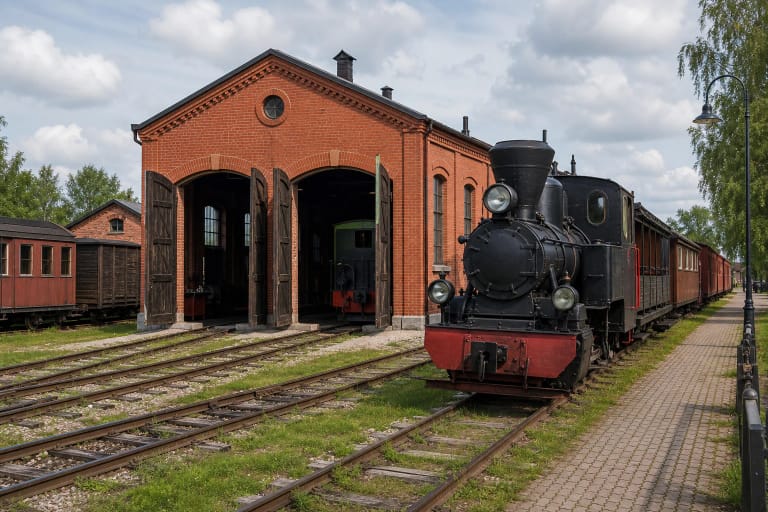
Panevėžys Narrow-Gauge Railway Station and Depot is the administrative and technical heart of the Siaurukas, Europe's longest operating 750 mm narrow-gauge…
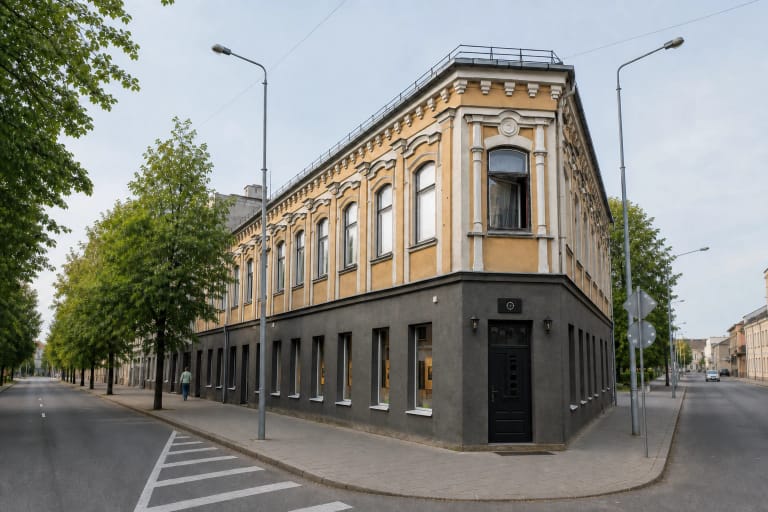
Panevėžys Photography Gallery is not a museum of photographic history with a fixed display.

Since 1986, Panevėžys Puppet Wagon Theatre has combined professional stationary puppet theatre in Panevėžys with a distinctive summer touring tradition: the…
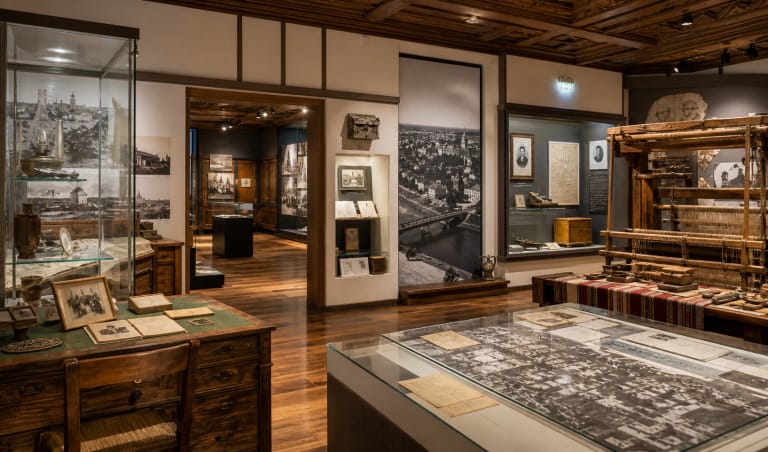
Panevėžys Regional Museum on Vasario 16-osios Street is a city and regional history centre founded in 1925, holding more than 120,000 exhibits, presenting the…
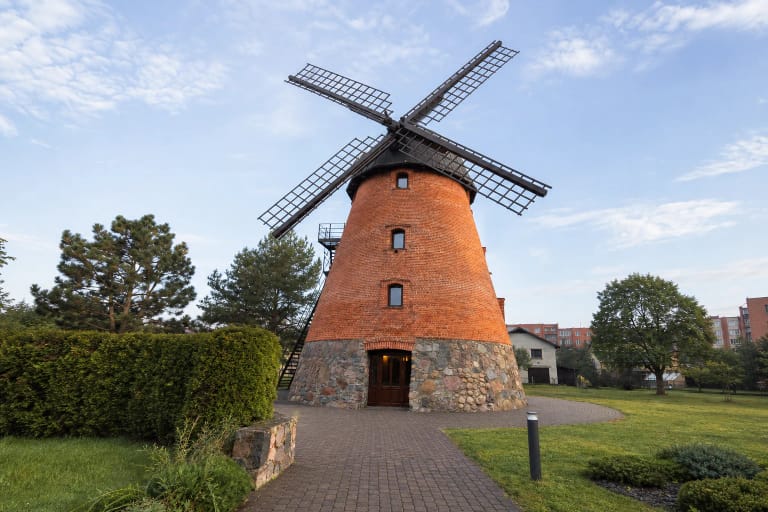
On this page, Panevėžys Windmill I is the Pranckūnas mill at 121A Ramygalos Street, cultural-heritage record 33495.
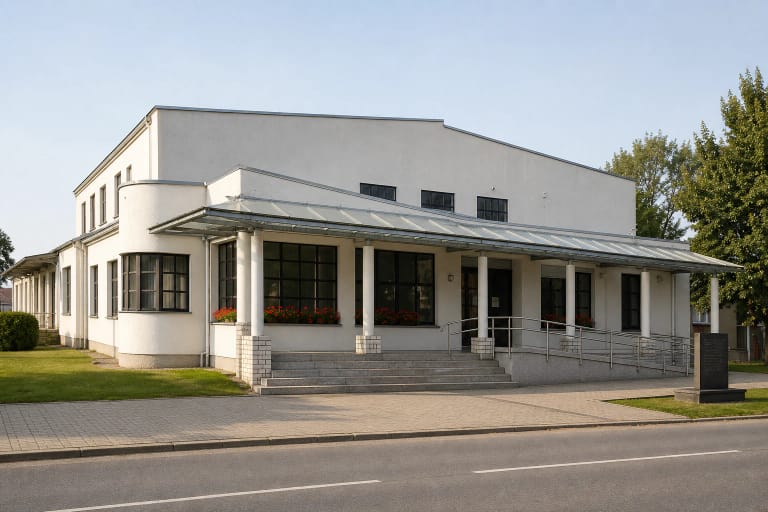
Pasvalys Regional Museum occupies the Svalia cinema building of 1964 and brings together the region's karst geology, archaeology, town history, ethnography, and…

The Paul Lindenau Shipyard Exhibition occupies part of the historic boat and yacht workshop beside Klaipėda Castle.
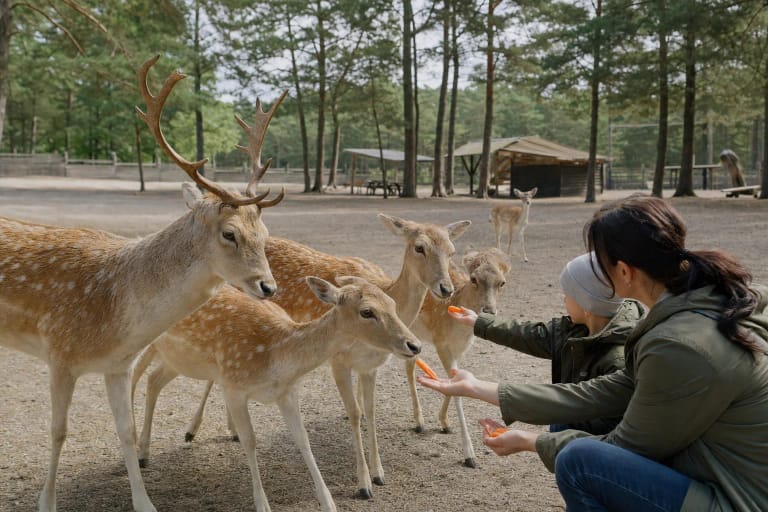
Pearl Fallow Deer Park in Karčiupis is a pine-fringed animal attraction where visitors enter a large enclosure and observe free-roaming fallow deer at close…
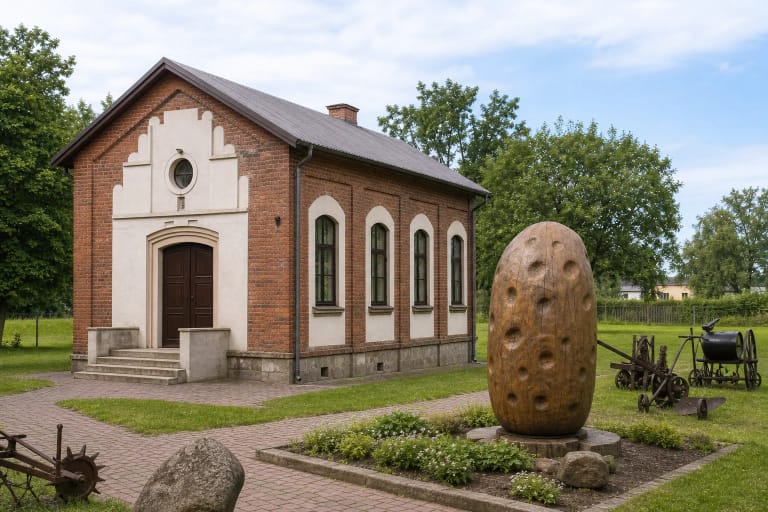
The Potato Museum is Lithuania's first and only museum dedicated to the potato.
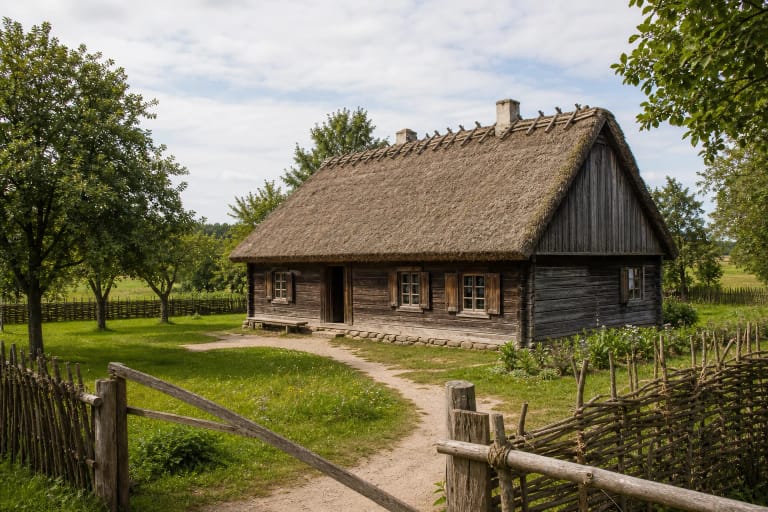
Povilas Višinskis Birthplace in Ušnėnai is a reed-roofed Samogitian homestead where the national-revival organiser, critic, and publicist Povilas Višinskis was…
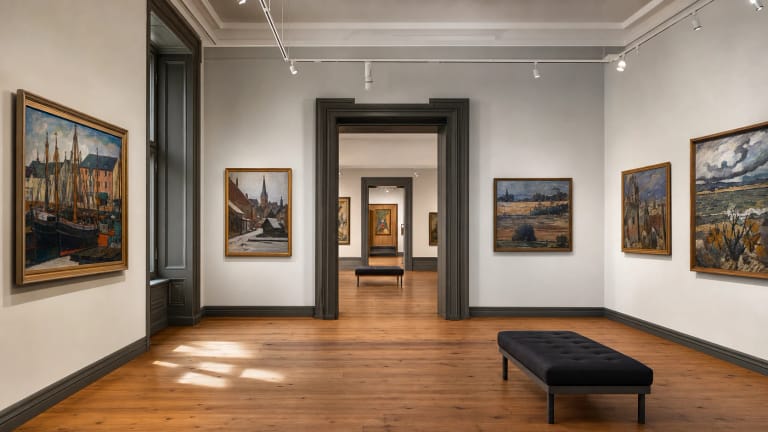
Pranas Domšaitis Gallery in Klaipėda is a branch of the Lithuanian National Museum of Art in four late-nineteenth- to early-twentieth-century buildings on Liepų…
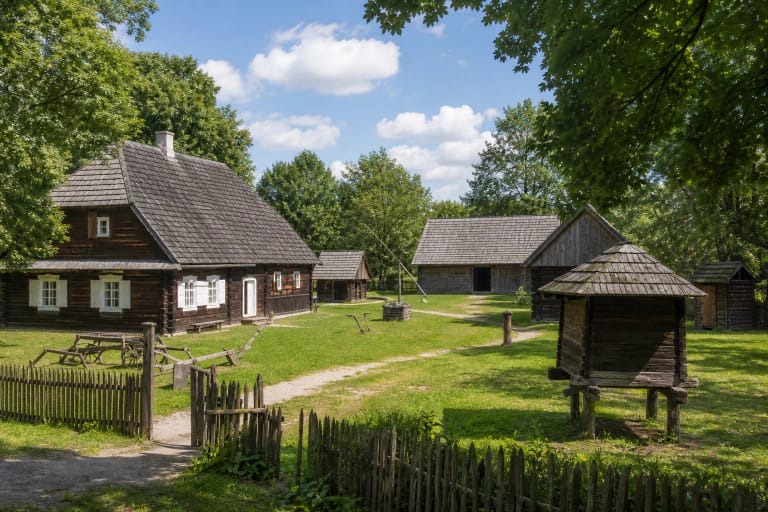
Pranas Dzūkas Ethnographic Homestead in Delnica is the largest open-air branch of Lazdijai Area Museum.

Priekulė Art and Culture Centre occupies a long historic building on Market Square, where a former trading hall has become a flexible 357 sq m performance…

Priekulė Ieva Simonaitytė Memorial Museum presents the writer regarded as the most important Lithuanian prose chronicler of life in Lithuania Minor.
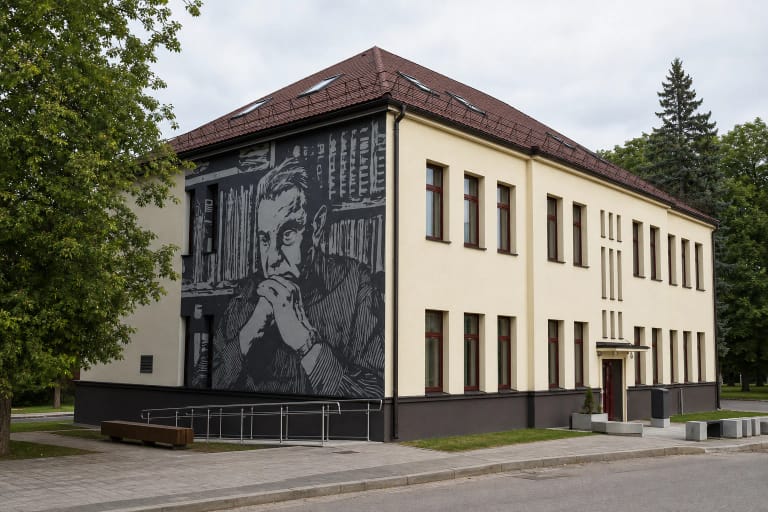
Prienai Justinas Marcinkevičius Public Library is both the city's working central library and a documented place of literary memory.

Prienai Regional Museum fits far more than a town chronology into the former family home of engineer and teacher Cezaras Pšemeneckis.

Professor Adomas Hrebnickis Homestead Museum is a branch of Ignalina Regional Museum at Rojus, about 3 km north-east of Dūkštas.
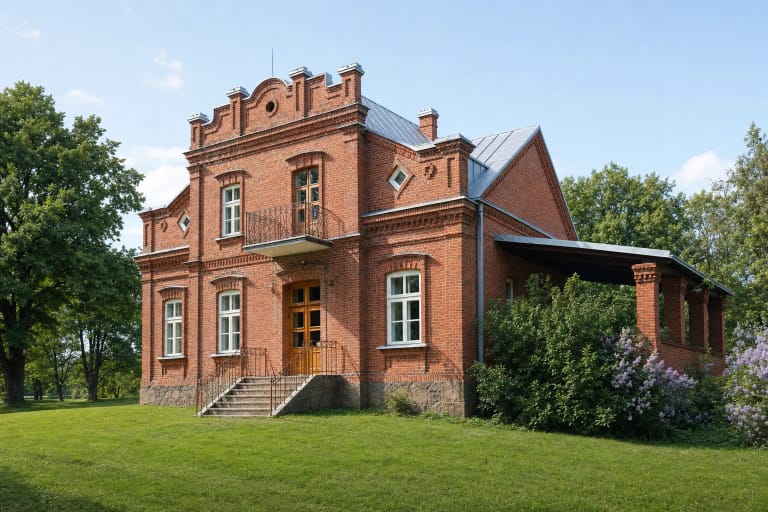
Puziniškis Museum occupies the red-brick manor house of the nationally important Puziniškis estate.
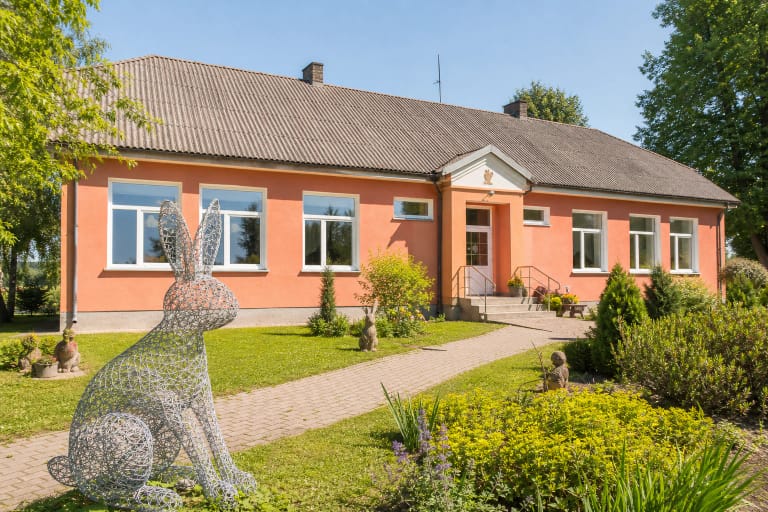
The Rabbit Museum in Sasnava is a community collection of more than 6,000 different rabbits.
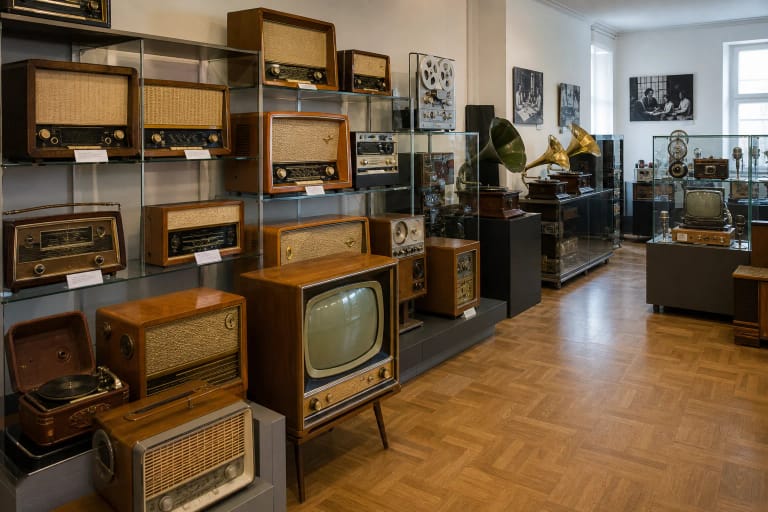
The Radio and Television Museum in Šiauliai presents the history of sound and image technology in one building: about 5,000 music boxes, phonographs,…
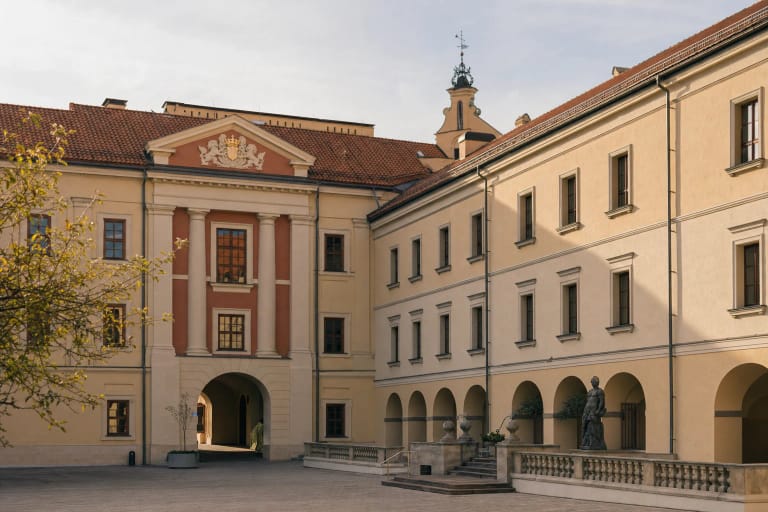
Radvila Palace Museum of Art operates in the Jonušas Radvila palace complex at Vilniaus g. 24: in the remains of a U-shaped Renaissance palace begun in 1646 to…
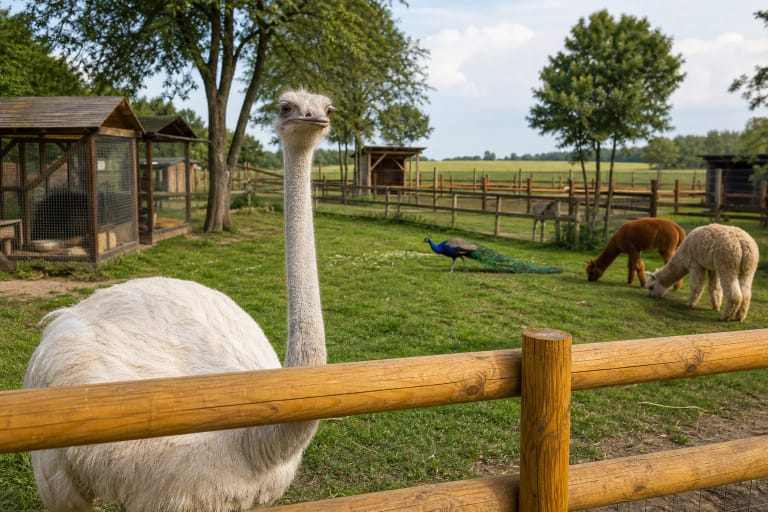
Raiba Plunksna in Bertužiai is an educational farm of pedigree birds and domestic animals where public educational institutions and Šiauliai District…
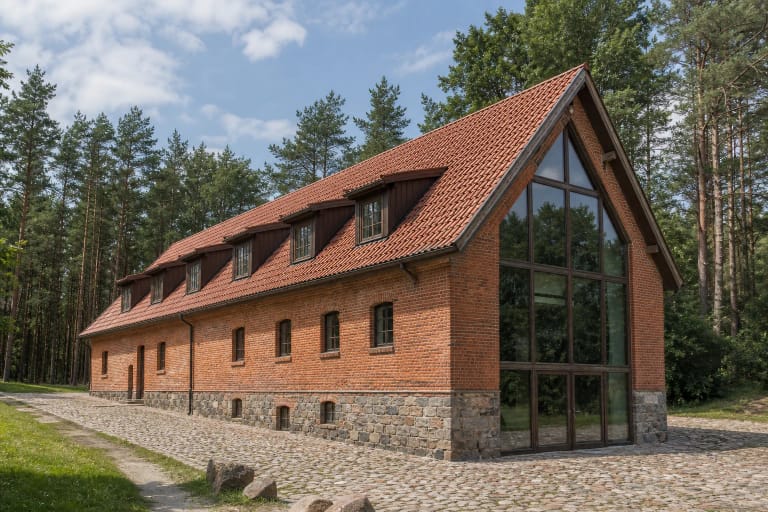
Rambynas Regional Park Visitor Centre occupies the historic property of Gustav Volberg's pre-war inn at Nemuno Street 4 in Bitėnai.
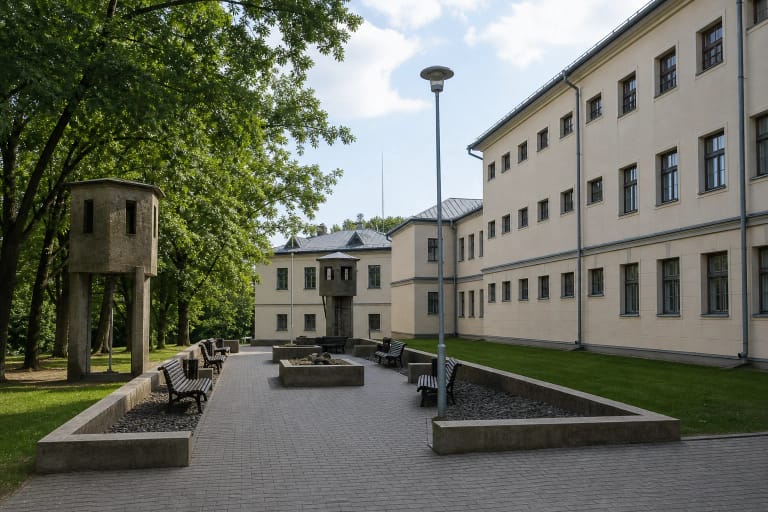
Raseiniai Regional History Museum occupies a state-protected former arrest-house and prison complex, making the building its most important exhibit.

Raubonys Amusement Park is a seasonal family attraction in northern Lithuania.
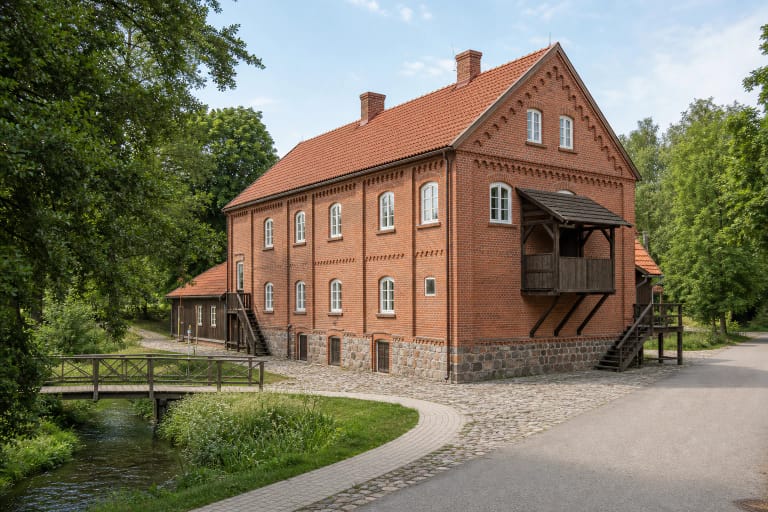
Raubonys Watermill-Cardery-Spinnery is a restored late-nineteenth-century red-brick industrial complex beside the Tatula where both architecture and an…

Rietavas Oginskiai Cultural History Museum operates in the former Rietavas manor music-school building and tells the story of Oginskiai rule, manor culture,…
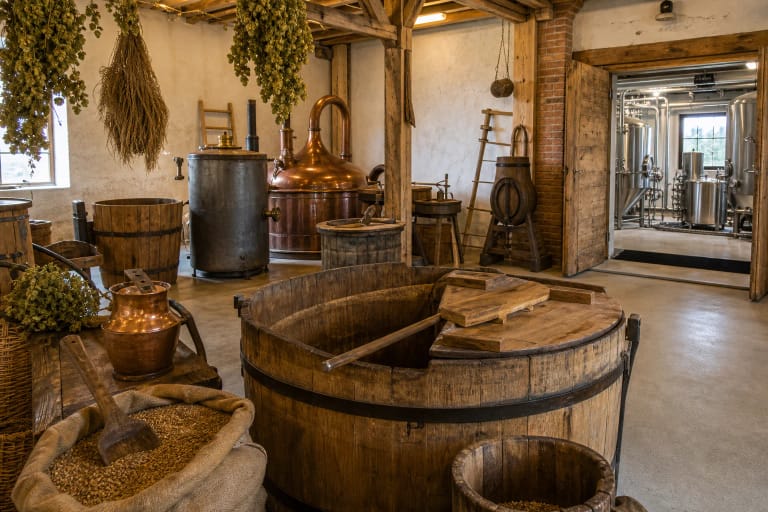
Rinkuškiai Brewery in Biržai is a family brewery in the region often called Lithuania's beer capital.

The Road Museum in Vievis tells the history not of cars but of roads themselves: who designed, built, marked, and maintained them.

Robo Arena Vilnius is a bookable indoor venue where teams control robots by tablet or computer and compete for arena zones.
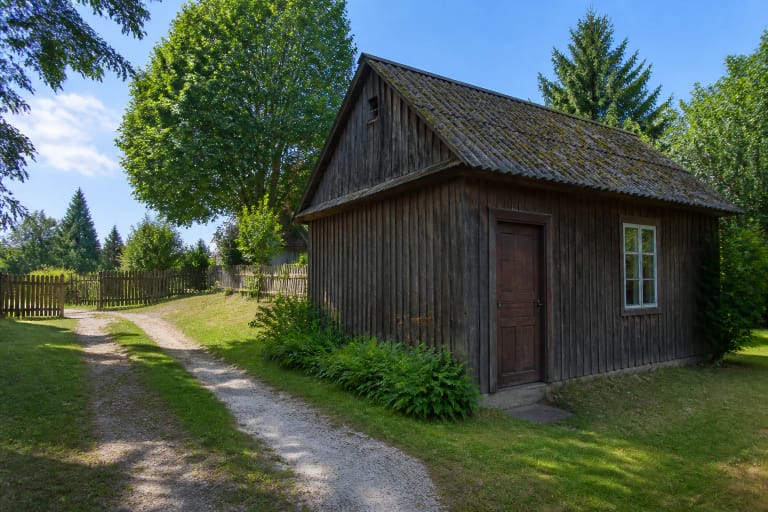
Romo Jonausko “Keistenybių muziejukas” is a private collection of unusual objects in Ginteikiškės.
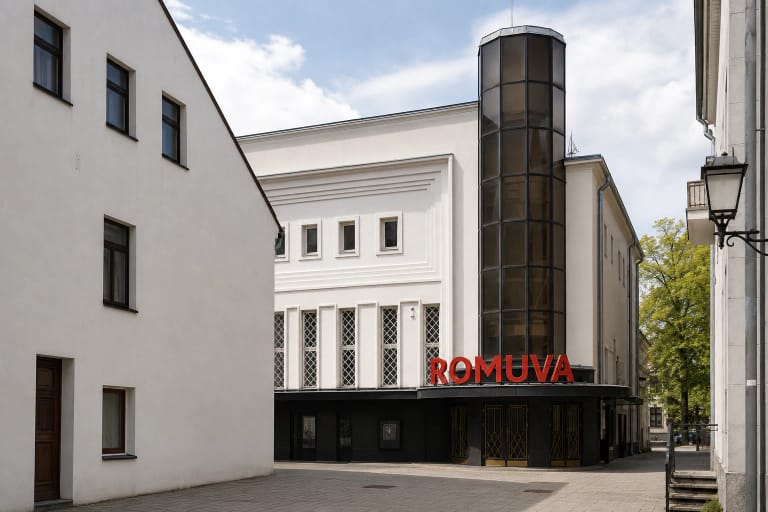
Romuva Cinema on Laisvės alėja is a Kaunas modernism site built in 1940 that has kept its cinema function to this day.
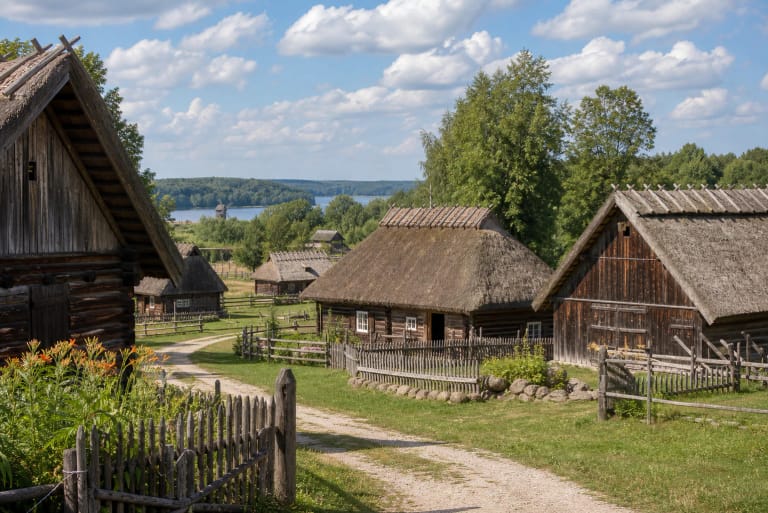
Rumšiškės Open-Air Museum, now officially the Lithuanian Ethnography Museum, is a huge open-air museum beside Kauno Marios where relocated homesteads, a town…
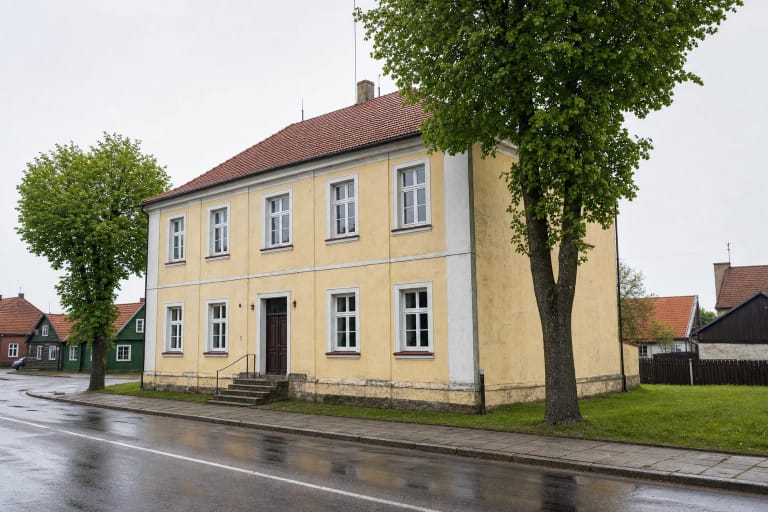
The Google listing still uses the historic name Rusnė Island Ethnocultural and Information Centre, but since 1 May 2024 cultural activity at 2 Neringos Street…
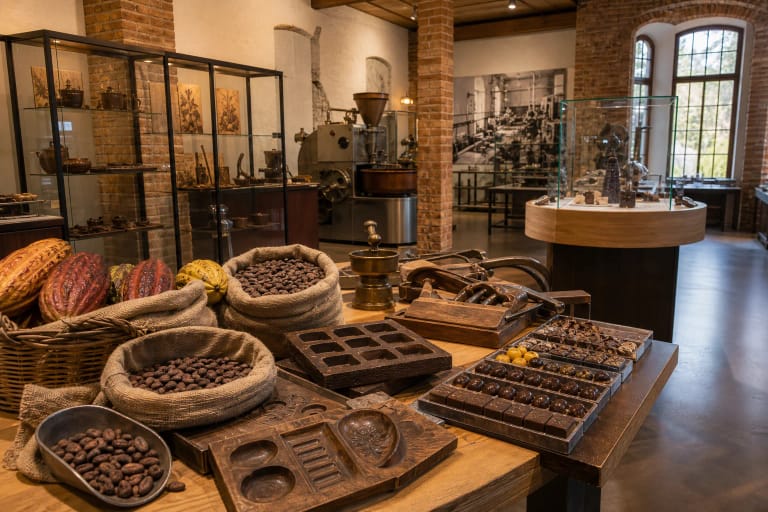
Rūta Chocolate Museum in Šiauliai occupies a historic interwar factory building and, according to the company, is the only chocolate museum in Lithuania.
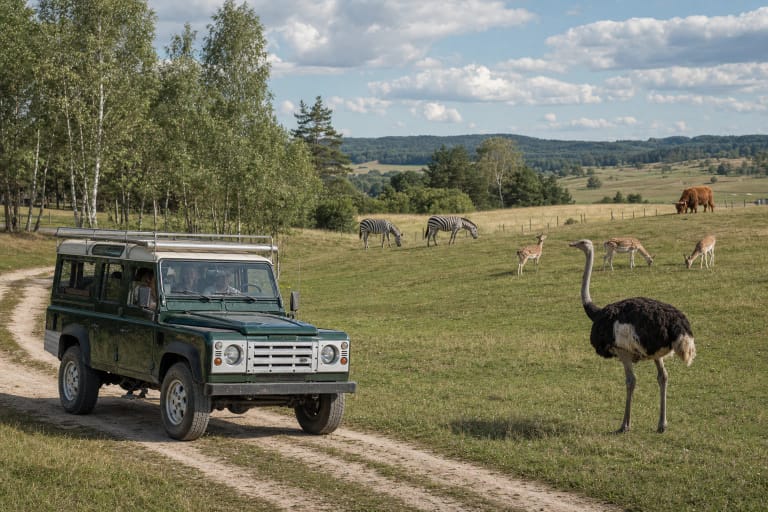
Safari Park at Ažupiečiai, about 5 km from Anykščiai, occupies a fenced 50 ha landscape of hills, groves, and wet ground where the operator reports keeping more…
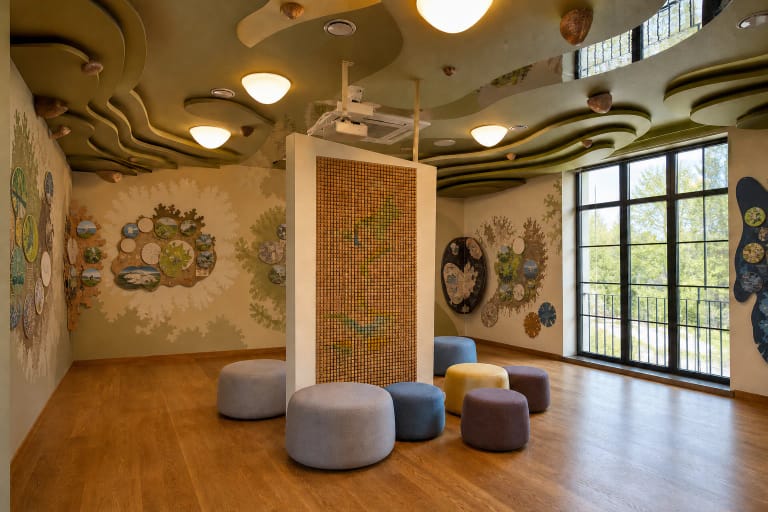
Salantai Regional Park Visitor Centre explains how the last Ice Age shaped the ancient valleys of the Erla, Salantas, and Minija and scattered boulder fields…

The Salomėja Nėris and Bernardas Bučas House Museum occupies the artists' own 1937-1938 white villa in Palemonas.
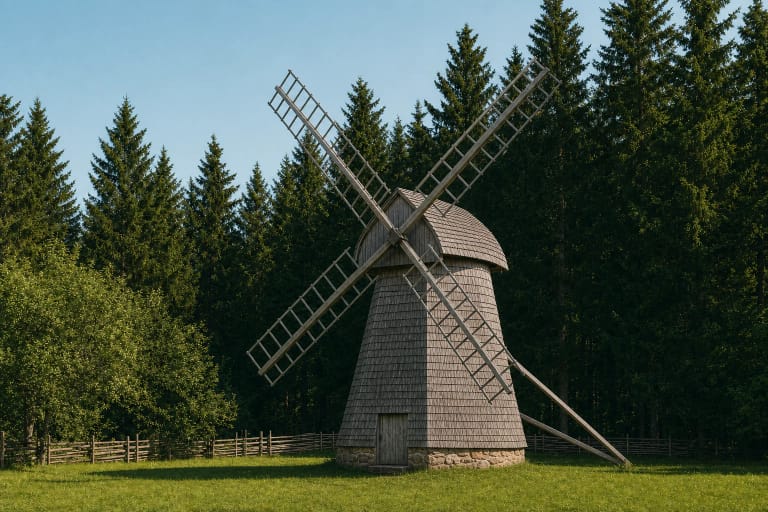
The Samogitian Village Museum on the south-western shore of Lake Mastis is not one preserved historic village.
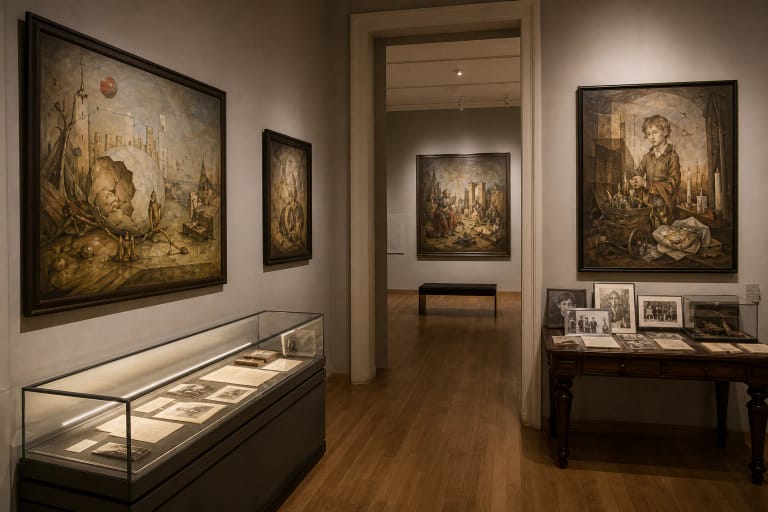
The Samuel Bak Museum at Naugarduko g. 10 opened in 2017 as the first museum in the world dedicated solely to Samuel Bak, presenting the Vilnius-born artist's…
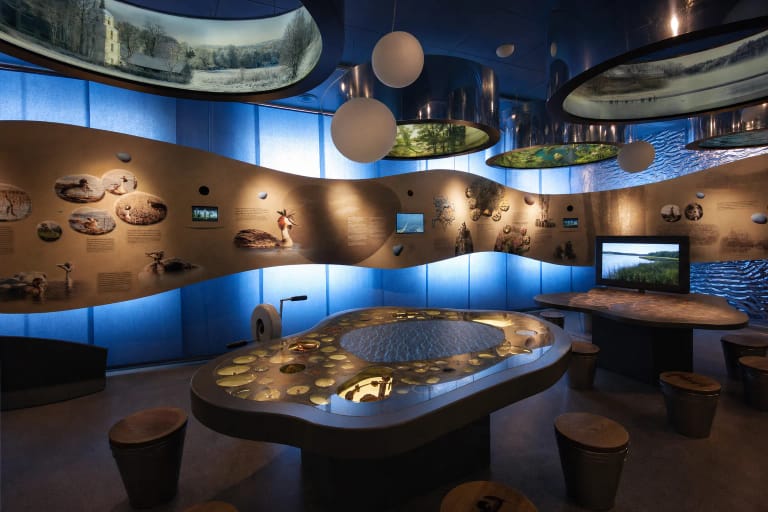
Sartai Regional Park Visitor Centre occupies 5 Vytauto Street in Dusetos.

This museum in central Židikai presents Marija Pečkauskaitė, known as Šatrijos Ragana, as a writer, educator, and philanthropist who cared for local people.
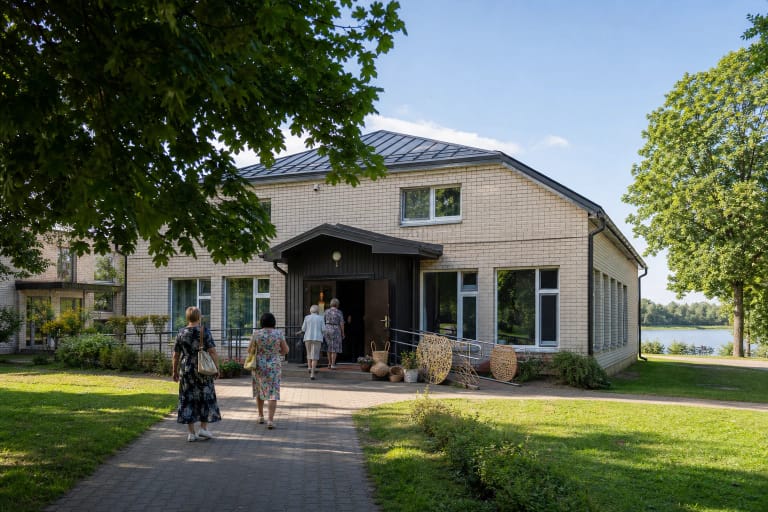
Since the end of 2023, Šaukėnai Culture and Crafts Centre has operated as a branch of Kelmė Culture Centre, although its familiar name remains in local use and…
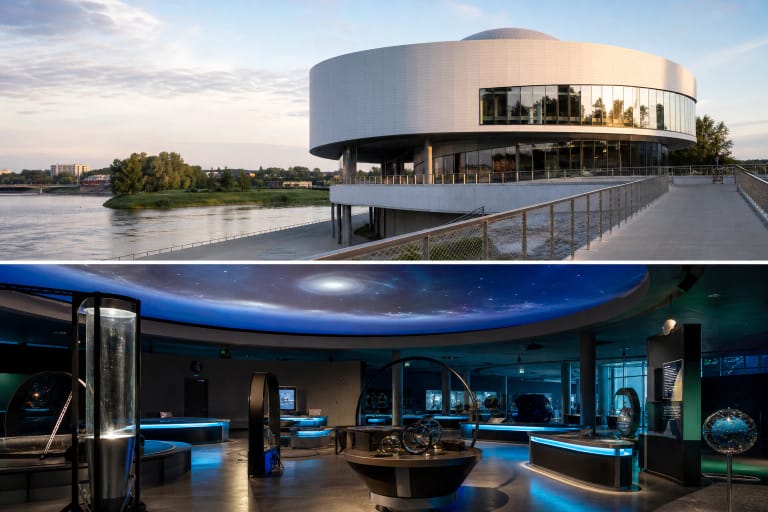
Science Island in Kaunas is Lithuania's first science and innovation popularization centre, located on Nemunas Island.
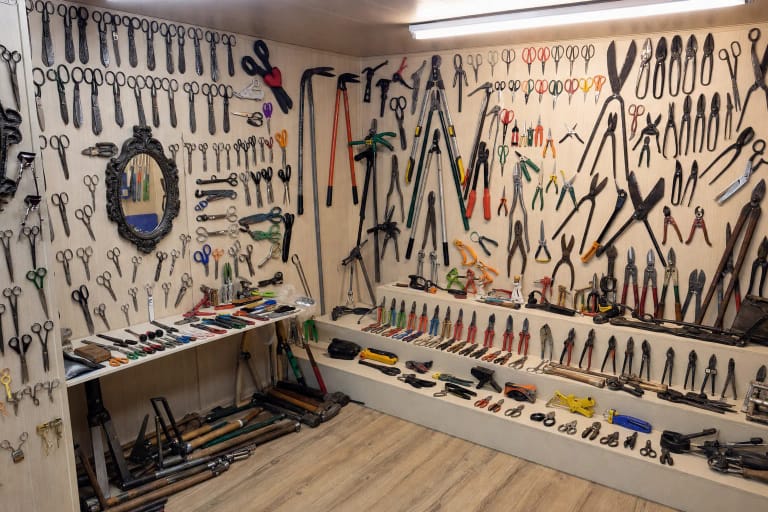
Edita and Kęstutis Mėliniai opened their Scissors Museum in Griniai village in 2022.
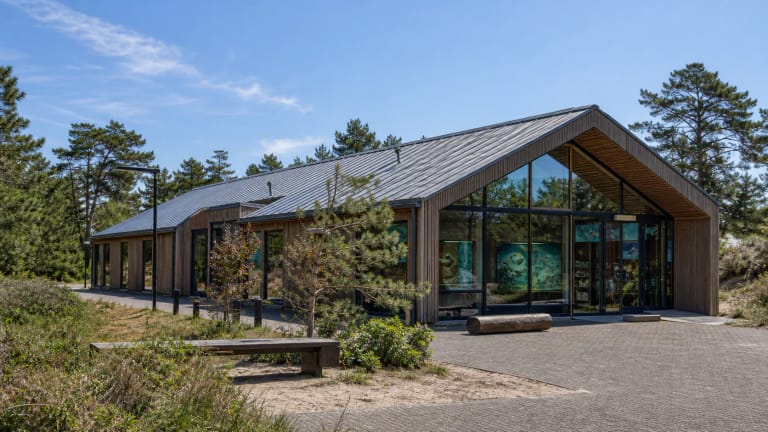
The Seaside Regional Park Visitor Centre in Karklė is the best place to begin exploring the park.

Šeduva Cultural and Crafts Centre on Vilniaus Street is a living regional culture venue combining exhibitions, education, crafts, concerts, community activity,…
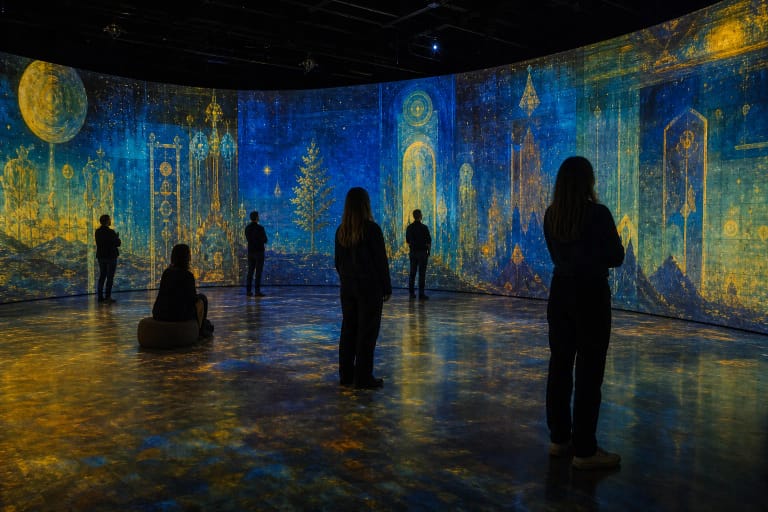
The Sensory Art Centre in Vilnius presents projections and individual virtual-reality experiences inspired by Čiurlionis.

Ship-Museum M52 Sūduvis by the Danė quay lets visitors board a former Lindau-class mine countermeasure vessel: 47.1 m long, built in Germany in 1958 as M1071…
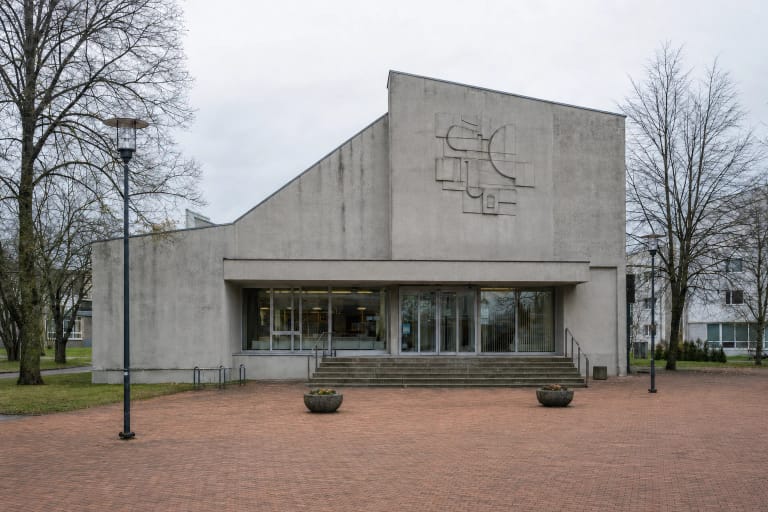
Founded in 1992, Šiauliai Art Gallery is one of northern Lithuania's principal centres for visual art.
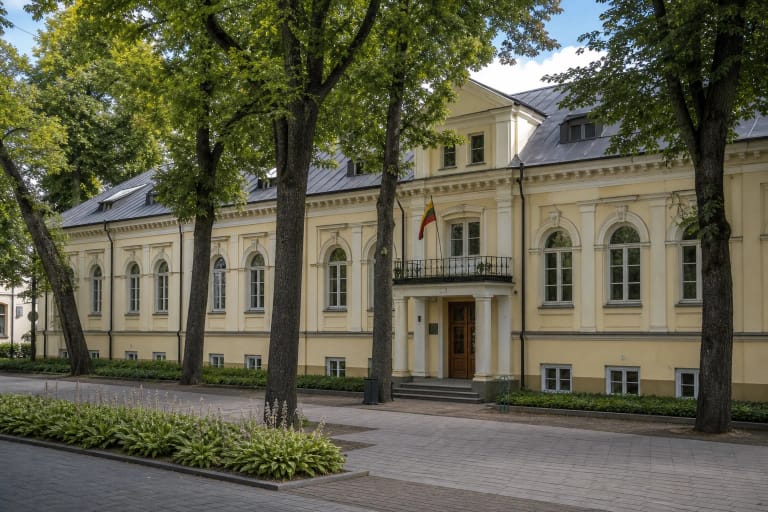
Šiauliai Aušra Museum, founded in 1923 and named after the first Lithuanian newspaper Aušra, is one of Lithuania's oldest and largest museums.
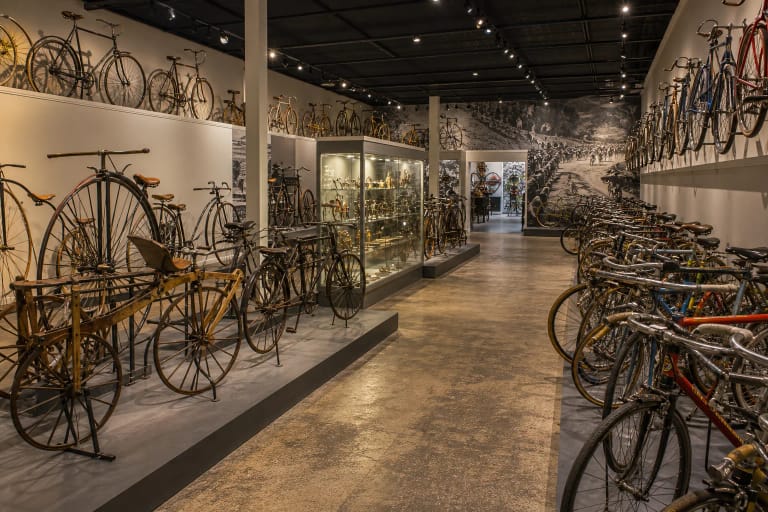
Šiauliai Bicycle Museum is Lithuania's only museum devoted to the bicycle.
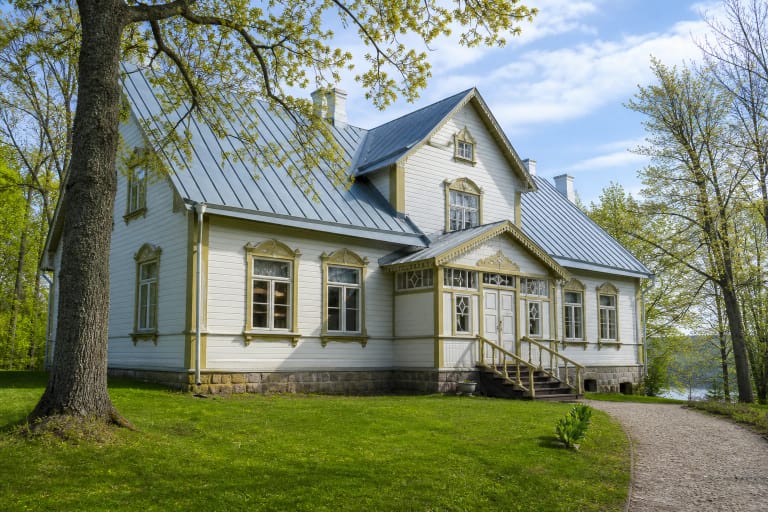
Šiauliai District Municipality Ethnic Culture and Traditional Crafts Centre operates in buildings of the Kuršėnai manor estate and offers ceramics, woodcarving,…
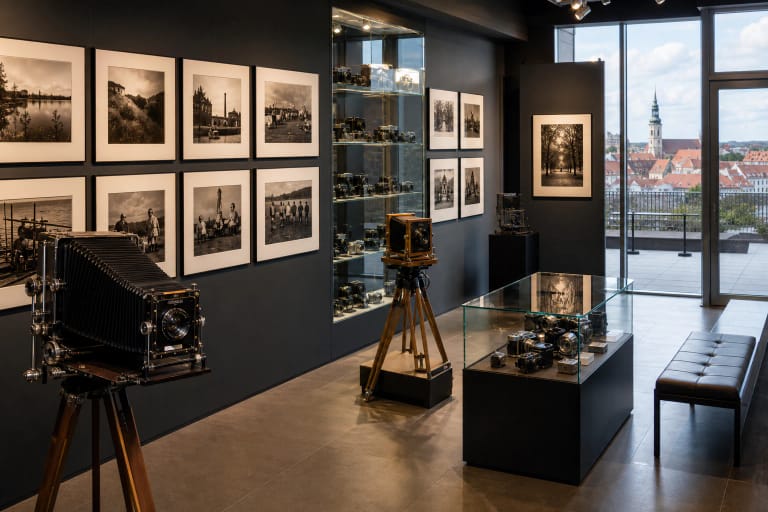
Šiauliai Photography Museum, founded in 1973 through the initiative of photographer Antanas Dilys, is Lithuania's only specialized museum of photographic art…
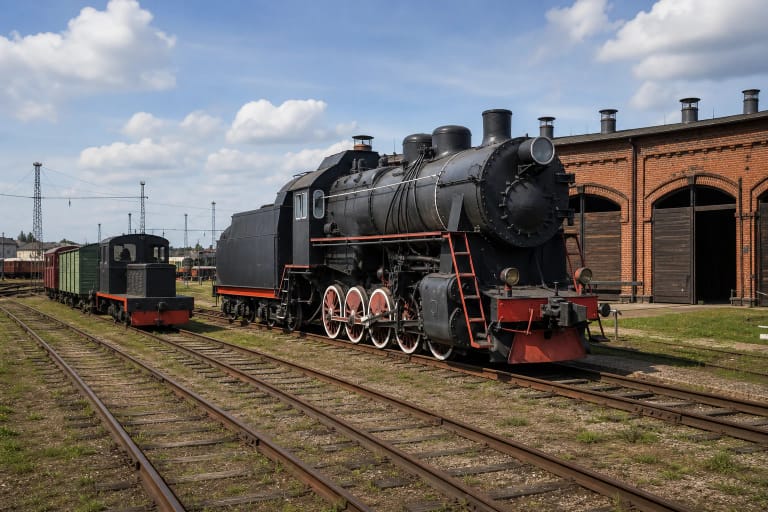
Šiauliai Railway Museum is an approximately 13 ha open-air steam-locomotive display by the Šiauliai railway depot and a branch of the Lithuanian Railway Museum.
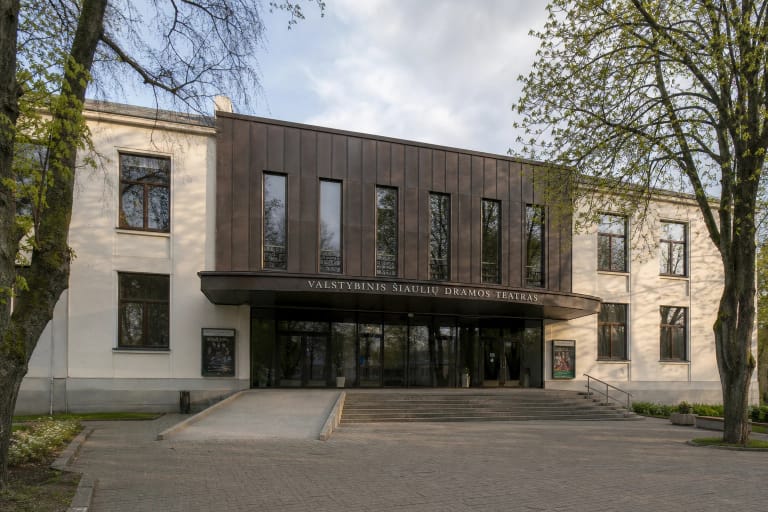
Šiauliai State Drama Theatre traces its history to the September 23, 1931 premiere of Carlo Gozzi's Princess Turandot.