Travel spots in Lithuania
Museums in Lithuania - page 2
Continue the collection with entries 121-214 of 214.
Museum guides
Each place page combines cultural context, practical details, and visitor orientation.
The Money Museum in Vilnius is the Bank of Lithuania museum on Totorių Street, where five halls present the history of money, banking, numismatics, and finance from barter to modern payments.

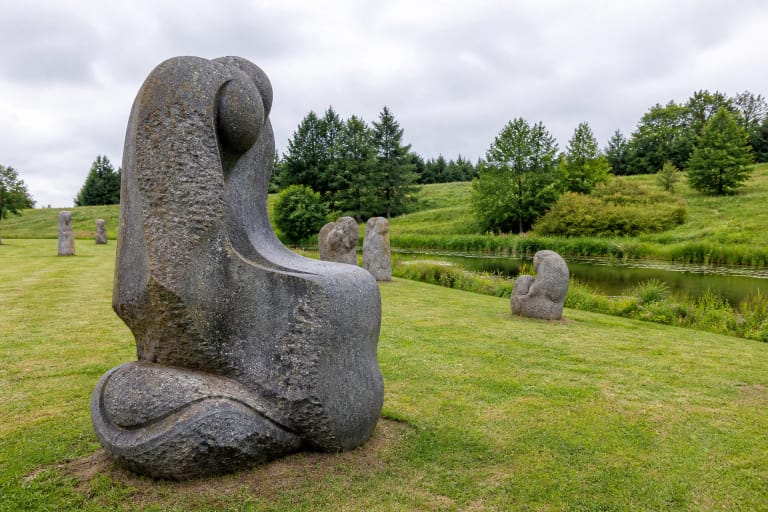
Mosėdis Stone Museum, officially the Republican Vaclovas Intas Stone Museum, is a unique geology and landscape site where boulders collected by physician Vaclovas Intas turned the town into a stone park.

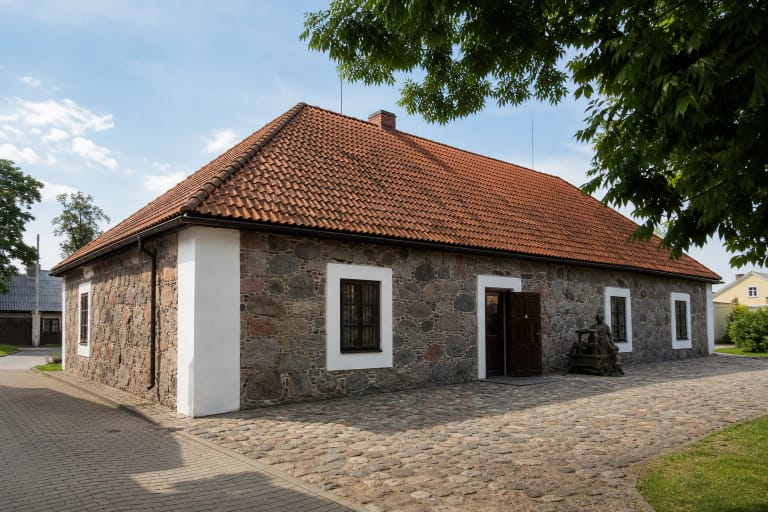
Mosėdis Watermill is a fieldstone building erected in 1792 and protected in Lithuania's Register of Cultural Values. The restored mill houses the Republican Vaclovas Intas Stone Museum's indoor mineralogical and petrographic exhibition, while its dam, channel, reconstructed wheel, and recorded machinery parts explain its former grain-milling function.

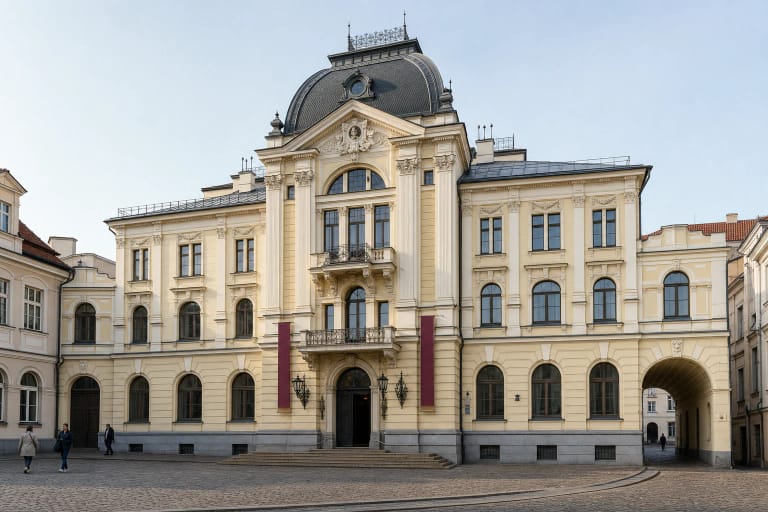
The Museum of Applied Arts and Design is housed in the restored Old Arsenal Palace of Vilnius Lower Castle, beside Gediminas Hill. It is a branch of the Lithuanian National Museum of Art, hosting applied arts and design exhibitions, while the building itself preserves authentic sixteenth-century arsenal walls.

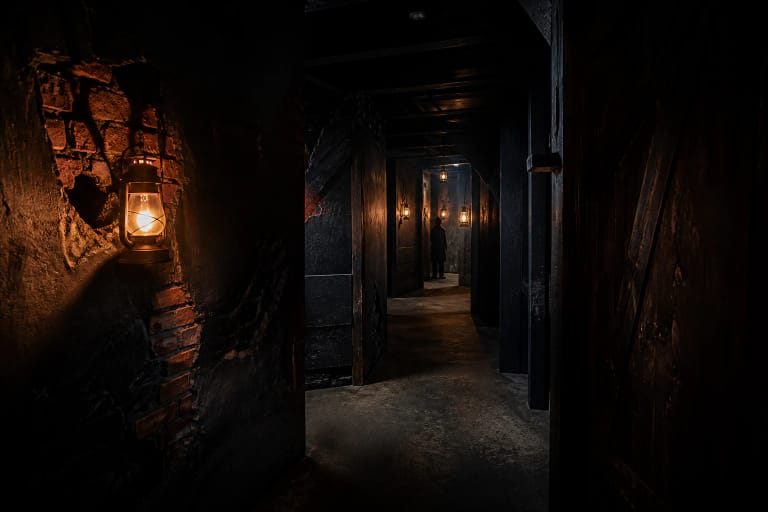
The Museum of Freedom Fights and Deportation History in Priekulė tells the story of postwar partisan war and Stalinist deportations. It is installed in the building that served in 1945-1953 as a Soviet security headquarters and detention site, with a reconstructed cellar prison cell, an authentic deportation wagon, and a rebuilt partisan bunker in the yard. It is a branch of Gargždai Area Museum.

The Museum of Lithuanian Jewish Culture and Identity on Pylimo Street is the newest and largest branch of the Vilna Gaon Museum, presenting Litvak religion, languages, shtetl life, art, and identity stories across four floors.

The Museum of Occupations and Freedom Fights in Vilnius operates in the former Soviet security and KGB building on Aukų Street, where exhibitions, documents, and the surviving internal prison tell the story of occupations, repression, and Lithuania's freedom struggles.

The Museum of the Samogitian Diocese operates in the 1770 Samogitian priest seminary building in Varniai; it is a branch of Žemaičių Museum Alka and presents diocesan history, sacred heritage reaching the 15th-16th centuries, and Lithuania's largest ringing bells.

Mykolas Žilinskas Art Gallery is a branch of the National M. K. Čiurlionis Museum of Art on Nepriklausomybės Square in Kaunas, known for Western European art donated by collector Mykolas Žilinskas and for its striking 1989 postmodernist building with the nude male sculpture Human. At the time of research, the gallery was closed for reconstruction.

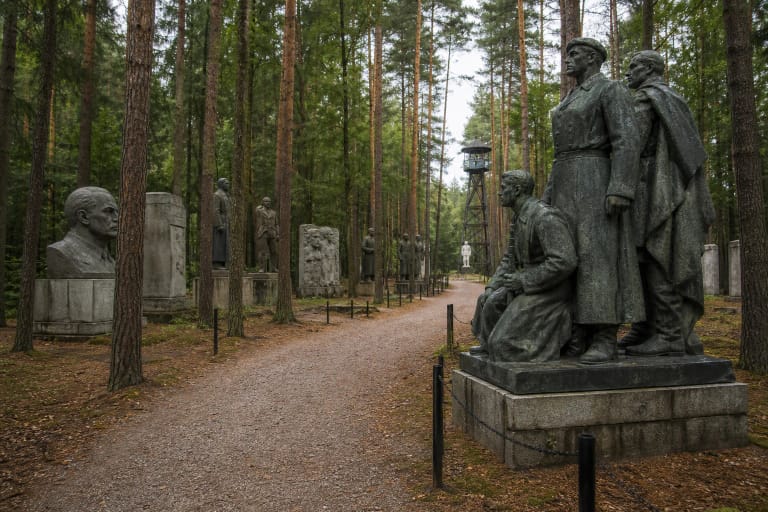
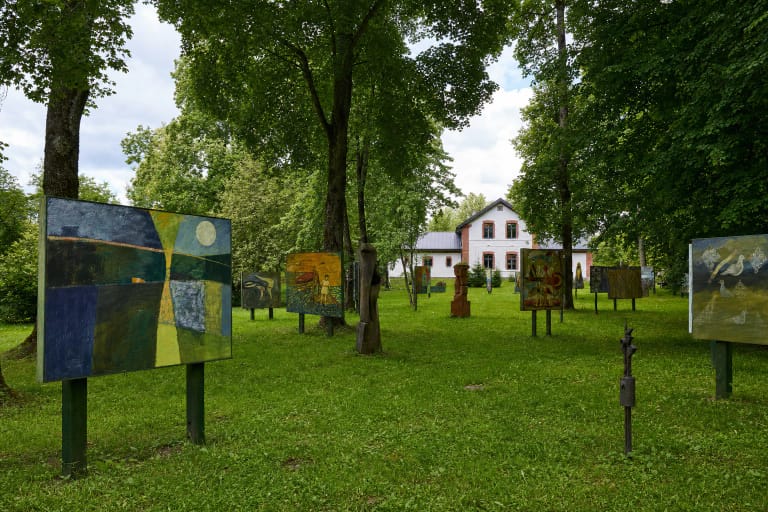
The Naisiai Museum of Baltic Gods is an open-air sculpture ensemble inaugurated in 2012, not an indoor collection or a surviving ancient sanctuary. Northern Lithuanian folk artists created 53 oak figures, 38 of which line a 1.4 km interpretive trail through landscaped village grounds, the Sun and Fire squares, and Alka Hill. A concept developed with ethnologist Libertas Klimka, archaeologist Vykintas Vaitkevičius, and designer Vytautas Puzeras combines Lithuanian, Latvian, and Prussian mythology with archaeology, written sources from the 13th to 18th centuries, folklore, and ethnography. The most rewarding approach is therefore not to seek one final pantheon, but to compare names, artists' symbols, and labels with evidence that varies considerably in date and reliability.

Nalšia Museum in Švenčionys is the local-history museum of the old Nalšia land, holding more than 60,000 exhibits from Stone Age Kretuonas settlements to the archive of the Tiger partisan detachment. Founded in 1945 as Švenčionys Local History Museum and renamed Nalšia Museum in 1992, it also has a Reškutėnai branch continuing living craft traditions.

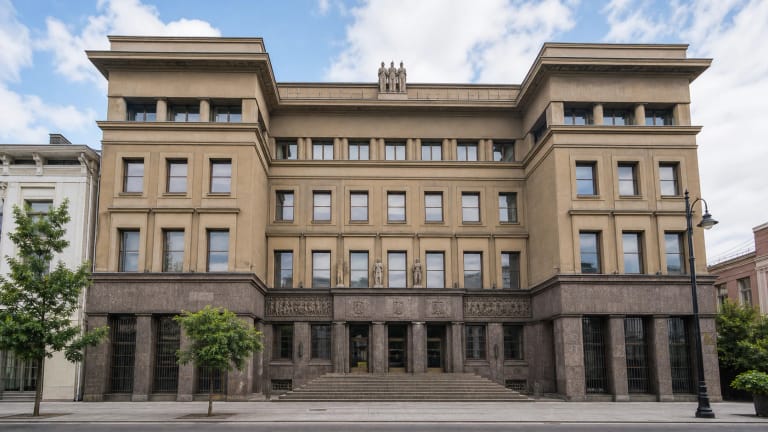
The National Gallery of Art is an LNDM branch in the 1980 former revolution museum building on Konstitucijos Avenue, presenting a collection of more than 46,000 works of twentieth- and twenty-first-century Lithuanian and diaspora art, temporary exhibitions, and cultural events.

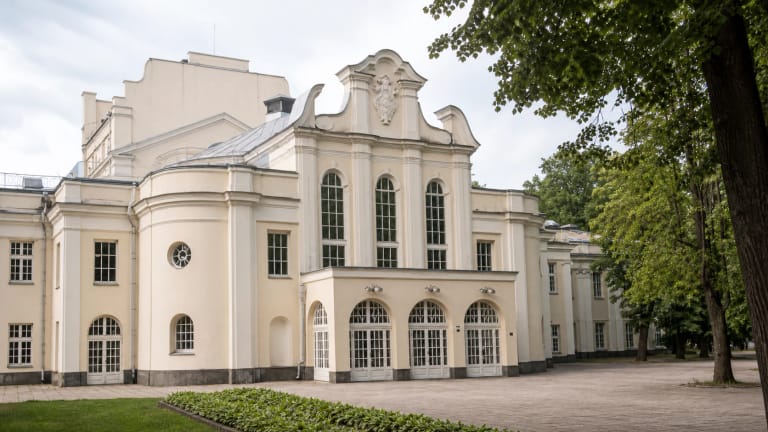
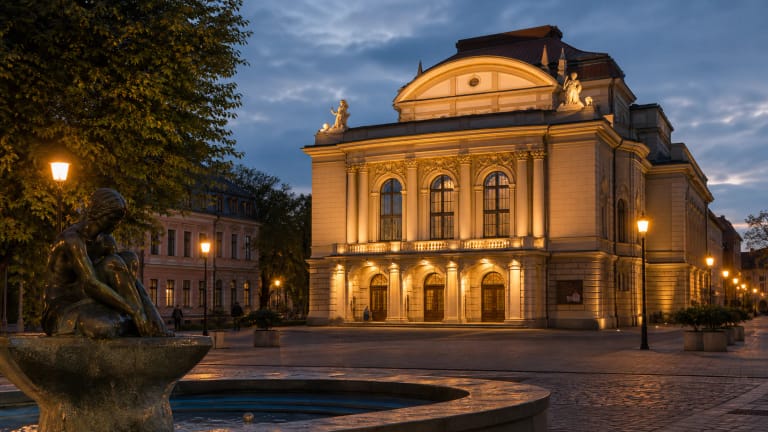
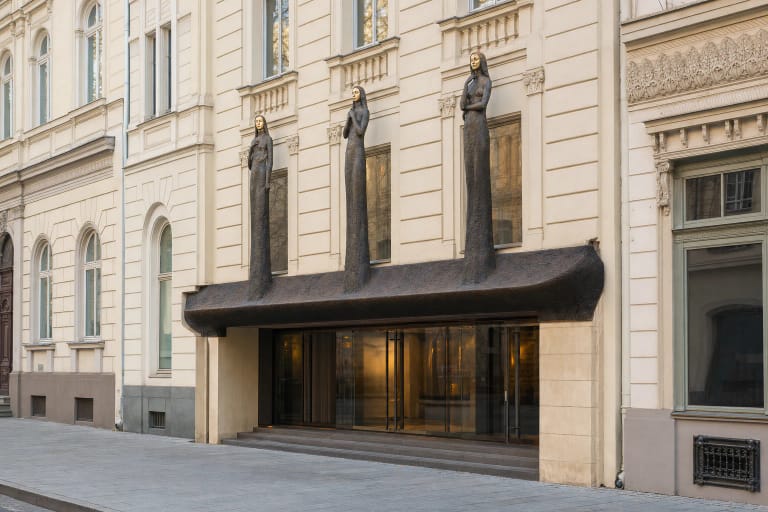
National Kaunas Drama Theatre on Laisvės alėja is the first professional permanent Lithuanian drama theatre, founded in 1920 in the then temporary capital. Over a century it became a cradle of modern Lithuanian directing, from Dauguvietis and M. Chekhov to Soviet-period risk-takers Jurašas and Vaitkus.

The National M. K. Čiurlionis Museum of Art in Kaunas is Lithuania's largest state art museum and the most important place to understand M. K. Čiurlionis' work. Its history begins with the 1921 Čiurlionis Gallery law, while the present museum complex grew from the Vytautas the Great Museum built in 1930-1936.

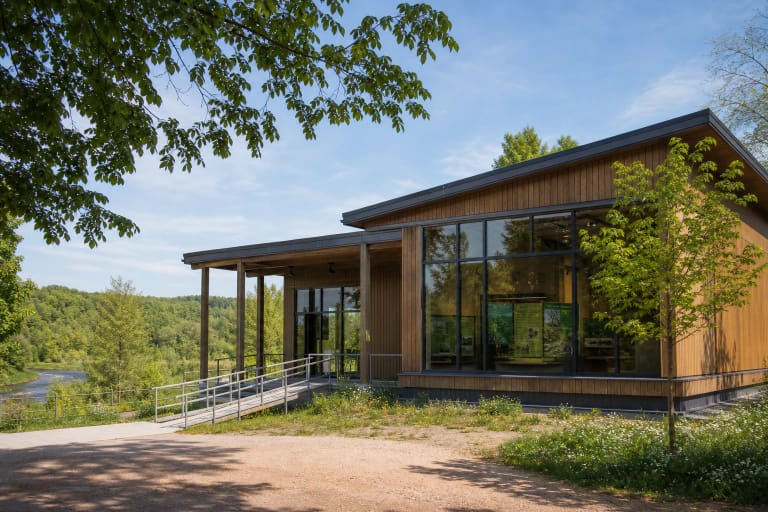
The Nemunas Delta Regional Park Visitor Centre in Rusnė explains what is easy to miss from the flat Pamarys roads: how the Nemunas branches, how polders work, how ice jams form, and why the delta matters to birds. A floor map, ornithology terminal, kurėnas boat details, and a smart chair simulating bird flight are backed by current route advice. Its Google Maps rating was 4.7 out of 5 on 14 July 2026.

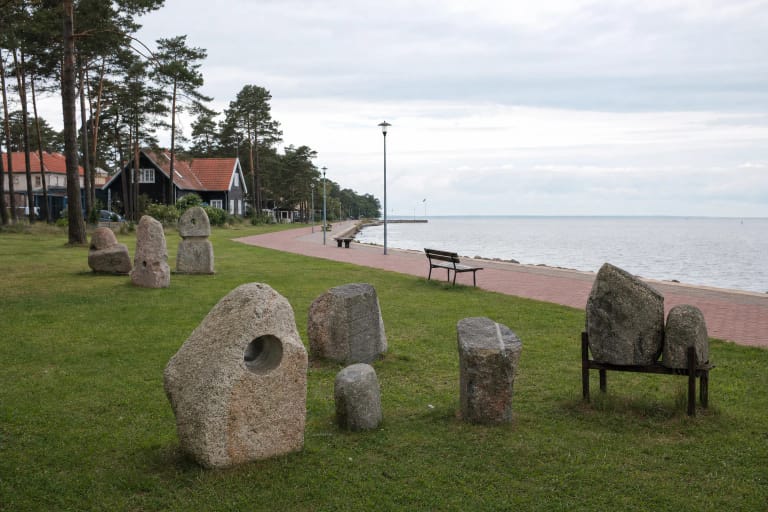
Nida Art Colony is a Vilnius Academy of Arts unit in Nida, operating as a space for contemporary art residencies, exhibitions, education, research, and meetings on the Curonian Spit. Opened in 2011, the colony continues the Nida painters' tradition that formed around Hermann Blode's guesthouse in the late nineteenth century, and it has produced three Lithuanian pavilions at the Venice Biennale.

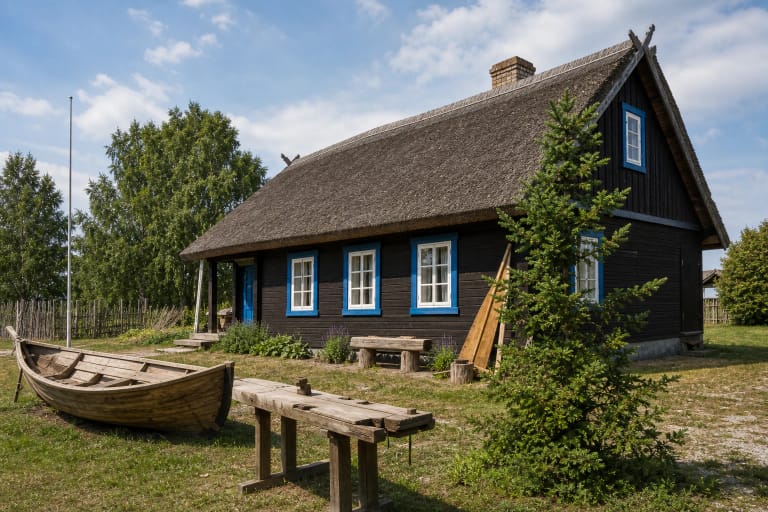
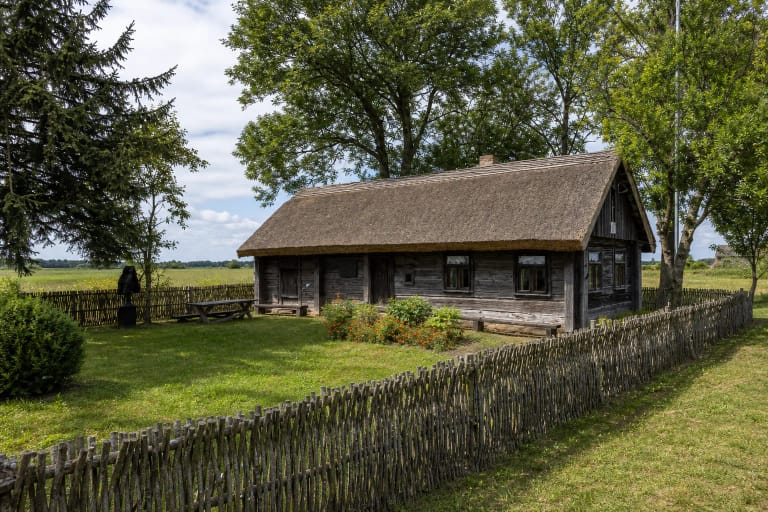
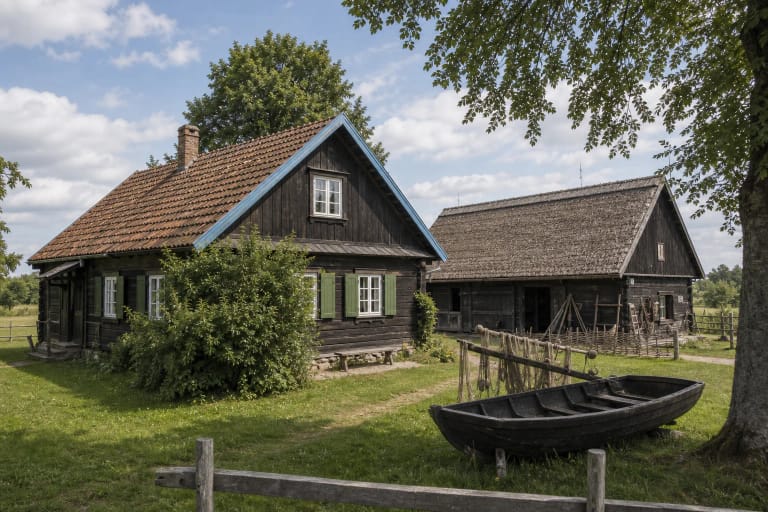
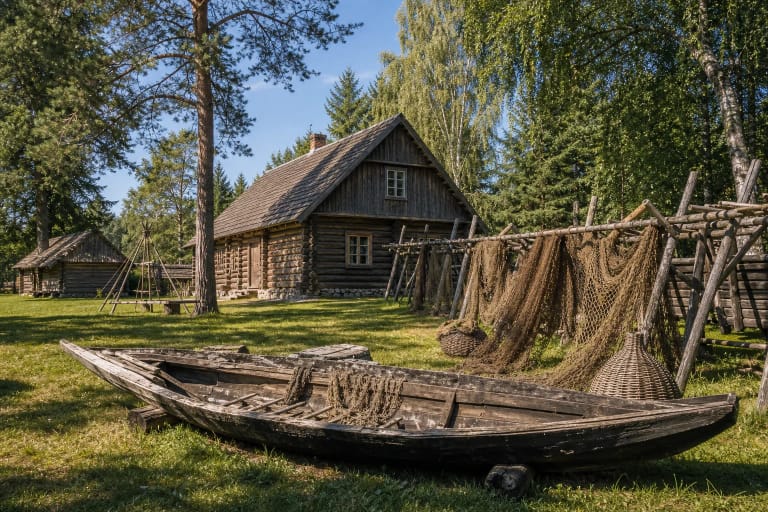
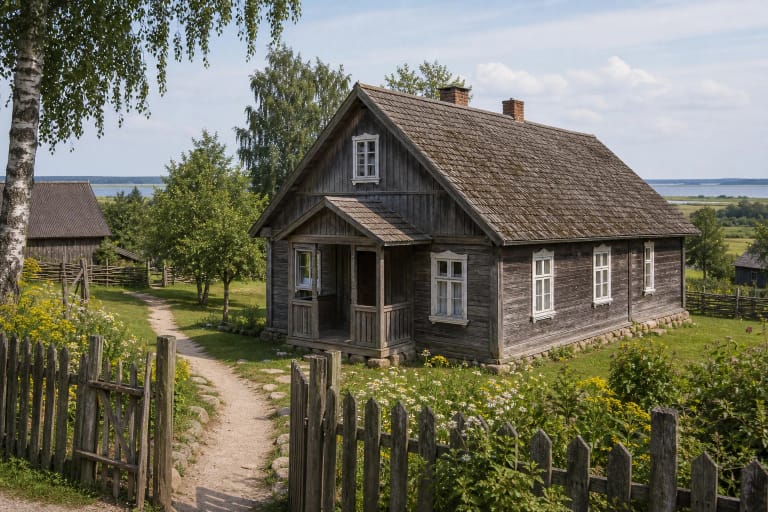
Nida Fisherman's Ethnographic Homestead is a Curonian Spit fisherman's house complex built by local craftsmen in 1927 on the Curonian Lagoon shore, in the former village of Haken. A branch of Neringa Museums, its display recreates the household life of a fisherman's family in the late nineteenth and early twentieth centuries, the lagoon-side fisherman's-house architecture, everyday objects, and the rhythm of life by the water.

The Obeliai Freedom Fights History Museum tells the story of the partisan war and deportations in north-eastern Lithuania. It grew from a collection secretly preserved for decades by partisan Andrius Dručkus, now numbering more than 12,000 exhibits, with a partisan bunker in the museum yard. It is a branch of the Rokiškis Regional Museum.

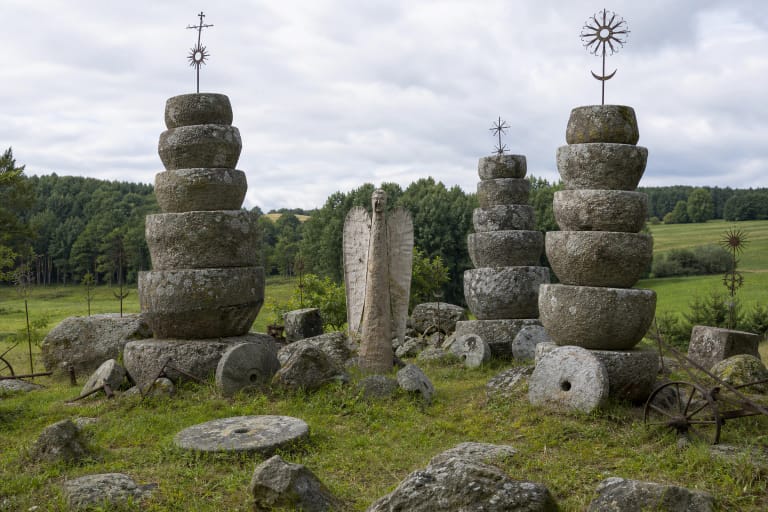
Orvidai Homestead in Gargždelė is one of Lithuania's most unusual museum spaces: the environment created by Vilius Orvidas and the Orvidas family joins stones, wooden crosses, religious signs, Soviet-era nonconformism, and rough Samogitian creativity.

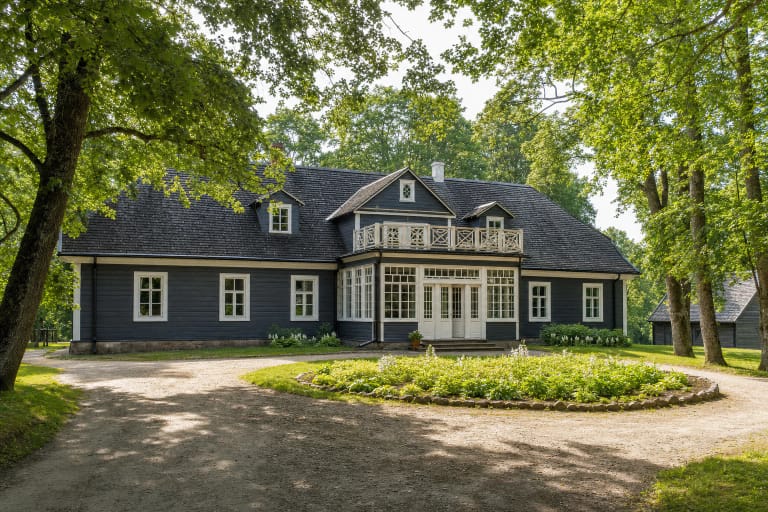
Paberžė is one of central Lithuania's most sensitive memory places: since 1993 the 1863 Uprising Museum has operated in a 1793 manor house; priest Antanas Mackevičius served here and launched the uprising, and the wooden church, cemetery, and legacy of Tėvas Stanislovas, who made Paberžė famous in 1966-2005, shape the place today.

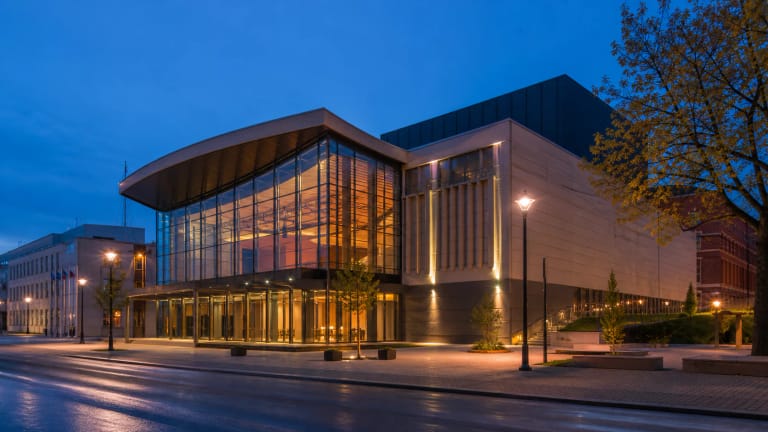
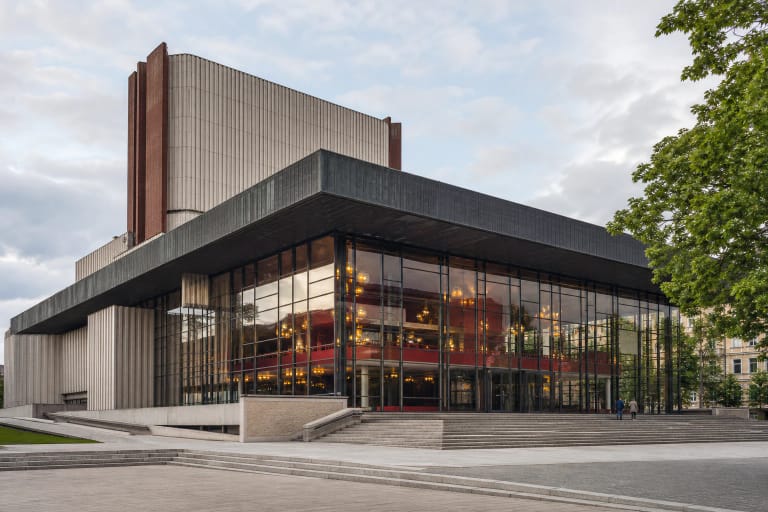
Palanga Concert Hall is a circular cultural venue opened in 2015 on the site of the former Summer Stage, with white facade bands and obliquely recessed windows evoking a music box. Inside, 2,200 seats surround the stage, the stalls can transform for formats of up to 3,000 people, and a system of eight microphones, 112 loudspeakers, and digital electroacoustics adapts the sound to different genres.

Palanga Resort Museum operates in Villa Anapilis, a Tiškevičiai villa dated to about 1898 and listed in the Cultural Heritage Register under code 1290. Founded in 2013, the museum preserves archaeology, art, photography, history, and manuscript collections and explains how Palanga became a resort.

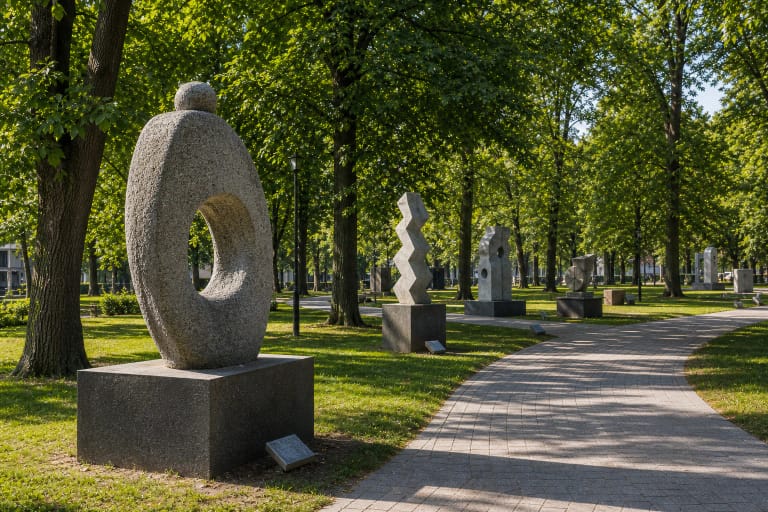
Palanga Sculpture Park is an outdoor sculpture space founded in 1982 at the junction of Vytauto and J. Simpsonas streets. The park, reconstructed in 2008, displays 28 sculptures from the collections of the Lithuanian Art Museum, including works by leading Lithuanian sculptors and figures by V. K. Jonynas made in exile. It is a convenient cultural stop in the resort centre.

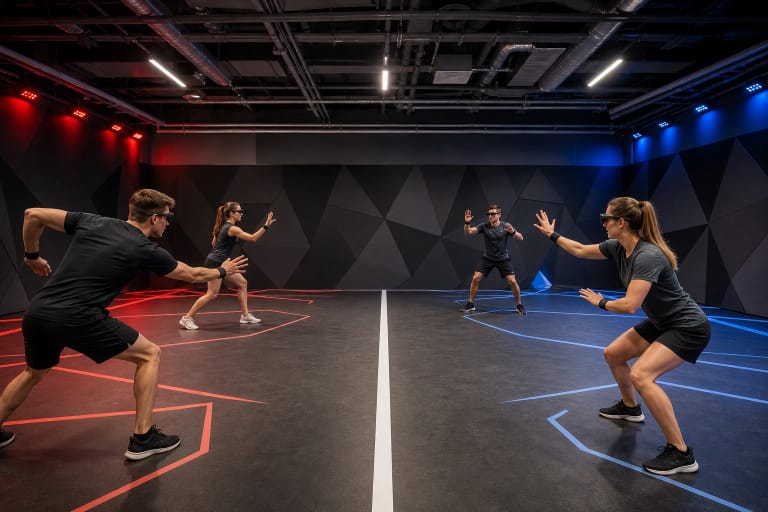
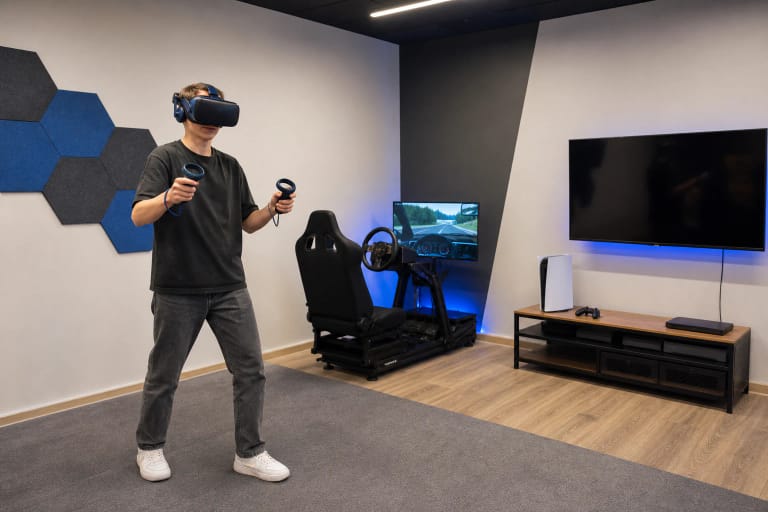
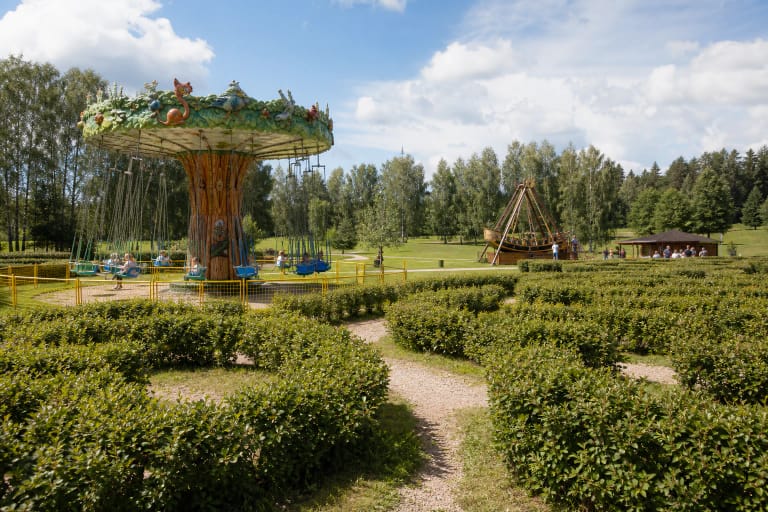
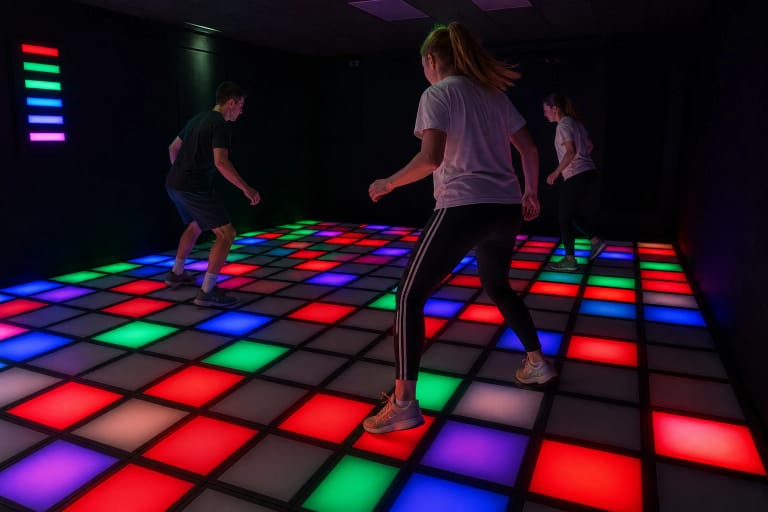
Palanga Summer Park at 43 J. Basanavičius Street is a seasonal outdoor activity complex whose 2026 offer includes a 700-square-metre trampoline park, Ninja Warrior obstacles, three-storey children's maze, treetop ropes, e-karts, carousel, VR, shooting gallery, and mini excavators. The current €35 day ticket covers only five clearly listed activity elements, while the observation wheel and food outlets are separate partners.

Panevėžys Narrow-Gauge Railway Station and Depot is the administrative and technical heart of the Siaurukas, Europe's longest operating 750 mm narrow-gauge railway. It includes the 1938-1939 red-brick depot, rare KP4-708 steam locomotive, wooden carriages, rail trolleys, and retro train journeys from Panevėžys.

Since 1986, Panevėžys Puppet Wagon Theatre has combined professional stationary puppet theatre in Panevėžys with a distinctive summer touring tradition: the performance travels to communities in a theatre wagon. Understand the place as three connected but different parts - its historic building at 30 Respublikos Street, current hall at 25 Respublikos Street, and a changing tour route whose transport and stops depend on each year's programme.

Panevėžys Regional Museum on Vasario 16-osios Street is a city and regional history centre founded in 1925, holding more than 120,000 exhibits, presenting the Dialogues of Epochs exhibition, and operating across several historic buildings.

Pasvalys Regional Museum occupies the Svalia cinema building of 1964 and brings together the region's karst geology, archaeology, town history, ethnography, and cultural figures. Its holdings numbered approximately 61,400 objects in 2024, while modern displays let visitors descend virtually into Žalsvasis Spring, examine Semigallian finds, and travel with Antanas Poška. A separate open-air collection of approximately 321 millstones and cup-marked stones operates at 2 Lėvens Street.

The Potato Museum is Lithuania's first and only museum dedicated to the potato. It was founded in 2019 in Kudirkos Naumiestis, in the former town pumping station, by agronomist Jonas Valaitis. Across three floors it presents potato history and cultivation, old farm implements, a collection of about 300 horseshoes, Colorado potato beetles, a viewing platform, and potato-variety tastings in the cellar. A wooden monument to the potato stands in the yard.

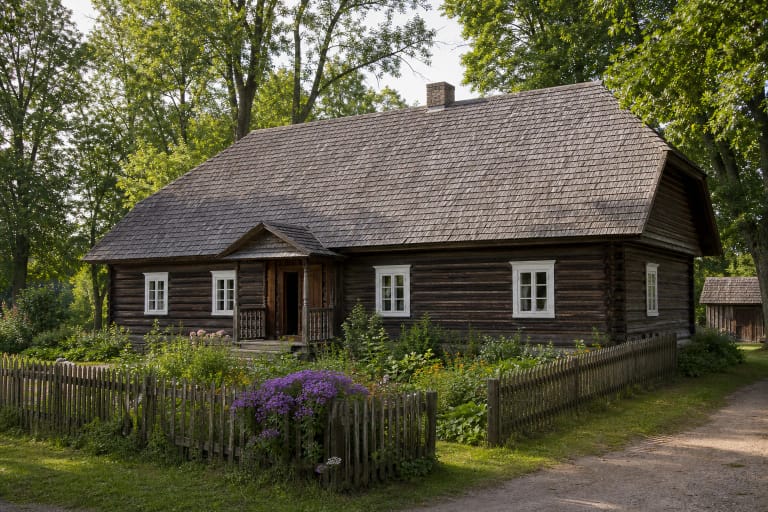
Povilas Višinskis Birthplace in Ušnėnai is a reed-roofed Samogitian homestead where the national-revival organiser, critic, and publicist Povilas Višinskis was born in 1875. He encouraged Žemaitė, Šatrijos Ragana, and Lazdynų Pelėda to write; the museum also tells the story of nearby neighbour Žemaitė.

Pranas Domšaitis Gallery in Klaipėda is a branch of the Lithuanian National Museum of Art in four late-nineteenth- to early-twentieth-century buildings on Liepų Street; it holds the world's largest collection of Expressionist Pranas Domšaitis' work, 665 pieces.

Priekulė Art and Culture Centre occupies a long historic building on Market Square, where a former trading hall has become a flexible 357 sq m performance space. It presents theatre, concerts, films, exhibitions, and festivals, and the best way to see the interior is to choose a specific event because this is not a museum open for unstructured daily visits. Google Maps users rated it 4.6 out of 5 on 13 July 2026.

Priekulė Ieva Simonaitytė Memorial Museum presents the writer regarded as the most important Lithuanian prose chronicler of life in Lithuania Minor. Her summer house preserves an authentic setting, personal library, and first editions of all her books.

Prienai Justinas Marcinkevičius Public Library is both the city's working central library and a documented place of literary memory. At 2B Kauno Street, visitors can enter the poet's memorial room, opened in 2012 around a personal library transferred from his Vilnius home, see changing exhibitions, use the reading rooms, and pause in the commemorative courtyard completed in 2021. This is neither his birthplace nor a separate museum, so a guided presentation of the collection or a group visit should be arranged with the library in advance.

The Radio and Television Museum in Šiauliai presents the history of sound and image technology in one building: about 5,000 music boxes, phonographs, gramophones, radio receivers, and television sets from the late nineteenth century to the present. It is located in the city where Lithuania's only television factory operated, so some exhibits were made in Šiauliai. The museum is a branch of the Šiauliai Aušra Museum.

Radvila Palace Museum of Art operates in the Jonušas Radvila palace complex at Vilniaus g. 24: in the remains of a U-shaped Renaissance palace begun in 1646 to a design by Jonas Ulrich, the Lithuanian National Museum of Art has since 1990 combined old European art collections with contemporary exhibitions.

Rietavas Oginskiai Cultural History Museum operates in the former Rietavas manor music-school building and tells the story of Oginskiai rule, manor culture, music, technical innovations, and the first Lithuanian power station built here in 1892.

Rinkuškiai Brewery in Biržai is a family brewery in the region often called Lithuania's beer capital. Visitors can see production, view the old tubs and equipment of brewer Jonas Čygas in a museum described as Lithuania's only beer museum, and taste beer made in a home-brewing tradition. The Alaus kelias restaurant operates next door.

Romuva Cinema on Laisvės alėja is a Kaunas modernism site built in 1940 that has kept its cinema function to this day. Its setback from the street, small public forecourt, glass tower, and oval auditorium logic make Romuva one of Lithuania's clearest surviving traces of interwar cinema culture.

Rumšiškės Open-Air Museum, now officially the Lithuanian Ethnography Museum, is a huge open-air museum beside Kauno Marios where relocated homesteads, a town area, crafts, and regional architecture reveal the scale of Lithuanian rural life.

Rūta Chocolate Museum in Šiauliai occupies a historic interwar factory building and, according to the company, is the only chocolate museum in Lithuania. Visitors can follow 4,000 years of chocolate history, see an almost thousand-year-old Maya cup, and become chocolate makers themselves. Rūta, founded in 1913, is Lithuania's oldest operating confectionery company.

Salantai Regional Park Visitor Centre explains how the last Ice Age shaped the ancient valleys of the Erla, Salantas, and Minija and scattered boulder fields across this part of Samogitia. In the Traces of the Ice Age exhibition, a stylised relief flows across the ceiling, boulder and lichen motifs lead into interactive tasks, and Samogitian speech, architecture, and archaeology show how people inhabited this landscape. Its Google Maps rating was 4.8 out of 5 on 14 July 2026.

The Samuel Bak Museum at Naugarduko g. 10 opened in 2017 as the first museum in the world dedicated solely to Samuel Bak, presenting the Vilnius-born artist's path from childhood drawings in the Vilnius Ghetto to later canvases about memory, loss, and survival.

Science Island in Kaunas is Lithuania's first science and innovation popularization centre, located on Nemunas Island. The building by SMAR Architecture Studio, marked by a 27 m-diameter disk, contains the Human. Nature. Machine exhibition with 140 interactive exhibits, a planetarium, and 4 STEAM laboratories.

The Seaside Regional Park Visitor Centre in Karklė is the best place to begin exploring the park. It explains the meeting of sea and land, Karklė's coastal ecosystem, and natural and cultural sites, while the exhibition greets visitors with an underwater-styled space holding the skeleton of a sunken ship and a 648 l aquarium modelling life in the Baltic nearshore by Karklė.

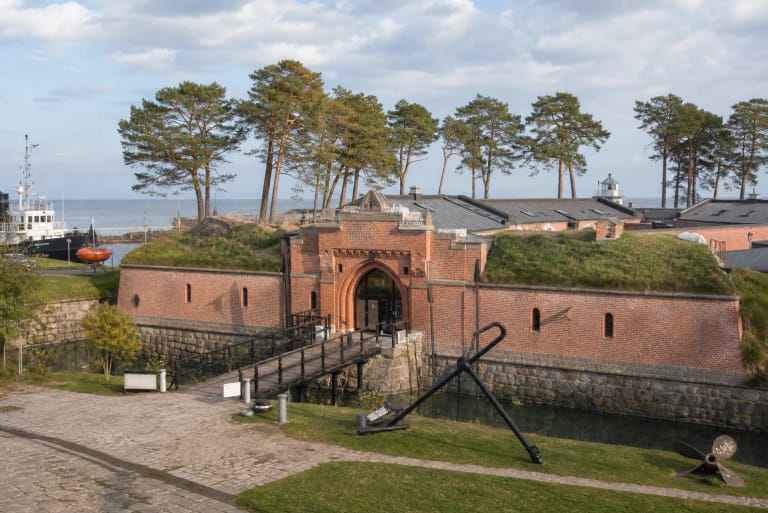
Ship-Museum M52 Sūduvis by the Danė quay lets visitors board a former Lindau-class mine countermeasure vessel: 47.1 m long, built in Germany in 1958 as M1071 Koblenz, transferred to the Lithuanian Naval Force in 1999, and made a museum exhibit in 2021.

Šiauliai Aušra Museum, founded in 1923 and named after the first Lithuanian newspaper Aušra, is one of Lithuania's oldest and largest museums. Its main history exhibition operates in the Aušros Alley Palace, while several well-known branches are grouped around it.

Šiauliai Bicycle Museum is Lithuania's only museum devoted to the bicycle. It tells both the development of bicycle design and the story of Šiauliai as Lithuania's bicycle-production centre. It operates as a branch of the Šiauliai Aušra Museum and is known for interactive displays.

Šiauliai Photography Museum, founded in 1973 through the initiative of photographer Antanas Dilys, is Lithuania's only specialized museum of photographic art and technology. It brings together a collection of almost 150,000 exhibits and valuables, exhibitions, educational activities, the Vitas Luckus Photography Centre, and a city-centre terrace.

Šiauliai Railway Museum is an approximately 13 ha open-air steam-locomotive display by the Šiauliai railway depot and a branch of the Lithuanian Railway Museum. Exhibits include narrow- and broad-gauge steam locomotives, draisines, and a deportation wagon, while the indoor exhibition explains Šiauliai as an important railway junction from 1871.

Šilavotas Davatkynas is a rare surviving davatkynas, where devout village women, called davatkėlės, settled in the late nineteenth century. They cared for the church, nursed the sick, and secretly taught children. Today their cottages and a trail of saint sculptures form a unique open-air ethnographic museum, a branch of the Prienai Regional Museum.

Skuodas Museum in the historic town manor site is a gateway to the Skuodas region: founded in 1991, it holds more than 20,000 exhibits, including Curonian finds from Apuolė, Klaišiai, and Klauseikiai, as well as ethnography and folk art.

Smalininkai Museum of Ancient Technology by the Nemunas in Jurbarkas District preserves more than 7000 exhibits, from old tractors, engines, and locomobiles to radio, cinema, and household technology. Founded by Justinas Stonys in 2004, it presents 34 old production technologies and 19 crafts.

St Faustina's House in Antakalnis, at V. Grybo g. 29A, is the only surviving wooden building of the convent of the Sisters of Our Lady of Mercy, where St Faustina lived in 1929 and 1933-1936 and experienced revelations of Jesus. Restored in 2008, it includes a reconstructed probable cell of the saint.

Stačiūnai Windmill in Pakruojis District is a wooden cap windmill built in 1890, notable for its decorated stone-masonry ground floor and the district's only internal cap-turning mechanism. It stopped operating in 1938, was later restored, and in 2006 received a milling and old household exhibition; today it is a community-maintained windmill-museum.

Stasys Girėnas Birthplace Museum is not a surviving childhood house but the genuine, protected location of the family farmstead, layered with later acts of remembrance. The Cultural Heritage Register protects it as a national-level historical and memorial site associated with Girėnas's life in 1893-1910. Vilnius University hikers and aviators marked the ground with a stone in 1969. A Samogitian cottage reconstructed from surviving evidence in 1988 stands away from the original footprint, because Girėnas's brother Petras had already built a barn there in the late 1930s. The cottage follows the orphaned Stanislovas Girskis through emigration, engineering work, and a flying career in the United States to the 1933 Atlantic crossing with Steponas Darius; the barn and ethnographic rooms restore the world of Vytogala village. Paraglider and aircraft-control simulators now add hands-on activity, but the original Lituanica wreckage remains in Kaunas rather than at this homestead.

Stasys Museum in Panevėžys is a contemporary art museum opened in 2024 and dedicated to internationally known graphic artist, poster master, and poet Stasys Eidrigevičius. It displays his posters, graphic works, masks, and painting, and a roof terrace opens views over the city.

STIHL Rope Park occupies mature pine woodland inside Kazlų Rūda's city park and has six courses with 80 challenges: two for younger children and four higher among the trees. Its official descriptions give precise reach thresholds, identify an 18-metre-high point on the red route, and require a safety briefing before the two-hour climbing session begins. The municipal Sports Centre operates this seasonal attraction, so visitors should confirm their reservation, same-day course availability, final admission time, and tariff before travelling.

Subartonys Vincas Krėvė-Mickevičius Memorial Museum operates in the writer's birthplace homestead, opened in 1966, where the Dainava classic was born in 1882 and reburied in 1992. After a 2019-2020 renewal, the house returns V. Krėvė's writing about Dzūkija and its legends to a specific landscape.

Sugihara House in Kaunas is the former Japanese consulate site at Vaizganto g. 30, where diplomat Chiune Sugihara lived in 1939-1940. The memorial museum tells the story of the visas issued by Sugihara and Dutch consul Jan Zwartendijk, which opened a route for thousands of war refugees from Lithuania through the Soviet Union and Japan.

Švėkšna Museum, officially the Švėkšna Exhibition of the Šilutė Hugo Scheu Museum, has occupied the 1928 Saulė Gymnasium building since 2005. Four galleries bring together local archaeology, ethnography, the surviving legacy of the Plater manor, and the history of the town; the collection's notable early printed works include a 17th-century edition of the Statute of Lithuania. Its institutional story leads from a school cabinet of antiquities through the local-history museum opened in 1969 to branch status within Šilutė Museum in 1993.

Švyturio Arena is a multipurpose sports and events venue opened in Klaipėda in 2011. Its two projecting volumes, wrapped in rust-red openwork screens, flank a glazed centre and evoke the twin hulls of a catamaran. It hosts basketball, concerts, combat sports, ice events, and stage productions in changing layouts, and staged matches during both EuroBasket 2011 and the 2021 FIFA Futsal World Cup.

Tadas Ivanauskas Zoological Museum at Laisvės al. 106 in Kaunas is one of Lithuania's oldest museums and the country's largest zoological collection. Its history began in 1919 with the Nature Research Station, and today visitors find seven halls, about 17,000 displayed animal specimens, and collections holding more than 300,000 items.

Tadas Ivanauskas' Obelynė Homestead in Akademija near Kaunas is the naturalist's home, with his roughly 4 ha dendrological park, ginkgo and dawn redwoods, a heritage apple orchard, and the site of Lithuania's first fox farm. Today it is a memorial museum, a branch of Kaunas District Museum.

Tauragė Museum of Exile and Resistance occupies the house known as Šubertinė, built in 1936 by joiner Otto Šubertas and nationalised by the Soviet authorities for use by the repressive apparatus. The NKVD operated here in 1940-1941, while the most brutal phase ran from 1944 to 1954: partisans, couriers, supporters, and civilians were confined in the basement and interrogated above. On 13 June 1946, help from a guard and underground contacts enabled 23 prisoners to escape. Apartments and a clinic destroyed most original cell fabric after 1954, so today's cell, interrogation room, and partisan bunker are interpretive reconstructions inside the authentic building, not untouched rooms. Former political prisoners and deportees opened the museum on 14 June 1997; personal possessions, letters, handicrafts, testimony, films, a hologram, and a Sąjūdis display now carry its story from occupation and terror to restored statehood.

Tauragnai Regional Museum is a branch of the Utena Regional Museum in Tauragnai. It began in 1971 as a memorial museum for poet Teofilis Tilvytis and was reorganized around 2000 as a broader local-history museum. It presents the Tauragnai area from 1261 onward and stands near Lake Tauragnas, Lithuania's deepest lake, and Taurapilis Hillfort.

The Tauro District Partisans and Deportation Museum in Marijampolė tells the history of the 1945-1952 partisan war in Suvalkija and Soviet deportations. Founded in 1993, the museum displays partisan weapons, documents, and photographs, and includes a reconstructed NKVD and KGB interrogator's office and prison cell.

Telšiai Yeshiva, founded in 1875, became one of Eastern Europe's most important Talmudic study centres; Rabbi Eliezer Gordon modernized its teaching from 1884.

Thomas Mann Memorial Museum in Nida operates in the Nobel Prize laureate's summer house, built in 1930 on Mother-in-Law Hill, where the Mann family spent the summers of 1930-1932; it is one of the most visited museums in western Lithuania.

The central display at Ukmergė Local History Museum follows the region from prehistory and the Middle Ages through the political ruptures of the nineteenth and twentieth centuries. Archaeology, ethnography, old religious sculpture, photographs, and documents are combined with interactive interpretation and a children's archaeology room. The museum occupies the renovated Draugystė cinema of 1959, while its institutional story reaches back to Scout collections formed in 1933 and the town museum opened on 6 May 1944.

Utena Regional Museum is the main museum of the Utena area, housed in a historic merchant's building beside Utenio Square, where the first Utena municipality operated in 1918. Founded in 1929, it holds about 78,000 exhibits, presents regional history from the fifteenth century, and unites six branches across the district.

The Užgavėnės Mask Exhibition in the Plateliai manor stables is Lithuania's first museum exhibition dedicated to Užgavėnės. It holds more than 300 Samogitian masks, called lėčynos, and explains the living festival tradition with Lašininis, Kanapinis, and Morė in Žemaitija National Park.

The Vanda Kavaliauskienė Cat Museum in Šiauliai grew from a small black wooden cat received in 1962 into a collection of approximately 5,000 objects. Across three refurbished galleries, cats appear as porcelain and wooden figures, paintings, prints, tableware, toys, stamps, books, and everyday objects from many countries. Real cats also live at the museum, while a separate animal collection within the same Young Naturalists Centre complex houses reptiles, birds, and small mammals.

Venclauskiai House-Museum in Šiauliai is a refined interwar urban house and a civic-memory site for the Venclauskiai family. The building designed by Karolis Reisonas preserves layers connected with Kazimieras Venclauskis, the first mayor of Šiauliai, more than 100 fostered children, authentic interiors, and the Orphans' Garden.

Viekšniai Biržiška Family Memorial Museum is housed in the recreated home of the famous Biržiška family near the Viekšniai church. Three professor brothers were born here: Mykolas, Vaclovas, and Viktoras Biržiška; Mykolas signed Lithuania's Act of Independence of February 16, 1918. The memorial exhibition belongs to Mažeikiai Museum, and the town library also operates in the house.

Viekšniai Pharmacy Museum is Lithuania's only rural-type pharmacy museum: an authentic pharmacy founded in 1860 in an eighteenth-century house, with the prescription room Oficina, the pharmacist's family apartment, a handwritten history of the pharmacy, and a restored medicinal-herb garden.

Vilnius Picture Gallery on Didžioji Street traces Lithuanian art from portraits of the Grand Duchy to the Vilnius Art School and nineteenth-century artists educated abroad after the university closed. It occupies Chodkevičiai-Pusłowski Palace, whose present late-Classical appearance dates principally from the reconstruction of 1825-1834. Authentic tiled stoves, fireplaces, stucco, and polychromy meet period furniture, applied art, and a changing programme of exhibitions.

Vilnius Railway Museum, whose institutional history dates from 1966, operates in the passenger building of Vilnius railway station. Together with the outdoor Track Park, it tells the story of Lithuanian railways, stations, journeys, rolling stock, drivers' work, and railway technologies.

The Vincas Grybas Memorial Museum in Jurbarkas occupies the sculptor's authentic homestead with workshop, forge, and bathhouse; Grybas was one of Lithuania's major interwar monument makers and was executed by the Nazis in 1941.

The Vincas Kudirka Museum in Kudirkos Naumiestis, a branch of the National Museum of Lithuania in a 1998 building by architect A. Ambrasas, tells the story of Vincas Kudirka (1858-1899): physician, editor of Varpas, and author of Tautiška giesmė. It operates beside the town square with Kudirka's 1934 monument by V. Grybas.

Vinetu Village in Šlikiai is a privately created Lithuanian themed venue where tipis, tall wood carvings, a collection assembled over more than fifteen years, and active challenges frame a story about the Indigenous cultures of North America. General admission covers independent exploration of the grounds and collection; a booked programme adds narration, archery, spear throwing, and a guided activity inside a tipi. Google Maps rated the venue 4.6 out of 5 on 13 July 2026.

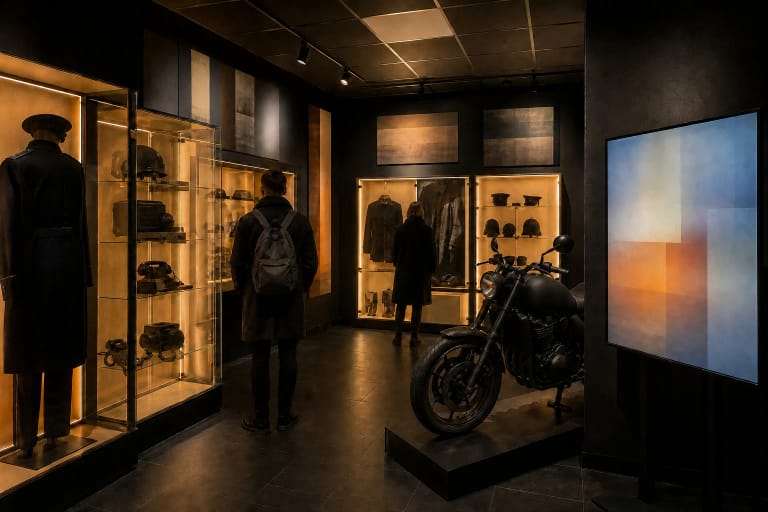
The Vintage Motorcycle Museum in Rapaliai village near Telšiai is Albinas Monstavičius' private collection at the Auksinis elnias homestead, displaying only working motorcycles made before 1945. It is often described as the largest museum of its kind in the Baltic states.

Vištytis Windmill is a wooden cap windmill built in 1925 by local resident Jonas Kanapkis on Ilgasis Hill. It is the only windmill in Lithuania to have preserved its full authentic technological equipment. Restored in 2019-2020 with recreated sails, it now functions as a small museum and viewing tower near Lake Vištytis and the Kaliningrad-Poland borderland.

The Vladas Statkevičius Museum in Šilalė is the local-history museum of the Šilalė area, presenting the town's history and the material and spiritual culture of Samogitians. It grew out of a local-history society branch founded in 1962 and in 2006 was named after teacher and local historian Vladas Statkevičius, whose collected material formed the museum's basis. Its collections hold more than 24,000 archaeological, historical, numismatic, and ethnographic exhibits.

Vytautas the Great War Museum in Kaunas is one of Lithuania's oldest museums, founded at the end of 1919 and opened on February 16, 1921. The present 1936 buildings, shared with the Čiurlionis Museum, the tower, and the memorial garden form one of interwar Kaunas' key state-memory ensembles.

The Vytautas Valiušis Ceramics Museum in Leliūnai, Utena District, is one of Lithuania's largest ceramics museums. Founded in 2001 by folk artist and ceramicist Vytautas Valiušis, it presents the development of Lithuanian pottery, black ceramics, and practical pottery-craft education.

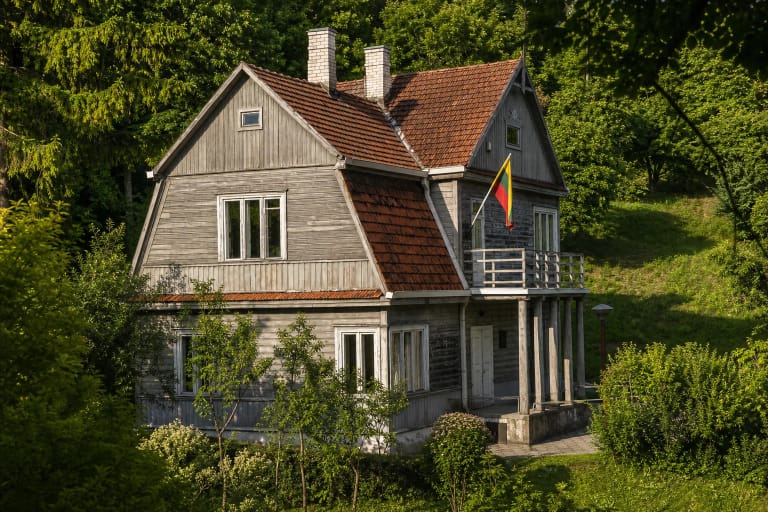
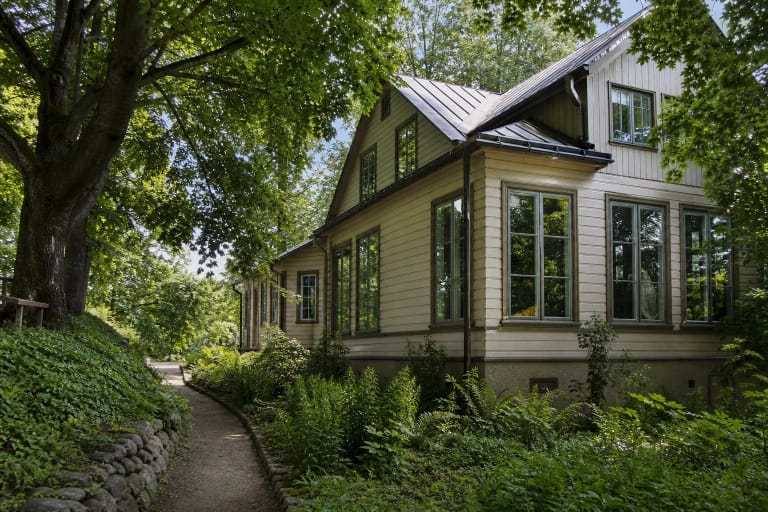
The Wooden Urban Architecture Museum, now operating as the Wooden Architecture Centre, is set in a restored wooden house in Užupis and explains Vilnius wooden houses, crafts, heritage, and contemporary timber construction.

Žaliūkiai Miller's Homestead-Museum in Šiauliai preserves a Dutch-type windmill built around 1875-1880, a state-protected cultural heritage object, together with a reconstructed miller's house, ethnographic exposition, and living bread-baking and calendar-festival education.

The Zanavykai Museum is the regional ethnography and history museum of the Zanavykai, one of Suvalkija's subethnic groups. It is located in the Zypliai Manor homestead in Lukšiai. More than 50,000 exhibits tell the history of Zanavykija, rural crafts, and everyday life; the museum occupies two former manor farm buildings, the carriage house and the Crafts House opened in 2022. It is the main museum of the Šakiai region and is best visited together with Zypliai Manor itself.

Zarasai Regional Museum, founded in 1934 by teacher Stasys Jauniškis, is the district's main storehouse of history, ethnic culture, and regional studies. It holds more than 24,600 exhibits and includes a hall of folk religious sculpture, the M. Šileikis gallery, and three branches.

Žasliai Traditional Crafts Centre at Vytauto g. 38 is a stop on a Kaišiadorys-area crafts and education route. Regular opening hours, prices, and the activity schedule still need to be confirmed before travelling.

Žemaičių Museum "Alka" in Telšiai, founded in 1932 by Pranas Genys and the Alka society, is one of Samogitia's key museums: more than 155,000 exhibits, a 1938 museum palace, manor archives, and an 8.5 ha Samogitian village exhibition with Žemaitukai horses.

The Žemaitė Memorial Museum is located at Bukantė Manor, the birthplace of classic Lithuanian writer Žemaitė. The restored homestead tells the story of her life and writing and also presents Samogitian folk art and sacred heritage.

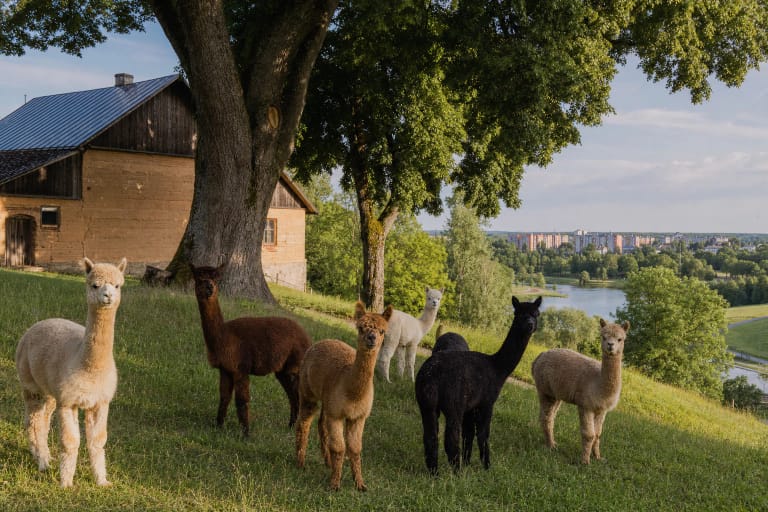
Zooparkas in Trakėnai village near Kalvarija is a seasonal private open-air zoo whose current official catalogue lists lions, tigers, jaguars, pumas, caracals, and Eurasian lynx, alongside zebras, bison, Père David's deer, llamas, Bactrian camels, and many other hoofed animals. Its outdoor enclosures occupy the flat, lightly shaded grassland of Suvalkija. The zoo, playground, and Dinosaur Park appear as three separately priced products on the official tariff, so families should budget for their chosen sections rather than assume that one admission covers everything.