Dovilai Ethnic Culture Centre in Klaipėda District
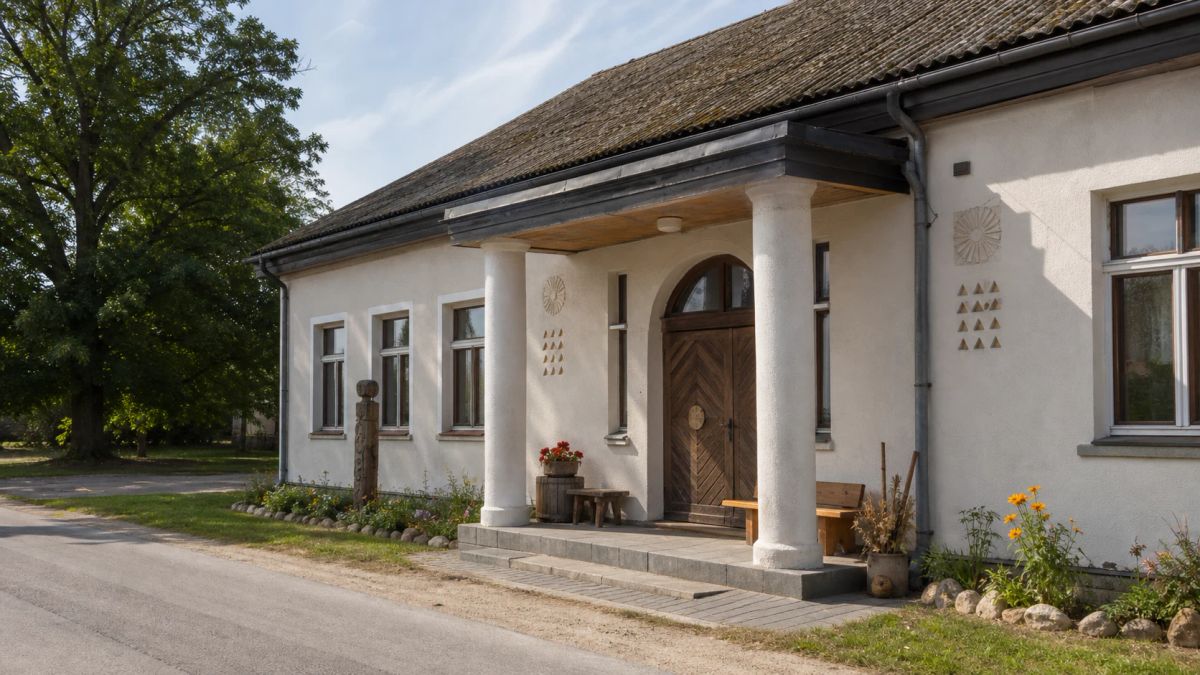
Dovilai Ethnic Culture Centre officially operates as the Klaipėda District Ethnic Culture Centre. Its address is Gargždų g. 1, in the very centre of the town, so the building and its scale already create a fitting setting for exploring traditional culture.
This is not a classic museum made only of exhibition rooms. The centre's work includes calendar festivals, events, education programmes, folklore, and research and teaching, so the best reason to come is not just to look at the building but to attend a specific calendar event.
The old building and cultural life that began between the wars
The centre is officially described as housed in one of the few surviving old buildings of Dovilai. Cultural activity here began as far back as the interwar period: plays were staged, and dance evenings and afternoon gatherings were held. The house is therefore not an accidental venue - it is itself part of the local cultural memory.
That matters because Dovilai (German Dawillen) is not just a suburban stop near Gargždai. The town belongs to Lithuania Minor and has its own Lutheran, ethnographic, and community memory, which the centre's work continues today.
What ethnic culture means here
Klaipėda District is a borderland where Samogitian and Lithuania Minor cultural experiences meet. The Dovilai centre conveys that boundary identity through calendar festivals, folklore, crafts, dialects, local community events, and live interpretation of tradition.
Places of this kind matter because traditional culture is not presented only as a display case. It appears through people, stories, songs, workshops, costume, and festival contexts. That makes participation a far more rewarding visit than passive observation.
The centre in a Klaipėda District route
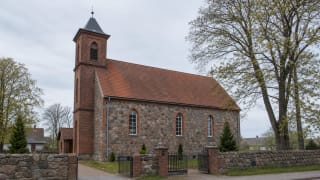
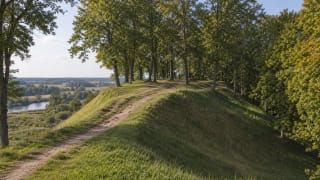
If you are travelling through Klaipėda District, combine Dovilai Ethnic Culture Centre with Dovilai Evangelical Lutheran Church and Dovilai Hillfort. In a small area, the route shows three layers: living culture, sacral heritage, and an archaeological landscape.
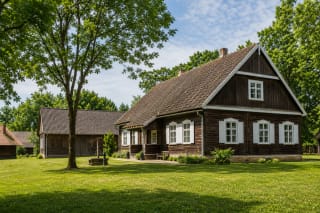
For wider context, the visit is rounded out by Agluonėnai Ethnographic Homestead and the History Museum of Lithuania Minor in Klaipėda, where the same regional culture is presented through a homestead and through a city museum exhibition.
Opening hours, education, and planning
Before going, check opening hours on the centre’s official website or contact it by phone. If you want an education programme or event, confirm its time and registration requirements in advance; a brief exterior visit does not provide access to the programme.
Tickets or education-programme prices depend on the specific activity. For a family or school visit, it is best to choose a concrete programme in advance and confirm group size, time, and payment conditions.