- Place
- Neringa Municipality
- Region
- Neringa
- Type
- Curonian Spit history, fishing, and archaeology museum
- Address
- Pamario g. 53, Nida, Neringa
- Coordinates
- 55.31030, 21.01320
Nida History Museum, Neringa History Museum, Kuršių nerijos istorijos muziejus
Curonian Spit History Museum: Nida without the postcard filter
The Curonian Spit History Museum is a good place to understand Nida and the spit beyond dunes, summer houses, and beautiful views. The exhibition reminds visitors that this narrow sand strip, a 98 km peninsula between the Curonian Lagoon and the Baltic Sea and a UNESCO World Heritage cultural landscape, was lived in, worked, travelled through, and constantly adapted to water and sand.
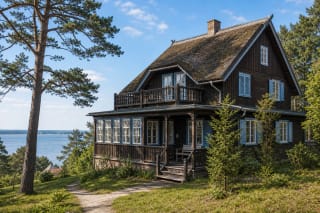
The museum is at Pamario g. 53, close to the lagoon, so it fits naturally into a Nida walking route with the Thomas Mann House, the lagoon shore, and the town centre. It is one branch of Neringa Museums, so its story connects well with the other cultural places in town.
From the 1969 Lutheran church exhibition to Pamario Street
Neringa Museums states that the Curonian Spit History Museum opened on September 16, 1969 in the then-closed Nida Evangelical Lutheran Church. When the church was returned to believers in 1989, the previous exhibition was dismantled.
From 1995 to 2002 the museum operated in rented premises, and since 2002 it has been housed in the current building on Pamario Street. In 2022 the exhibition was renewed through the European Neighbourhood Programme project 'Immanuel Kant and Thomas Mann: genius loci'. This movement through Nida's spaces makes the museum story easy to connect with the real town outside.
Fishing, bumbinimas, and everyday lagoon life
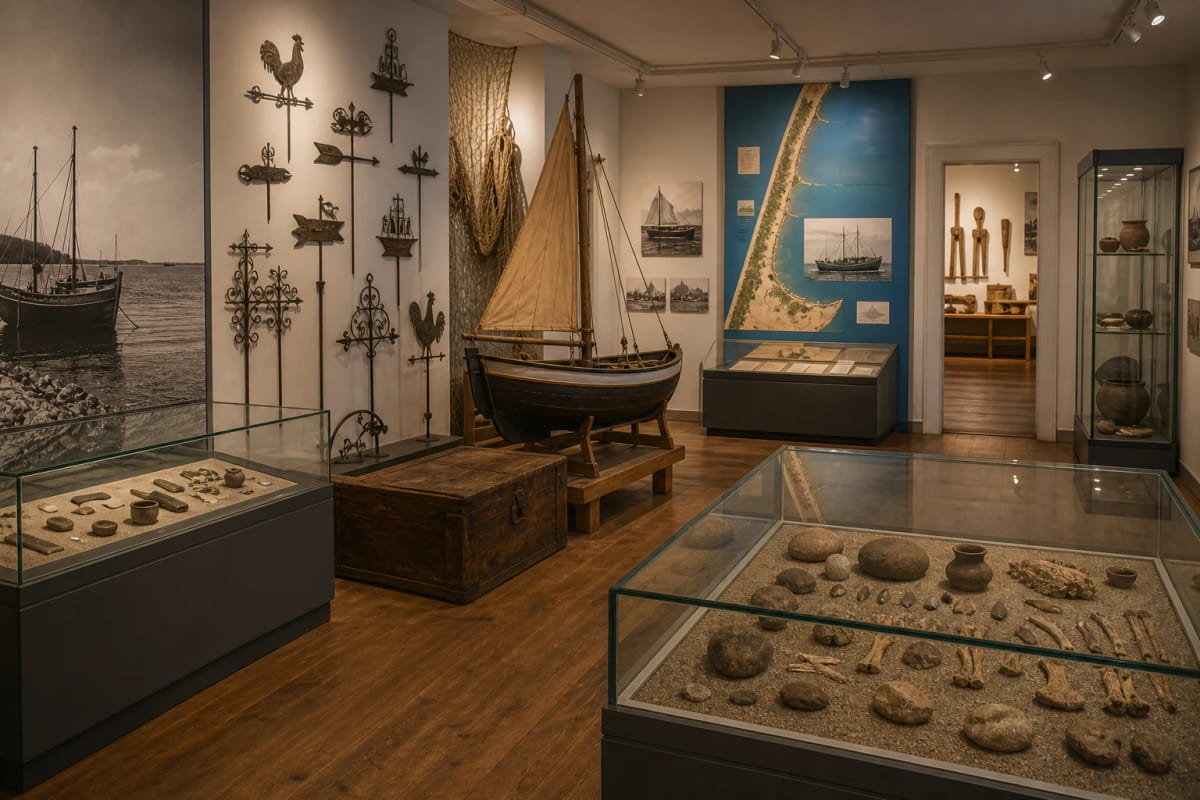
The central theme of the museum is the fishing life of Curonian Spit residents. Boats and models, nets, weathervanes, and work tools show that the lagoon was not only scenery but the main source of livelihood. A separate mannequin scene shows bumbinimas, a distinctive fishing method in which sound is used to drive fish into a net.
That context matters for travellers who usually see the Curonian Spit as a holiday landscape. The museum reminds them that local life was long shaped by weather, water, fish, boats, and seasonal labour rather than by resort summer alone.
Crow catching and uncomfortable traditions
Neringa Museums also mentions crow catching. Curonian Spit fishing families caught crows for food, so the practice may sound strange or uncomfortable today, but in the museum it helps explain historical everyday life on the spit, where food and survival practices differed from the modern holiday world.
Such themes matter because they keep the museum from becoming merely decorative ethnography. Curonian Spit history was beautiful, difficult, practical, and sometimes very directly tied to survival in a poor sand environment.
Stone Age Nida and the postal road
The museum displays unique Stone Age finds from the 1974-1978 Nida archaeological excavations: part of a wooden dugout boat, clay pots, and stone axes. These finds push the history of the spit far beyond fishing villages or resort Nida and show that the Curonian Spit has a deep archaeological layer.
Another important theme is the postal road. The spit was a corridor of travel and communication; the exhibition even shows a 1785 permit for Friedrich Casimir Kuwert to brew beer near the postal station. This helps visitors understand the spit not only as a strip between sea and lagoon, but as a route used by people, news, and goods.
How to visit the Curonian Spit History Museum
Allow 45-90 minutes for the museum. It is especially worth visiting before walking to the dunes or after a longer outdoor route, because the exhibition gives real-life context to the beautiful landscape. On a rainy or windy Nida day, it is one of the easiest places to add.
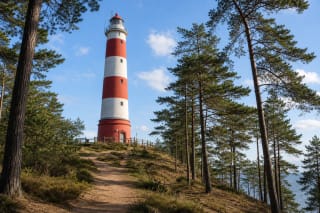
Before travelling, check Neringa Museums for opening hours and current exhibitions. The museum combines well with the Thomas Mann Memorial Museum, Nida Lighthouse on Urbas Hill, Parnidis Dune, and the lagoon promenade.