- Place
- Vilnius City Municipality
- Region
- Vilnius
- Type
- occupation-history museum in the former KGB building
- Address
- Aukų g. 2A, Vilnius
- Coordinates
- 54.68810, 25.27110
OLKM, KGB Museum, Museum of Genocide Victims, Museum of Occupations and Freedom Fights
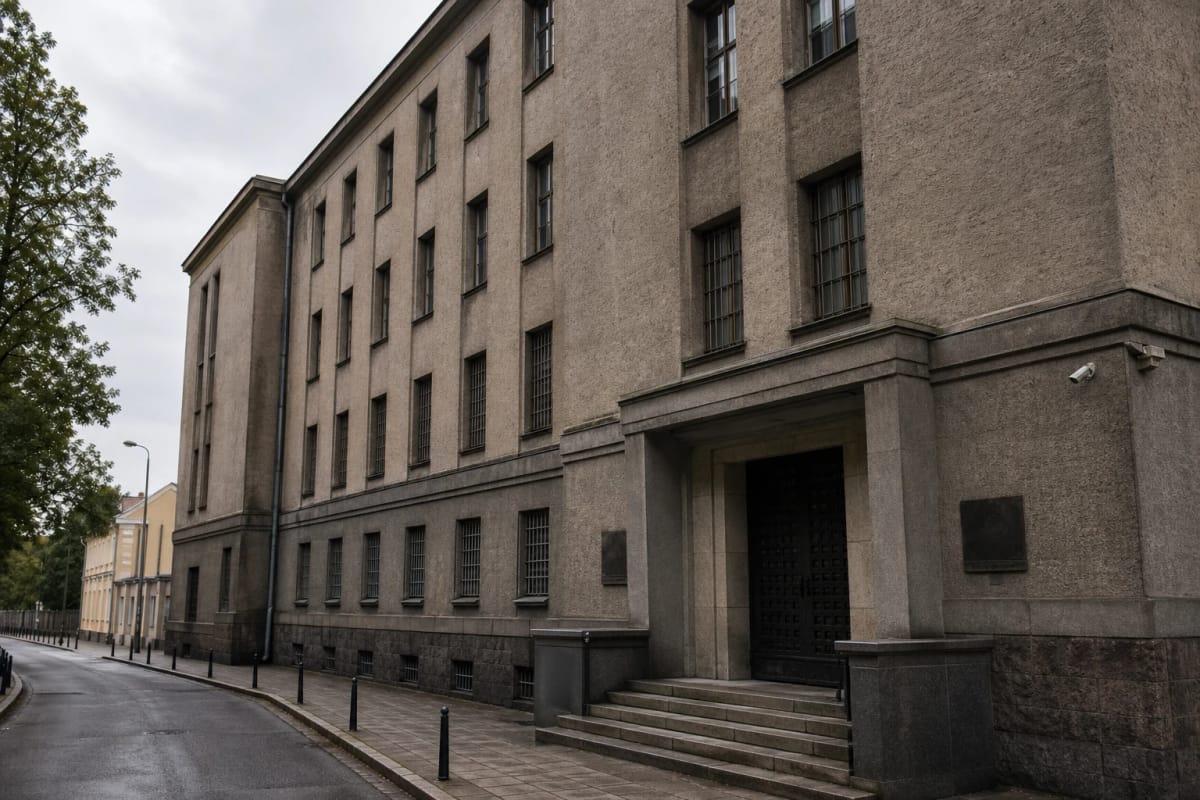
A museum in the former KGB building
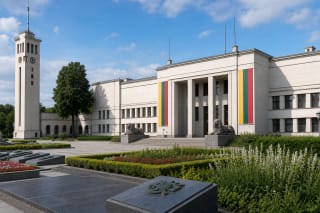
The Museum of Occupations and Freedom Fights operates on Aukų Street, in a building used for about half a century by Soviet security structures. It is one of the most sensitive museum sites in Vilnius because the visitor encounters not a reconstructed scene, but an authentic space of repression.
The museum history page states that it was founded on October 14, 1992. The former name, Museum of Genocide Victims, is still alive in everyday speech, but the current name more precisely covers the themes of occupations, resistance, and freedom fights.
The internal prison
For many visitors, the strongest part of the exhibition is the former KGB internal prison preserved in the basement. The museum emphasises that this space has remained almost as it was left in 1991, when Soviet security structures withdrew from the building.
Cells, interrogation, isolation, and imprisonment spaces can be seen here. This part is not an easy museum walk, so more sensitive visitors should plan a slower pace and avoid overloading the rest of the day after the visit.
Occupations and resistance
The exhibitions tell the story of Soviet and Nazi occupations, repression, deportations, the underground, partisan war, and Lithuanian society's resistance. This history matters not only to the capital but to all of Lithuania, because the museum connects documents, personal testimonies, and state memory.
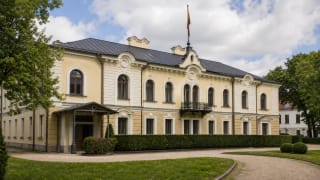
The building also has an earlier layer: it was built at the end of the nineteenth century for court functions and later used by different occupation authorities. The place therefore shows how administrative city architecture can be taken over for repressive purposes.
How to prepare for a visit
This museum is not an entertainment object. It contains many texts, documents, testimonies, and emotionally difficult spaces, so it is best to come with time and without forcing yourself to see everything quickly.
If you visit with teenagers or a group, it is worth reviewing the guided tours offered by the museum in advance. A guide can connect facts and spaces into a clearer story, especially on a first visit.
Opening hours and tickets
At the time of research, the official museum page stated that the museum was closed on Monday and Tuesday, open Wednesday-Saturday 10:00-18:00 and Sunday 10:00-17:00; last visitors were admitted 30 minutes before closing.
At the time of research, the tickets page listed an adult ticket at 6 EUR, pupils, students, and seniors at 3 EUR, and family tickets at 9 or 15 EUR depending on composition. Prices and opening hours can change, so check the official museum page before travelling.