- Place
- Židikai Eldership, Mažeikiai District Municipality
- Region
- Samogitia
- Type
- writer's memorial house museum
- Address
- Dariaus ir Girėno g. 2, Židikai
- Coordinates
- 56.32339, 22.01211
- Visit duration
- 45-75 minutes; longer with a guided visit and chapel
- Best time
- Tuesday-Saturday, arranging a tour and visit to the writer's grave in advance
Marija Pečkauskaitė Memorial Museum
Fifteen years in Židikai, 1915-1930
Marija Pečkauskaitė, known in literature as Šatrijos Ragana, settled in Židikai with a priest friend in 1915 and remained here until her death in 1930. In the museum's account this period is more than a backdrop to late writing: she educated young people, organised plays, translated, wrote, and cared for children, sick people, and those living in poverty.
Her work as writer and philanthropist was shaped by the same commitment to serve other people through literature, education, and daily action. Šatrijos Ragana is a literary pen name; the exhibition is not about folkloric witches or the history of witchcraft.
Writing and education in one story
Before Židikai, Pečkauskaitė completed beekeeping courses in Warsaw, attended lectures in education, ethics, and philosophy in Switzerland, and taught at the Marijampolė girls' pro-gymnasium in 1909-1915. She promoted Christian educational thought, translated works by Swiss educator Friedrich Wilhelm Foerster, and wrote instructional texts of her own.
Her most important work, In the Old Estate, was written in Židikai and published in 1922. Rooted in childhood memory and late nineteenth-century manor culture, it can be read here alongside the story Irka's Tragedy, her educational books, and the recurring question of responsibility for another person.
Authentic objects worth recognising
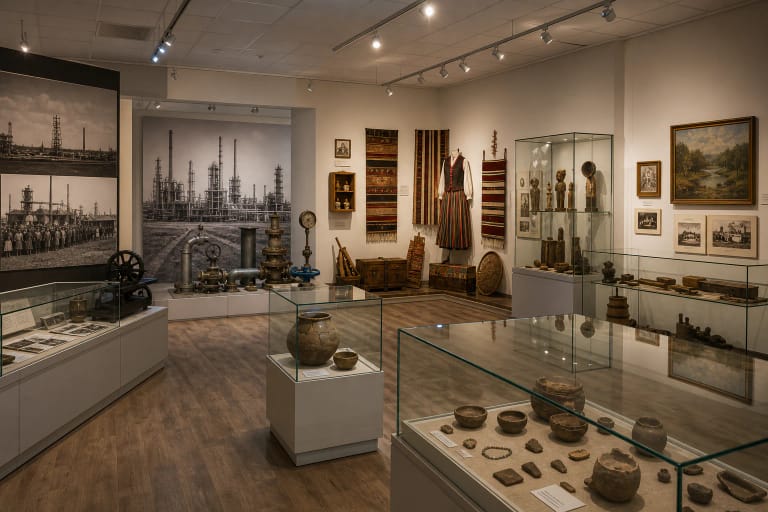
The first part of the exhibition builds the biography from family and friends' photographs, documents, Warsaw beekeeping notes, and material from her Swiss studies and teaching in Marijampolė. The second room shifts to Židikai and objects Pečkauskaitė touched and used.
The central object is the writing desk at which, according to the museum, she wrote In the Old Estate. Other exhibits include her furniture, handicraft table, chair, chest of drawers, tableware, prayer books, rosaries, kneeler, souvenirs, natural curiosities, books, and a suitcase evoking her travels. Together they make work, faith, hospitality, and travel visible rather than merely supplying dates.
Layers of memory in the museum house
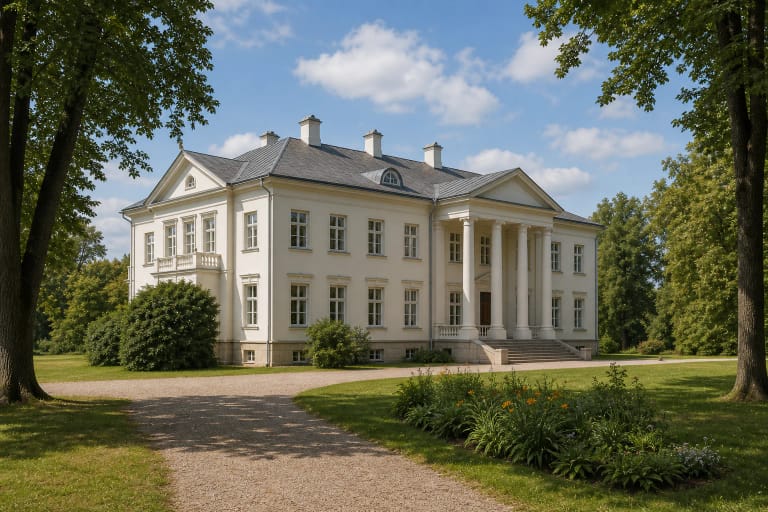
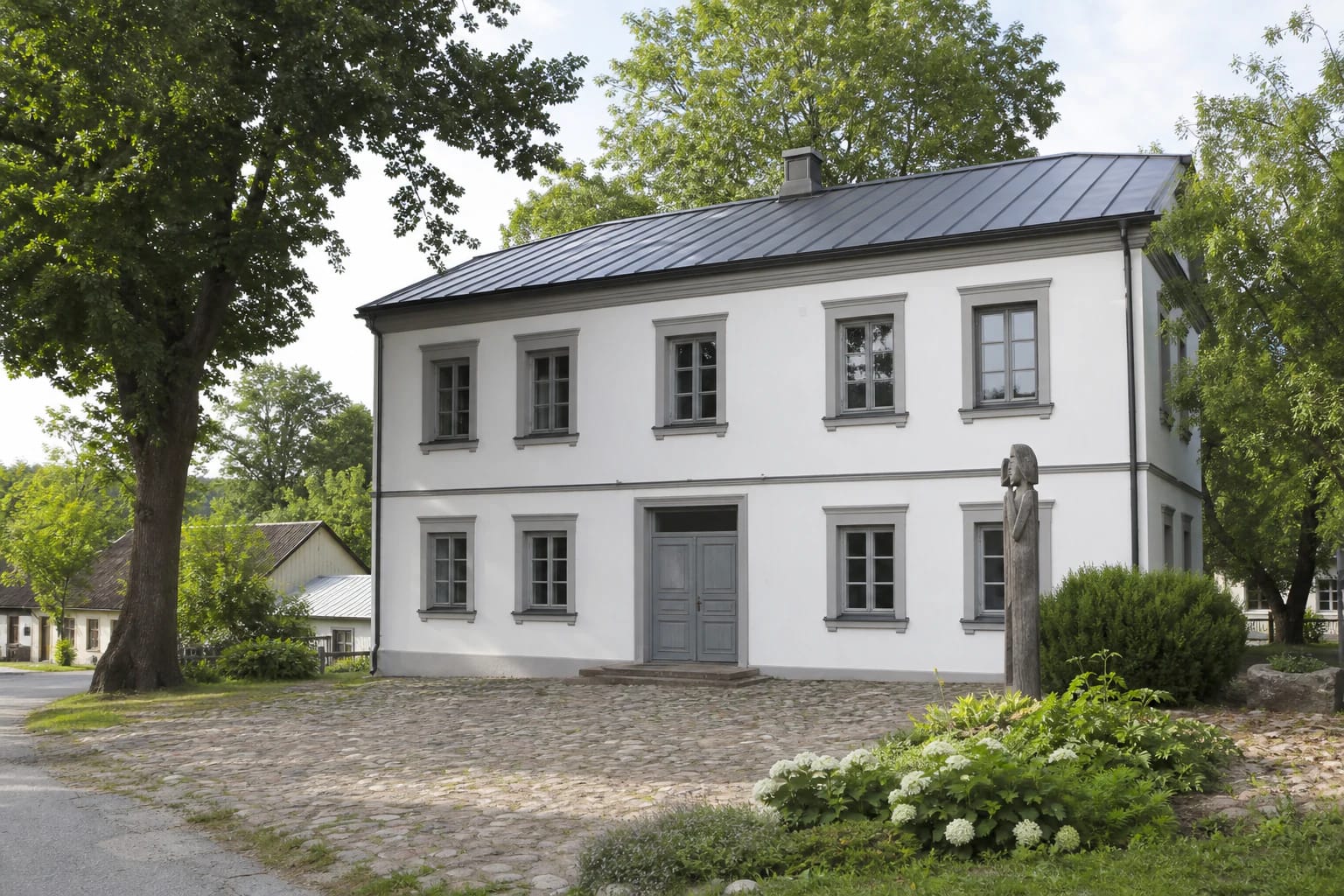
The memorial museum opened in December 1974. A fire in 1983 was followed by reconstruction, and the renewed exhibition reopened in March 1987. The house is therefore a cared-for memorial with authentic exhibits, not a wholly unchanged 1930 interior.
That distinction matters: authenticity rests chiefly in the preserved and restored objects and documents associated with Pečkauskaitė, not in a claim that every wall and room detail has remained untouched since her lifetime.
The grave in St Anne's Chapel
The memorial route continues beyond the museum. Marija Pečkauskaitė is buried inside St Anne's Chapel in Židikai cemetery; on request, the museum guide can accompany visitors to the grave and unlock the chapel.
The chapel is not automatically open to every independent visitor, so arrange this part when booking a tour. Allow more time for the museum interpretation and walk to the cemetery than for the exhibition alone.
Hours, tickets, and advance arrangements
On 25 July 2026, official hours were Tuesday-Friday 09:00-17:00 and Saturday 09:00-16:00, closed Monday and Sunday. Visitors are not admitted less than fifteen minutes before closing, and opening is one hour shorter on the eve of a public holiday.
At that time adult admission was €2, concession €1, and family tickets €3 or €5 depending on adults. Group guiding cost €3-€9. Prices, concessions, and hours can change, so check the official branch page.