- Place
- Pavandenė, Telšiai District Municipality
- Region
- Varniai Regional Park
- Type
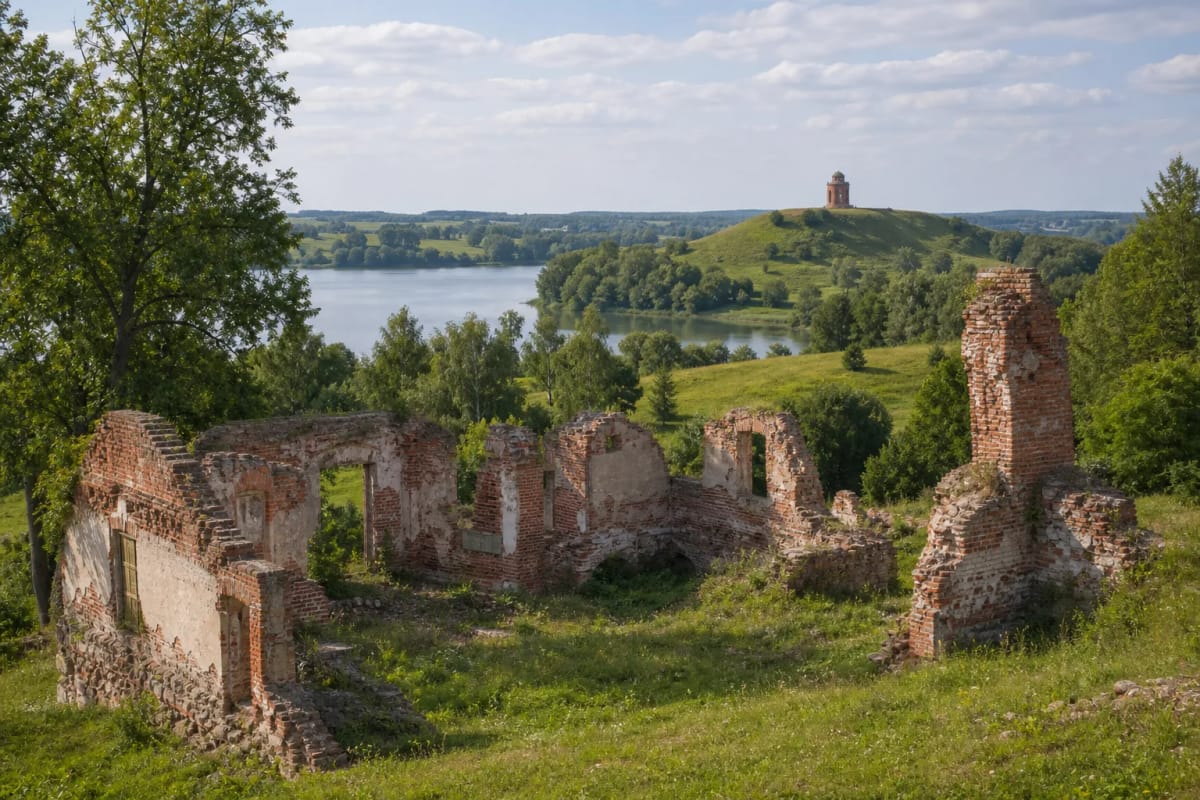
- red-brick manor remains with the restored Sakeliai mausoleum
- Address
- Pavandenė, Varniai Eldership, Telšiai District
- Coordinates
- 55.78106, 22.51035
Sakeliai Manor, Pavandenė Manor Estate
Pavandenė Manor in a land of isolated hills
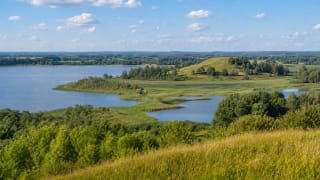
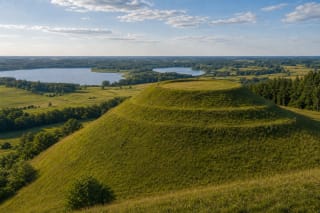
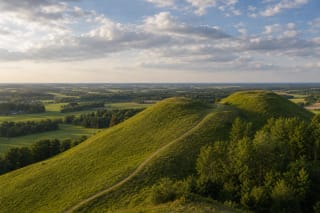
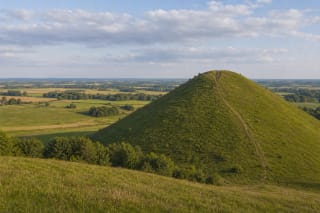
Pavandenė Manor is in Telšiai District, Varniai Eldership, about 8 km northeast of Varniai, inside Varniai Regional Park. The place is memorable because of its landscape: the manor stands by Lake Gludas among prominent isolated hills, including Sprūdė, Moteraitis, Knabė, and Sklepkalnis, the hill topped by the manor mausoleum.
One detail matters: some sources incorrectly assign Pavandenė to Kelmė District. VLE, the most authoritative source used here, places the town and manor in Varniai Eldership, Telšiai District, and this page follows that attribution.
The Sakeliai and the manor's flourishing
Pavandenė volost is mentioned already in the 15th century, and the manor from 1553. Over the centuries it was owned by the Gervydai, Tiškevičiai, Gedgaudai, Danilavičiai, and finally the Sakeliai. According to VLE, around 1890 the Sakeliai rebuilt the manor as a palace, the period when the red-brick buildings rose.
The manor has an important literary connection: in 1901-1903 writer Marija Pečkauskaitė, known as Šatrijos Ragana, worked here as a teacher. In the interwar period, under Zigmantas Sakelis, Pavandenė was known as a model manor with a windmill, fish ponds, a brickyard, and dairy processing. In 1941 Zigmantas Sakelis was tortured to death in the Rainiai massacre.
The Sakeliai mausoleum on Sklepkalnis
The most distinctive and best-maintained object is the Sakeliai mausoleum-columbarium on steep Sklepkalnis hill by the lake. It is said to have been built in 1904 by Zigmantas Sakelis after the death of manor owner Leonardas Sakelis and reconstructed in 1930. In the Soviet period it was devastated, the remains desecrated, and the dead reburied on the hilltop.
In 2019 the mausoleum hill was adapted for visiting: the columbarium was restored, information boards installed, a car park created, the ascent path adapted, and a viewpoint added with marked sight directions toward the manor, church, and surrounding hills. Today this hill is the easiest place to feel the unity of manor and landscape.
What survives and how to visit
The manor itself survives as red-brick palace remains and fragments of park; some late 19th- and early 20th-century outbuildings also stand, still awaiting restoration. The palace is a ruin, so it should be viewed only from outside; no public opening hours or ticket prices are listed.
A visit is easiest to start at the maintained mausoleum hill with its viewpoint, then continue around the manor setting by Lake Gludas. Usually 30-60 minutes is enough. Pavandenė is easy to combine with other Varniai park highlights: Sprūdė and Medvėgalis hillforts, Lake Lūkstas, and the old town of Varniai.