
Travel spots in Lithuania
Historic and memorial sites in Lithuania
Memorials, historic cemeteries, birthplaces, and places of remembrance that tell the story of the Lithuanian state and its people.
Search covers all 99 places in this category.
This category on the map →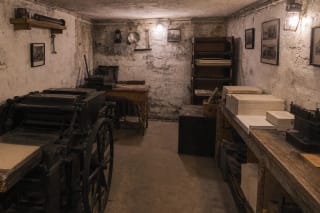
The "ab" underground printing press in Saliai village near Domeikava was a Soviet-era secret press hidden under a greenhouse.
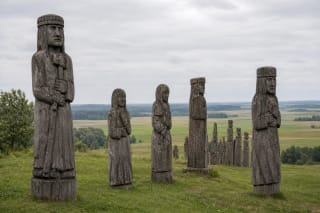
Ablinga Memorial, on the western slope of Žvaginiai Hillfort, is a 1972 ensemble of 30 oak sculptures commemorating 42 people from Ablinga, Žvaginiai, and…
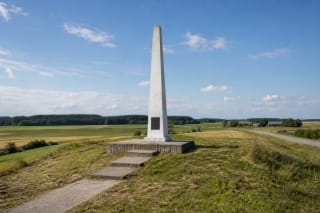
The Abraomas Kulvietis Obelisk stands in the rural landscape near Kulva, in the Smičkiai area of Jonava District.
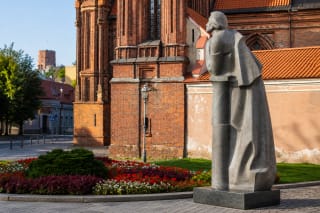
The Adam Mickiewicz Monument on Maironio Street is a full-height grey-granite statue of the poet beside the Church of St Anne and the Bernardine quarter.
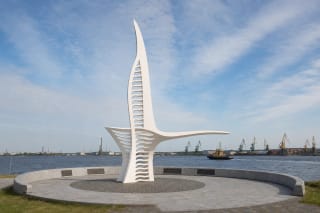
The Albatross Monument at Kopgalis is a 12 m white-metal memorial to Lithuanian seafarers, fishermen, sailors, and ships lost at sea.
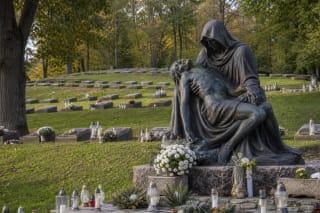
Antakalnis Cemetery is Vilnius' most important necropolis: the 1991 January 13 freedom defenders are buried here beside Stanislovas Kuzma's Pieta memorial,…
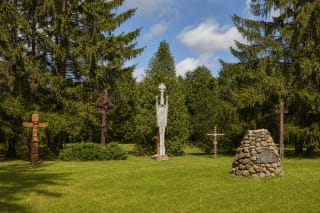
The Baltic Way Valley of Crosses on the eastern edge of Pasvalys is a KVR-registered event site associated with the human chain of 23 August 1989.
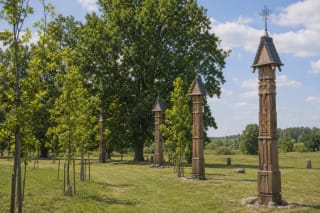
The Battle of Grunwald Memorial Park in Cinkiškiai, by the Kaunas-Klaipėda road, was created in 1990 to mark the 580th anniversary of the 1410 Battle of…
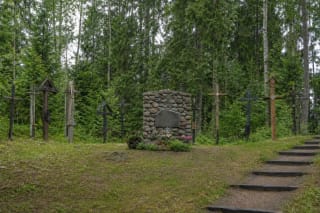
The Battle of Kalniškė site is much more than a stone monument on a wooded hill.
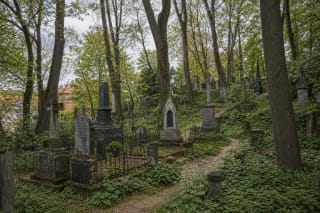
Bernardine Cemetery in Vilnius, established in 1810 in Užupis on the right bank of the Vilnia, is a 3.6 ha historic memory site with a hilly landscape,…
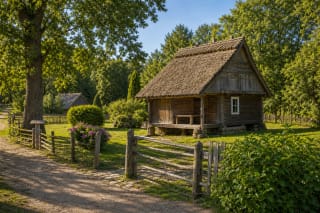
Simonas Daukantas Birthplace in Kalviai village, Skuodas District, marks the place where Simonas Daukantas was born in 1793.
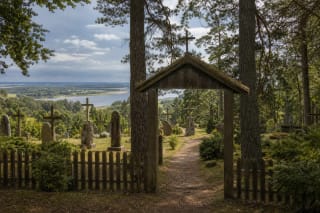
Bitėnai, beside Rambynas and the Nemunas, is one of the most important memory places of Lithuania Minor.
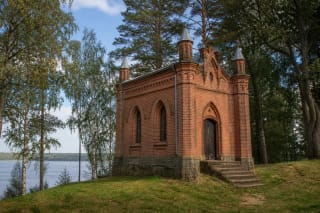
Bukaučiškės Manor Chapel-Mausoleum, Cultural Heritage Register code 15938, stands on a grassy wooded hill near Lake Didžiulis.
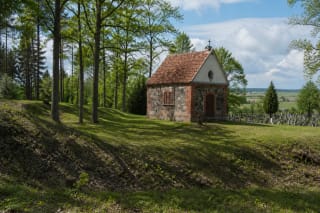
Listed in Lithuania's Cultural Heritage Register as Chapel, Pilkalnis village, this small outdoor heritage stop stands on Betygala II Hillfort.
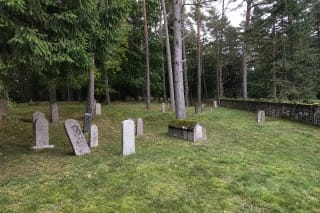
Darbėnai Old Jewish Cemetery is a 0.98-hectare state-protected burial ground beside Vaineikių Street, on the edge of Balto Kalno forest.
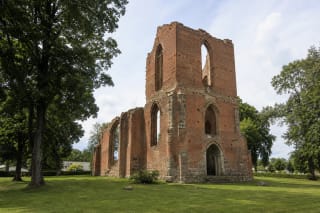
The ruins of Deltuva Evangelical Reformed Church are among Lithuania's rarest architectural witnesses to the Reformation.
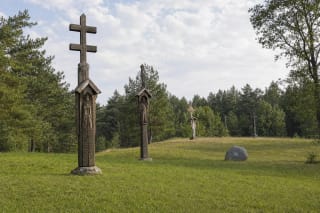
Didžiosios Kovos Partisan District Memorial Park at Kadrėnai is a 55-hectare landscape of remembrance created after Lithuania restored its independence.
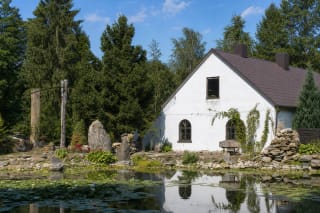
Dr Vaclovas Intas Homestead in Mosėdis is a memorial house-and-stone-garden site connected with the doctor and his work from 1957 to 2007.
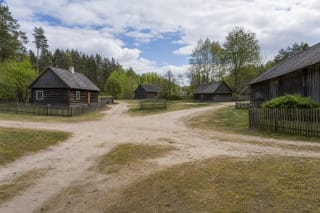
Dubininkas is a very small ethnographic village in Dzūkija National Park by the Skroblus, valuable for a rare scattered plan with street-village traits:…
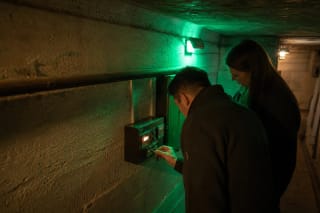
Escape Bunker 1944 is a one-hour puzzle game inside an authentic 1944 civil shelter beside Klaipėda railway station.
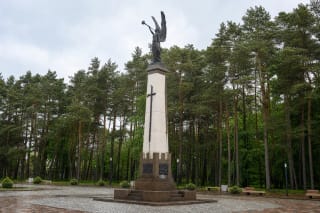
The Freedom Angel in Alytus is a 13-metre memorial to those who died for Lithuanian independence.
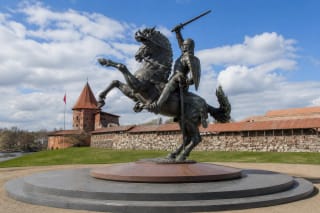
The Freedom Warrior (Laisvės karys) is a nearly seven-metre bronze rider in Santaka Park beside Kaunas Castle.
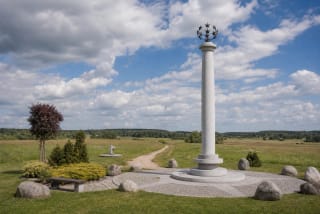
The Geographical Centre of Europe near Vilnius marks the point calculated in 1989 by France's National Geographic Institute as Europe's centre, distinguishing a…
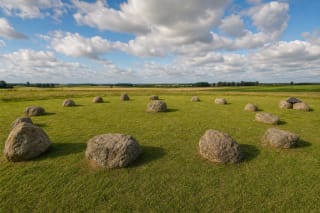
The fields of Ruoščiai mark the geographical midpoint of Lithuania determined in 1995 by specialists from the Lithuanian Land Management Institute.
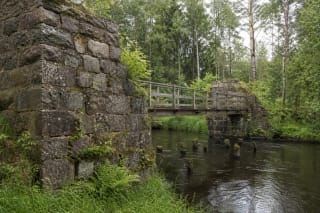
Stone abutments and wooden piles survive on both sides of the Varėnė River from a roughly 21 m railway bridge built in 1894 on the Varėna-Alytus line.
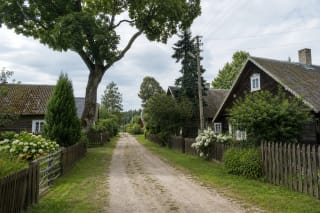
Grabijolai is an inhabited one-street village on the left bank of the Neris, not a museum homestead or a single property in Lithuania's Cultural Heritage…
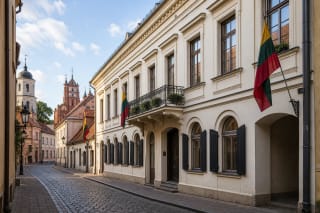
The House of Signatories on Pilies Street in Vilnius is the place where, on February 16, 1918, the Council of Lithuania signed the Act of Independence.
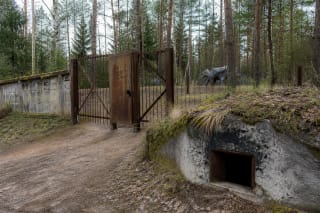
Idėjų parkas “Bunkeris” is a 1.4-hectare (12,196 sq m) private woodland park near Paliūniškis that opened to visitors in 2019.
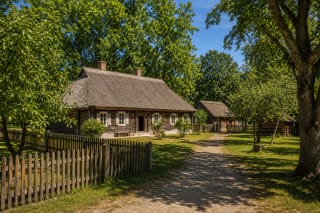
Jonas Basanavičius Birthplace in Ožkabaliai is a reconstructed Suvalkija farmstead and a memorial landscape of the Lithuanian National Revival, where the…
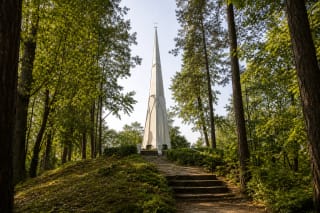
"Laimės žiburys" is the popular name for writer Jonas Biliūnas' grave and monument on Liūdiškiai Hill near Anykščiai.
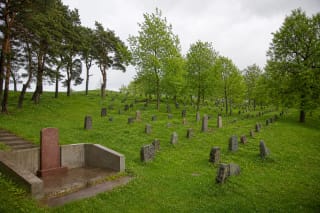
Jonava Old Jewish Cemetery occupies a grassy hill off Sodų Street and served the town's Jewish community from the late eighteenth century until 1941.
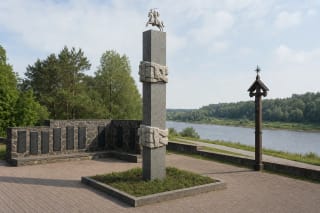
The Jonava Partisan Memorial on Panerių Street marks a Lithuanian partisan burial site and graves protected in the Cultural Heritage Register.
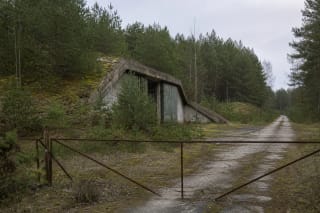
The site known as Josvainiai Military Base is the remnant of a Soviet missile technical facility in Šingaliai Forest.
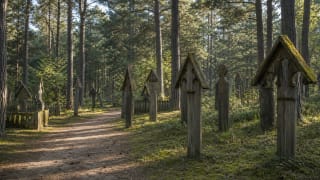
Juodkrantė's old Evangelical Lutheran cemetery at Miško g. 2A is a small but important Curonian Spit memory point, helping visitors understand the local…
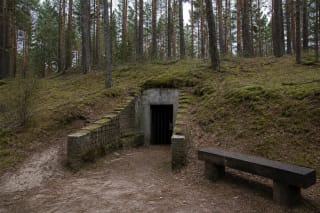
Juozo Balčiaus-Balučio Headquarters and Partisan Bunker is a Lithuanian partisan-resistance memorial site in the open Dzūkija National Park landscape near…
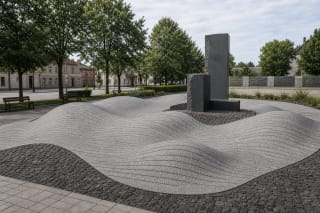
The Jurbarkas Synagogue Square Memorial, unveiled in 2019 on the site of the destroyed synagogues, commemorates the town's Jewish community and the Holocaust…
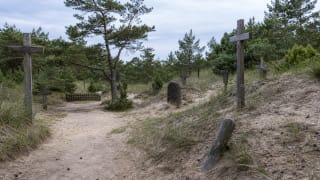
Karklė Ethnographic Cemetery is a Lithuania Minor burial place on a dune right on the Baltic Sea coast, described in the Cultural Heritage Register as the first…
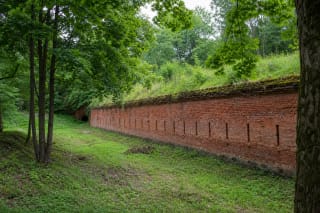
Kaunas Fortress Fifth Fort on Rūko Street was built in 1882-1889 and is one of the most complex structures in the first Kaunas Fortress ring.
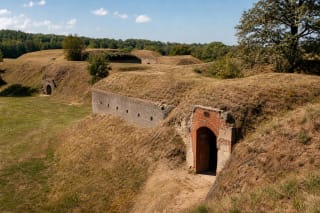
Kaunas Fortress First Fort in Kazliskiai is a pentagonal Tsarist fortress fort built in 1888-1889 on the western edge of the city.
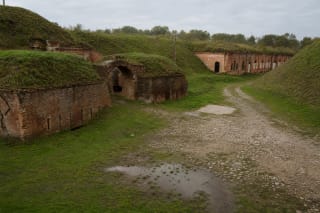
Kaunas Fortress IV Fort in Rokai is an asymmetrical 7 ha late-nineteenth-century fortification with barracks, caponiers, ammunition stores, a defensive ditch,…
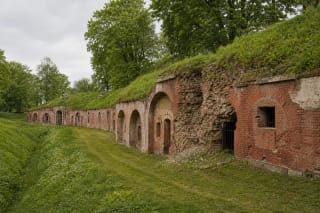
Kaunas Fortress Second Fort in Julijanava is a regular elongated hexagonal work built in 1882-1889, retaining red-brick barracks, casemates, posterns, ditches,…
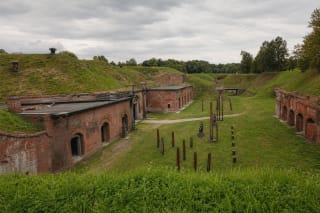
Kaunas Fortress Seventh Fort in Žaliakalnis was built in 1883-1890 as the last masonry fort of the fortress and is also one of the earliest Holocaust sites in…
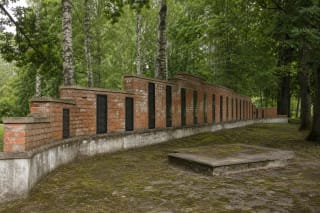
The Kaušėnai Holocaust Victims Memorial stands not in a symbolic landscape but at the actual mass-killing and burial site of Plungė's Jewish community.
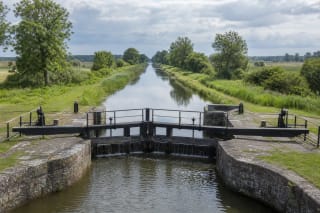
King Wilhelm Canal is a 24 km waterway dug in 1863-1873 to connect the Minija with Klaipėda and allow vessels and timber rafts to bypass the stormy Curonian…
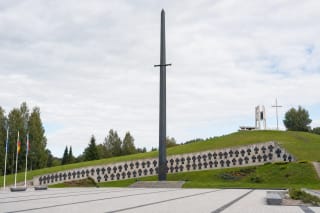
Two partisan memorial ensembles created at different times share the strategic crossroads at Kryžkalnis.
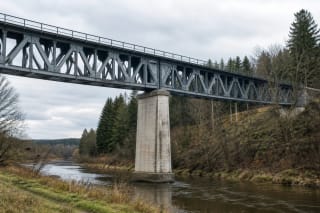
Kūlupėnų Railway Bridge over the Salantas is a 1932 interwar engineering monument.
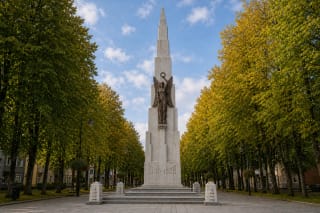
Laisvės Avenue in Plungė is a public boulevard axis laid out in the late nineteenth century at the request of Duke Mykolas Oginski, with rows of lime trees…
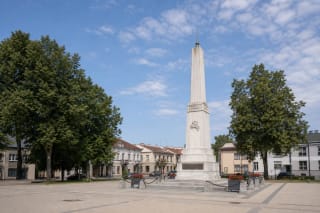
Lituania Restituta is an independence monument built in Ukmergė in 1930 with public donations, demolished and buried in the same square by the Soviets in 1951.
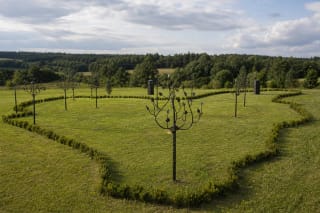
The Litvak Memorial Garden in Medsėdžiai is an evolving, 12-are open-air memorial landscape.
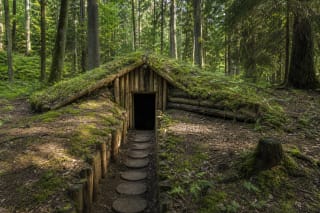
The Lydis Detachment Partisan Bunker in Pagramantis Forest is an earth shelter reconstructed in 2014 at a historic partisan site, not an intact post-war…
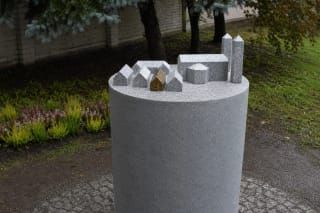
The M. K. Čiurlionis Birthplace Memorial stands in the churchyard of St Michael the Archangel Church in Senoji Varėna, where research has approximately located…
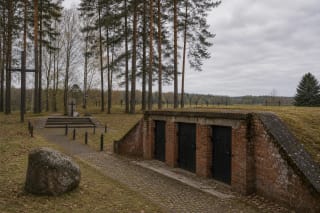
Macikai Camp Complex near Šilutė is one of the most difficult memory sites in the Pamarys region: in 1939-1944 it held the Nazi POW camp Stalag Luft VI, later…
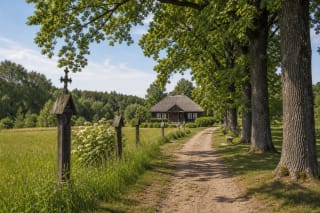
Maironis Birthplace and Pasandravys Historical Reserve in Raseiniai District protects the birth and childhood landscape of poet Maironis.
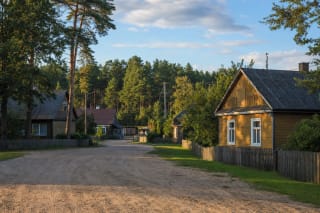
Marcinkonys is one of Lithuania's largest villages by area and the most convenient gateway to Dzūkija National Park: the park directorate, visitor centre,…
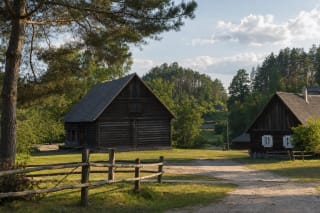
Margionys is a point of Skroblus springs and Dzūkija village culture: the Bobos daržas springs by Margionys are considered Dzūkija's most beautiful spring, and…
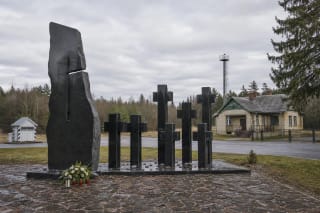
The Medininkai Tragedy Memorial by the old Medininkai customs post marks the place where Soviet OMON killed seven Lithuanian border and police officials on 31…
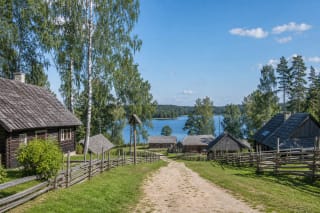
Meironys Ethnographic Village is a living Aukštaitija street village between Lakes Lūšiai, Asalnai, and Dringykštis in Aukštaitija National Park.
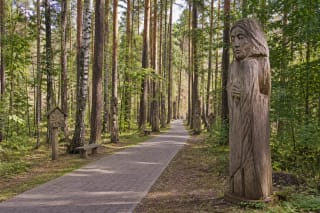
Memory Path in Birštonas's Alksniakiemis forest park is a memorial route beside the Nemunas, with eleven oak sculptures set among pine and birch trees.
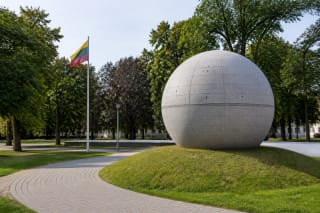
Memory Square is a memorial urban space by the junction of J. Basanavičiaus and Dotnuvos streets in Kėdainiai.
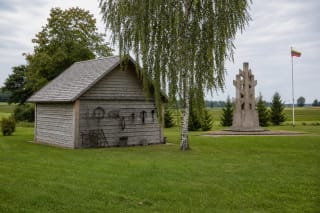
Minaičiai Partisan Bunker occupies the Mikniai-Pėtrėčiai farmstead where eight Lithuanian partisan commanders met in February 1949, established a unified…
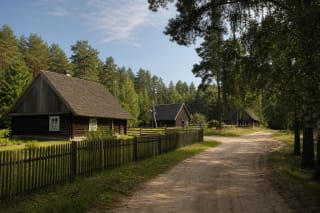
Musteika is a remote southern Dzūkija National Park forest village by the Musteika stream: a mixed-plan settlement with 5 homestead groups, one-ended and…
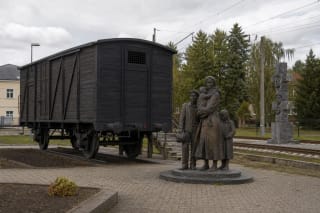
The Naujoji Vilnia Deportation Memorial stands by the railway station from which the first echelons of the June 1941 mass deportations to Siberia departed.
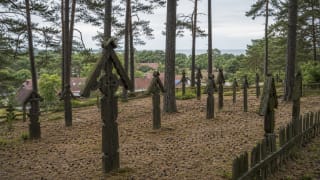
Nida Ethnographic Cemetery and its krikštai (carved wooden grave markers) form a Register-protected old burial ground beside Nida Evangelical Lutheran Church,…
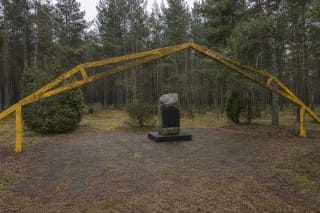
The Nida Gliding School Memorial Stone stands in pine woodland southwest of Nida, at the former school hangar site.
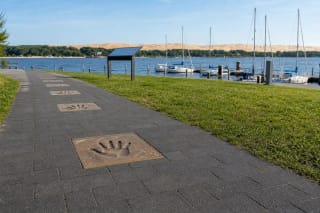
The Nida Walk of Fame is a 100-metre pedestrian route beside the harbour, its paving set with bronze handprint plaques honouring Lithuanian popular-music…
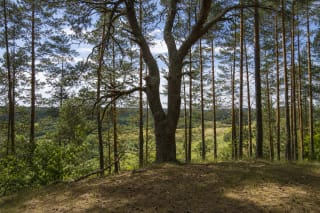
Oath Hill, or Priesaikos kalnas, is a natural hill at Kasčiūnai beside the Merkys and stop 12 in the Vanago kovų takais route described by Varėna District…
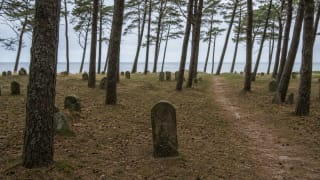
Palanga Old Jewish Cemetery is a Litvak heritage memory site on a wooded dune about 300 m east of Naglis Hill, protected by the Register of Cultural Property as…
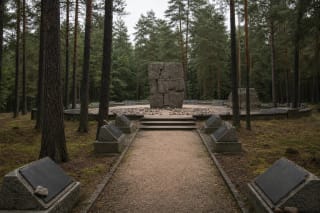
Paneriai Memorial in Vilnius is the largest mass-murder site in Lithuania.
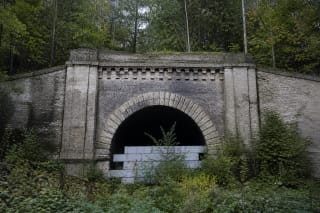
Paneriai Railway Tunnel is a nineteenth-century engineering-heritage object in the wooded Paneriai hills.
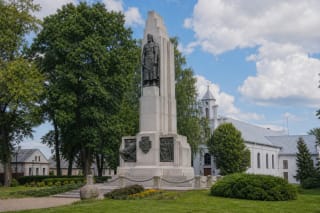
The Perloja Vytautas the Great Monument in Dzūkija is about 8.3 m high and was unveiled in 1931 for the 500th anniversary of Vytautas the Great's death.
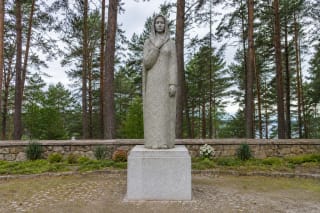
The Pirčiupiai Mother Memorial is a memorial ensemble created in 1960, centred on Gediminas Jokūbonis's granite sculpture Mother.
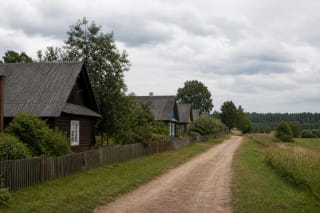
Poškonys Ethnographic Village is officially presented as Poškonys street-strip village: a one-sided street structure, late nineteenth- to early…
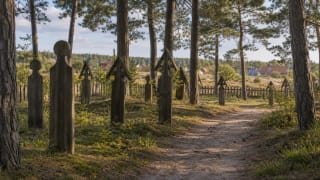
Preila Ethnographic Cemetery at Preilos g. 10A is a limited-burial, state-protected old Evangelical Lutheran cemetery (KVR code 22447) linked with Curonian Spit…
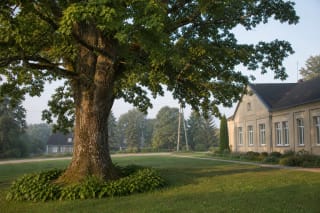
The President's Oak in Debeikiai is a local memory tree associated by local tradition with Lithuania's first president, Antanas Smetona.
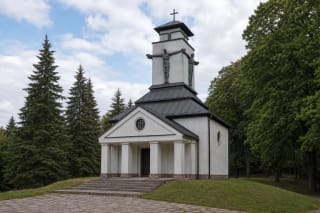
Rainiai Chapel of Suffering is a memorial consecrated in 1991 to political prisoners from Telšiai Prison and all victims of Soviet terror.
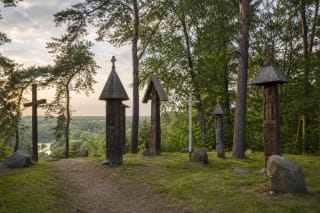
Ramybės Park is a roughly 7.2-hectare place of remembrance beside Varpo Street and Marijampolė's old cemetery.
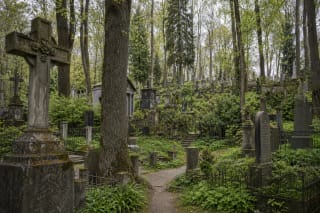
Rasos Cemetery, established in 1801 and covering 10.4 ha, is one of Vilnius' most important historic cemeteries.
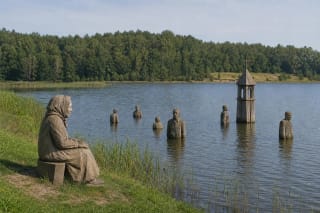
Rising from the Water is a memorial wooden-sculpture composition in Samylai Bay, telling of villages flooded by the Kaunas Reservoir and residents who had to…
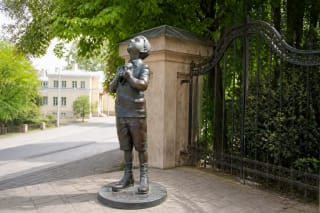
The Romain Gary Monument, often called Boy with a Rubber Boot, stands at the intersection of J. Basanavičiaus and Mindaugo streets.
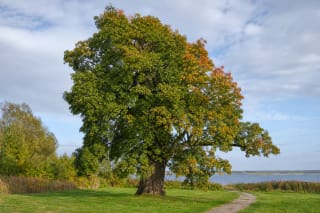
The Rusnė Love Maple is a specific old tree beside a former busy landing place.
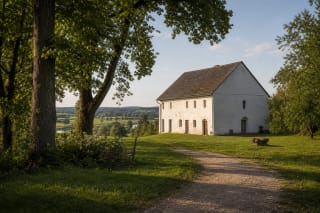
Šeteniai in Kėdainiai district is the place where Nobel Prize-winning writer Czesław Miłosz was born in 1911.
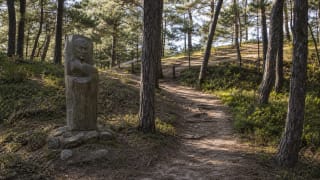
Skirpstas Hill near Pervalka is one of the mountain-pine-covered dunes of the Karvaičiai Reserve, and on it stands the Liudvikas Rėza sculpture (1975, folk…
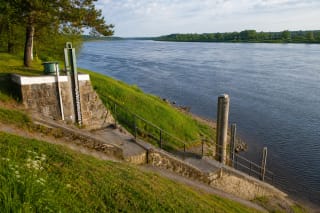
Smalininkai Water Gauging Station on the Nemunas is Lithuania's oldest station of this type, operating since 1811, and part of a historic Lithuania Minor port…
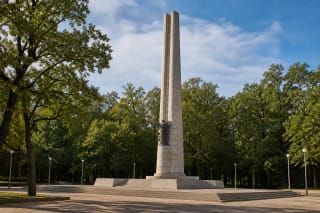
Steponas Darius and Stasys Girėnas Monument stands in the Ąžuolynas sports complex in Kaunas.
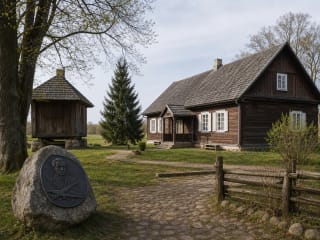
The Steponas Darius Birthplace Museum in Darius village, Judrėnai eldership, preserves the memory of one of the Lituanica pilots.
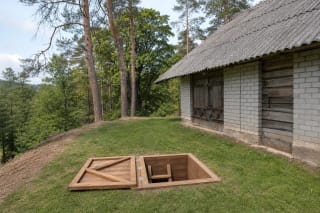
The Kasčiūnai partisan command post is a state-protected authentic site in the setting of the Jakavonis family farmstead, on a bluff above the Merkys.
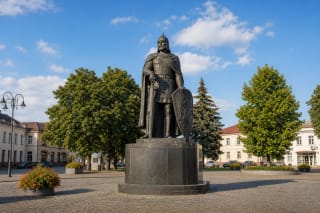
Žemaitis is the Raseiniai Independence monument unveiled in 1934 and created by sculptor Vincas Grybas.
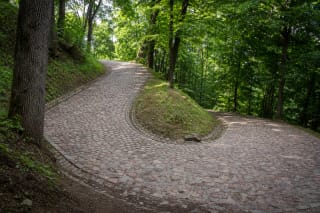
Tuputiškės Serpentine is a section of Žiedų Street that climbs a wooded slope through sharp bends between Lower and Upper Pavilnys.
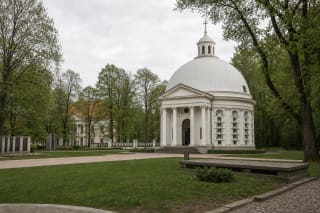
Tuskulėnai Peace Park in Vilnius is a former manor territory and memorial complex for victims of Soviet terror, where the memory of people secretly buried in…
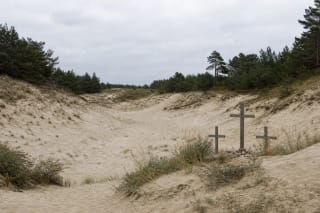
The Valley of Death is a sandy hollow south of Nida, between Parnidis and Gliders' dunes.
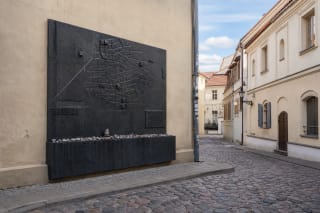
The Vilnius Ghetto Memorial is not a single monument but a set of plaques and markers across old-town streets that record the boundaries of the Large and Small…
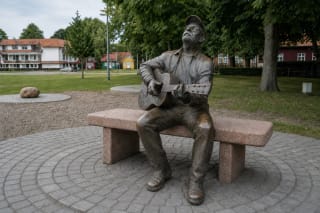
The Vytautas Kernagis Memorial Sculpture is Romualdas Kvintas's life-size bronze portrait of the Lithuanian bard singing in Nida's Bards' Square.
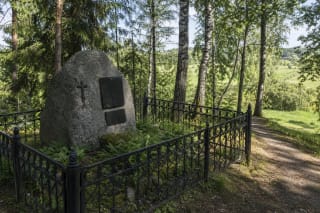
In Šarnelė, inside Žemaitija National Park, Vytautas Mačernis is buried on the hill he loved, marked by a large Seda stone monument.
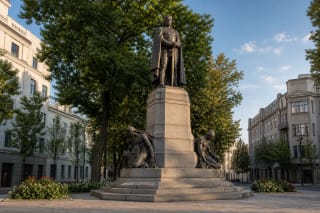
Vytautas the Great Monument stands in the small square at the junction of Laisvės Avenue and Sapiegų Street in Kaunas.
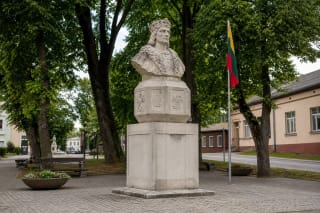
Vincas Grybas, one of interwar Lithuania's leading monumental sculptors, created the Vytautas the Great Monument in Jurbarkas in 1930.
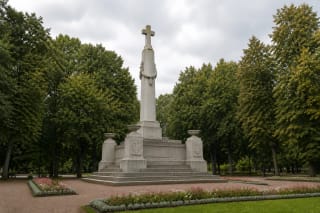
The We Died for the Motherland Monument stands at the centre of Ramybės Park, on the site of Kaunas's former Karmelitų Cemetery.
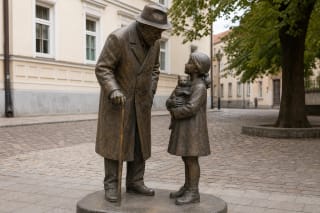
At the meeting of Dysnos and Mėsinių streets, the Zemach Shabad Monument shows no ceremonial orator: it depicts a doctor leaning towards a girl with a cat.
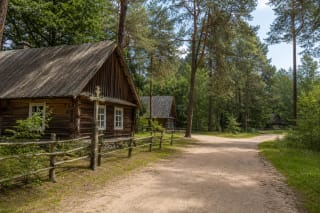
Zervynos is one of Lithuania's strongest ethnographic villages: a sparse street-plan village by the Ūla, with 11 protected homesteads, 35 wooden buildings…
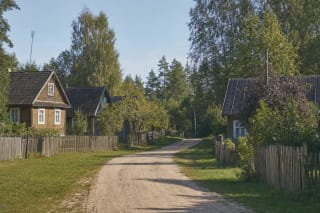
Žiūrai Village is known for the southern sandy-forest Dzūkian singing tradition: since 1971 it has had the Žiūrai folklore ensemble, one of Lithuania's first…