- Category
- Identification Guides
- Type
- Care and conservation principles for wooden buildings
- Context
- Wooden-house care, restoration, conservation work, moisture, roof, foundations, windows, cladding, authenticity
- Source status
- practical guide from authoritative sources
Wooden-house care, Conservation work, Restoration, Conservation
Wooden Heritage Care and Restoration: types and elements
Everyday maintenance: Regular checking of roof, rainwater drainage, foundations, ventilation, and timber condition.
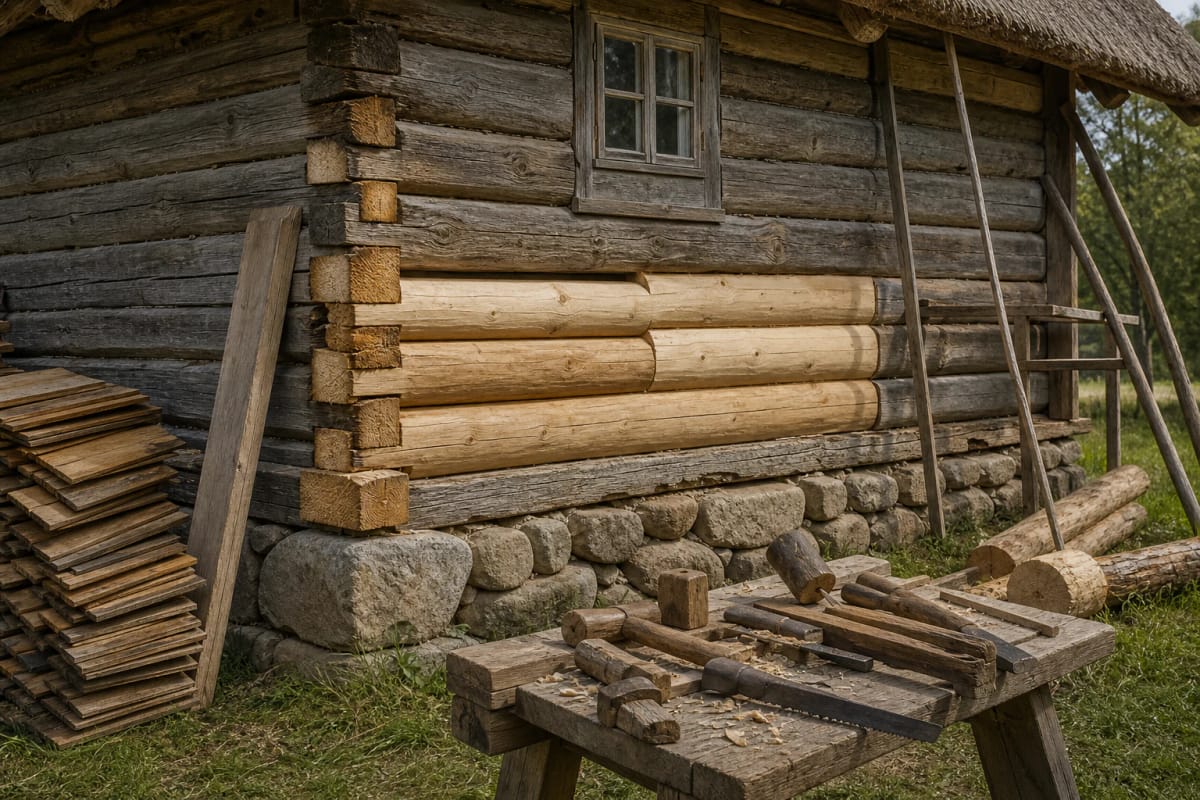
Repair: Fixing damaged parts while preserving as much old material as possible.
Restoration: Work based on research, documentation, and authenticity principles.
First, recognise the value
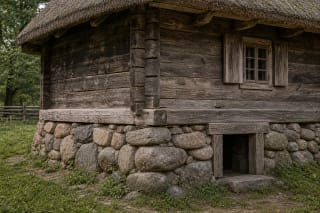
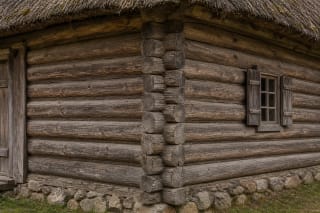
Before repair, it is necessary to understand what is valuable in the building: volume, roof, logs, foundations, windows, doors, trims, cladding, stoves, interior details, paint layers, and farmstead setting.
A copy does not replace an original. Old material, joints, and traces of craft work are part of heritage value.
The greatest enemy is moisture
Moisture usually harms wooden buildings most: a leaking roof, bad gutters, poor foundations, standing water, weak ventilation, or earth lying against timber.
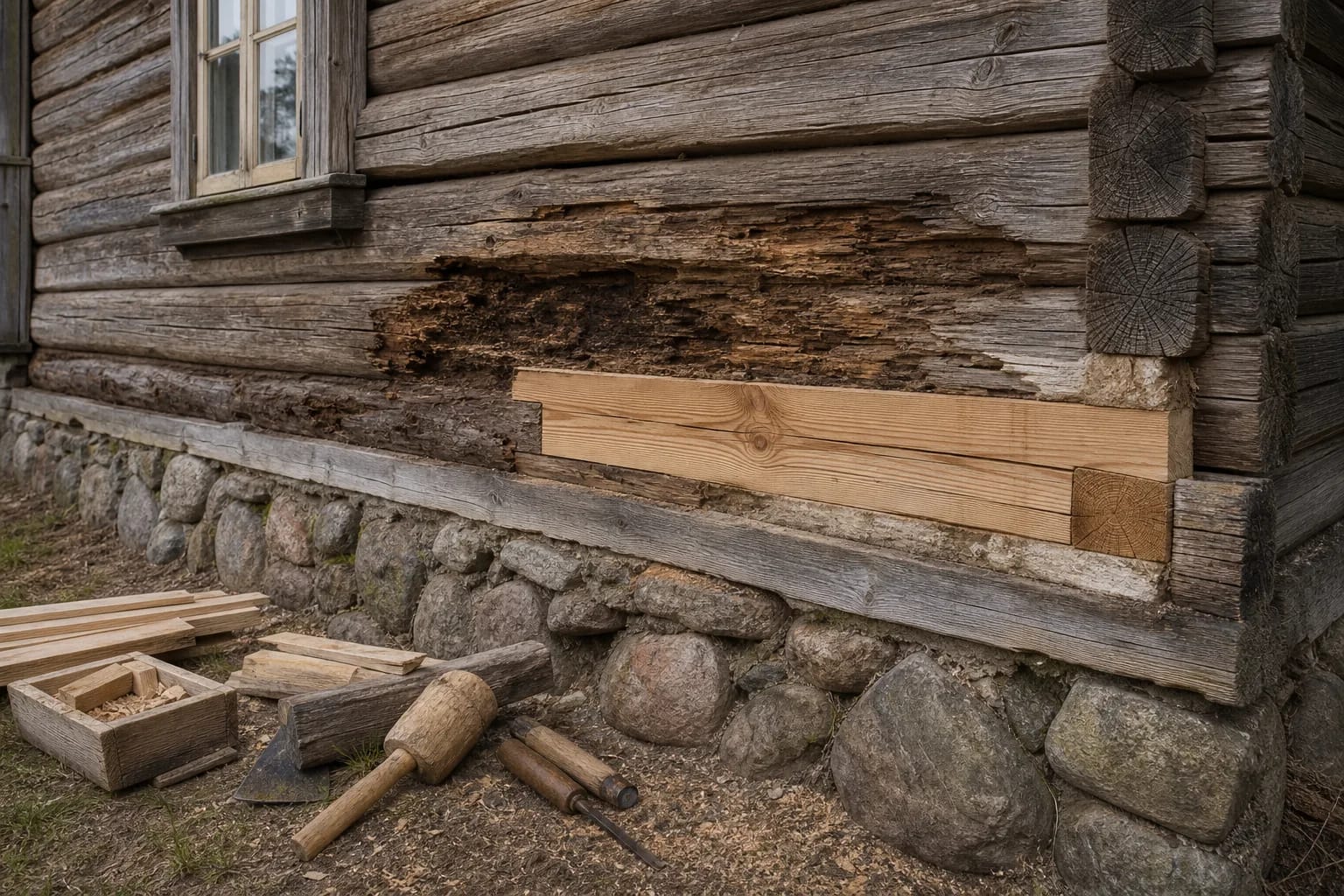
The first tasks are therefore often simple: fix the roof, rainwater drainage, drainage around the building, ventilation, and the source of moisture.
Repair minimally
Good repair does not replace everything with new material. It fixes damaged areas, leaves sound old timber, and uses compatible materials.
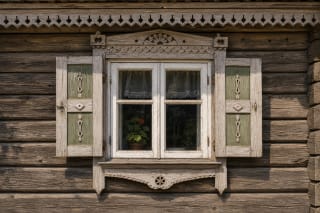
Windows, doors, trims, cornices, wind boards, roof covering, and old stoves require special caution.
Document
Before work, photograph, measure, and describe. If a detail has to be removed, record where it was, its profile, colour, and fixing method.
Documentation helps not only the restorer. It preserves the building's history for future owners.
When to call specialists
If the building is protected, has rare structures, a smoke stove, an old roof, valuable interior, or unclear damage, it is worth consulting heritage specialists and craftspeople.
Wooden heritage can look simple, but incorrect repair can destroy in days what survived for a century.