
Summer
Petrines: Saints Peter and Paul Day
June 29
Petrines arrives soon after Jonines, when midsummer light has just begun to draw back. It is no longer the fire of the longest night, but a calmer day of water, meadows, flax, hay, and human strength.
Tradition context
- When
- June 29
- Season
- Summer
- Themes
- Saints Peter and Paul, Povilines, second midsummer feast, water, fishermen, strength games, flax, cuckoo, ladybird, textile market, haymaking
Petrines, the day of Saints Peter and Paul on June 29, acts in Lithuanian custom as the second midsummer feast after Jonines. It is linked with water, strength games, fishermen and textile markets, the flax path, the cuckoo falling silent, ladybird divinations, haymaking, and the approach of rye harvest.
What Are Petrines?
Petrines are celebrated on June 29. VLE defines them as the liturgical solemnity of the apostles Peter and Paul, observed in Catholic, Orthodox, and Lutheran churches. According to VLE, the cult of these apostles arose around 200 AD, the feast was first mentioned in the Roman city calendar in 354, and it spread universally in the 4th-6th centuries.
In the folk calendar Petrines is more than a parish feast. Klimka calls it the second midsummer feast. After Jonines, daylight is already slowly shortening, and Petrines marks another threshold: summer is high, but its work grows heavier.
Petrines and Water
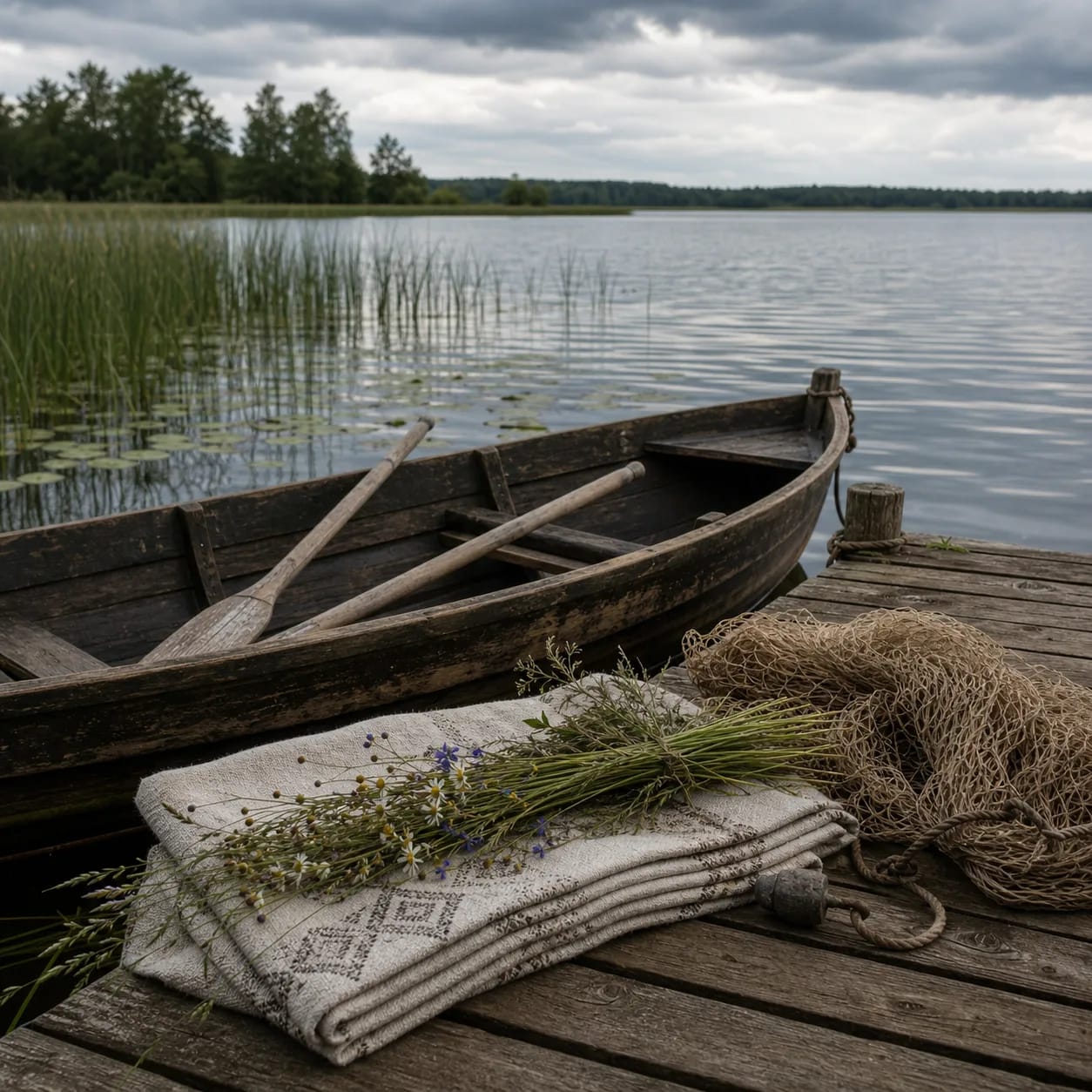
VLE stresses that Petrines as a midsummer feast was most often celebrated by water. This distinguishes it from the bonfire center of Jonines: here one hears lake, river, boat, fishing, and a gathering on the shore.
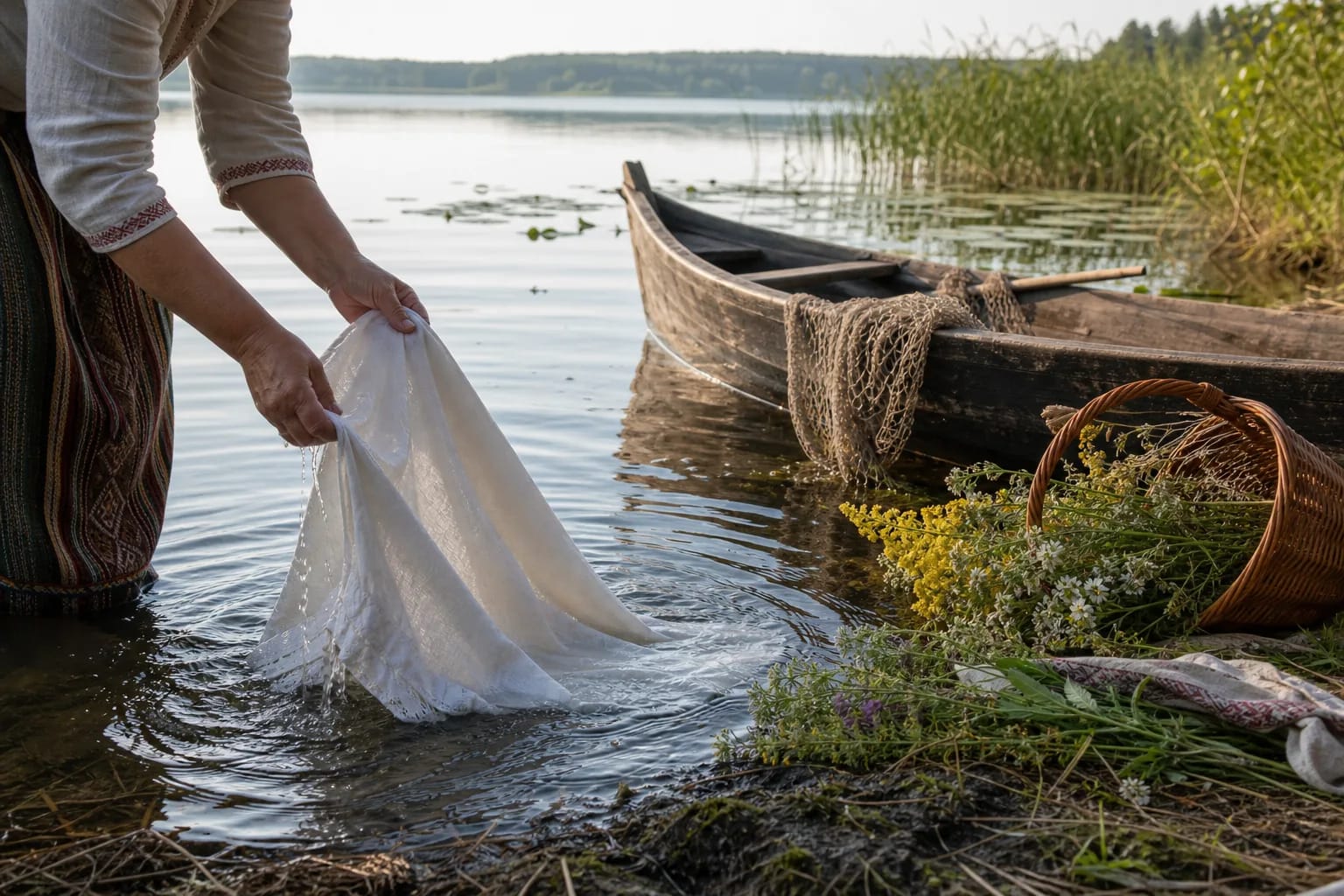
Fish markets are also linked with the day. Water at Petrines is not only a pleasant setting but part of summer livelihood and exchange. Fisherman, boat, net, and fair reveal another side of village and small-town work alongside the farmer's field.
Strength Games and Men's Competition
Petrines gave men and young men a chance to compete. VLE mentions tug-of-war and lifting logs or blocks. These are simple but clear tests of strength, fitting for midsummer when the body works outdoors every day.
The games are close to Jonines merriment, but the feasts should not be merged. Petrines competition happens after the solstice, when work returns with weight: hay, nets, animals, and the coming rye harvest.
Flax, Geese, and Farm Beliefs
VLE records a specific flax belief: on Petrines the housewife should wade a path through the flax field so the fiber would be long. It is a direct agricultural action, not merely a song about flax.
Another belief concerns geese: pulling a feather from a goose wing was expected to make the geese fat and well-feathered. Such customs show the meeting of summer feast and practical concern for livestock and fiber.
Cuckoo, Oriole, and Ladybird
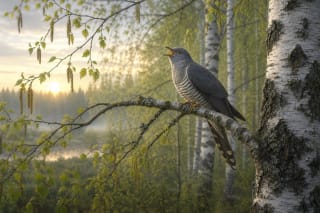
Klimka recalls the saying that after Petrines the cuckoo stops calling. Folk explanations say it may turn into a speckled hawk or choke on a barley awn. This is a natural time sign: spring voices fall silent as summer turns to its second half.
At the Antakalnis Petrines fair, girls divined from the flight of a ladybird, while children used it to predict weather. The insect had many names, including petrelis or petrute forms tied to the feast.
Vilnius Antakalnis Textile Fair
VLE mentions popular textile markets at Vilnius by the Church of Saints Peter and Paul during Petrines. Klimka describes the Antakalnis fair after the feast: Vilnija village weavers brought bedspreads, linen cloth, and towels.
This Vilnius custom gives Petrines an urban and craft face. Beside water, flax, and hay appears woven cloth: processed, patterned, carried to market, and valued as women's work and regional beauty.
Main Petrines customs and meanings
Petrines customs vary: some places stress water and fish, others strength games, flax, geese, cuckoo signs, or textile markets. They are joined by a midsummer feeling: nature is full, but work pressure is growing.
Fixed date. Petrines are celebrated on June 29, the day of the apostles Peter and Paul.
Povilines. The feast was also called Povilines because both St Peter and St Paul are commemorated.
Second midsummer feast. Klimka calls Petrines the second major midsummer feast after Jonines.
Water. VLE notes that Petrines, as a midsummer feast, was most often celebrated by water.
Strength games. Men and young men pulled ropes and lifted logs or blocks to show summer strength.
Flax path. It was believed that on Petrines the housewife should wade a path in the flax field so the fiber would be long.
The cuckoo falls silent. People said that after Petrines the cuckoo stops calling, turns into another bird, or chokes on a barley awn.
Vilnius textile fair. In Antakalnis by the Church of Saints Peter and Paul, a textile fair followed the feast, with Vilnija weavers bringing bedspreads, cloth, and towels.
Where to experience it
Where to experience Petrines in Lithuania?
Petrines are traditionally experienced near water, at church feasts, at the Antakalnis fair, and in meadows. The holiday quickly returns to work: net, cloth, hay, and field.
Water Shores
Petrines as a midsummer feast is often linked with water, so lakes, rivers, and fishing villages reveal its mood.
Churches and Saints Peter and Paul Feasts
The liturgical basis is the day of Saints Peter and Paul, making parish feasts central public settings.
Vilnius Antakalnis
By the Church of Saints Peter and Paul, an old textile fair brought Vilnija village weavers' cloth, bedspreads, and towels.
Meadows and Hay Fields
Imbrasiene notes that the village went to the meadows to make hay on Petrines; once hay was done, rye harvest drew near.
Petrines: songs, sutartines, and related pages
Petrines stands close to Rasos and Jonines, but its meaning differs. Water, flax, textiles, the cuckoo falling silent, and summer work boundaries matter more here.

Rasos Festival
The main summer solstice feast, after which Petrines marks a calmer midsummer threshold.

Jonines
St John's Day is often compared with Petrines, but Petrines has its own water and farm themes.
Cuckoo
Bird symbolism helps explain the belief that the cuckoo falls silent after June 29.

Flax, Thread, and Cloth
The flax path and Antakalnis textile fair connect Petrines with linen and cloth.
Weaving
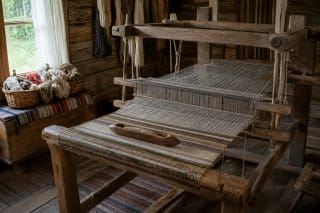
The Vilnius Petrines fair featured Vilnija weavers' bedspreads, cloth, and towels.
Petrines sources and useful pages
Petrines: frequently asked questions
When are Petrines celebrated?
Petrines are celebrated on June 29. It is the day of the apostles Peter and Paul and was also called Povilines.
Why are Petrines called the second midsummer feast?
They come soon after Jonines. Klimka notes that after Petrines nature begins turning toward the second half of summer: daylight shortens, rainier time approaches, and work matures.
How do Petrines differ from Jonines?
Jonines centers on the solstice night, fire, dew, and herbs. Petrines is more tied to water, strength games, flax fields, fishing, textile markets, and haymaking.
Why were Petrines celebrated near water?
VLE says Petrines as a midsummer feast was most often celebrated near water. Fish markets were also connected with the day.
What is the flax path at Petrines?
People believed the housewife should wade a path in the flax field so the flax fiber would be long.
Why does the cuckoo stop calling after Petrines?
Folk sayings say the cuckoo stops after Petrines, turns into another bird, or chokes on a barley awn. It is a sign of summer turning.
What did men do at Petrines?
Men and young men showed strength by pulling ropes and lifting logs or blocks, a midsummer form of communal competition.
What made Petrines in Vilnius famous?
In Antakalnis by the Church of Saints Peter and Paul, a textile fair followed the feast, with Vilnija weavers bringing cloth, bedspreads, and towels.
Are Petrines connected with haymaking?
Yes. Imbrasiene mentions that on Petrines the village went to the meadows to make hay, and after hay was in order people waited for rye harvest.