
Spring
April Fools' Day in Lithuanian Tradition
April 1
April Fools' Day looks light and playful, but in Lithuanian calendar time it stands at a serious spring threshold. The work season beginning around April 1 allowed jokes, neighborly checking, harmless deception, and a reminder that the farm had to be ready.
Tradition context
- When
- April 1
- Season
- Spring
- Themes
- Aprilis, beginning of spring work, jokes, sowing readiness, not lending fire, ploughs and harrows, bird's milk, abundance
Melagiu diena, or Aprilis, on April 1 was more than a joke day in Lithuanian tradition. It stood near the beginning of the spring farm year, when neighbors checked readiness for sowing, played harmless tricks, guarded household fire, moved poorly stored tools, and wished that the new work season would be abundant.
What Is Melagiu Diena?
Melagiu diena is observed on April 1. In Marcinkeviciene's LNKC publication it appears as Aprilis, a spring day of laughter, deception, and communal checking.
Today it is often understood simply as a joke day, but older texts show a broader layer. April is changeable: one day spring is felt, the next snow returns. Such a turning suited jokes, deception, and the expectation of the new work season.
Why Was April 1 Linked with a New Beginning?
L. Jucevicius and some other researchers connected April 1 with an older New Year idea. April was seen as the month when agricultural work begins, so the day could carry signs of a new start.
Imbrasiene writes that in folk understanding April 1 was the first day of spring work and later narrowed more and more to jokes. The lie of Melagiu diena is therefore not random; it stands at the boundary of sowing, livestock, and spring weather.
Fire, Animals, and Guarding Household Luck
In a Dzukija account recorded by P. Zalanskas, people could not lend fire, matches, or embers on April 1. It was believed that if fire was given to another housewife, one's own animals might fare badly.
This custom recalls other spring boundary days when household items, seed, milk, or animals were guarded. Fire is not only convenience here; it is a sign of household life that people did not want to carry into another yard at spring's start.
Neighborly Inspection and Farm Order
Even in the mid-twentieth century, as Marcinkeviciene and Imbrasiene write, neighbors visited one another on April 1 to see whether sowing was prepared, seed in place, and tools orderly.
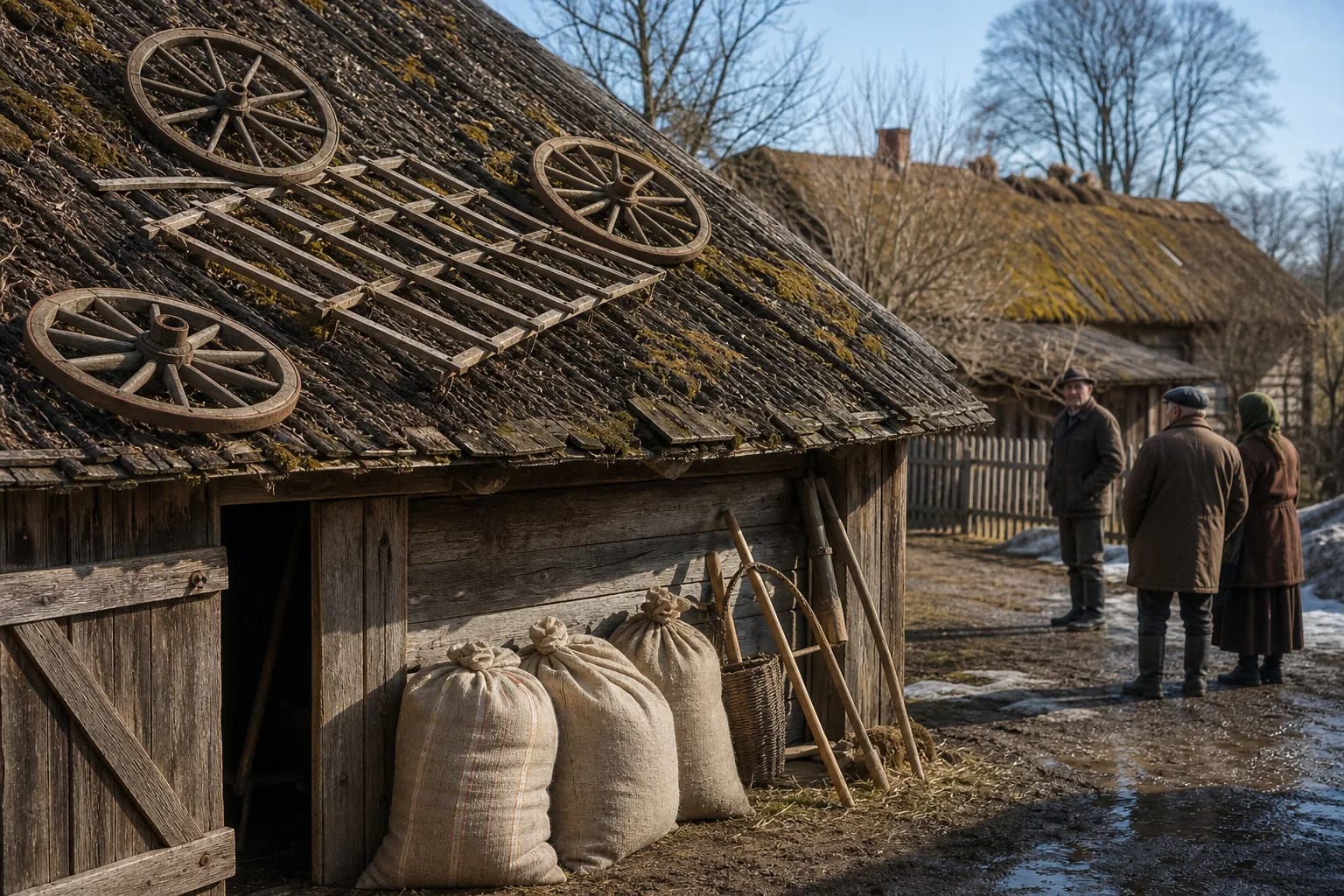
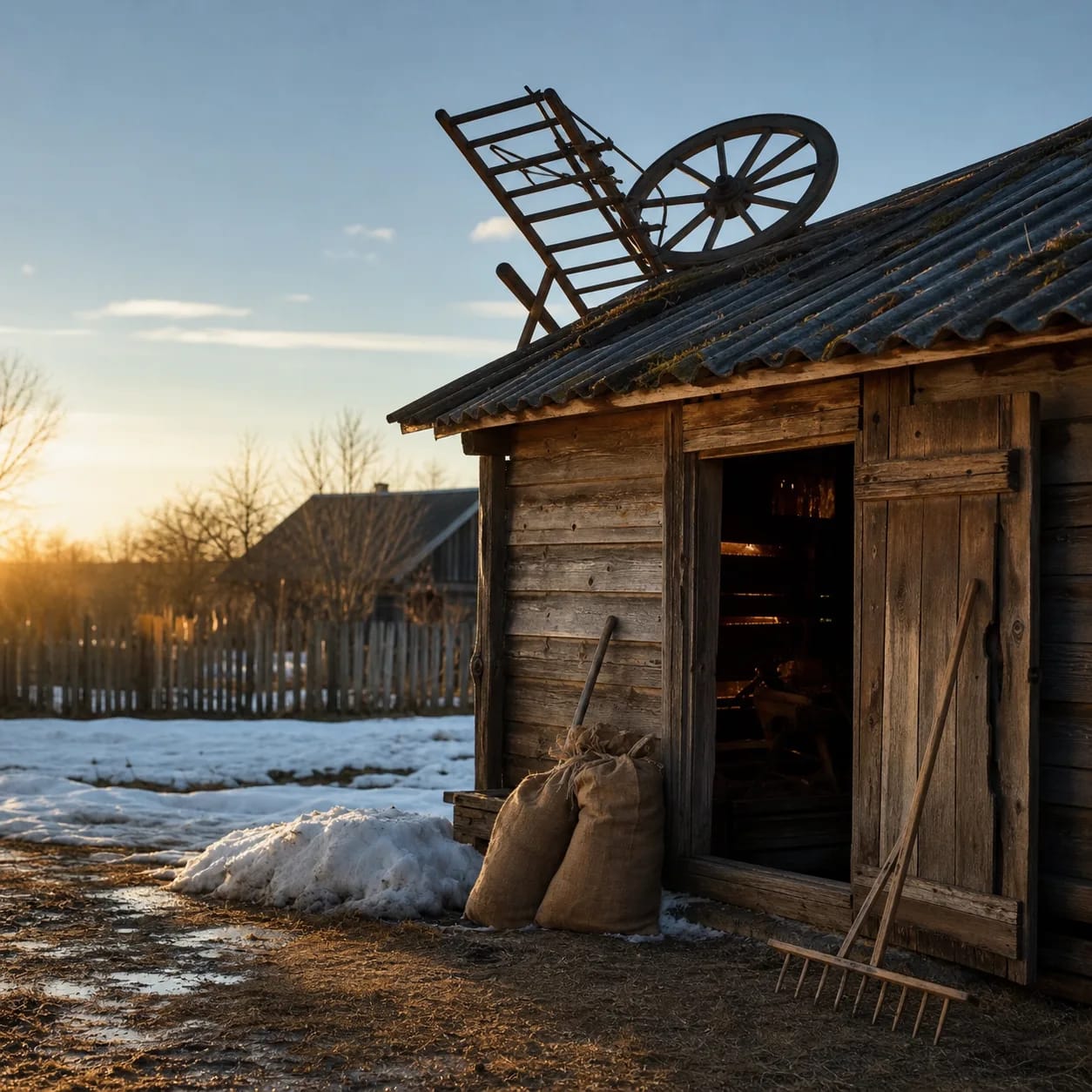
Neglect was mocked through pranks rather than sermons. A plough or harrow left out of place might end up on the roof, coulters in the forest, or wheels in a pond. It was a public but playful reminder that spring work required order.
What Lies Were Acceptable?
On Melagiu diena, acceptable lies had to be harmless. Children or family members were sent to see whether the stork had returned, or to fetch bird's milk, a speckled trifle, or cold fire. Around Kupiskis, gaištuvelis, skiemenys, and rukuciai were named.
The accounts also distinguish cruel pranks. Lies about disaster, drowning children, or trouble with animals were condemned, even on Aprilis. The purpose was brief laughter and shared relief, not real fear or pain.
Sunrise, Skalsa, and the Giedraiciai Tree
In some places in the early twentieth century, families gathered before sunrise in the house or garden and watched where the first sunbeam fell. The marked place helped judge the sun's path, day length, weather, and work timing.
Imbrasiene also mentions rarer signs of spring life: near Giedraiciai in the late nineteenth century a decorated tree was carried to a sacred spring, and as snow melted young people sang without words and called “skalsa.” That is not a joke but a wish for harvest and abundance.
Main April Fools' Day customs and meanings
Melagiu diena customs are not only city jokes. Older descriptions show a village community with seed, tools, fire, animals, and sunrise. The joke has limits: it should make people laugh, not frighten or hurt them.
Aprilis. April 1 was called Aprilis and considered a day when deception was allowed if it produced laughter rather than harm.
Spring-work threshold. L. Jucevicius and other researchers connected early April with an older idea of the year's beginning and new farm work.
Not lending fire. In P. Zalanskas' Dzukija account, people did not lend fire, matches, or embers on April 1 lest another woman's will harm their animals.
Checking sowing readiness. Even in the mid-twentieth century neighbors visited one another to see whether yard, seed, and tools were ready for spring.
Tool pranks. If a plough, harrow, coulter, or wheel was left out of place, men lifted it onto a roof, carried it into the forest, or pushed it into a pond.
Impossible errands. People were sent to fetch bird's milk, a speckled trifle, or cold fire.
Kupiskis borrowed things. Kupiskis descriptions mention sending someone to borrow gaistuvelis, skiemenys, or rukuciai - words and objects an outsider would not understand.
Skalsa and the sun. In some places people watched the first sunbeam before sunrise, and as snow melted young people called “skalsa” in fields or woods, wishing for good years.
April Fools' Day: songs, sutartines, and related pages
April Fools' Day connects with early spring feasts in which people watch birds, seed, and the beginning of field work. It falls between Gandrines' signs and Jurgines' opening of the working year.
Gandrines
The March 25 feast of the spring bird and seed awakening, close to Melagiu diena's work-year beginning.

Jore
The spring greenery and renewal feast where awakening life is already visible in fields.
Jurgines
The later spring threshold of work and first pasturing, continuing the farm-year theme.
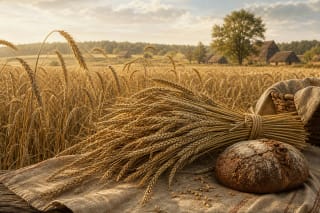
Grain, Rye, and Seeds
Seed and grain meaning visible through sowing readiness and the wish for skalsa.
April Fools' Day sources and useful pages
April Fools' Day: frequently asked questions
When is Melagiu diena observed?
Melagiu diena is observed on April 1. Lithuanian materials also call it Aprilis.
Was it only a joke day in Lithuania?
No. Older descriptions connect it with the beginning of spring work, sowing readiness, guarding fire, and checking farm order.
Why was fire not lent on April 1?
In a Dzukija account recorded by P. Zalanskas, people believed that lending fire, matches, or embers could harm their own animals. Household fire was guarded.
What did harrows or ploughs on a roof mean?
It was a prank and a public warning to a careless householder. Tools left out of place were moved so everyone would laugh and understand the message.
What were bird's milk and cold fire?
They were impossible things people were sent to borrow or fetch on April Fools' Day. The deceived person understood the joke and became part of the day's laughter.
What were the Kupiskis gaištuvelis, skiemenys, and rukuciai?
In Kupiskis customs described by E. Dulaitiene-Glemzaite, these words named confusing or non-borrowable things that an unsuspecting outsider might be sent to find.
Could people scare others with disasters?
The accounts describe such tricks as bad and condemned. The lie of Melagiu diena was supposed to amuse, not cause real fear or pain.
What does skalsa mean here?
As snow melted, young people called “skalsa” in fields or woods, wishing for spring warmth, the start of field work, and abundant years.