- Category
- Transformation beings
- Domain
- Human transformation into a wolf, the boundary between human and beast, curse, danger
- Source status
- folklore
vilkolakis, vilkatakis
Who is Vilktakis or Vilkolakis?
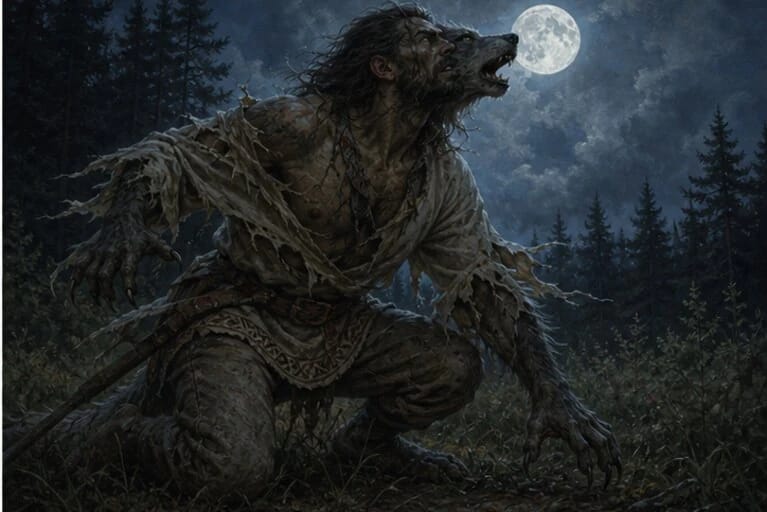
Vilktakis or Vilkolakis is a folklore being: a person who has turned into a wolf or taken on wolf form. This is not an ordinary wolf, but a liminal figure between human and beast.
In Lithuanian legends, Vilktakis speaks about the danger of losing human order. Transformation into a wolf may be a curse, a result of magic, an inherited condition, or a sign of certain boundary powers.
Sources and distribution
The image of the werewolf is known in many European traditions, but in Lithuanian and Lithuania Minor folklore it takes on a local shade of forest, village, curse, and dangerous boundary.
The Encyclopedia of Lithuania Minor presents Vilktakis as a folklore image of human transformation into a wolf. Vėlius' research on legends lets us see him as one of the beings of mythical sakmės, where the key element is the encounter with an extraordinary and frightening phenomenon.
How does a person become Vilktakis?
In legends, the reasons for transformation can differ: a curse, sorcery, witchcraft, a special belt, fur, an enchantment, or a condition determined by fate. There is no single canonical explanation.
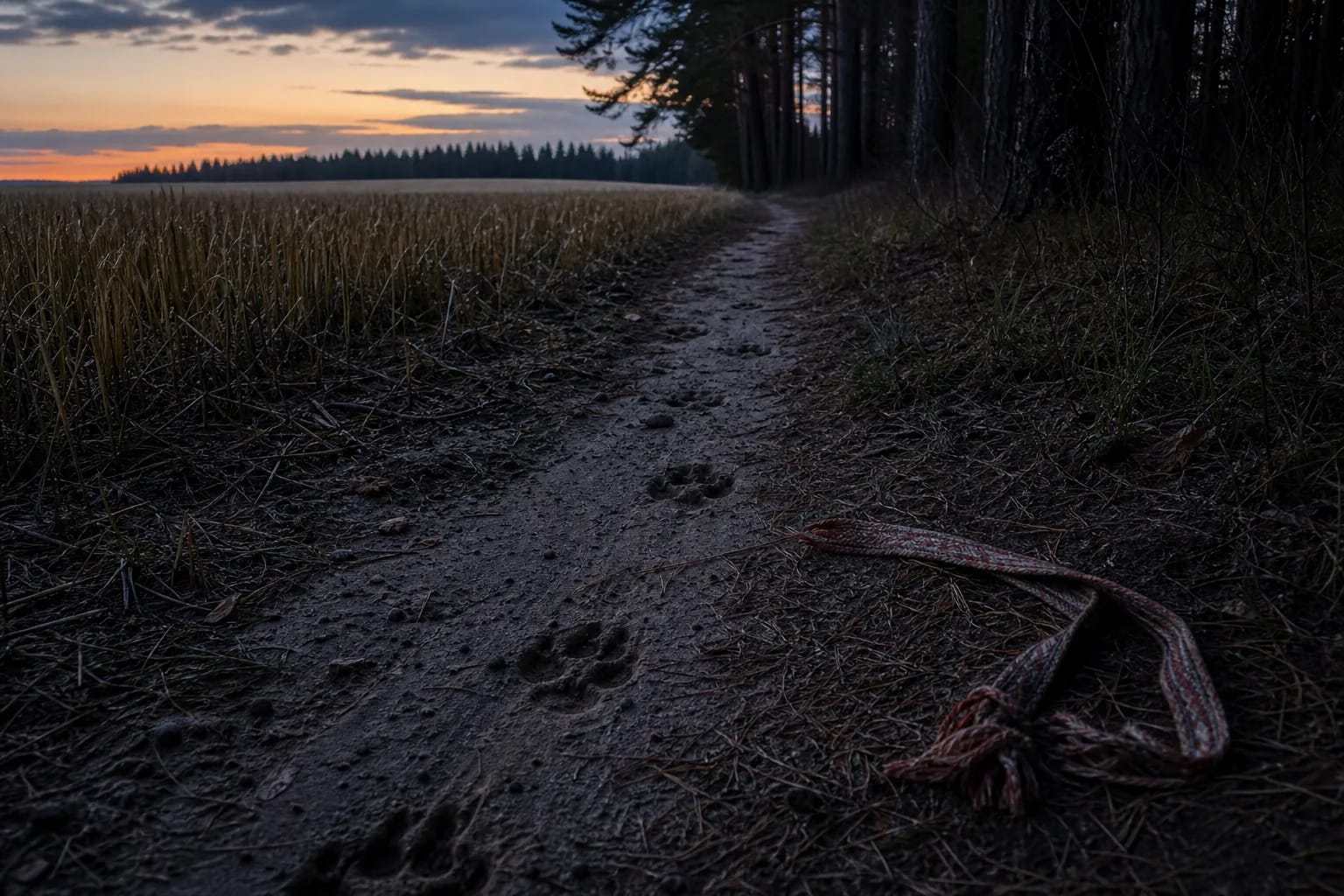
The main mythological idea is that a person crosses a boundary. He or she becomes part of a wild force, loses the ordinary place in the community, and stands between the world of home and forest. A common legend tells how an evil witch or sorcerer curses and turns an entire wedding party into wolves; transformation often happens by putting on wolf fur or stepping over an enchanted belt or object. Such wolves retain human eyes and mind, so they may sometimes be recognized and freed, for example by being given bread.
The wolf in Lithuanian imagination
In traditional culture, the wolf is a strong sign of wild nature. It is dangerous to livestock, travelers, and human settlement, but also respected as a powerful inhabitant of the forest.
Vilktakis intensifies this ambiguity. He is both human and wolf, so he creates even greater tension: danger comes not only from the forest, but from the transformation of the human being.
Vilktakis and communal fears
Stories about Vilktakis often speak about the outcast, the cursed person, or the dangerous human being. In folklore, such figures help name the fear that a person may lose boundaries and become alien to their own people.
For that reason Vilktakis is not merely a 'Lithuanian werewolf', but also a social and moral image: he shows what happens when human order mixes with wild power.
Vilktakis today
Werewolves also appear in modern horror and fantasy. Lithuanian werewolf legends centre on curses, magic, village life, the forest, and a person’s transformation into a wolf.
This interpretation helps distinguish the local image of Vilktakis from the general pop-cultural werewolf stereotype.