
Lithuanian city guides
Klaipėda
Klaipėda is Lithuania's only seaport and the centre of Lithuania Minor, historically known in German as Memel, where an Order castle, half-timbered old town, German heritage, and the route to the Curonian Spit meet.
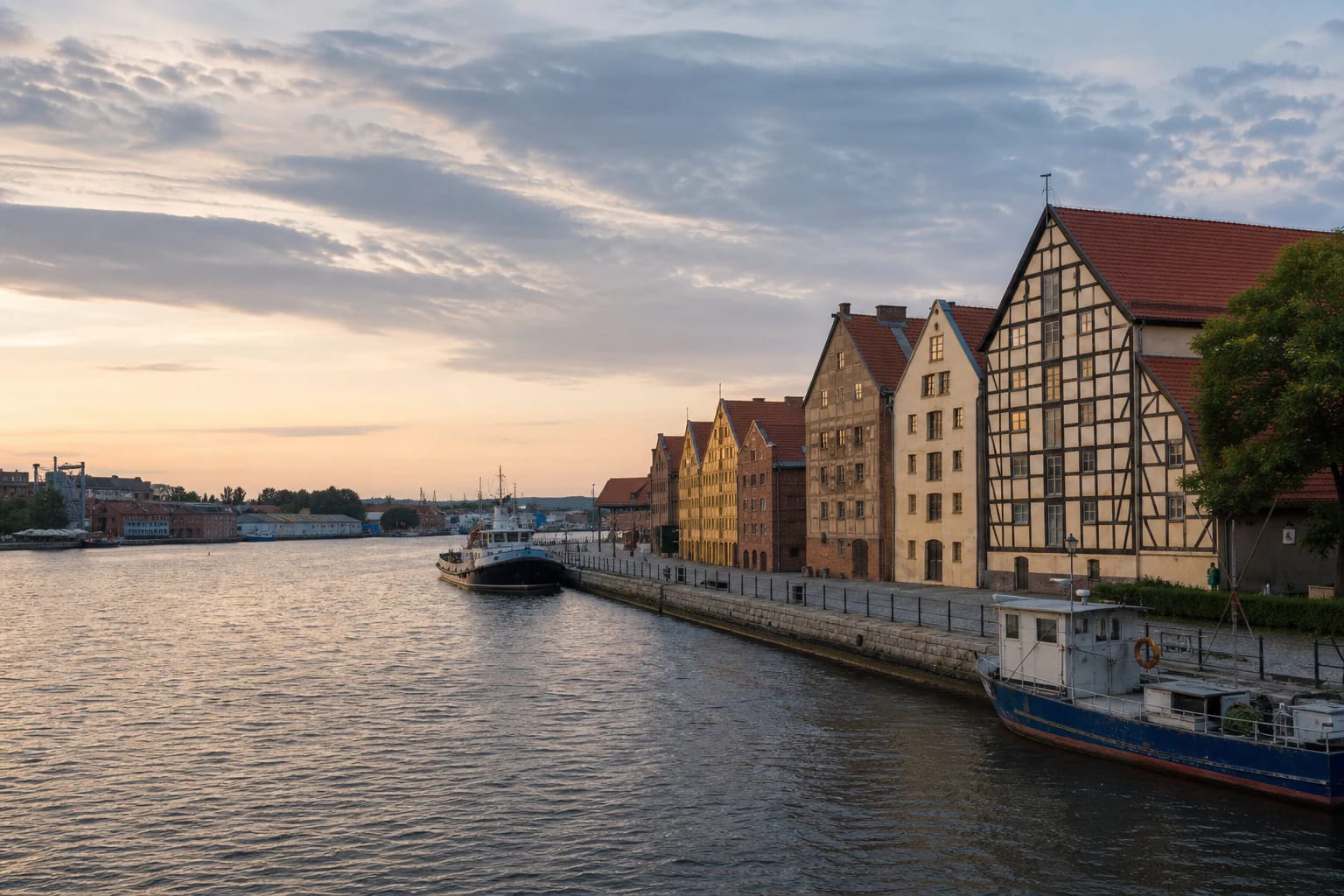
Klaipėda
Where to start
Choose a place, compare visiting times or explore the area on the map.
Key places to visit and museums in Klaipėda:
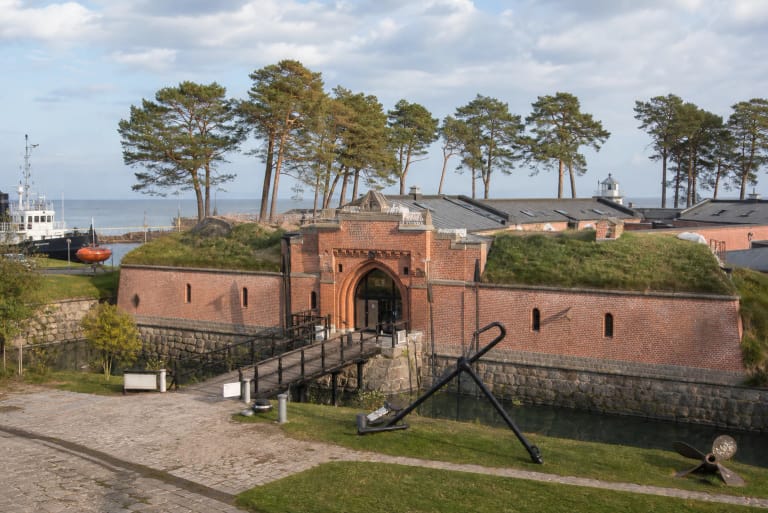
Lithuanian Sea Museum
The Lithuanian Sea Museum in Smiltynė combines the nineteenth-century Nerija Fort, an aquarium, maritime-history displays, outdoor ships, and a…
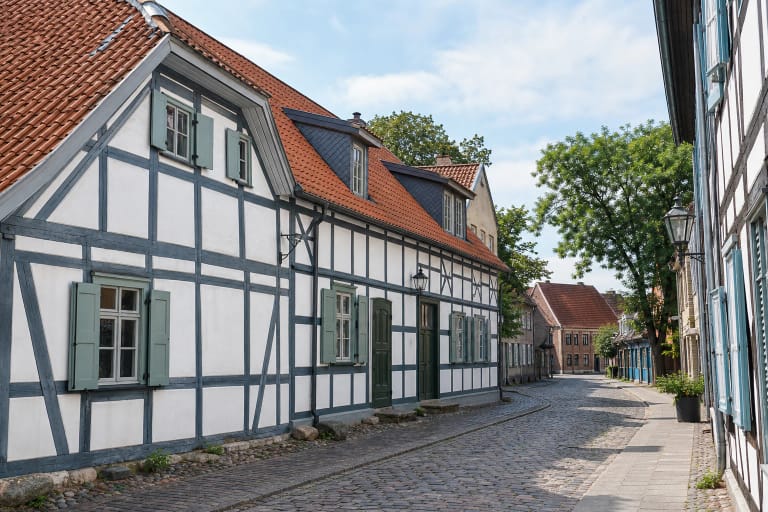
Klaipėda Old Town
Klaipėda Old Town is Lithuania's distinctive port-city core: its plan is tied to medieval Memel, the Danė River, the castle, trading quays, and…
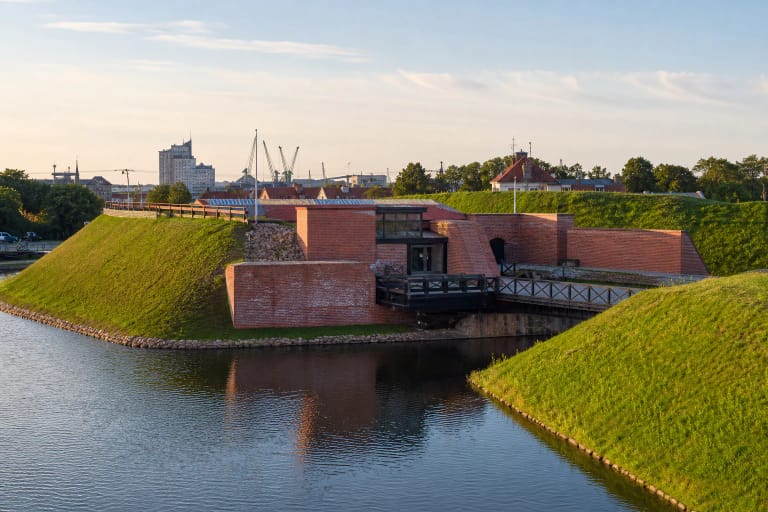
Klaipėda Castle Site and Castle Museum
The Klaipėda castle site is where the story of Memel and Klaipėda begins: a castle was built here in 1252, and today the bastions, posterns, and…
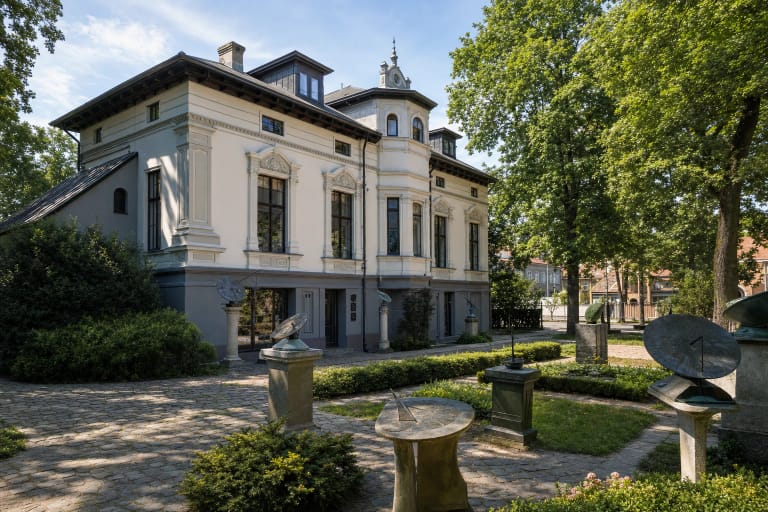
Clock Museum in Klaipėda
The Clock Museum in Klaipėda is the only museum of its kind in Lithuania and the Northern European region: an LNDM branch in a nineteenth-century…
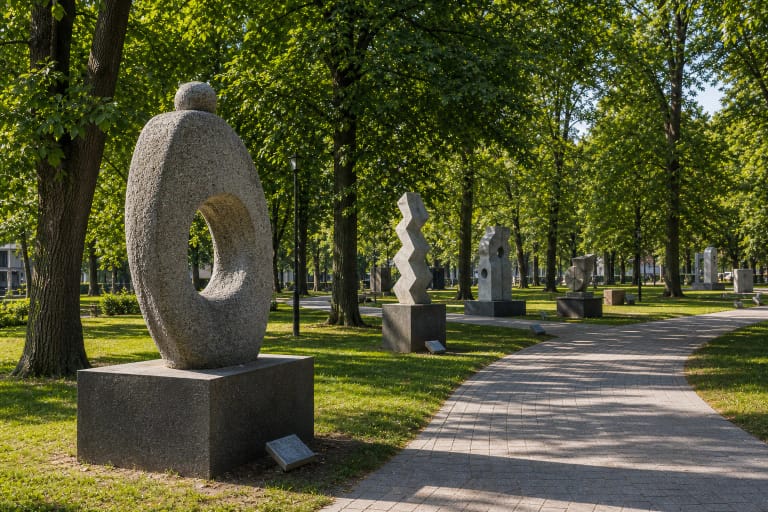
Klaipėda Sculpture Park
Klaipėda Sculpture Park is an open-air modernist sculpture display in the city centre that also preserves the memory of a former city cemetery,…
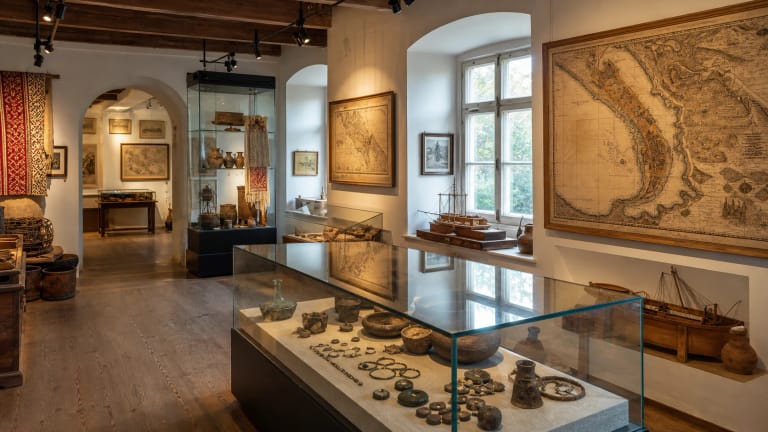
History Museum of Lithuania Minor
The History Museum of Lithuania Minor in Klaipėda Old Town tells the story of the western Balts, Klaipėda Region, Lietuvininkai culture, book history,…
All places in this guide
Places on the mapLithuanian Sea Museum2-4 hours, longer with the dolphinarium programme and a walk in SmiltynėKlaipėda Old Town1.5-3 hours; longer if you visit museums and the Danė quaysKlaipėda Castle Site and Castle Museum1.5-2.5 hours; longer with an educational activity or guideClock Museum in Klaipėda1-1.5 hours; longer with an educational activity or temporary exhibitionKlaipėda Sculpture Park45 minutes-1.5 hours; longer with a guided tour or historical routeHistory Museum of Lithuania Minor1-1.5 hours; longer with outdoor displays and an old-town routePranas Domšaitis Gallery1-2 hours; longer with temporary exhibitions and educational activitiesBlacksmithing Museum in Klaipėda45 minutes-1 hour; longer with an educational workshopShip-Museum Sūduvis45 minutes-1 hour; longer with an educational activity or escape roomMelnragė Piers45 minutes-1.5 hours; longer with Melnragė BeachKlaipėda University Botanical Garden1-2 hours; longer during flowering or with an educational activitySmiltynė Kurhaus20-45 minutes; longer with Smiltynė villas and the sea pathKlaipėda Central Post Office20-40 minutes for the exterior; longer if you catch a carillon concertKlaipėda Mary Queen of Peace Church30-45 minutes; longer if you attend a service or concertTheatre Square and the Ännchen of Tharau Fountain15-30 minutes, longer with the old townBlack Ghost Sculpture10-20 minutes; longer if combined with the castle siteKlaipėda Puppet Theatre45-90 minutes for a performance; longer with an education programmeSailing Ship Meridianas15-30 minutes on the quay; 1-2 hours if visiting the restaurantKlaipėda Drama Theatre1.5-3 hours for a performance; 10-20 minutes to view the building and squareKlaipėda State Music Theatre1.5-3 hours for a performance; 10-20 minutes for the buildingKlaipėda Ethnoculture Centre30-60 minutes; longer during an event or educational programmeJono Kalnelis and the Bastion Complex30-60 minutesKlaipėda Gasworks Complex15-25 minutes for the exterior; 1-1.5 hours with MEMEL Auto MuseumKlaipėda University Campus20-45 minutes for the exteriorFriedrich's Passage15-30 minutes; longer if visiting restaurants or cafesSmiltynė Beach2-4 hours; longer when combined with Smiltynė forest trailsSt Francis of Assisi Church in Klaipėda45-90 minutes; longer for a concert, exhibition, or eventAlbatross Monument20-40 minutes; longer with the Lithuanian Sea Museum and KopgalisThe Sleuth Sculpture10-20 minutes; longer with the Sculpture Park and New TownDanė River Cycle Path1-2 hours cycling with stops; 2-3 hours walking one wayBaltic Sea Animal Rehabilitation Centreabout 1 hour, plus the ferry and 1.8 km journey from the Old Ferry TerminalVydūnas Square20-40 minutes; longer for a quiet rest or to read the thoughts carved into graniteEscape Bunker 1944about 1 hour for the game, plus time to arrive and receive instructionsSąjūdis Park1-2 hours for a walk and play; longer for a skate or BMX sessionGiruliai Beach1-4 hours; allow half a day for a longer coastal or pinewood walkDanė Riverside Square45 minutes to 2 hours; longer when children use the play area or the square forms part of a central-city walkŽardė Hillfort45-90 minutes for the hillfort and pond edge; 2-3 hours when combined with the museum's prehistory exhibitionSmiltynė Yacht Club30-60 minutes to view the harbour setting; allow separate time for a stay, event, or boat serviceKlaipėda Cruise Ship Terminal30-60 minutes for the waterfront and ships; longer during a cruise arrival or city eventKlaipėda Church of St Joseph the Worker20-40 minutes; about 1 hour when attending MassKlaipėda County Ieva Simonaitytė Public Library45-90 minutes; longer for an exhibition, event, or time in a reading roomKlaipėda Recreation Park1-2 hours; 2-4 hours with sport or the paid treetop courseM.S.C. Memelland and Antanas Poška Monument10-20 minutes; about 1 hour with Klaipėda Old Town and the castle siteŠvyturio Arena2-4 hours depending on the event; doors normally open approximately one hour beforehandKlaipėda Swing Bridge10-20 minutes; longer with the castle site and harbour walkKiss Sculpture in Klaipėda10-20 minutes; 45-90 minutes with the Old Ferry, Cruise Ship Terminal, or Danė waterfrontFisherman Sculpture in Klaipėda15-30 minutes; longer while walking the Danė quays and Old TownDanė River Waterfront30 to 60 minutes; about 1.5 hours when combined with the old town, castle site, or Danė Riverside SquareKlaipėda Friendship Park45 minutes to 1.5 hours for a walk; about 2-3 hours for the full 18-basket disc golf courseHagen's Dune30-60 minutes; longer when combined with a walk through SmiltynėMalūno Park and Pond in Klaipėda45-90 minutes for a walk around the pond; longer with the playgrounds, birdwatching, or a leisurely waterside breakMelnragė Park in Klaipėda40-90 minutes for the park; 1.5-3 hours when combined with the beach and Melnragė north pierOak Grove Park in Klaipėda45-90 minutes for a walk; 1.5-2 hours when using the play, sports or dog areaKlaipėda Town Hall20-40 minutes for the exterior and historical context; longer only for a prearranged visit or eventKlaipėda Narrow-Gauge Railway Station15-30 minutes for the exterior; 1-2 hours with a restaurant visitPaul Lindenau Shipyard Exhibitionabout 45-75 minutes, depending on the programme agreed in advanceArch Monument to a United Lithuania in Klaipėda15-30 minutes for the monument; 1-2 hours with Danė Square and Klaipėda Old TownŠvyturys BHouse1.5 hours for the tour; 2-3 hours with the gastrobar or an eventKlaipėda Concert Hall1.5-2.5 hours for a concert; 10-20 minutes to view the historic exterior without attending an eventKlaipėda Culture Factory1-3 hours for a chosen performance, film, exhibition, or event; 20-40 minutes for the exterior and Jono Hill surroundingsThe Magical Mouse in Klaipėda10-20 minutes; 45-90 minutes when combined with other miniature sculptures in Klaipėda Old TownIeva Simonaitytė Hill25-50 minutes to climb, view southern Klaipėda, and walk around the foot of the hillKlaipėda Exhibition Hall45-90 minutes for exhibitions; about 1-2 hours with a tour, educational activity or eventBaroti Gallery30-60 minutes; longer for an opening or eventOrthodox Church of All Russian Saints in Klaipėda25-40 minutes when the church is open; longer when attending a serviceChrist the King Church in Klaipėda25-45 minutes for quiet viewing; longer when attending MassKristijonas Donelaitis Square in Klaipėda20-40 minutes; longer when combined with an architecture walk along Liepų StreetNeringa Sculpture in Klaipėda15-30 minutes; 1-2 hours when combined with Klaipėda Old TownCat with a Gentleman's Face10-20 minutes; 45-90 minutes when combined with other Old Town sculpturesThe Dragon Sculpture in Klaipėda10-20 minutes; 45-90 minutes as part of a route through Klaipėda Old Town's small public sculpturesOld Town Post Sculpture10-20 minutes; longer as a stop on an Old Town sculpture walkThe Rooftop Chimney Sweep in Klaipėda10-20 minutes; longer as part of an Old Town sculpture walkKlaipėda Evangelical Baptist Church15-30 minutes for the exterior; allow the time set by the congregation when attending worshipKlaipėda KCCC Art Yard15-30 minutes for the courtyard and architecture; 1-2 hours for a booked workshop or eventOld Town Guard Sculpture10-20 minutes; longer as a stop on Klaipėda's small-sculpture routeThe Four Winds in Klaipėda15-30 minutes; about 1 hour with the castle site and harbour sculpturesPot with Money Sculpture10-20 minutes; longer with Birža Bridge and the Danė waterfrontOld Ferry Terminal and North Horn15-30 minutes for the terminal and waterfront, plus waiting and crossing timeKlaipėda Lighthouse15-30 minutes for an exterior view from lawful public approachesKlaipėda Central Beach1-4 hours; about an hour is enough for sunset or a short walkAulaukis Lake30-60 minutesŽvejų Rūmai in Klaipėdaevent-dependent, usually 1.5-3 hoursSt Casimir's Church in Klaipėda25-45 minutes when openSt Bruno of Querfurt Church in Klaipėda25-45 minutes when openGiruliai Library30-60 minutes; longer for an event or exhibitionGiruliai Railway Station15-30 minutes; longer when travelling by train or walking to the coastChurch of Faith, Hope, Love and Sophia in Klaipėda25-45 minutes when openKlaipėda Old Believers Church20-35 minutes when open; longer when attending worshipKlaipėda New Apostolic Church15-30 minutes when open; longer when attending worshipKauno Atžalynas Library and Pelėdžiukas Children's Centre30-90 minutes; longer for an event or workshopKlaipėda Swimming Pool1 hour 30 minutes-3 hours, depending on ticket and facilitiesScala Dream Climbing Centre1.5-3 hours; single-entry climbing time inside is unlimitedSimon Dach House in Klaipėda30-90 minutes for a public event; longer for a tour or concertI Melnragė Beach1-4 hours; about an hour is enough for a short walk or sunsetBala VR Gaming Space1-2 hours, depending on the game and teamSim Studija Klaipėdaabout 1 hour; allow more time for an event or lessonSecond Melnragė Beach1-4 hours; about an hour is enough for a shoreline walk or sunset“Walking with a Fish” Sculpture30–60 minutes with a walk along the Melnragė pier
About this area
Klaipėda is Lithuania's third-largest city and the country's only seaport, set on the Baltic coast where the Curonian Lagoon opens to the sea. It is the centre of Lithuania Minor, or Prussian Lithuania: for centuries the city belonged to the Order state, Prussia, and Germany, was known in German as Memel, and developed a face distinct from the rest of Lithuania - half-timbered architecture, an Evangelical Lutheran tradition, and a port-city character. For visitors, Klaipėda is practical because the compact old town by the Danė River, the Castle Museum, and the ferry to Smiltynė and the Curonian Spit are all close to one another.
Klaipėda identity and geography
Klaipėda is Lithuania's only seaport and the country's westernmost city, set on a narrow passage between the Baltic Sea and the Curonian Lagoon, near the mouth of the Danė River. Ferries cross the strait known as the Klaipėda Gate to Smiltynė on the Curonian Spit. Because the port is ice-free, Klaipėda functions as Lithuania's maritime gateway and as the centre of Lithuania Minor.
The sea and the port shape the city: fishing and trade traditions, maritime museums, piers, and quays are part of its everyday character. Every year Klaipėda celebrates the Sea Festival, one of Lithuania's largest summer events, drawing crowds into the old town and port area.
History: from Memelburg to Klaipėda
The city was founded in 1252, when the Livonian Order built Memelburg Castle near the Danė mouth; the German town of Memel grew around it. In later centuries Klaipėda belonged to the Order state, the Duchy and Kingdom of Prussia, and later the German Empire, where for a time it was the northernmost city. This long German period left Klaipėda with its built heritage and a double Lithuanian-German memory.
After the First World War, the Klaipėda Region was separated from Germany under the Treaty of Versailles. In 1923, after the Klaipėda Revolt, the region was attached to Lithuania and became its most important seaport. In 1939 Nazi Germany seized Klaipėda back by ultimatum, and after the Second World War the city returned to Lithuania. This history explains why Klaipėda is culturally different from other Lithuanian cities.
Klaipėda is the centre of Lithuania Minor, the region inhabited by the Lietuvininkai. The beginnings of Lithuanian writing are also tied to this region: in the sixteenth century, Martynas Mažvydas' catechism, the first Lithuanian book, was printed in Prussia. In the city, that memory is kept by the History Museum of Lithuania Minor.
Old Town and the heritage of Lithuania Minor
Klaipėda Old Town lies on the southern bank of the Danė and differs from other Lithuanian cities. Its regular street network, half-timbered German-style buildings, warehouses, and intimate squares preserve the most visibly German face of earlier Klaipėda.
The heart of the old town is Theatre Square, with Klaipėda Drama Theatre, the Ännchen of Tharau sculpture, and Simon Dach Fountain, recalling the old song by the poet Simon Dach. The square is also tied to the story that Adolf Hitler spoke from the theatre balcony in 1939, a historical episode that recalls the loss of the region that year.
Near the old town, across the channel separating the port, is the Klaipėda castle site with the Castle Museum, which explains Memelburg Castle and the city's beginnings. The German heritage is complemented by the Blacksmithing Museum and the Clock Museum, while the old-town area is broadened by the Sculpture Park on the site of the former city cemetery.
Sea, port, and the Curonian Spit
Klaipėda's maritime character is strongest near the port and the sea. North of the city are the Melnragė piers, a favourite walking place for watching ships enter the port and sunsets over the Baltic. In the old town, a museum ship recalls fishing and seafaring history.
From the old town, a ferry reaches Smiltynė across the lagoon in a few minutes: this is the beginning of the Curonian Spit. The Lithuanian Sea Museum, with a dolphinarium and aquariums, operates in the old nineteenth-century fort. From Smiltynė, the route continues into the Curonian Spit, a separate UNESCO World Heritage landscape with Nida's dunes and Curonian cultural scenery.
Museums and culture
Klaipėda's museums help read the city's double history. The History Museum of Lithuania Minor explains Prussian Lithuania and the Lietuvininkai; the Castle Museum at the castle site explains the city's origins; and the Lithuanian Sea Museum in Smiltynė tells the story of the sea and nature. Art visitors are drawn to the Pranas Domšaitis Gallery.
The city has an active cultural life, with drama and musical theatres, festivals, and a port-city mood most strongly felt in summer during the Sea Festival. Klaipėda is also a convenient base for trips to the Curonian Spit, Palanga, and the Samogitian coast.
Practical tips for visitors
The old town and castle site are easy to explore on foot. Smiltynė and the Curonian Spit are reached by ferries from the Old and New ferry terminals; it is worth checking schedules in advance, especially in summer. Wind and quick weather changes are common by the sea, so a warmer layer is useful even in summer.
For one day, the most realistic route is the old town and Theatre Square with Ännchen of Tharau, the castle site and Castle Museum, and the Melnragė piers. With more time, cross to Smiltynė for the Sea Museum and a first taste of the Curonian Spit. The best time for Klaipėda is summer and early autumn, when ferries, beaches, and events are at their most active.
Klaipėda: frequently asked questions
Why is Klaipėda called Memel in German?
For centuries the city belonged to the Order state, Prussia, and Germany, so it had the German name Memel. The region was attached to Lithuania in 1923 and finally returned after the Second World War.
When was Klaipėda founded?
Klaipėda was founded in 1252, when the Livonian Order built Memelburg Castle near the mouth of the Danė River and a town grew around it.
How is Klaipėda connected with Lithuania Minor?
Lithuania Minor, or Prussian Lithuania, is a historic region within Prussia where the Lietuvininkai lived. Klaipėda is its centre, and its history is presented by the History Museum of Lithuania Minor.
What is Klaipėda's Ännchen of Tharau?
Ännchen of Tharau is the sculpture on Simon Dach Fountain in Theatre Square, inspired by the old song by the poet Simon Dach. It is one of the most recognizable symbols of Klaipėda Old Town.
Is Klaipėda Lithuania's only seaport?
Yes. Klaipėda is Lithuania's only seaport and the country's westernmost city, located by the Baltic Sea and the Curonian Lagoon.
How do you reach Smiltynė from Klaipėda Old Town?
Ferries from Klaipėda reach Smiltynė across the lagoon in a few minutes. Smiltynė is the beginning of the Curonian Spit and the location of the Lithuanian Sea Museum; from there the road continues toward Nida.
How is Klaipėda Old Town different from other Lithuanian cities?
Klaipėda Old Town has a regular street plan and German half-timbered architecture reflecting the long Memel period, so it looks different from Baroque Vilnius or Kaunas.
Is the Lithuanian Sea Museum worth visiting?
Yes. The Lithuanian Sea Museum in Smiltynė, set in a nineteenth-century fort with aquariums and a dolphinarium, is one of the most popular seaside attractions, especially for families.
Klaipėda: what else to see
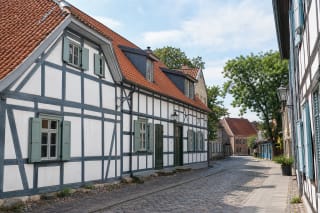
Klaipėda Old Town
The half-timbered houses and small squares on the southern bank of the Danė preserve the clearest visual memory of old Memel.
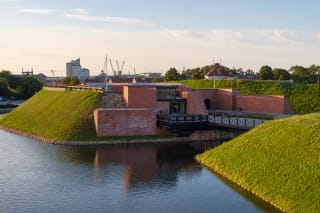
Klaipėda Castle Site and Castle Museum
The site of the castle begun by the Order in 1252, with a museum explaining the city's origins.
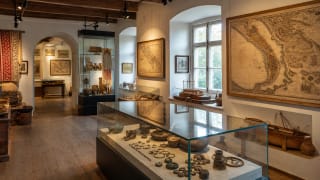
History Museum of Lithuania Minor
The main museum for Prussian Lithuania, the Lietuvininkai, and the history of Klaipėda.
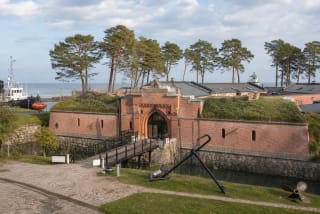
Lithuanian Sea Museum
A maritime museum with aquariums and a dolphinarium in the Smiltynė fort, at the beginning of the Curonian Spit.
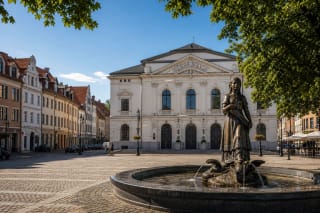
Theatre Square and the Ännchen of Tharau Fountain
The old-town heart with the Drama Theatre, Simon Dach Fountain, and the Ännchen of Tharau sculpture.