- Place
- Kazlų Rūda Municipality
- Region
- Suvalkija
- Type
- private museum of everyday life and local memory created by Valdas Arbašauskas in an old village cottage
- Address
- 10 Ąžuolo Street, Višakio Rūda, Kazlų Rūda Municipality
- Coordinates
- 54.81570, 23.43551
- Visit duration
- 30-60 minutes; allow longer for an arranged guided visit or special activity
- Best time
- in daylight and only at a time confirmed by phone in advance; event dates are not a daily opening schedule
Višakio Rūdos buities muziejus, Valdas Arbašauskas Household Museum, Višakis Household Museum
This is Valdas Arbašauskas's private museum at 10 Ąžuolo Street, not the church display
The exact place covered here is the museum of everyday life maintained by local resident Valdas Arbašauskas on private property at 10 Ąžuolo Street. Organisers of a 2025 event used the founder's full name, the same address, and coordinates 54.815702, 23.435514. The point marks the street-side arrival area rather than a surveyed door threshold; it was checked against the latest aerial layer available through Lithuania's official Geoportal.
The word museum refers to several different small displays in Višakio Rūda. The municipal public library separately describes vestments and historic objects in the church attic and former hospital-shelter, a room devoted to notable local people, and religious heritage in a granary by the rectory. Arbašauskas's collection is elsewhere, inside an old cottage on private land, so navigate with the full address rather than the generic phrase Višakio Rūda museum.
It is not a branch of a municipal museum, an accredited reserve collection, or an institution with guaranteed daily hours. The most accurate description is a host-run collection of rural material culture, family memory, and craftsmanship that can be seen by arrangement.
A declining timber cottage became a home for objects with known local stories
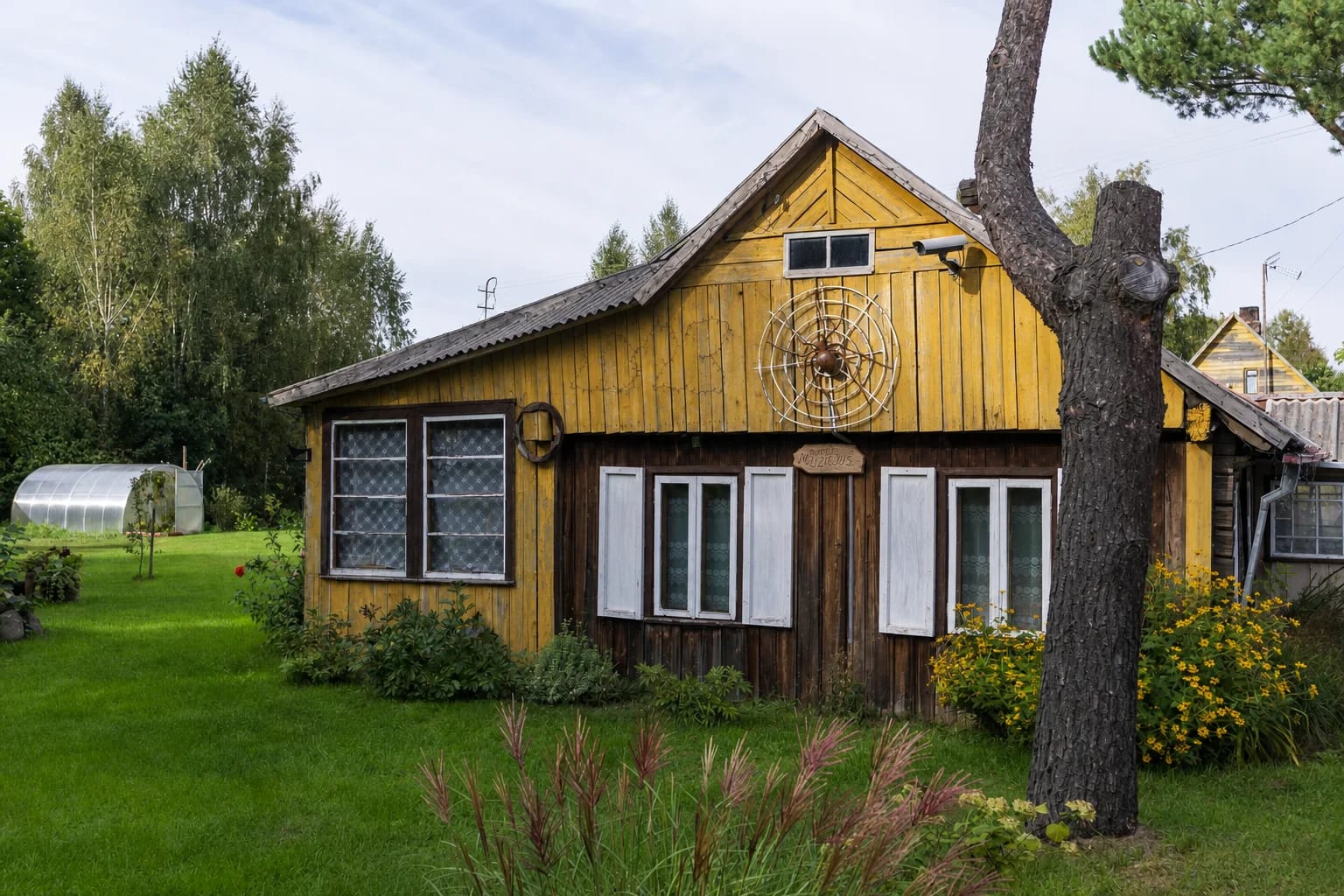
A detailed account of the museum's creation says Arbašauskas's daughter bought a neglected old cottage beside the family home, after which he repaired the low timber building, veranda, and yard over several months. He tried to retain its older fabric, but this history is not the same as protected status: none of the checked records identifies the museum cottage itself as a separately registered cultural property.
The museum grew from objects collected for roughly seven years and previously stored in the founder's attic. Friends, acquaintances, and residents of surrounding villages donated much of the material. Provenance and the connection to a person or homestead mattered more to the collector than a flea-market price, so the display preserves small family histories as well as old technology.
The archived creation story says the doors opened in early October, but its public page no longer carries a reliable publication date. This guide therefore does not infer a precise founding year from that sentence. Educational bog-iron activities held here between 2022 and 2025, followed by an active exact-place listing in 2026, provide firmer evidence that the site continued to receive arranged visitors.
Kitchen tools, farm implements, and handmade models create several strands of interpretation
The collection occupies the former rooms of the cottage. Documented kitchen objects include pans, dishes, butter churns, and a tool for breaking a sugar loaf. Old boots, handbags, and musical instruments were placed in the entrance room, while the main room held furniture including a chest of drawers associated with the previous resident. A Singer sewing machine used by the founder's aunt and his father's carved chest add a direct family strand.
A plough, threshing equipment, woodworking tools, and other implements broaden the story from the house to the farmyard and workshop. More recent local photographs also show old outdoor lamps, cameras, and smaller objects from different periods. Because this is an evolving private collection, the exact position or continued display of any one item cannot be guaranteed; mention must-see interests when arranging the visit.
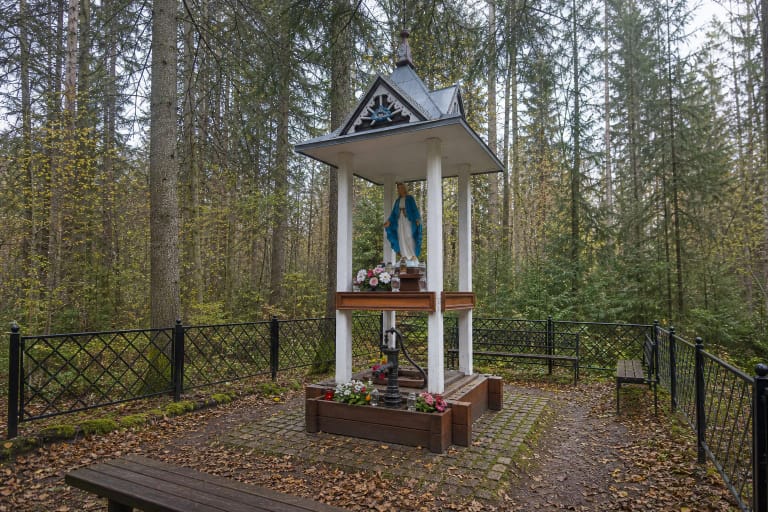
The most personal exhibits are Arbašauskas's own woodwork. Sources document a model of Višakio Rūda's twin-towered Church of St Stanislaus and another of the chapel at the sacred spring; he also planned models of homesteads along Ąžuolo Street. These miniatures connect the objects indoors with places visitors can find around the village.
Bog-iron experiments in the yard connect the museum with the name Višakio Rūda
The Encyclopedia of Lithuania records Višakio Rūda in 1701 and says two iron foundries using local ore operated here until 1883. Its entry on the rudnia describes an iron-smelting and forging works used in Lithuania from the fifteenth to nineteenth centuries: waterwheels beside small rivers powered bellows and hammers, while iron was obtained from bog ore. This gives the village name and the museum-yard activities their historical context.
Kazlų Rūda Municipality documented a 2022 project in which participants searched for ore by the Judrė with the museum founder. At Arbašauskas's homestead, on a site the municipal account associates with the former village inn, they built an experimental furnace about 90 centimetres tall using principles characteristic of prehistoric furnaces. It is a modern educational reconstruction, not a surviving eighteenth- or nineteenth-century bloomery.
A related two-day programme returned to the museum in 2025 with iron smelting, a museum visit, and workshops. This is useful evidence that the homestead remained active as a visitor and education venue, but the event's registration rules, free admission, and timetable do not establish the museum's everyday service.
Confirm the visit, charge, parking, and access directly
On 19 July 2026, exact-place listings still gave 10 Ąžuolo Street and telephone +370 611 49935, but no regular weekly schedule or current admission tariff. An older account described visits as free, yet that historical statement is not a 2026 price list. Phone before travelling, agree a date and time, and ask whether a fee applies.
No reliable public access audit was found. Photographs show an old low cottage, a lawn, and small interior rooms, but do not establish the threshold height, door width, accessible toilet, or assistance available to a visitor with limited mobility. Describe specific needs when booking, and ask where to stop a vehicle because no dedicated visitor-car-park plan is published.
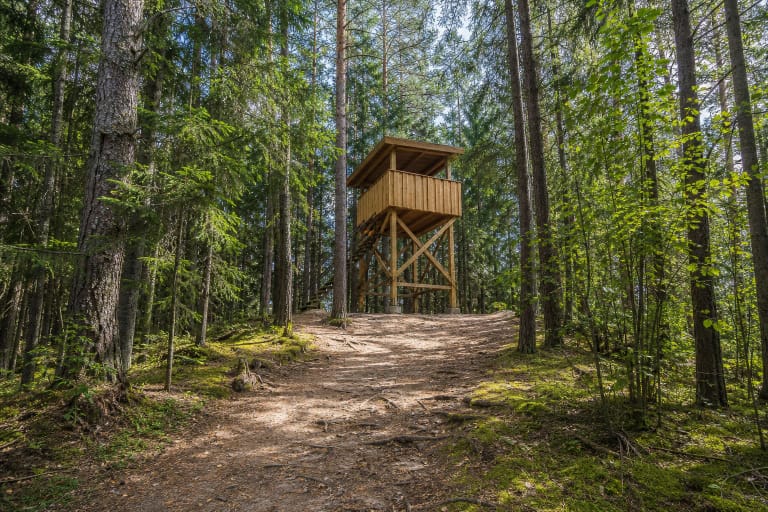
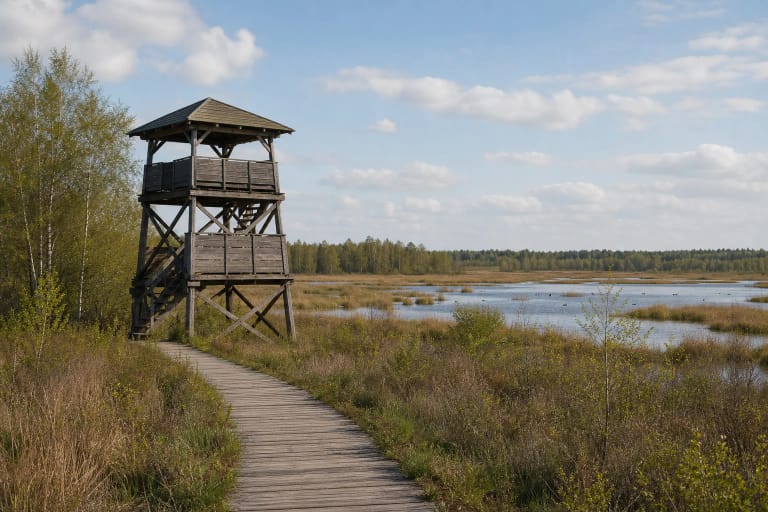
Allow roughly 30-60 minutes for the compact collection, and longer for stories attached to particular objects or a specially arranged bog-iron activity. Višakio Rūda Sacred Spring, the Kazlų Rūda Forest Nature Trail, and Viaduct Gallery can extend the outing, but confirm the private museum appointment first and fit freely accessible stops around it.