- Place
- Akmenė District Municipality
- Region
- Samogitia
- Type
- modern 2009 Catholic church and Lithuanian Millennium sanctuary
- Address
- Venta, Akmenė District
- Coordinates
- 56.19035, 22.68855
- Visit duration
- 30-45 minutes; longer if combined with a Venta Regional Park itinerary
- Best time
- in daylight or around the Mass times listed by the parish, after checking the current schedule
Venta Church of the Immaculate Conception, Venta Lithuanian Millennium sanctuary, Venta church
The modern sanctuary in Venta
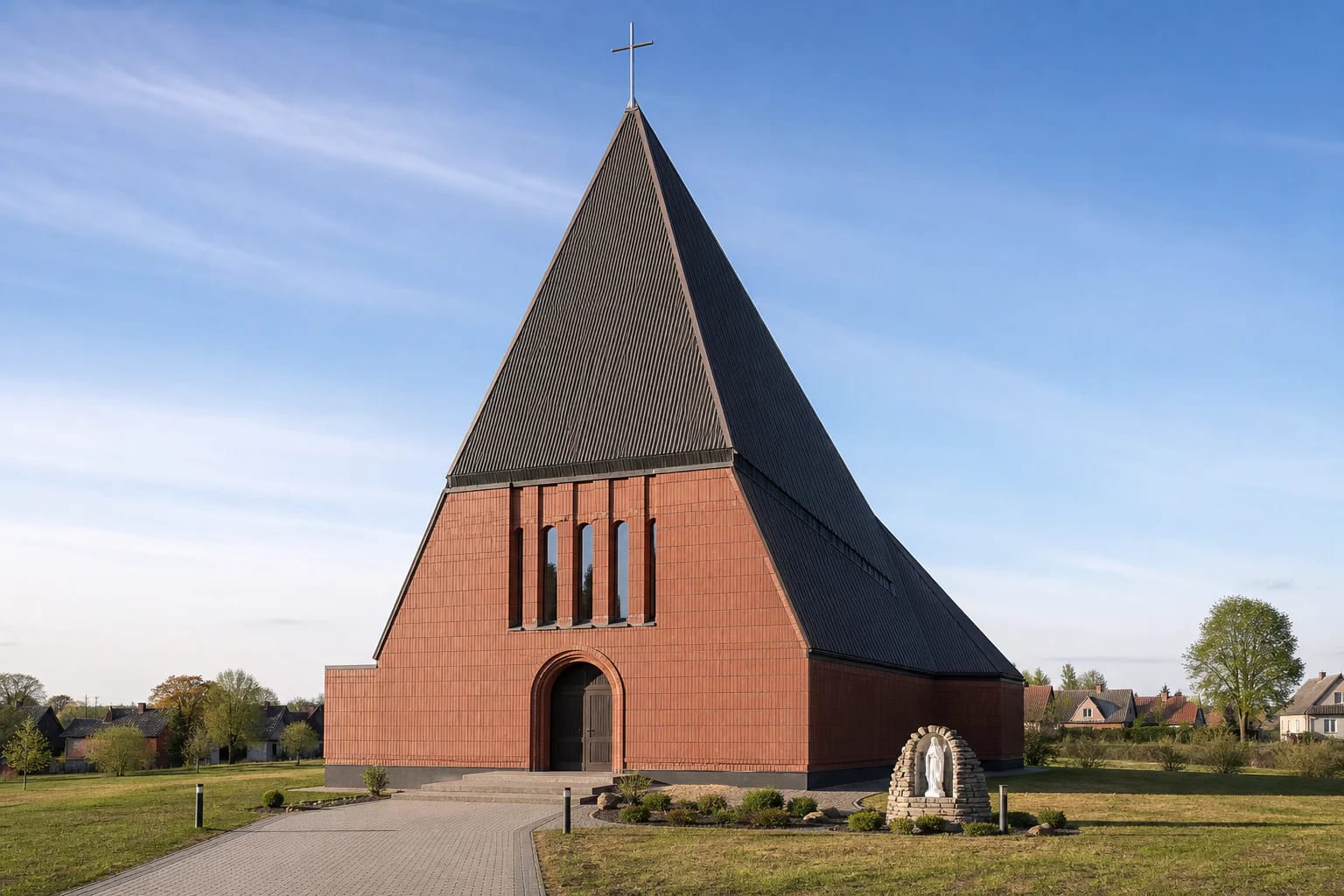
Venta Church of the Immaculate Conception stands in the town of Venta, Akmenė District. Its modern red-brown volume, tall dark roof, and cross form a clear landmark among the town's lower residential surroundings. The coordinate 56.19035, 22.688545 marks the church site, not the centre of Venta Regional Park.
The parish was founded in 1991, the foundations for the new church were laid in 2004, and the present building was completed in 2009, Lithuania's Millennium year, which explains the sanctuary's commonly used Millennium name.
This is a working Catholic parish church rather than a ticketed museum. The exterior is the simplest part to visit; interior entry, photography, and group visits need to fit around worship and parish arrangements.
Architects and a geometric composition
The church was designed by architects Vytautas Marcinkus and Regina Miceikienė of Šiaulių komprojektas. Construction was carried out by Akmeresta using German structural elements. Its red-brown volume, high dark roof, and restrained openings place it in contemporary Lithuanian sacred architecture rather than the region's older brick-church tradition.
The main composition is deliberately concentrated: a red-brown masonry body, a high dark sloping roof, a cross, and restrained geometric openings. The paved approach and the small-town setting make the building read as one strong civic and sacred sign instead of a sprawling complex.
Visit for the building's form, the parish story, and the relationship between the sanctuary and Venta's townscape; it is not a ticketed museum exhibition.
An active parish, not a daily tourist timetable
The sanctuary functions as the Venta parish church. Sunday Mass is at 10.00 and 12.00, weekday Mass at 17.00 except Monday, and Saturday times are by arrangement. Schedules can change, so check them before travelling.
A parish schedule tells you when worship is planned, not that every part of the building is available to visitors. Arrive quietly, do not photograph during services, and ask before entering areas that are not clearly open to the public.
Parish activities and events follow their own schedule, so tourist access may not be available on every day.
Planning a stop in Venta
There is no general tourist timetable or admission price for the church. Allow about half an hour for the exterior, and contact the parish in advance for an interior visit, a tour, special photography, or a larger group. Arrange parking and step-free access details with the parish ahead of time.
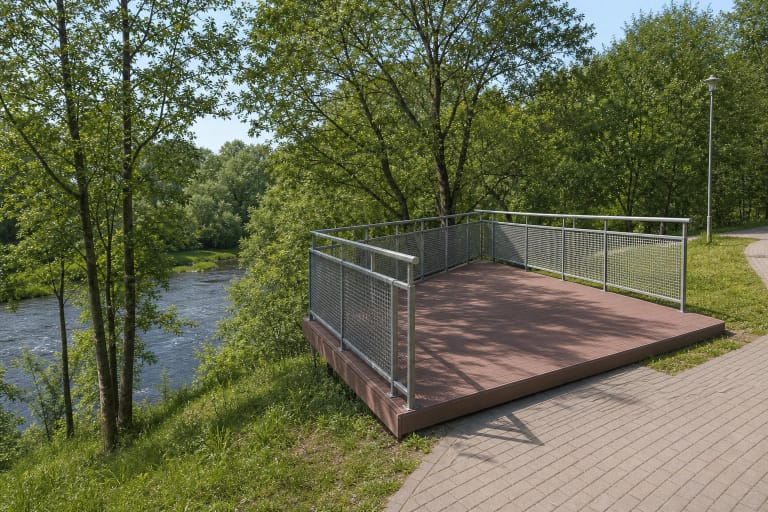
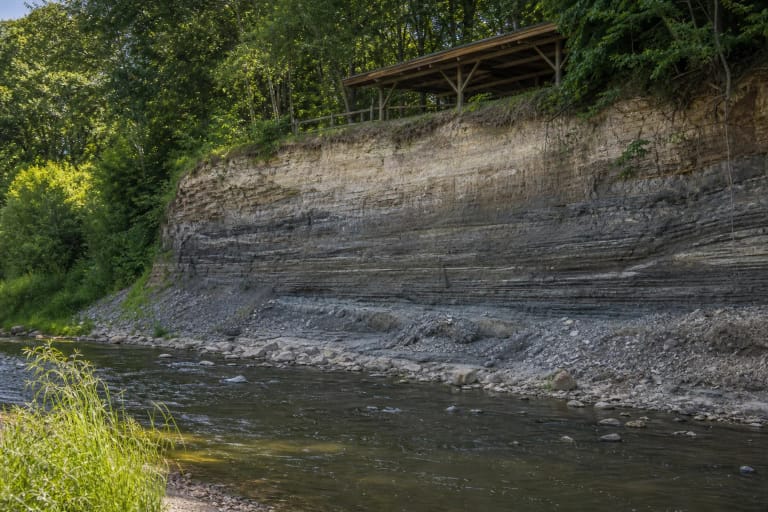
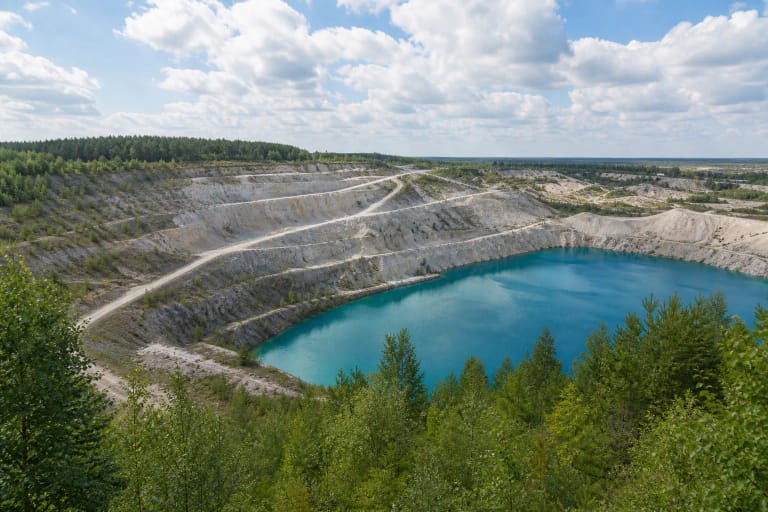
The church can be combined with Venta Regional Park and the Venta Valley Viewpoint, but those are separate destinations with different purposes and access conditions. Papilė Outcrop and the Akmenė quarry viewpoint add geological context, not components of the church site.
For a calm look at the building and its surroundings, choose a time outside services. In wet weather take care on the path, and respect the parish community's space when taking photographs.