- Place
- Vainagiai, Kelmė District Municipality
- Region
- Kelmė District
- Type
- woodland hillfort and possible ancient sacred site in Kurtuvėnai Regional Park
- Coordinates
- 55.80202, 22.99378
- Visit duration
- 40-75 minutes, longer when combined with the Juodlė trail
- Best time
- a dry spring or autumn day when the forest floor and mound relief remain visible
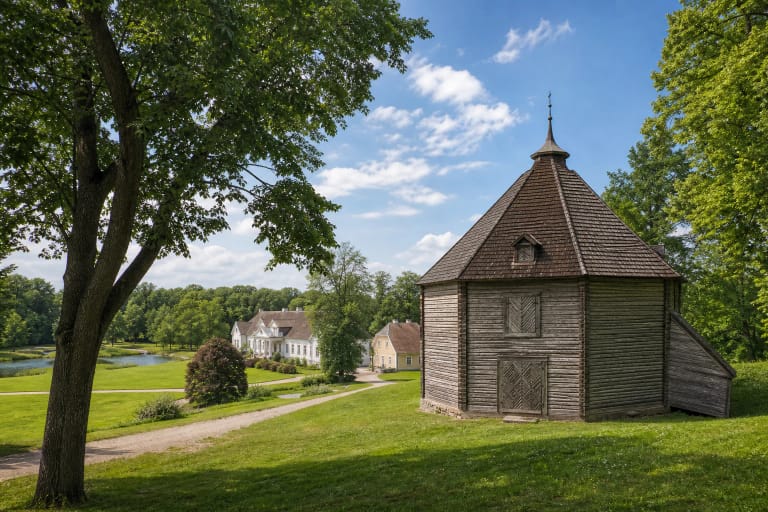
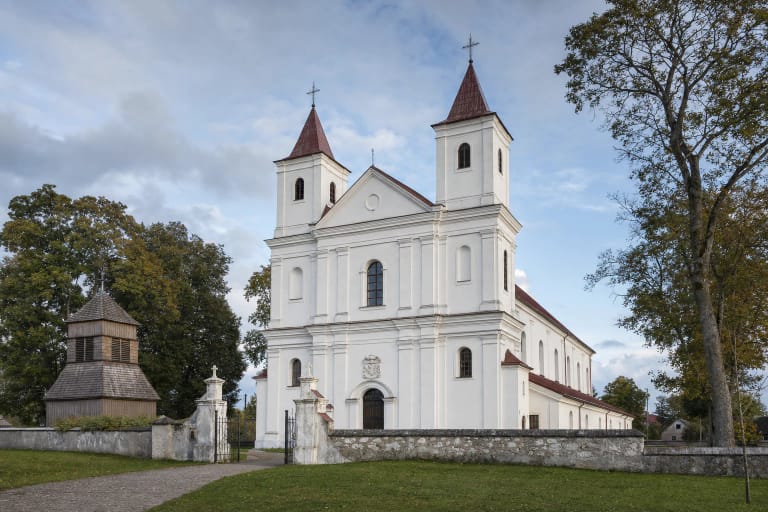
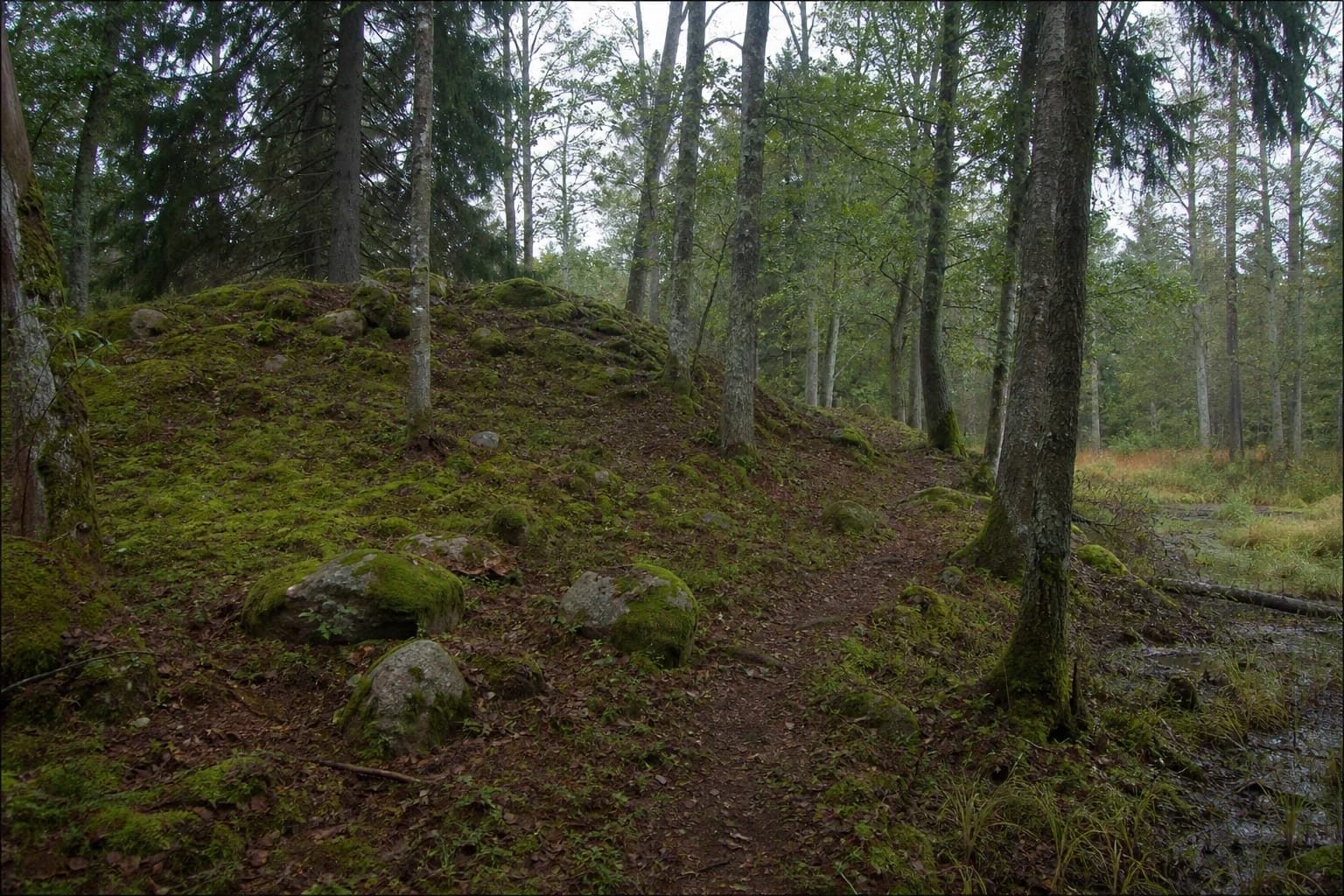
Vainagiai Piliukas, Vainagiai sacred hill
A wetland-ringed mound in Vainagiai Forest
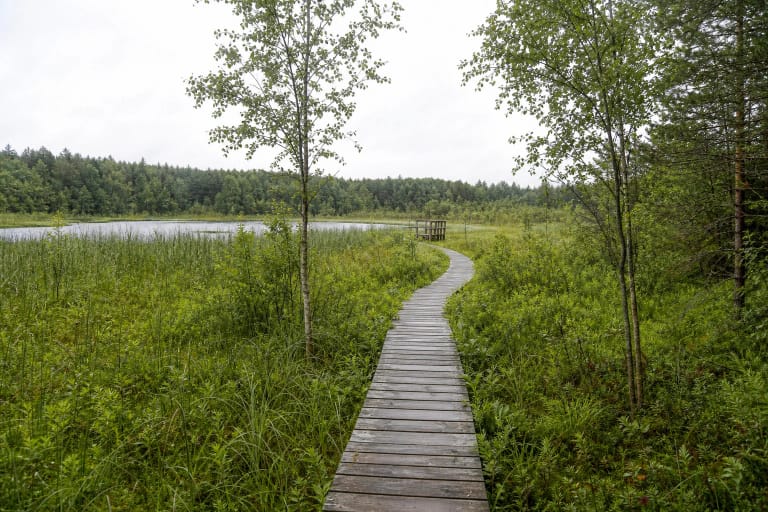
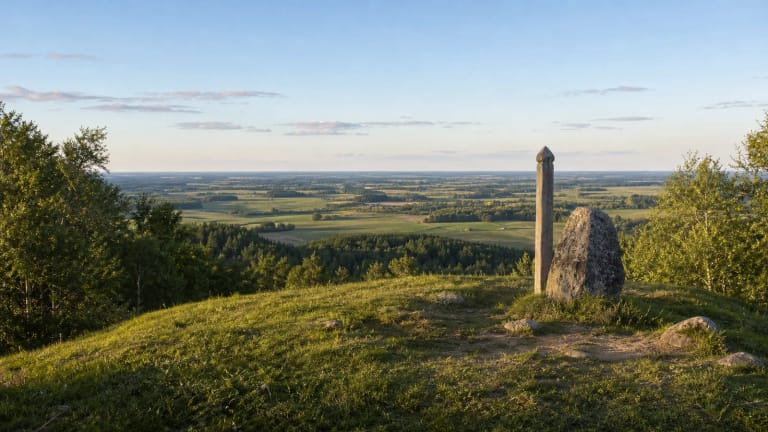
The hillfort stands in the Vainagiai forest massif within Kurtuvėnai Regional Park. The directorate dates it to the early second millennium and emphasises its wet surroundings. Trees hide broad views, focusing attention on relief, moss and stones.
Access can change with forestry work, moisture and season. Follow the official route and signs rather than a straight navigation line, which may cross wet ground, ditches or unmanaged terrain.
Settlement, fortress or sacred site?
Archaeological work did not indicate permanent occupation. Boulders found on the mound support a possible interpretation as an alkavietė, an ancient sacred place. This is a reasoned interpretation, not a reconstruction of a proven ritual.
The name hillfort does not prove that a defended castle stood here. Vainagiai is compelling because its form, isolation, stones and lack of ordinary habitation evidence shift the discussion from defence towards possible sacred use.
Stories of handfuls and a timber causeway
Local tradition says the hill was piled up by handfuls and reached across the wetlands by a timber causeway. These images show how communities explained a difficult and distinctive place.
They are not excavation records. The wet environment is real, but the timber causeway remains a narrative motif unless new evidence demonstrates otherwise.
Community gatherings and careful visiting
Between the wars, residents held Saturday-evening gatherings on the hill, and forestry amateur performers staged theatre there. The mound was therefore living community space as well as ancient landscape.
There is no fixed outdoor ticket or permanent attendant. Wear water-resistant footwear, protect moss, leave stones in place and never light fires. Turn back if a route is flooded or officially closed.