- Place
- Vilnius City Municipality
- Region
- Vilnius
- Type
- windmill and cultural-heritage site
- Address
- Piliakalnio g. 10, Vilnius, 06229
- Coordinates
- 54.70153, 25.19388
- Visit duration
- 20-45 minutes
- Best time
- during daylight, when the timber structure and Pilaitė landscape are easiest to see
Pilaitė Windmill: a preserved working structure
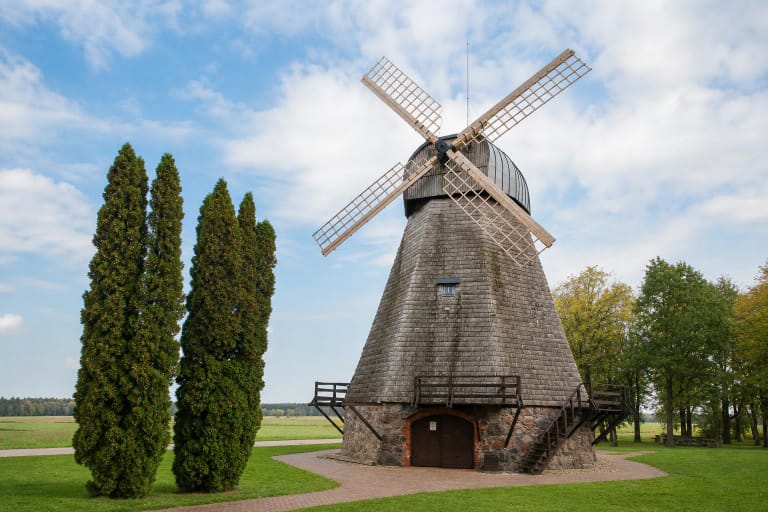
Pilaitė Windmill now stands on Piliakalnio Street, but its story began elsewhere. The deteriorating Liepalotai windmill was moved to Pilaitė in 2003, with each part numbered, reassembled, and restored.
Restoration took two years, and the windmill opened to visitors in 2005. It is therefore more than a handsome wooden silhouette with sails: it demonstrates how a threatened piece of technical heritage can be moved, repaired, and given a new educational role in Vilnius.
The mill and Duonos kelias
Pilaitė Windmill forms part of the Duonos kelias museum. Educational sessions run throughout the year by prior agreement, so contact the organisers in advance if you want to enter the interior or join a programme.
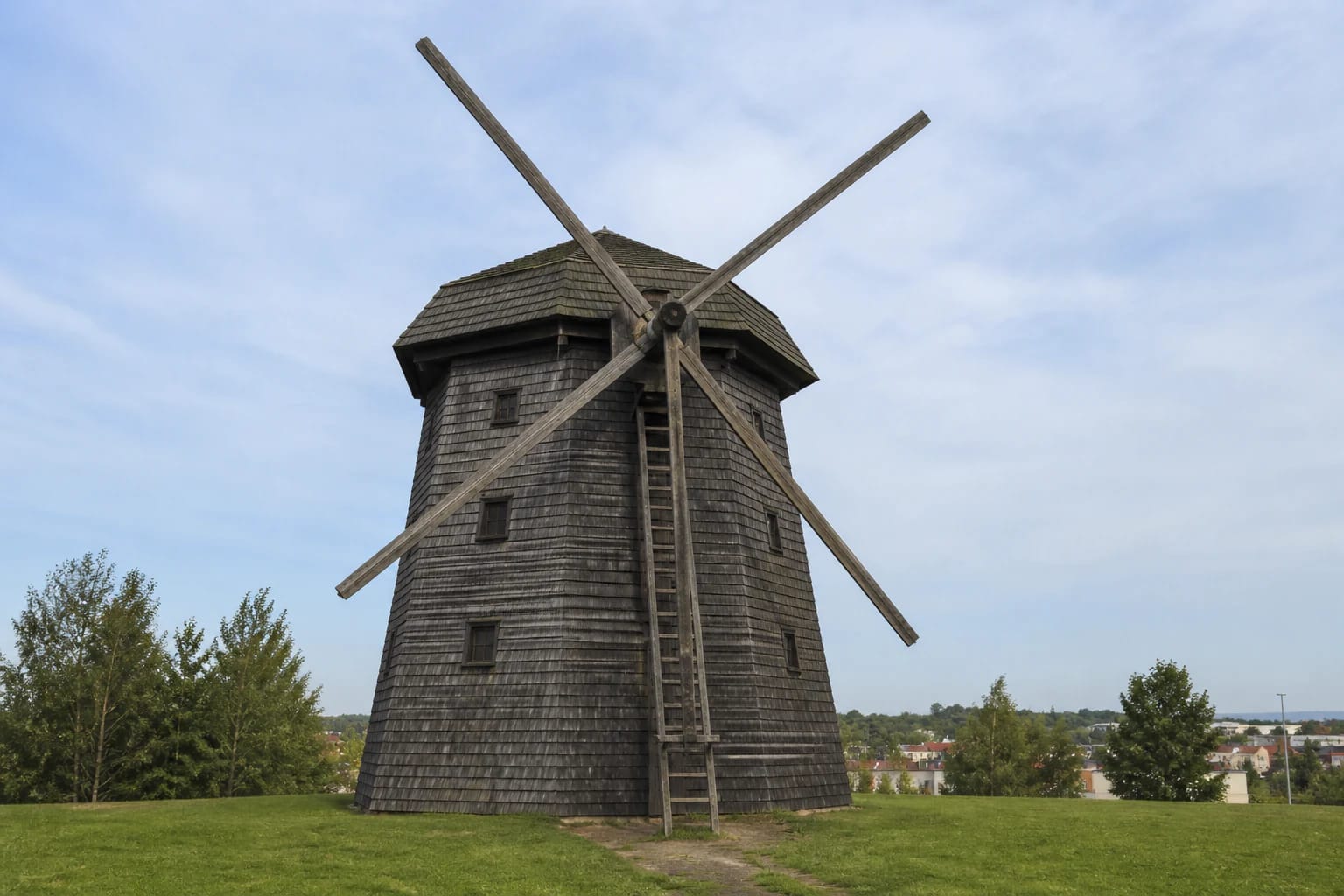
The Duonos kelias idea lets visitors read the building through an everyday craft: grain becoming flour, the mechanics of milling, and the making of bread. Even an exterior visit rewards attention to the mill’s volume, sail scale, and relationship with the lived-in Pilaitė landscape.
Details worth noticing inside
The mill has several floors, with the upper part retaining the context of the shaft and gearing mechanism. These elements remind visitors that a windmill was a working machine in which timber architecture and moving parts operated as a single system.
The mill's history combines relocation and reconstruction. Preserved historic details and educational use create an opportunity to discuss both heritage restoration and Lithuania’s wider windmill tradition.
The mill in Pilaitė’s landscape
The mill stands not on an isolated rural plain but in the urban landscape of western Vilnius. That setting shows how historic technology can become a city-walk destination, even with streets, housing, ponds, and traces of the former manor environment around it.
Include the surrounding streets, housing, ponds, and former-manor traces in a walk around the mill. Decide before arriving whether you want an exterior look or an educational visit, because the two formats can require different access arrangements and amounts of time.
How to visit Pilaitė Windmill
Allow 20-45 minutes for the exterior. Daylight reveals the timber texture, sail construction, and the mill’s position on the hill, while groups seeking an educational programme should reserve a slot in advance under the Duonos kelias arrangements.
The windmill is a heritage and visitor site, so do not climb its structure, handle mechanisms without permission, or try to turn the sails. If arriving by car, follow local signs, keep the entrance clear, and check access details before setting out.