- Place
- Nemirseta, Palanga City Municipality
- Region
- Seaside Regional Park
- Type
- seaside dune and coastal-meadow viewpoint
- Address
- Nemirseta, Palanga City Municipality, Seaside Regional Park, 00101 Palanga
- Coordinates
- 55.86507, 21.06427
- Visit duration
- 30-60 minutes; longer if you combine the viewpoint with a coastal route
- Best time
- a calm bright morning or evening, when dune grasses and the Baltic horizon are clear
Nemirseta Dune Viewpoint
What you see at the Nemirseta viewpoint
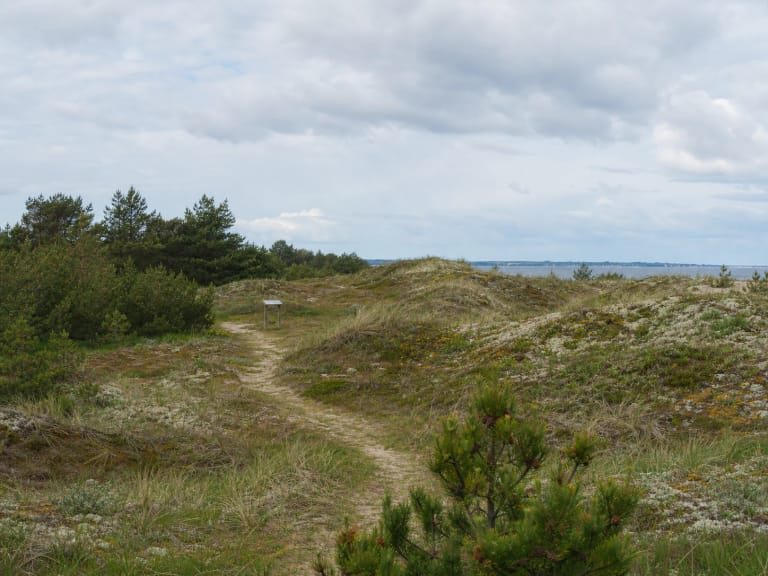
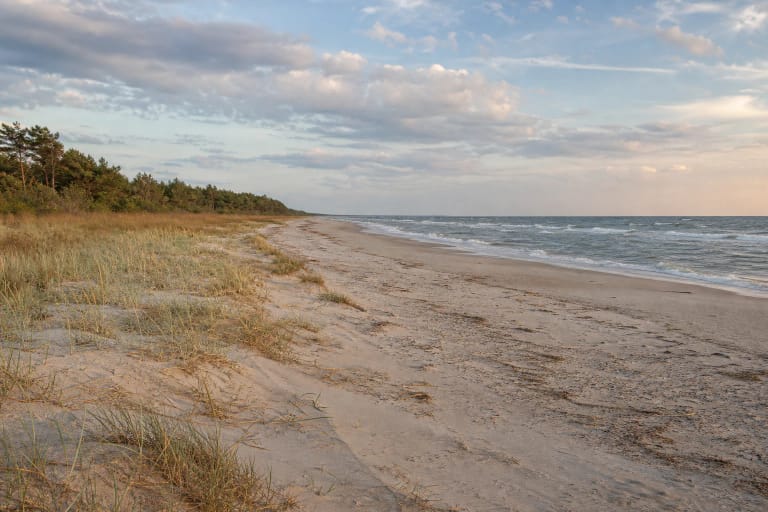
Nemirseta Dune and Coastal Meadow Viewpoint is an open-air lookout in the Seaside Regional Park landscape. From it, the eye travels over pale sand, wind-shaped grasses, and low coastal shrubs to the Baltic Sea. Its appeal is not a tall tower but a broad, close-to-the-ground view of the coast.
The viewpoint is a separate visitor stop, distinct from Nemirseta Beach, the botanical trail, and the whole Seaside Regional Park. The coordinates identify the lookout itself rather than every surrounding path. Follow signed access and choose footwear that works on loose coastal sand.
The setting within Seaside Regional Park
Seaside Regional Park was established on 24 September 1992 to protect the mainland coastal landscape, ecosystems, and cultural heritage. It stretches between Klaipėda and Palanga, and the Nemirseta dune belt is one of the places where that purpose is visible through relief and vegetation.
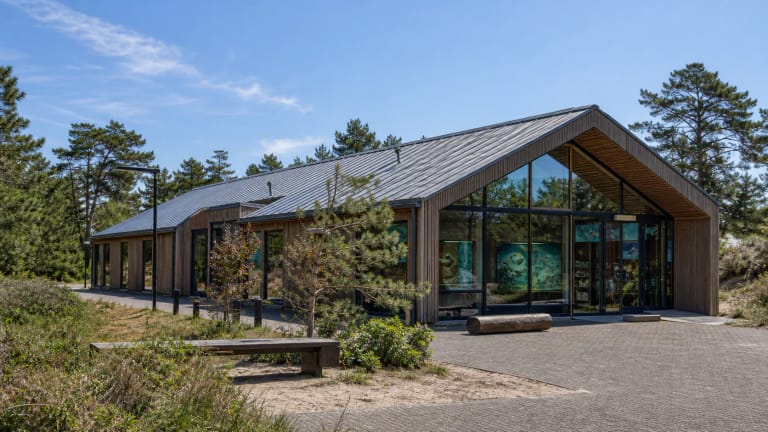
The park includes white, grey, and wooded dunes, natural beaches, and coastal meadows. The viewpoint lets you see several of these elements in one frame, but it does not stand in for the entire protected area. For a longer introduction, use the visitor centre's current information and signed routes.
Dunes and coastal meadows are living habitat
Sandy coastal meadows are dry grasslands on sand, where plants adapt to wind, sun, and limited soil moisture. From the viewpoint, their patchwork is visible: more open sand gives way to tussocks, low shrubs, and denser coastal vegetation in places. That change supplies the colours and textures that shift through the seasons.
Coastal dunes are easily damaged, so the shortest line across the grass is not the best route. Do not dig into the sand, climb sensitive dune faces, or walk through meadow vegetation where there is no marked path. Wind and seasonal maintenance can alter the approach, so follow the newest signs on site.
Nemirseta among the other coastal stops
The Nemirseta viewpoint works as a short stop within a larger seaside itinerary. The nearby beach is about being at the water, while the botanical educational trail has a different focus on plants and habitats. The viewpoint's value is specifically its dune-and-meadow panorama, so keep these stops distinct when planning.
Lake Plazė, the Olandų kepurė cliff, and the Karklė landscape are nearby options for extending a day plan, but they are not parts of this viewpoint. Treat them as separate stops and check distances rather than treating the whole coast as one lookout.
Visiting responsibly
This is an outdoor place without a museum ticket desk or fixed opening schedule, but access depends on path conditions, wind, erosion, and seasonal work. Check park information before travelling, use marked access, and protect dune and coastal-meadow vegetation. On the coast, even a short shortcut can leave a long-lasting trace.
Allow 30-60 minutes for an ordinary stop, leave space for other visitors when photographing, and stay out of sensitive vegetation. After storms or seasonal work, access conditions may differ.