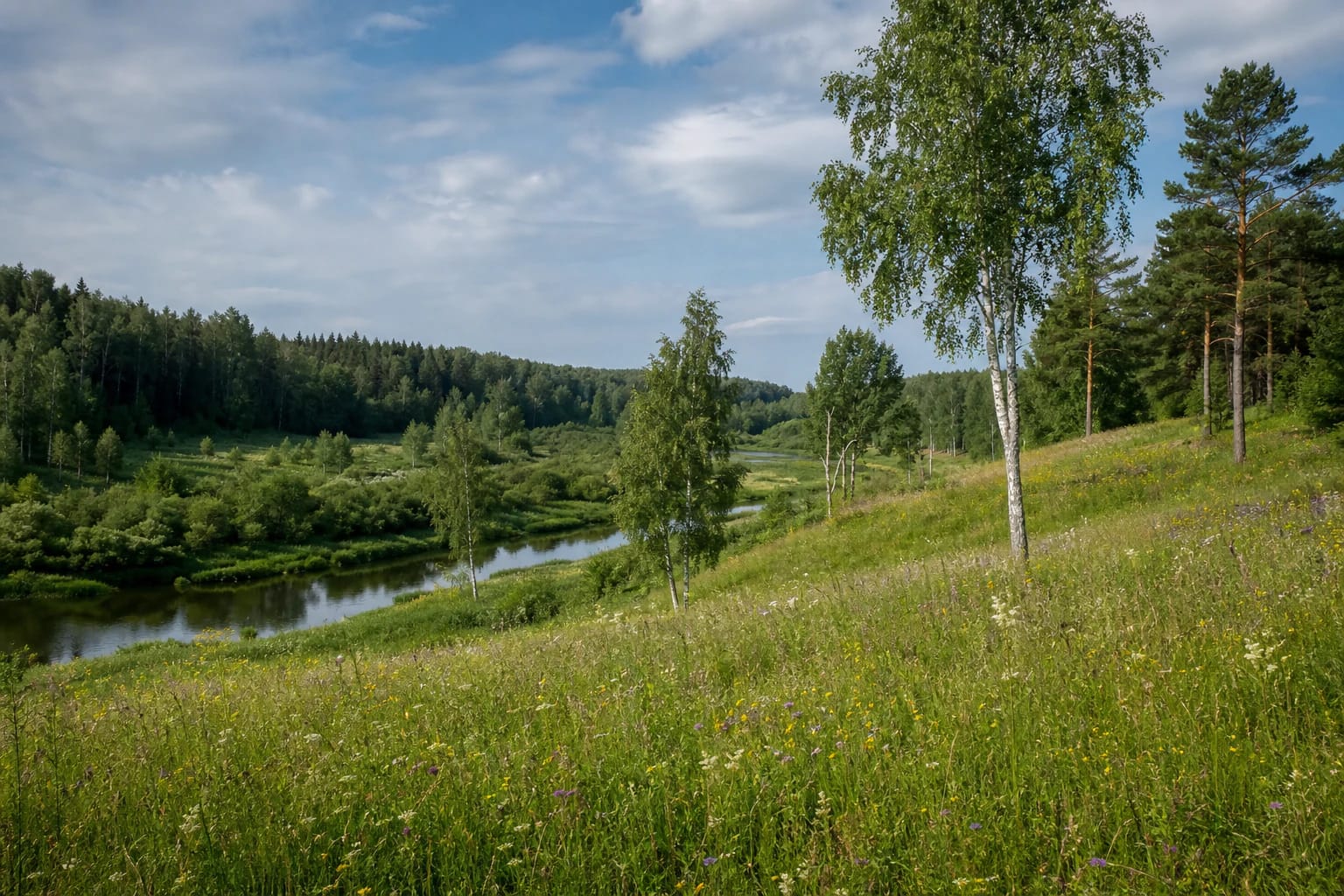
- Place
- Upninkai Eldership, Jonava District Municipality
- Region
- Aukštaitija
- Type
- state botanical reserve in the Šventoji River valley
- Address
- Around Upninkai, Jonava District
- Coordinates
- 55.08194, 24.53792
- Visit duration
- 1-2 hours for exploring the surroundings when a lawful access route is available
- Best time
- late May to August, when meadow vegetation is at its richest; check conditions before travelling
Upninkai Botanical Reserve
The reserve in the Šventoji valley
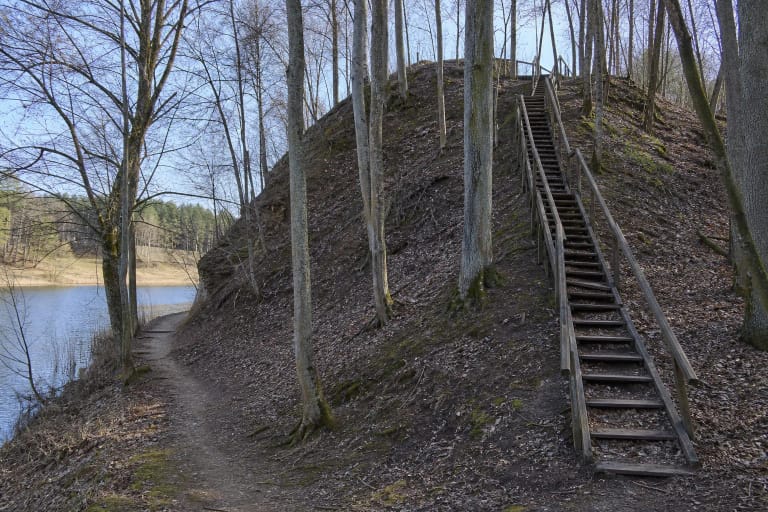
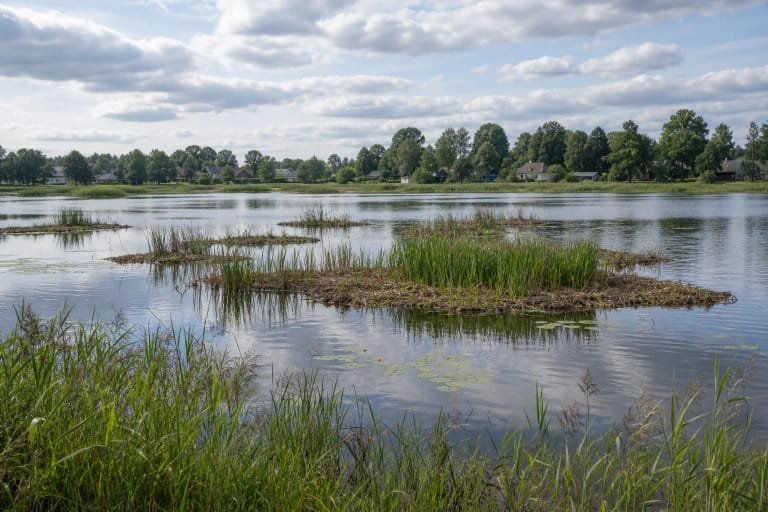
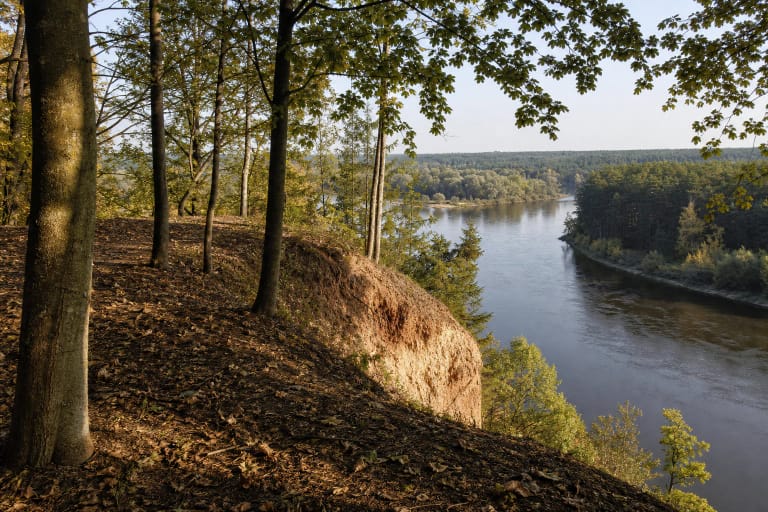
Upninkai State Botanical Reserve lies in Upninkai Eldership, Jonava District, in the Šventoji River valley. It was established on 24 September 1992, and the official Saugoma list gives its area as 105.5 hectares.
The official nature-management plan describes an approximately 106-hectare area near Upninkai whose boundaries coincide with the Natura 2000 site Šventosios upės slėnis ties Upninkais (LTJOA0001). The reserve protects an interconnected complex of valley habitats and species, not just a single scenic viewpoint.
The map point is a representative locality point near Upninkai rather than a reserve gate or official entrance. The broad area has no one confirmed visitor point, so use the coordinate as a planning reference for the surrounding landscape.
Protected meadow and valley habitats
The nature-management plan identifies natural and semi-natural species-rich meadows. The European Community habitats listed there include calcareous sand grasslands (6120), semi-natural dry grasslands (6210), eutrophic tall-herb communities (6430), alluvial meadows (6450), and lowland hay meadows (6510).
These habitats depend on an open valley regime. The plan says that reduced grazing and mowing can allow meadows to become overgrown with trees and shrubs; some former valley meadows were already planted with pines. The reserve's value therefore depends on both natural processes and long-term management.
For a visitor, a meadow is not simply an open picnic area or a place to drive a vehicle. A new access track, fire site, or wheel-rut can damage the habitat that the reserve and Natura 2000 designation are meant to protect.
Habitat for rare plants
The reserve was established to preserve habitats and plant communities of rare species. The nature-management plan highlights steppe-meadow areas with the military orchid (Orchis militaris) and Danish milk-vetch, while dry south-facing places are noted for the cross gentian.
The same plan lists the one-tuber orchid, gladiolus, corn garlic, flesh-coloured and Baltic orchids, as well as the scarce fritillary and the grizzled skipper. These are species documented in the source, not a promise that every visitor will see them on a particular day.
The 2012 plan described the one-tuber orchid population as the only one then known in Lithuania. Keep that historical claim dated, because species distribution and habitat condition should be checked against the latest specialist information.
This is not a landscaped park
Upninkai Botanical Reserve is not a botanic garden or an educational park with a ticket office, visitor centre, and one marked trail. The checked sources do not confirm a permanent car park, toilet, benches, or a separate official visitor trail for the whole territory.
The nature-management plan says that about half of the land is privately owned and the remainder is reserved for restoration of ownership rights. A visit must therefore begin with lawful access and local signs, not with the assumption that every meadow edge is public recreation space.
Visiting responsibly near Upninkai
Plan the surroundings from Upninkai village, but choose a stopping point and approach only where access is permitted. Do not drive into meadows, pass locked gates, or enter private land simply because a reserve boundary appears on a map.
In protected meadows, do not pick plants, dig, search for artefacts, light fires, camp outside designated places, or leave waste. Avoid trampling flowering patches and do not cut new shortcuts through slopes or valley vegetation.
Allow one or two hours for a short landscape visit, wear water-resistant shoes, and bring water. Meadows may be most striking from May to August, but the valley can be wet after rain; check local conditions and choose a route that does not put the habitats at risk.