- Place
- Karklė, Klaipėda District Municipality
- Region
- Seaside Regional Park
- Type
- erosional Baltic Sea coast cliff
- Coordinates
- 55.79800, 21.06700
Olando Kepurė, Great Cliff, Dutchman's Cap
Olando Kepurė: Lithuania's highest seaside cliff
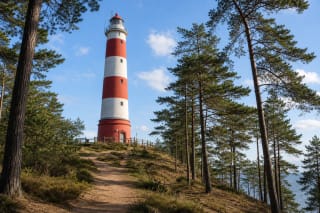
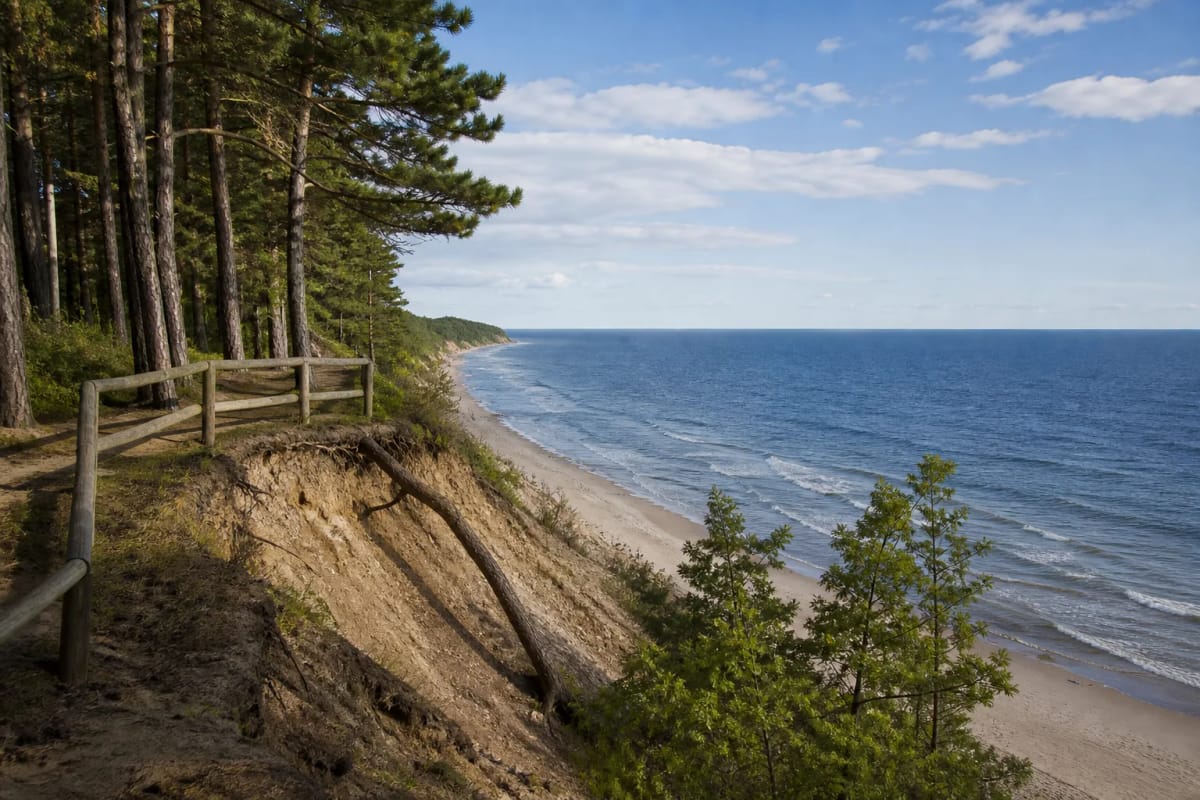
Olando Kepurė is an impressive Baltic Sea cliff near Karklė, about 2 km north of Giruliai in Klaipėda District. VLE identifies it as the highest place on the Lithuanian coast, and the surrounding area belongs to Seaside Regional Park and is protected as Olando Kepurė Landscape Reserve. The cliff extends for about 1 km, so it is not just a point, but a whole section of high coast.
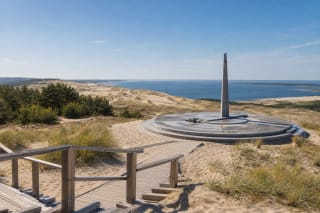
For visitors, Olando Kepurė matters in two ways: from the top opens a wide sea panorama, and the slope itself shows what the Lithuanian coast is made of. Nowhere else on the country's coast is there such a high and steep rocky shore, so the site is useful for both view and geology.
How high is Olando Kepurė
The exact height should be given carefully because sources differ. The Encyclopedia of Lithuania gives about 18 m and calls it the highest point on Lithuania's coast, while the State Service for Protected Areas gives 24 m for the full moraine ridge. Popular sources also repeat a value of 24.4 m.
The most accurate wording is that Olando Kepurė is Lithuania's highest sea-coast cliff, with its height given from about 18 to 24 m depending on measurement and source. The number also changes with nature itself: the shoreline is constantly reshaped by marine erosion.
How the cliff formed
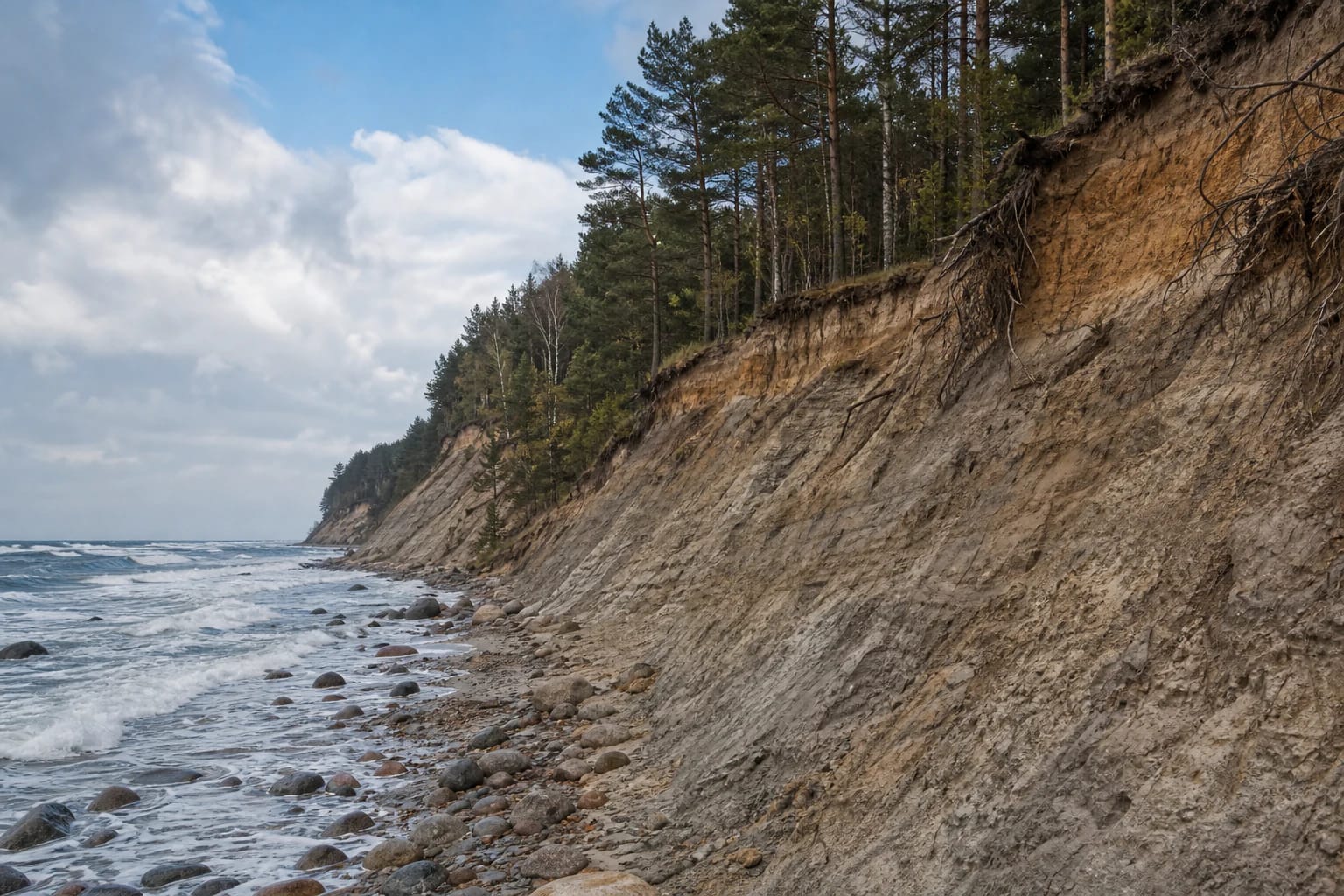
VLE states that Olando Kepurė is an erosional cliff whose slope exposes moraine loam with thin sand layers. These deposits formed during the last glaciation, about 12-15 thousand years ago, as the Baltic glacier retreated. The cliff is therefore not rock in the traditional sense, but a section through deposits carried by ice and exposed by waves.
Waves and groundwater continuously erode the coast. The protected-area service says that the moraine ridge descends toward the sea in a 16-18 m slope and crumbles at roughly 50 cm per year; waves wash gravel and boulders from its foot. Geologist V. Gudelis studied Olando Kepurė, whose constant erosion makes it both beautiful and fragile.
Mammoth bones and newly exposed layers
Olando Kepurė is notable for more than its panorama. The State Service for Protected Areas records three cases in which mammoth bones about 23,000 years old were washed out of the cliff; two finds are kept at the Seaside Regional Park visitor centre.
These finds show that the cliff is not merely a photogenic viewpoint. Waves, groundwater, and wind continually expose old layers of natural history, so observe it from a safe distance and never disturb its slopes.
Name origin and navigation marker
It is thought that the name 'Olando Kepurė' came from the cliff's form: viewed from the sea, the high coast resembled a Dutch sailor's cap. The site long mattered for navigation because the high shore served as a landmark for sailors.
VLE notes that in the early nineteenth century navigation signs were installed here, and from then on the place appeared on maps and nautical charts. Olando Kepurė therefore has both natural and maritime-cultural meaning: it is at once a landscape monument and an old coastal landmark.
Visiting: trails, erosion, and safety
Olando Kepurė is an open natural site without a ticket. It is conveniently reached by Karklė educational and health trails, and the Klaipėda-Palanga seaside bicycle route passes nearby, so it fits easily into a longer coastal route on foot or by bicycle. A short visit takes half an hour; with trails and the beach, plan up to a couple of hours.
With more time, stop at the Seaside Regional Park visitor centre in Karklė. The cliff also combines naturally with Karklė's coast, Kukuliškiai Hillfort, Memel Nord, or a journey toward Palanga.
Safety is the most important rule. The cliff top is continuously eroded and may slide, so take extra care after rain, thaw, or a storm. Use installed paths or stairs to reach the sea, wear practical footwear, and agree on a safe boundary before visiting with children.