- Field
- Lithuanian beekeeping, honey harvest, honey, wax, and bičiulystė tradition
- Type
- traditional craft
- Heritage status
- living tradition
- Context
- honey, beekeeping, Lithuanian beekeeping, honey harvest, nectar flow, apiary, hive, tree hollow, tree beekeeping, bičiulis, wax, propolis, bee bread, honeycomb, Seinai Lazdijai region honey, PDO
Beekeeping, Honey traditions, Lithuanian beekeeping, Bičiulystė tradition
Honey and Beekeeping Traditions forms and objects
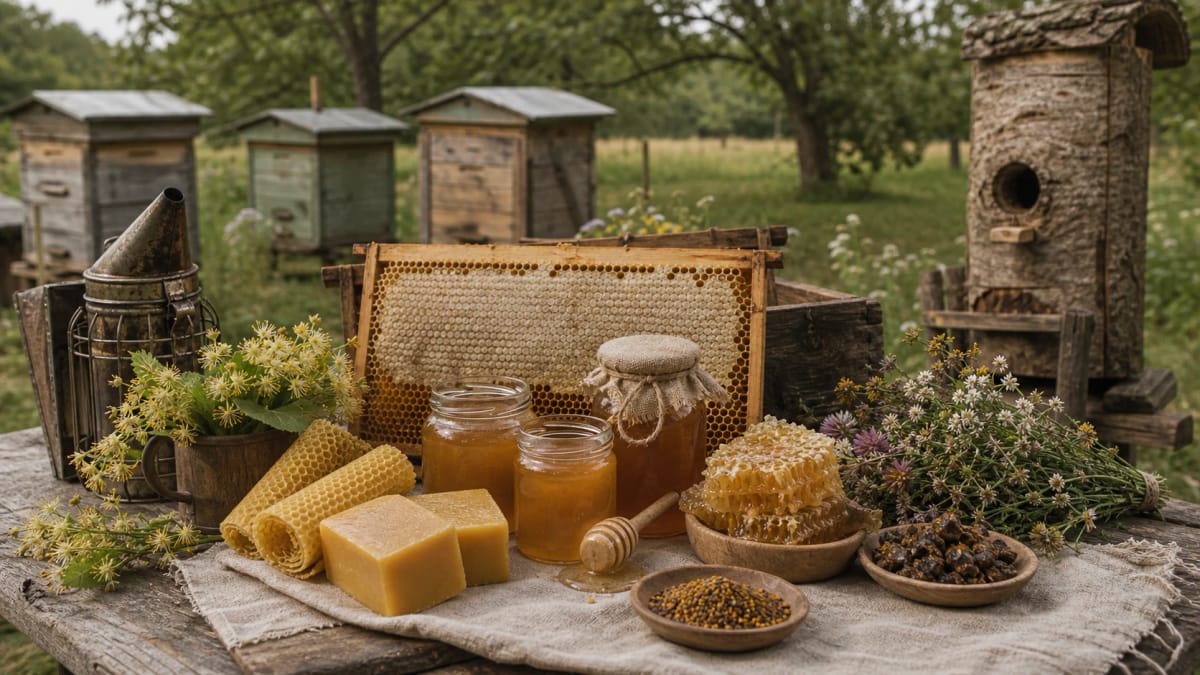
Honey: A product gathered by bees and matured in combs, distinguished by origin, plants, honeydew, color, aroma, and local nectar flow.
Honeycomb and honey harvest: The honeycomb is the structure of honey and wax, while medkopis is the time and work of taking honey.
Wax, propolis, and bee bread: Additional bee products important for candles, household work, national heritage products, and the fullness of a beekeeper's farm.
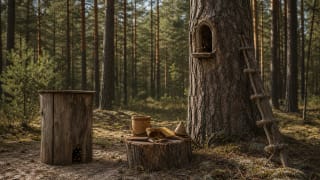
Tree and hive beekeeping: The old forest tree-hollow tradition and later hive beekeeping show different Lithuanian beekeeping technologies.
What are honey and beekeeping traditions?
Honey and beekeeping traditions include keeping bees, hives, tree hollows, honey harvesting, combs, honey, wax, propolis, bee bread, mead making, candle making, and even the language of bičiulystė. This is not just a sweet product but a whole field of relationship between humans and bees.
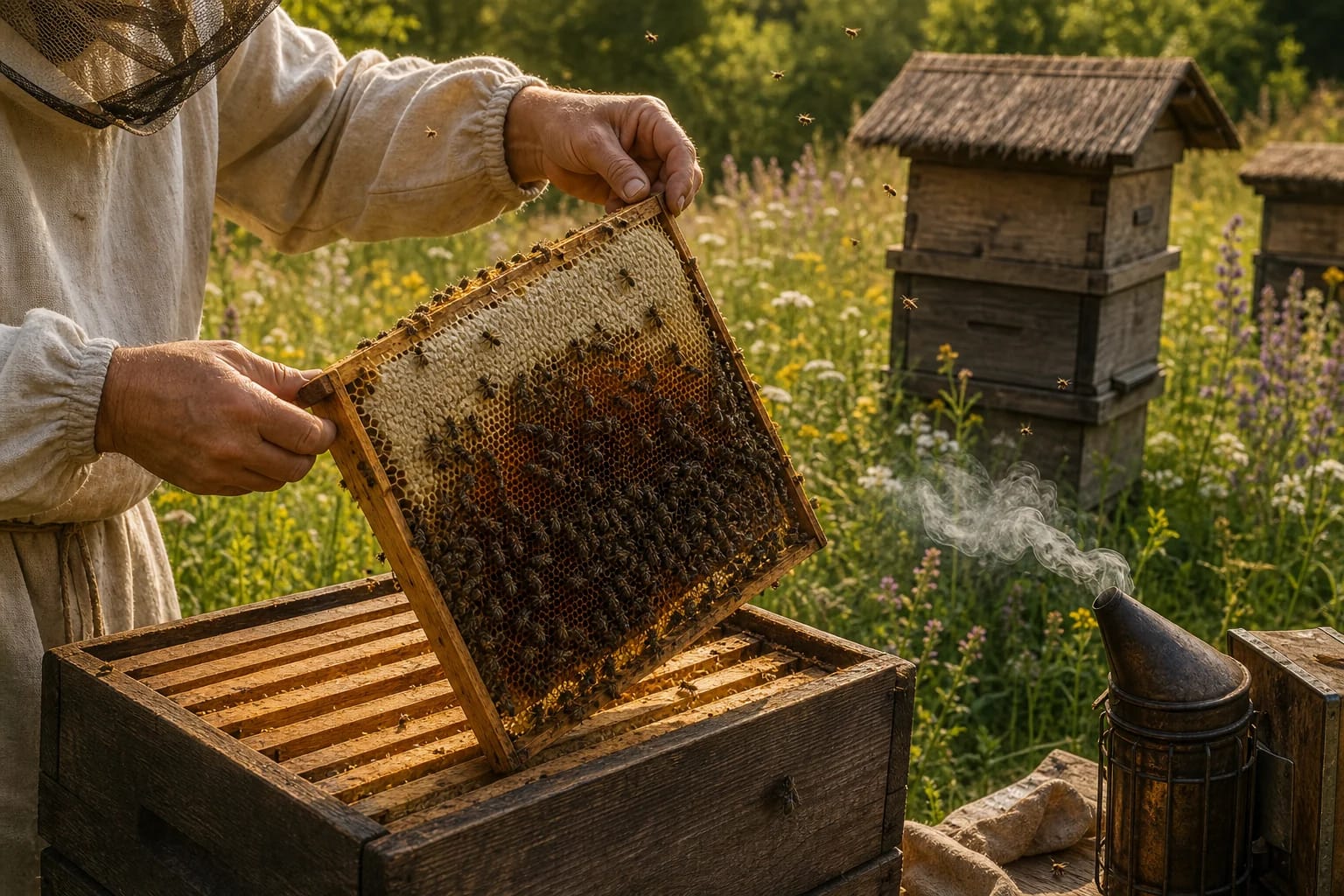
Beekeeping in Lithuania has a long history, from forest tree hollows and log hives to homestead apiaries, modern frame hives, and protected honey names. It joins forest, meadow, orchard, farm, and celebration. In 2021 Lithuania had about 8,950 beekeepers and about 202,000 bee colonies, an average of about 22 colonies per beekeeper, while most apiaries were small, with about 60 percent keeping 5-15 colonies.
The most important thing is to speak precisely: honey is not a medical promise, and beekeeping is not only romantic summer work. It is a responsible craft involving living insects, the natural cycle, and food safety.
Honey and nectar flow
Honey depends on the nectar flow: the plants from which bees gather nectar or honeydew. Linden, buckwheat, meadow, forest, or honeydew honey can differ in color, aroma, flavor, and thickness.
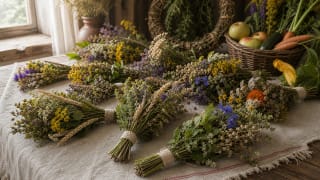
A beekeeper has to know the surroundings: when lindens bloom, when buckwheat blooms, what meadows are nearby, whether there is forest, orchards, rapeseed, and water. Honey is a map of local plants in a jar.
One of the most important beekeeping skills is therefore not only tending the hive but reading the landscape.
Honey harvest
Medkopis is the time and work of taking honey from hives. It depends on season, the needs of the colony, bee condition, weather, and the maturity of honey in combs. Average honey yield in Lithuania is about 30 kg per bee colony, compared with an EU average of about 21 kg, and productivity rose greatly over the twentieth century, from about 2.9 kg per colony in 1912 to about 29.9 kg in 2017.
Honey taken too early can be too moist; taken too late, it may lose convenience or meet other apiary risks. A beekeeper must decide not only by calendar but by the hive.
The honey harvest also has a social layer: family, helpers, bičiuliai, neighbors, sharing honey, and offering it to guests. Honey was rarely only an individual product.
Bičiulystė
The Lithuanian word bičiulis, meaning close friend, arose from the field of beekeeping. It shows that shared bee care and honey sharing could create a special social bond.
Bičiulystė is not only a pretty metaphor. In traditional society bees had value, and keeping them together or sharing swarms, honey, and work created trust.
Today the word remains in everyday language, but its roots remind us how strongly beekeeping shaped social culture.
Tree and hive beekeeping
Tree beekeeping is the older way of keeping forest bees, when bees lived in natural or human-made hollows in trees. In the Varėna region this tradition has been revived and inscribed in the intangible heritage inventory.
Hive beekeeping developed later, when bees were kept near homesteads in log, straw, board, or frame hives. This made care easier but changed the relationship between humans and forest.
Tree beekeeping belongs to the wider beekeeping world, but it also deserves separate attention because it has its own tools, trees, rules, and Varėna-region identity.
Wax, propolis, and other bee products
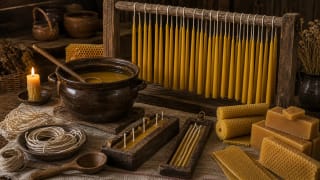
Beekeeping yields more than honey. Wax was important for candles, church and household rites, household work, sealing, and crafts. Beeswax candles have their own cultural history.
Propolis, bee bread, and other products also show the fullness of an apiary. Traditional culture valued them, but today they should not be presented as universal medicines.
Culturally, the most important point is that bee products connect food, light, aroma, craft, and household economy.
Seinų Lazdijų krašto medus
Seinų Lazdijų krašto medus has protected designation of origin status. This shows that honey can be valued not only by taste but also by the reputation of a specific borderland landscape, plants, and production.
It is important not to say that all Lithuanian beekeeping is this protected product. PDO applies to a concrete name and a defined tradition.
A protected honey name helps visitors understand that place is very important in beekeeping: meadows, forests, climate, plants, and human experience form honey.
Links between honey, mead, and candles
Honey is raw material for mead, while wax is raw material for candles. Beekeeping therefore naturally connects with other crafts: mead fermentation, candle pouring, calendar holidays, and the culture of church and household light.
These links help explain why bees mattered for more than food. They gave sweetness, drink, light, scent, exchange value, and social bonds.
A good scheme of beekeeping traditions has to see the whole chain, not only a jar of honey.
Responsibility and safety
Beekeeping requires responsibility toward bees, neighbors, the environment, and consumers. Swarms, diseases, pesticide risk, hive placement, honey storage, and food safety all have to be understood.
Honey should not be presented as medicine. It has cultural, nutritional, and gastronomic value, but health claims must rest on medicine, not folklore.
It is also important to remember that honey is not recommended for infants under one year old. Such practical safety points fit respect for tradition.