- Place
- Visaginas Municipality
- Region
- Aukštaitija
- Type
- Soviet planned atomgrad and city museum
- Address
- Visaginas; museum at Tarybų g. 23, Visaginas
- Coordinates
- 55.59680, 26.43980
Sniečkus, butterfly city
Lithuania's Youngest City
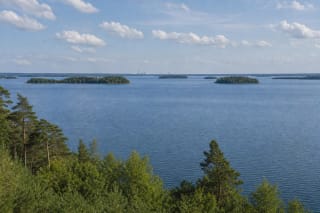
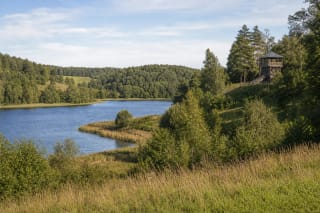
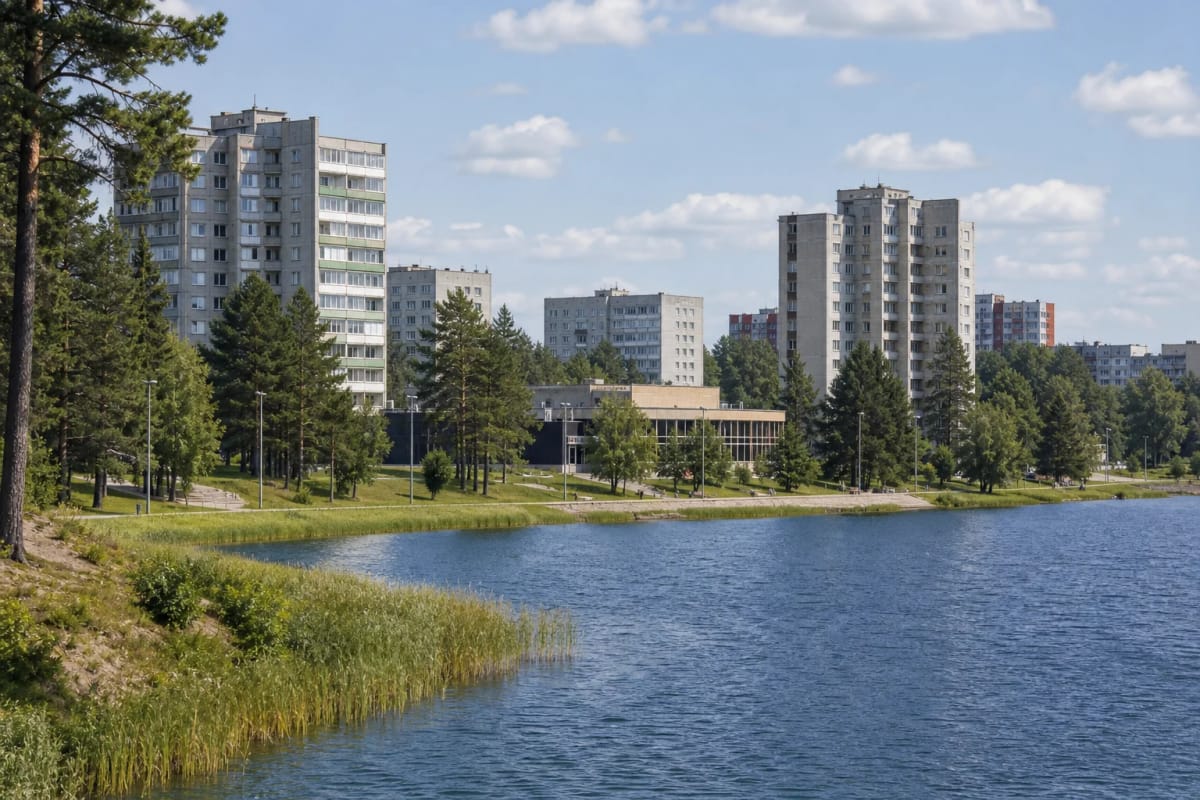
Visaginas is Lithuania's youngest city. Construction began in 1975 as a settlement for builders and workers of the Ignalina Nuclear Power Plant. It rose in a pine forest beside Lake Visaginas and differs from other Lithuanian towns in both history and appearance.
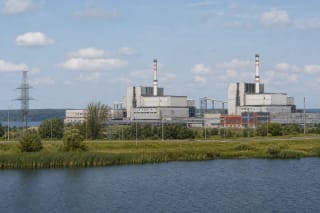
It is important to separate two things: the nuclear power plant itself is a separate site by Lake Drūkšiai, while Visaginas is the city created because of it. This page is about the city and its museum, not about the plant's technical systems.
Atomgrad: Soviet Urban Planning
Visaginas is a rare example of a Soviet planned nuclear city, or atomgrad. From 1977 to 1992 it was called Sniečkus, after Lithuanian Communist Party leader Antanas Sniečkus, and on September 22, 1992, it was renamed Visaginas. From the air, the city was planned in the shape of a butterfly.
Only one wing of the butterfly was built. The second was meant to rise together with reactor blocks that were never completed after construction was halted following the Chernobyl disaster. The city consists of three microdistricts with green courtyards integrated among pines, a characteristic feature of late Soviet urbanism.
A Multiethnic City
Visaginas is Lithuania's most multiethnic city and the only one where the majority's first language is Russian. According to the 2021 census, Russians made up about 47 percent of residents and Lithuanians about 20 percent, while people of more than forty nationalities live in the city.
The population was highest just before the collapse of the USSR, with 32,438 residents in 1989. After the nuclear plant closed, it fell sharply, and the city now has roughly 19,000 residents. Visaginas is also known for festivals, including the music event Visagino Country.
Visaginas City Museum
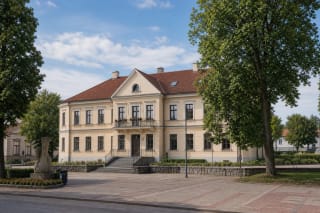
The Visaginas City Museum was established in 2021 and opened to visitors on August 2, 2024, at Tarybų g. 23. More than 300 square metres of exhibition space tell the history of the city and nuclear energy.
The main exhibitions are Mano Visaginas, presenting artists and photographers who worked in the city, and Reakcija į didžiausią pasaulyje branduolinį reaktorių, which uses several stands to tell how the Ignalina Nuclear Power Plant was built in a surprisingly short time and later closed. The museum uses a contemporary, interactive approach.
Visiting
The museum operates on weekdays and on Saturday morning; admission is paid, and a guided visit is recommended, so it is worth arranging your visit in advance. Check exact hours and prices on the official museum page.
A meaningful visit should include the city itself: walk through the microdistricts, the butterfly-plan streets, the founding stone, and the Lake Visaginas shore. The Ignalina Nuclear Power Plant and Lake Drūkšiai are nearby but separate sites.