
Things to do in Lithuania
Things to do in Ignalina
Ignalina is a small town in eastern Aukštaitija and one of the easiest gateways to Aukštaitija National Park, Lithuania's oldest national park: Palūšė's wooden church, the lake panorama from Ladakalnis, Ginučiai Mill, the Stripeikiai Beekeeping Museum, and ethnographic villages.
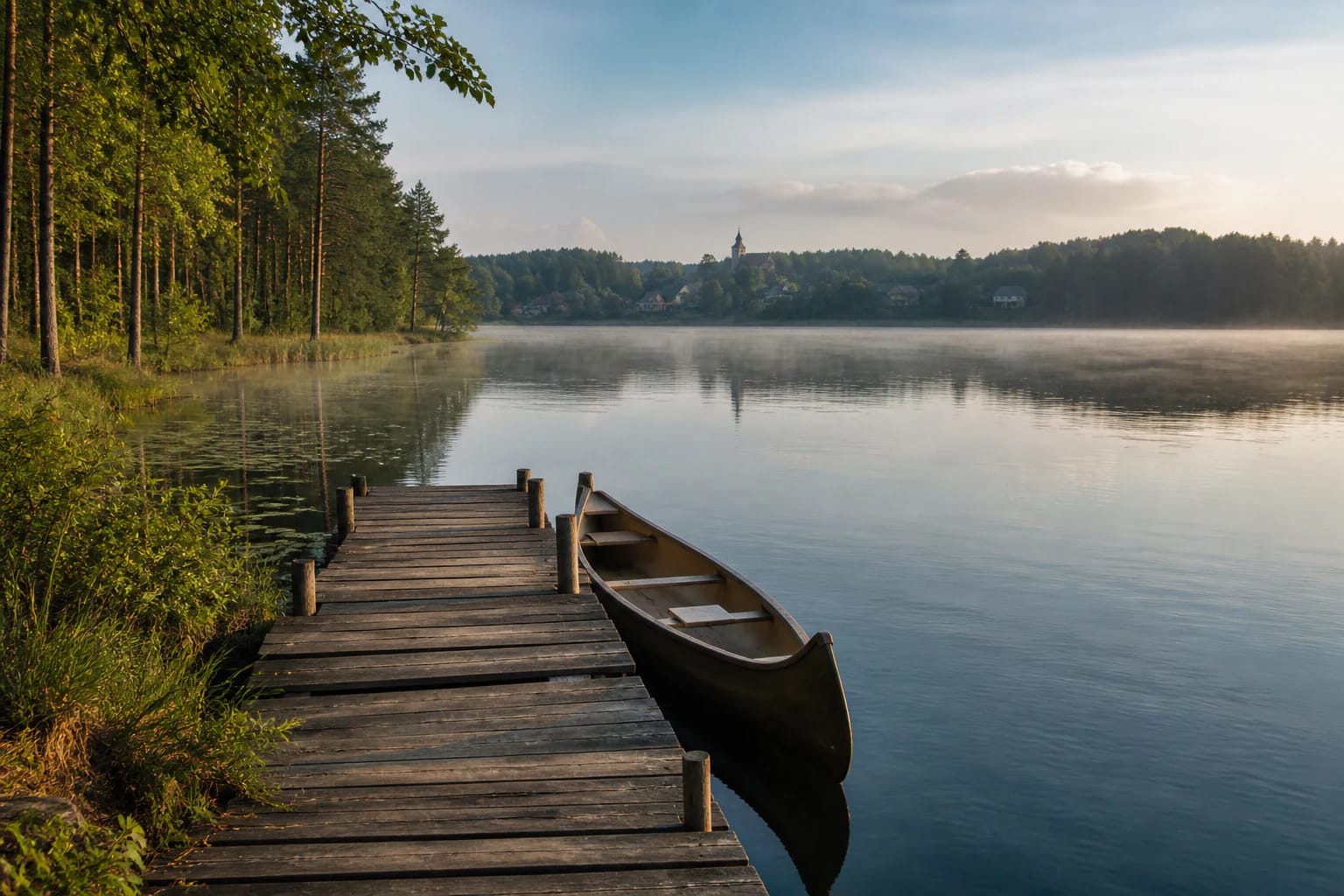
Ignalina
Where to start
Choose a place, compare visiting times or explore the area on the map.
Key places to visit around Ignalina and Aukštaitija National Park:
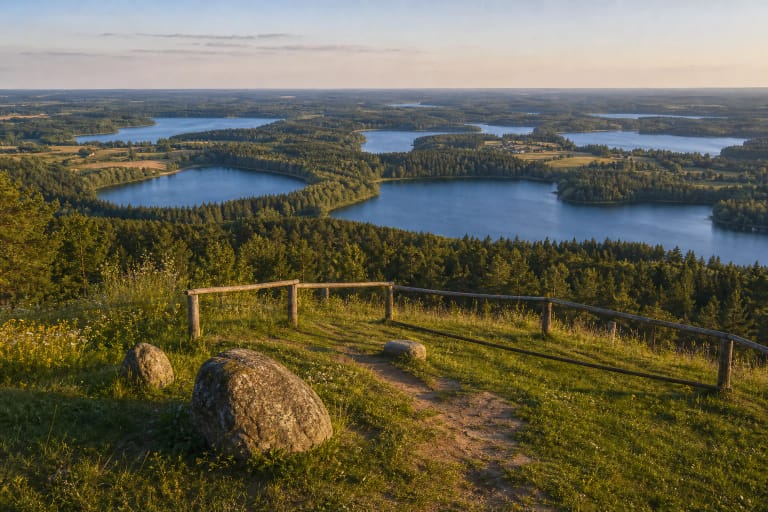
Ladakalnis
Ladakalnis is one of the most memorable viewpoints in Aukštaitija National Park: a 176 m hill on the Šiliniškės Ridge, opening a panorama across a…
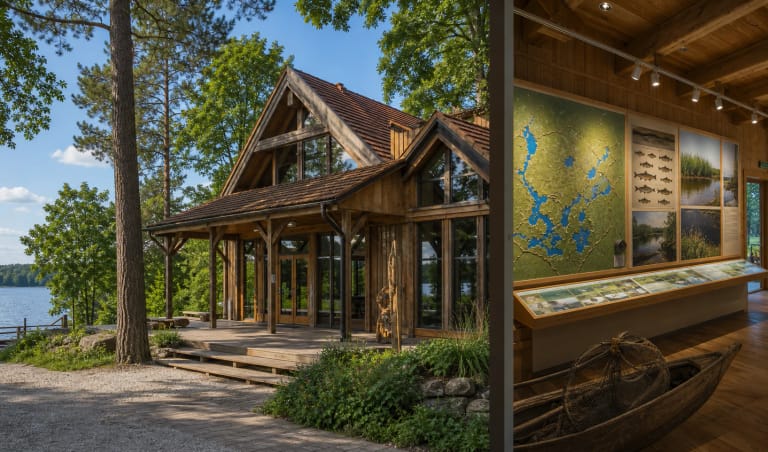
Aukštaitija National Park Visitor Centre in Palūšė
The Aukštaitija National Park Visitor Centre in Palūšė, home to the directorate of Lithuania's oldest national park, helps visitors understand the…
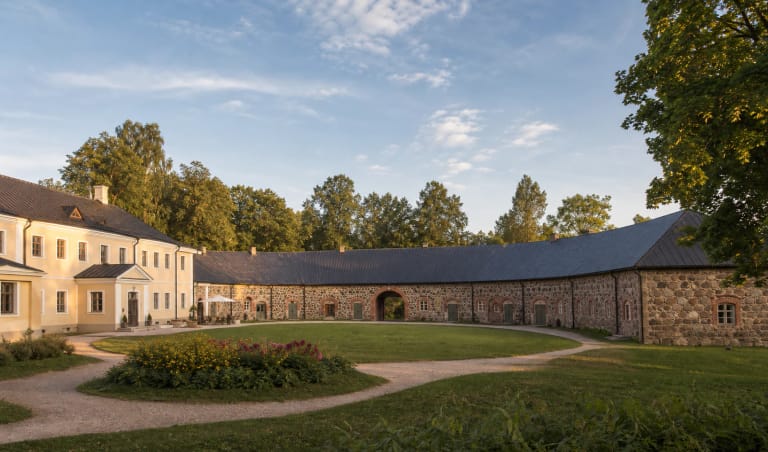
Paliesius Manor
Paliesius Manor in Ignalina District is a restored manor estate of regional significance, with surviving manor buildings, a unique horseshoe-plan…

Šiliniškės Observation Tower
Šiliniškės Observation Tower in Aukštaitija National Park is one of Lithuania's early observation towers: a platform 30 m up in a 60 m…
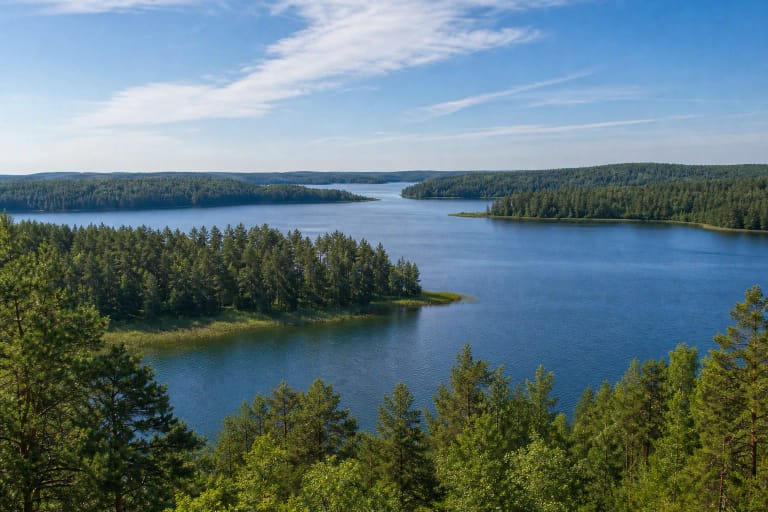
Gražutė Regional Park
Gražutė Regional Park in the Zarasai and Ignalina area protects the lake-filled, forested upper Šventoji landscape with Lakes Luodis, Dūkštas, and…
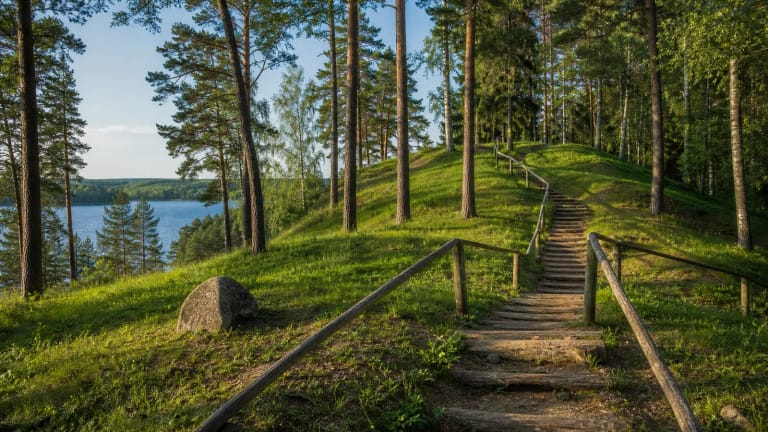
Ginučiai and Papiliakalnė Hillforts
The Ginučiai and Papiliakalnė hillforts in Aukštaitija National Park form one of the strongest historical landscapes in lake-filled Aukštaitija,…
All places in this guide
Places on the mapLadakalnis30-60 minutesAukštaitija National Park Visitor Centre in Palūšė45-90 minutes; longer if you are planning a park route on sitePaliesius Manor45-90 minutes for the setting; longer with a concert or eventŠiliniškės Observation Tower30-60 minutesGražutė Regional Parkhalf a day to a full dayGinučiai and Papiliakalnė Hillforts45 minutes-1.5 hoursGinučiai Watermill30-60 minutes from outside, longer if you book the exhibition visitBaluošas Ilgasalė1-3 hours on a water route, depending on the starting pointVarniškės Oaks15-35 minutesPalūšė Church of St. Joseph20-60 minutes; longer if combined with Palūšė village and Lake LūšiaiBeekeeping Museum in Stripeikiai1-2 hours; longer with an educational activity or family visitLake Drūkšiai2-4 hours for the shore and a viewpointGinučiai Oak Grove30-60 minutes for the grove; half a day with the ridge trailMeironys Ethnographic Villagehalf a day with the educational trail and PalūšėIgnalina Regional Museum1-1.5 hours; allow 1.5-2 hours with a tour, educational session, or temporary exhibitionDidžiasalis Observation Tower20-40 minutes; 2-4 hours with Didžiasalis village and other Sirvėta Regional Park sitesProfessor Adomas Hrebnickis Homestead Museum1-1.5 hours; allow up to 2 hours with a pre-arranged tour and an unhurried walk through the parkIgnas and Lina Monument15-30 minutes; about 1 hour with the Lake Paplovinis shore and footbridgeDūkštas Church of St Stanislaus Kostka30-45 minutes; longer if you combine it with the lakes and museums around DūkštasLinkmenys Holy Trinity Church30-60 minutesPaukščių Kaimas Bird Villageabout 1.5-2 hours for an educational programme; agree the length of an individual visit with the hostsPalūšė Beach1-3 hours for swimming and rest; half a day with a Palūšė and Meironys walkPuziniškis Oak30-60 minutes; longer if combined with the P6 walking routeMedžiukalnis Spring15-30 minutesParagiškės Hillfort with Outer Bailey30-60 minutes for the hillfort platform, outer bailey, and approach from ParagiškėMeironys Nature Trail2-4 hours, depending on the chosen 3.7 km, 5 km, or 5.5 km loop and your stopsLake Baluošas2-5 hours; longer if you combine the lake with a water route, ethnographic villages, or park sightsLake Parsvėtas1-2 hours, for a short waterside stop or combined with sights around DūkštasIgnalina Town Beach2-4 hours for the beach and swimming; half a day with an Ignalina town or Aukštaitija routeAlmajo Campsite2-4 hours for a day stop; longer for a tent stayLinkmeno Campsite2-4 hours for a day stop; longer for a tent stay or lake paddleGaveikėnai Campsite2-4 hours for a day stop; longer for a tent stay or a Lake Dringis paddleVaišniūnai Campsite2-4 hours for a day stop; longer for a tent stay or extended time on the waterRimšė Holy Trinity Church30-60 minutes for the church; longer when combined with Rimšė's surroundingsŠvedriškė Church of St John the Baptist30-60 minutes for the church; longer when combined with Lake AzvintisKazitiškis Church of St Stanislaus the Bishop30-45 minutes; longer if combined with an Aukštaitija itineraryIgnalina Church of the Nativity of the Blessed Virgin Mary30-60 minutes; longer if the church is open and you want to see the interior
About this area
Ignalina is a small town in eastern Aukštaitija, in Utena County, and a practical gateway to Aukštaitija National Park, the oldest national park in Lithuania. Around Ignalina lie dozens of lakes, while the heart of the park is nearby in Palūšė village: one of Lithuania's best-known wooden churches, the park visitor centre, and routes through lakes and forests toward Ladakalnis, Ginučiai, and Stripeikiai. This is a region for water travel, panoramas, and slow encounters with Aukštaitija village culture.
Ignalina and Aukštaitija National Park
Ignalina lies in Utena County, in eastern Aukštaitija, in a lake-filled and forested part of Lithuania. The town grew beside the Saint Petersburg-Warsaw railway built in the nineteenth century, so it is relatively young; for travellers, its importance is mostly tied to nearby Aukštaitija National Park. The park was established on March 29, 1974, and is the oldest national park in Lithuania.
Aukštaitija National Park stretches across the meeting point of Ignalina, Utena, and Švenčionys districts. VLE gives its area as 41,056 ha, with 127 lakes inside the territory; about 65 percent of the park is forest and 15 percent is water. Because of that mosaic of lakes and woods, the region is often called a lake district, and Ignalina becomes a convenient base for understanding it.
Palūšė, the heart of the park
A few kilometres from Ignalina, beside Lake Lūšiai, stands Palūšė village, one of the park's most recognizable places. Here you find the wooden Church of St Joseph, built in 1757, with a separate octagonal bell tower; it is among the best-known folk-architecture monuments in the park. The Aukštaitija National Park Visitor Centre is nearby, with the exhibition "Lake Districts".
Palūšė is the best place to begin a route. At the visitor centre you can check trails, seasonal conditions, and water-tourism options. The exhibition explains not only nature but also fishing, timber rafting, and older work traditions, so after seeing it the lakes read not just as scenery but as the living space that shaped the region.
Ladakalnis and lake panoramas
The park's most popular viewpoint is Ladakalnis, a 176 m hill on the Šiliniškės Ridge. Saugoma.lt states that six lakes can be seen from it: Ūkojas, Linkmenas, Pakasas, Asėkas, Alksnaitis, and Alksnas. This is the place that best explains why the Aukštaitija landscape is associated with a lake district: from one point you see an entire system of water, islands, and forests.
The park's waters also hold records. Tauragnas, 512 ha, is Lithuania's deepest lake, while Kretuonas, 829 ha, is the largest lake inside the park. Baluošas is exceptional because Ilgasalė island contains a small lakelet of its own. These lakes form a network of water routes that can be explored by kayak or boat.
Ginučiai, Stripeikiai, and ethnography
Aukštaitija National Park protects not only nature but also village and craft heritage. In Ginučiai, visit the old watermill and the Ginučiai hillfort; in Stripeikiai, the Ancient Beekeeping Museum explains old tree-hive and hive beekeeping. These stops show that the lake country was also a landscape of work and everyday life.
The park has preserved ethnographic villages with traditional wooden architecture: farmsteads, granaries, bathhouses, and village plans are valued here alongside forests and water. When visiting them, respect private spaces and use public paths. In the timber joints, roof shapes, and small details of the buildings, you can read the older building tradition of Aukštaitija.
Practical tips: getting there and when to go
Ignalina is easy to reach by train on the Vilnius-Turmantas line, so you can arrive without a car. For travel through the national park, especially to Ladakalnis, Ginučiai, or Stripeikiai, a car or bicycle is still useful because the sights are spread across a broad lake landscape.
The best season is May to October: summer suits swimming and water routes, while autumn gives strong lake and forest colour. In winter, Ignalina is also known as a winter-sports area. Check the current opening hours and prices of the visitor centre, museums, and other sites in official park sources, because they change by season.
Ignalina: frequently asked questions
Where is Ignalina?
Ignalina is in Utena County, in eastern Aukštaitija, in a lake-filled and forested region. It is a convenient base for travelling through Aukštaitija National Park.
Why is Ignalina considered a gateway to Aukštaitija National Park?
Aukštaitija National Park, the oldest in Lithuania, begins close to Ignalina, and its visitor centre and directorate are in nearby Palūšė. From Ignalina it is easy to reach the park's lakes, viewpoints, and ethnographic villages.
What is Palūšė?
Palūšė is a village by Lake Lūšiai with the famous 1757 wooden Church of St Joseph and an octagonal bell tower. It also has the Aukštaitija National Park Visitor Centre with the "Lake Districts" exhibition.
What can you see from Ladakalnis?
From 176 m Ladakalnis you can see six lakes: Ūkojas, Linkmenas, Pakasas, Asėkas, Alksnaitis, and Alksnas. It is the park's most popular viewpoint.
How many lakes are in Aukštaitija National Park, and which is the deepest?
The park has 127 lakes. Lithuania's deepest lake, Tauragnas, and the park's largest lake, Kretuonas, both lie within the national park.
Is the Ignalina Nuclear Power Plant in Ignalina?
No. Despite the name, the closed Ignalina Nuclear Power Plant is by Lake Drūkšiai near Visaginas, not in Ignalina town.
How do you get to Ignalina?
The easiest way is by train on the Vilnius-Turmantas railway, which stops in Ignalina, or by car. For travelling around the park, a car or bicycle is useful.
When is the best time to visit the Ignalina area?
May to October is best: summer suits swimming and water routes, while autumn brings lake and forest colours. In winter, the area is also known for winter sports.
Do you have to pay to visit Ignalina and the park?
Lake shores, viewpoints, and village roads are generally open. Visitor centres, museums, and exhibitions have opening hours and may charge fees, so check official park sources before travelling.
Ignalina: what else to see
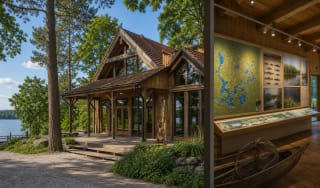
Aukštaitija National Park Visitor Centre in Palūšė
The best starting point for the park, with the Lake Districts exhibition and route information.
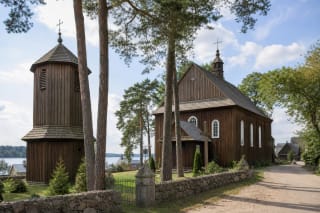
Palūšė Church of St Joseph
A 1757 wooden church with a separate octagonal bell tower, one of the park's most recognizable sacred places.
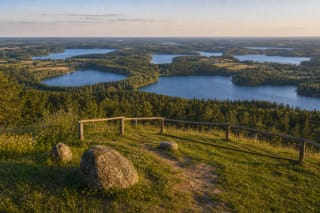
Ladakalnis
The park's most popular viewpoint on the Šiliniškės Ridge, with six lakes visible.
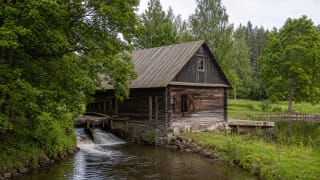
Ginučiai Watermill
A traditional watermill and village-history stop deep inside the national park.
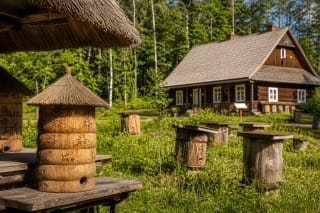
Beekeeping Museum in Stripeikiai
A museum of old beekeeping traditions, including tree-hive and hive beekeeping in Aukštaitija.