- Place
- Tauragė District Municipality
- Region
- Tauragė Region
- Type
- branch of Tauragė Regional Museum Santaka in a historic district office
- Address
- 24 Tauragės Street, Skaudvilė
- Coordinates
- 55.40552, 22.57421
- Visit duration
- 45-75 minutes; add one hour for a town tour
- Best time
- on a weekday or after arranging a Saturday visit
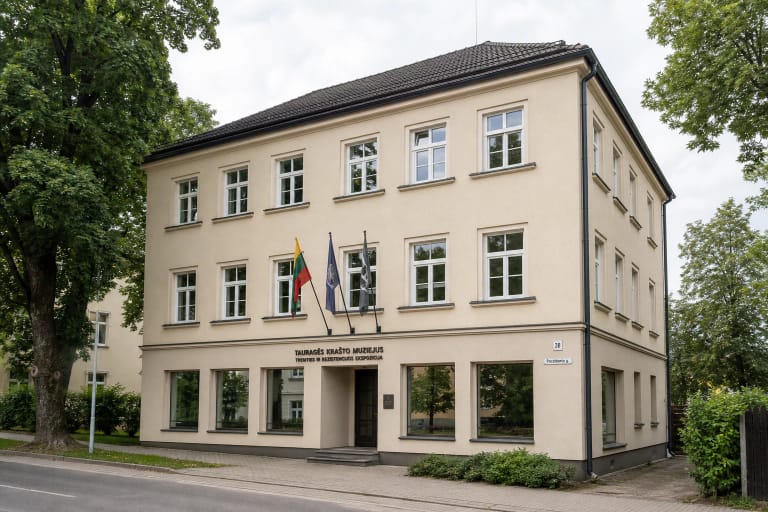
Skaudvilė Museum
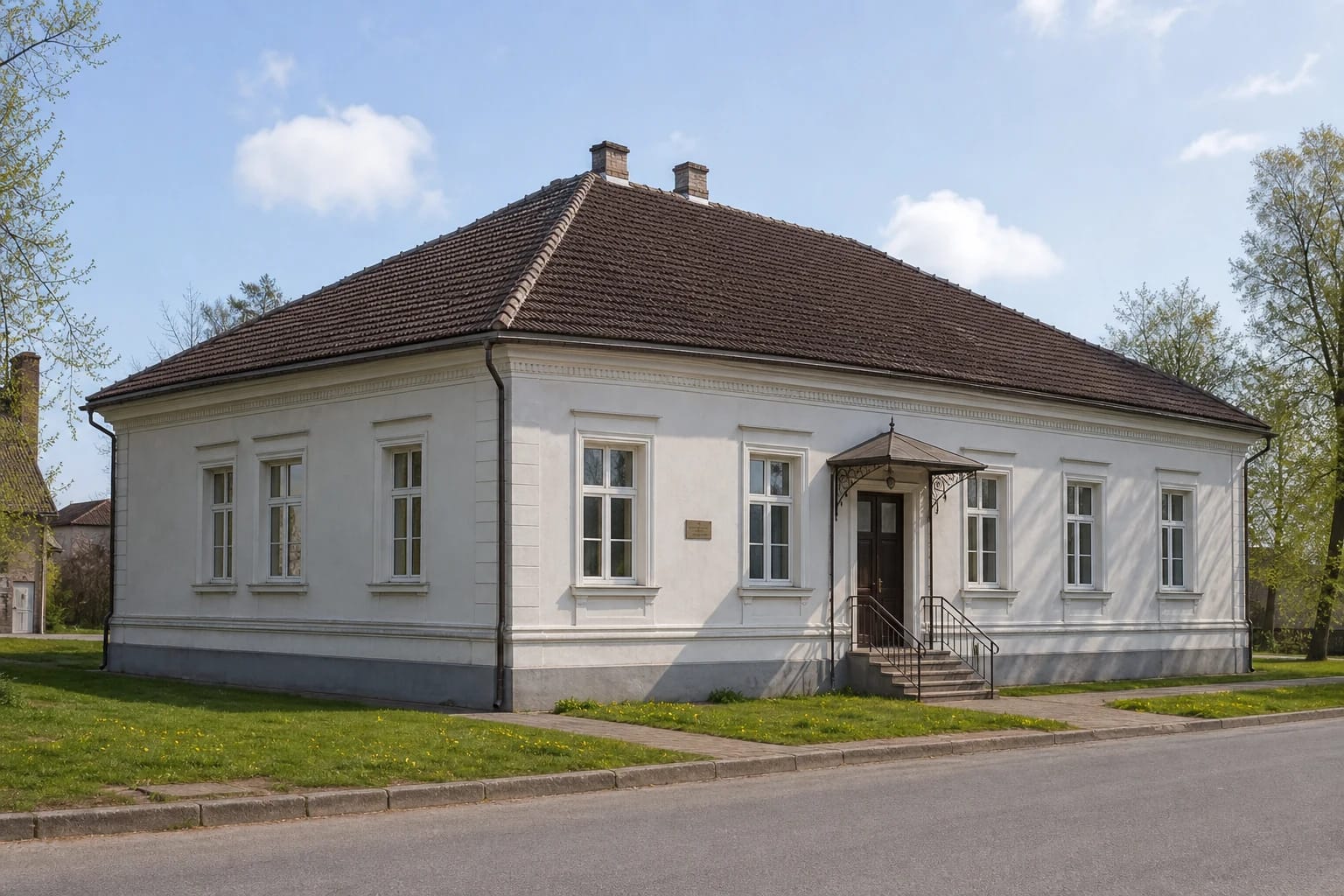
A museum in a district office built in 1900
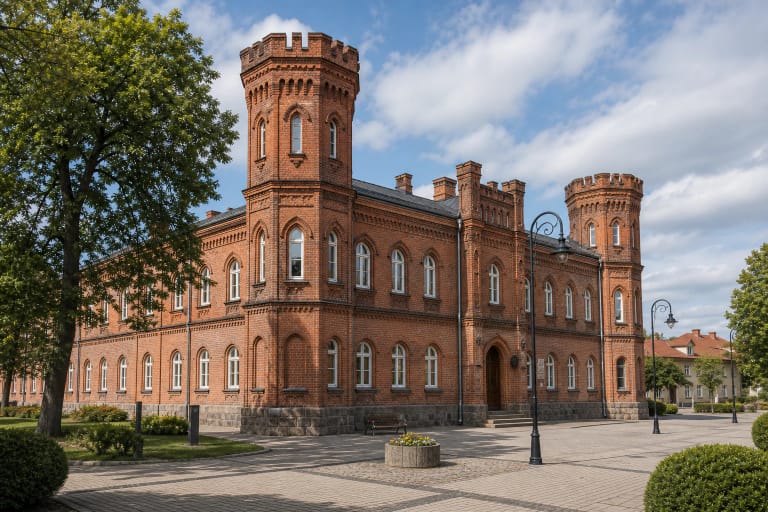
The building began as the Skaudvilė district administration. A recreated secretary's office explains how local affairs, documents and everyday bureaucracy were managed here.
In the twentieth century it also served as an NKVD headquarters and prison. That documented history of repression means the architecture cannot be separated from the violence experienced by people inside.
From archaeology to local craftsmanship
The history rooms present archaeological and Second World War finds, old documents, photographs and publications. They let visitors read the town's development through objects rather than dates alone.
Ethnography, medicine and crafts reveal everyday life. Work by craftspeople associated with Skaudvilė and tools from the old pharmacy give the collection a distinctly local character.
From a collection founded in 1977 to the museum opened in 2019
Local historian Dainotas Habdangas founded the Skaudvilė museum in 1977. Its current chapter began in 2019, when the collections opened in the restored former district office. The display therefore represents both decades of local collecting and the considered reuse of a historic building.
Before becoming a museum, the building hosted early Lithuanian cultural evenings, medical care and practical services, and later a police station. These changing functions allow one address to tell much of Skaudvilė's twentieth-century civic history.
Skaudvilė markets and the town's radial street plan
Tuesday markets held from 1862 became some of the largest in Samogitia. The mid-nineteenth-century Tilsit-Riga road stimulated trade, population growth and the radial street plan that still shapes Skaudvilė. In the interwar period, horses, cattle and pigs were sold in separate market areas.
Scales, craft tools and goods in the museum make that commercial history tangible. Local Žemaitukas horses are an especially revealing story: the small, strong animals were exported for work in foreign coal mines, showing how a small town participated in international trade.
The museum and a guided Skaudvilė walk
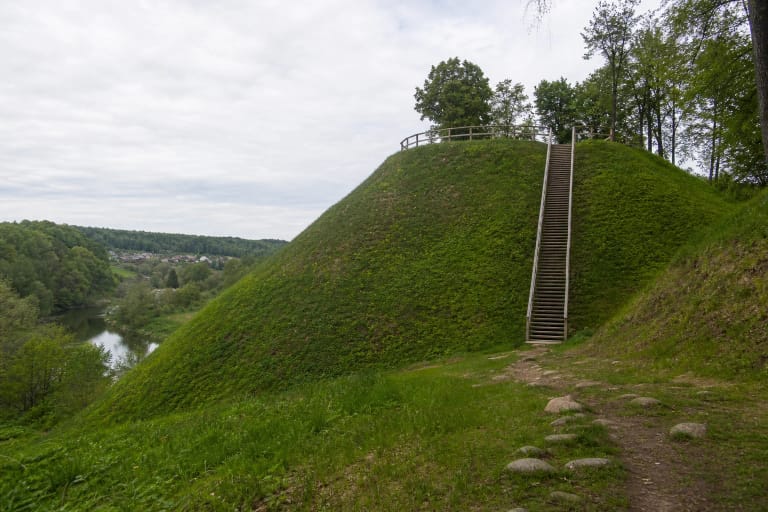
The museum also offers a town tour of about one hour. It connects the former district office with the street plan, sacred heritage and archaeological landscape.
Book the walk in advance. Group size and route can change, so discuss pace and access needs before arrival.
Opening hours and tickets
In July 2026 the museum listed Monday-Thursday 8:00-17:00 and Friday 9:00-15:45, with lunch from 12:00 to 12:45. Saturday visits required advance arrangement.
Adult admission was EUR 3, reduced admission EUR 2, and a museum guide for up to 25 people EUR 10 plus tickets. Verify current prices and holiday closures officially.