- Place
- Šeduva, Radviliškis District Municipality
- Region
- Šeduva, Radviliškis District
- Type
- Jewish history and Holocaust memory museum with a memorial park
- Address
- Žvejų g. 14, Šeduva, Radviliškis District
- Coordinates
- 55.74716, 23.77191
Dingęs štetlas, Lost Shtetl, Šeduva Jewish History Museum
Lost Shtetl: the Baltic states' largest shtetl-history museum
The Šeduva Jewish History Museum Lost Shtetl opened to the public on September 20, 2025, in the small town of Šeduva in Radviliškis District. According to official museum information, it is the largest museum in the Baltic states dedicated to the culture and history of shtetls, the small towns with significant Jewish communities. It is rooted in one specific place: it tells the story of Šeduva's Jews, but through their fate it opens the wider lost world of Lithuanian shtetls.
The museum grew out of a broader Šeduva Jewish memory project funded and implemented by the international charity fund YouthAid. Even before the building opened, the old Jewish cemetery had been restored, monuments were placed at massacre sites, and sculptures were installed in the town. The museum is therefore not a stand-alone building, but the core of a larger memorial complex.
Architecture and creators
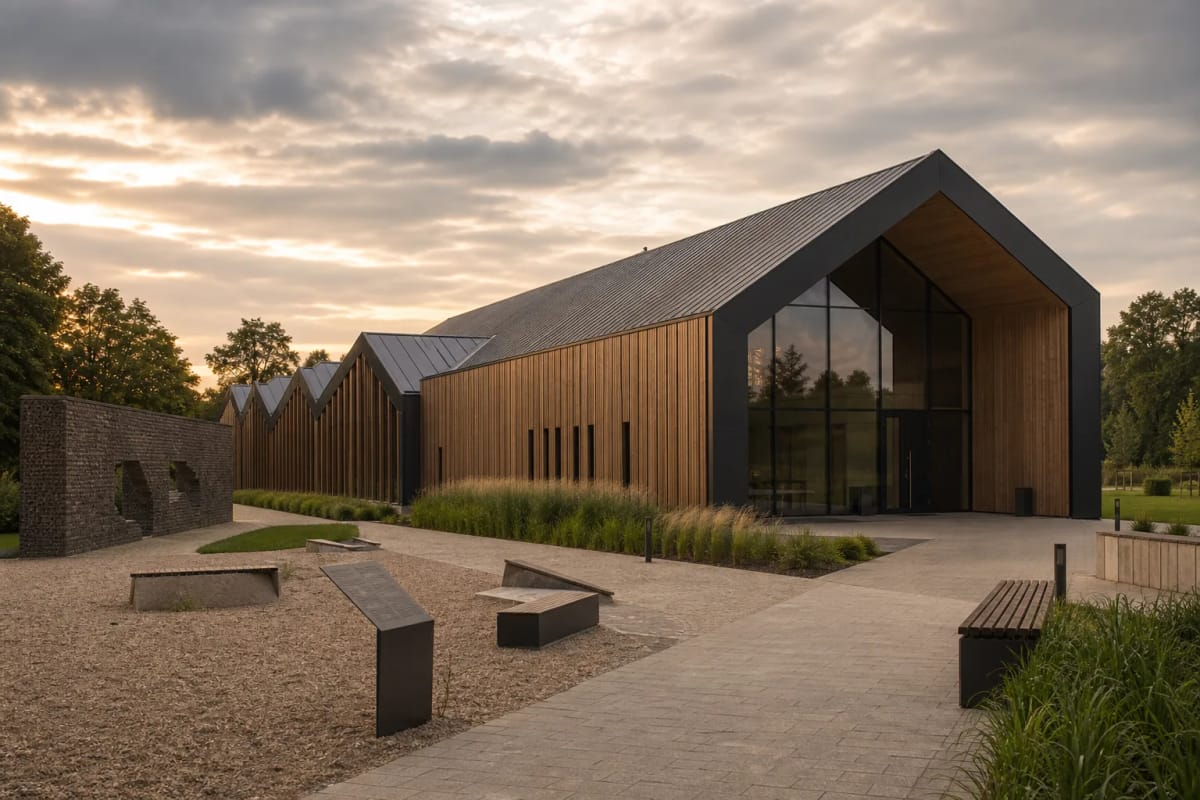
The museum building was designed by Finnish architect Rainer Mahlamäki and the firm Lahdelma & Mahlamäki. The same architect designed the POLIN Museum of the History of Polish Jews in Warsaw, placing the Šeduva museum within an international tradition of Jewish memory architecture. The building reinterprets the silhouettes of traditional shtetl houses and roofs, with a synagogue-roof motif at the centre of the composition.
The permanent exhibition was created by an international team. Exhibition design was prepared by Ralph Appelbaum Associates, a firm also associated with the United States Holocaust Memorial Museum, while the memorial park with more than two hundred local trees was conceived by landscape architects Enea. Exact figures for the building size and interior areas should be checked on the official website, because public sources give them inconsistently.
The exhibition: from interwar shtetl to Holocaust
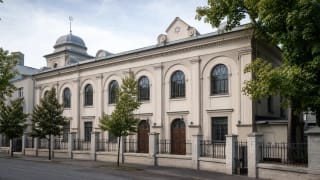
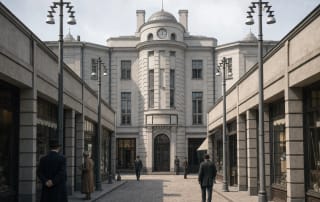
The exhibition tells the story of three periods: everyday life in the interwar shtetl, the Second World War and the Holocaust, and the first postwar decade. Visitors pass through several thematic galleries. One of the largest recreates the town's Market Square with a multimedia model of Šeduva, while a separate space recalling a synagogue is devoted to the community's religious and spiritual life. The story is built around specific people, objects, and photographs rather than abstract statistics.
The most painful section tells of the destruction of Šeduva's Jews. The town's Jewish community was murdered in nearby forests in the summer of 1941. Sources give different victim numbers, so the figure is presented cautiously as approximate. The museum connects this local tragedy with the fate of nearly the entire Lithuanian Jewish community, making Šeduva a window into a wider loss.
The memorial complex: cemetery, forest monuments, and sculptures
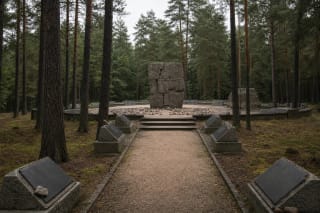
The restored old Jewish cemetery of Šeduva stands beside the museum. Fragments of tombstones are gathered and displayed there, and the memorial focus is shaped as a Star of David. The cemetery restoration received an international heritage award. It helps visitors understand that the Jewish community lived in Šeduva for centuries and was not a temporary part of the town.
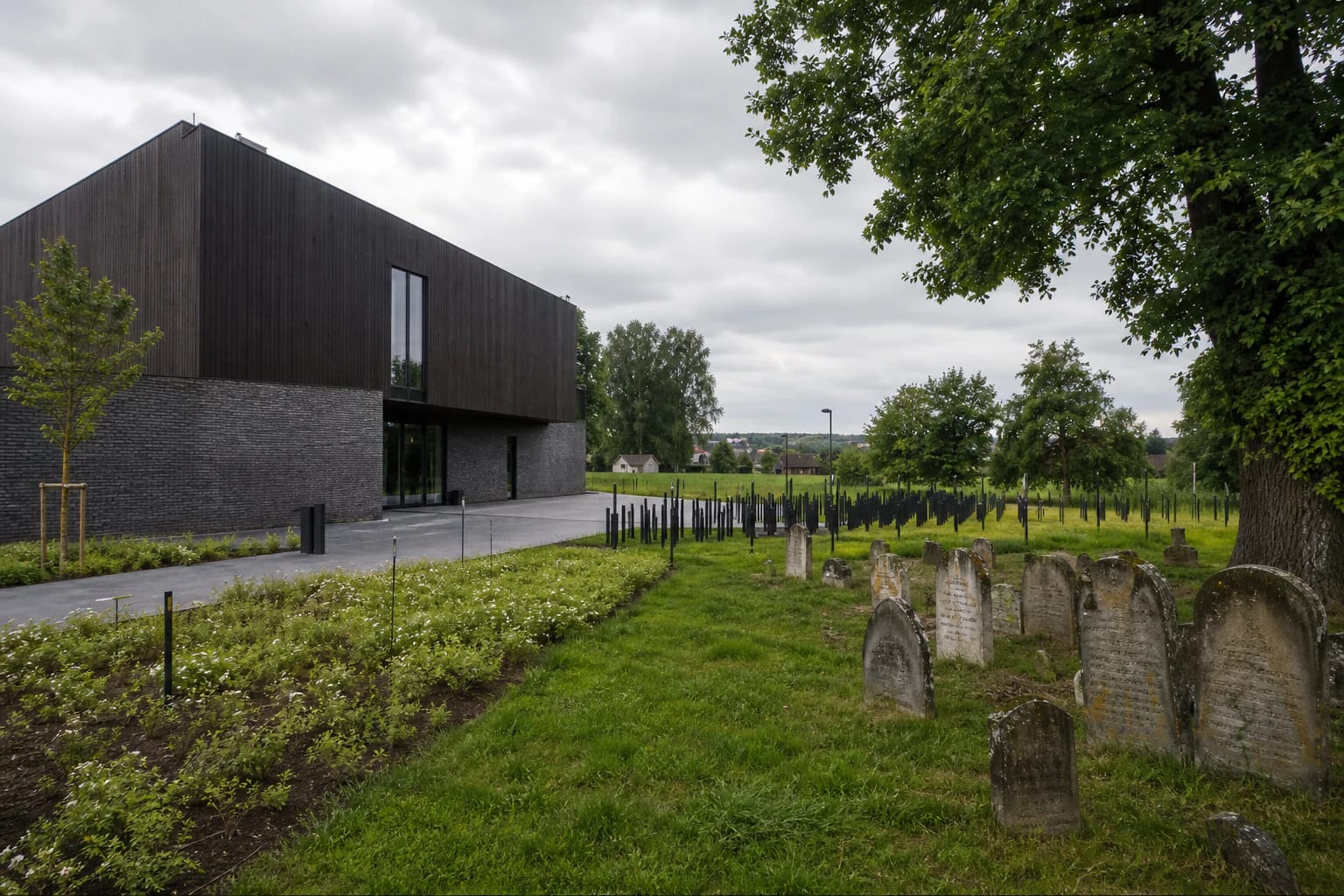
The complex also includes monuments at the 1941 killing sites in the surrounding forests and sculptures in Šeduva itself. Among them are works by sculptor Romualdas Kvintas and a sculpture of a girl in the town square. If you want to understand the whole site, allow time not only for the indoor museum but also for the outdoor memory places, because they show where shtetl life actually unfolded and ended.
Visiting: hours, tickets, and access
The museum is on Žvejų Street, on the southeastern edge of Šeduva, beside the old Jewish cemetery. During research, the official website stated that the museum was open Tuesday to Sunday from 10:00 to 18:00, closed on Mondays and public holidays, and that last admission was one hour before closing. The recommended visit time is about 3-4 hours.
During research, individual admission and guided tours were free. Visitors were advised to reserve an individual time slot in advance, while the free guided tours listed at 10:00, 12:00, 14:00, and 16:00 required registration. Visitors could also explore at their own pace with an audio guide. This arrangement may change, so check the official museum website before travel. Šeduva is easily reached from Via Baltica, on the route between Kaunas and Šiauliai.