- Place
- Pagėgiai Municipality
- Region
- Lithuania Minor
- Type
- historic Nemunas bridge and border landmark
- Address
- Panemunė, Pagėgių sav. (Nemuno tiltas į Sovetską)
- Coordinates
- 55.08490, 21.90730
Louise Bridge, Königin-Luise-Brücke, Tilsit Bridge
Queen Louise Bridge: the Nemunas gateway to Tilsit
Queen Louise Bridge over the Nemunas connects Panemunė with the city on the opposite bank, known in the German period as Tilsit and since 1946 as Sovetsk. It is one of the best-known structures of Lithuania Minor and also a landmark on the border between Lithuania and Russia's Kaliningrad Region.
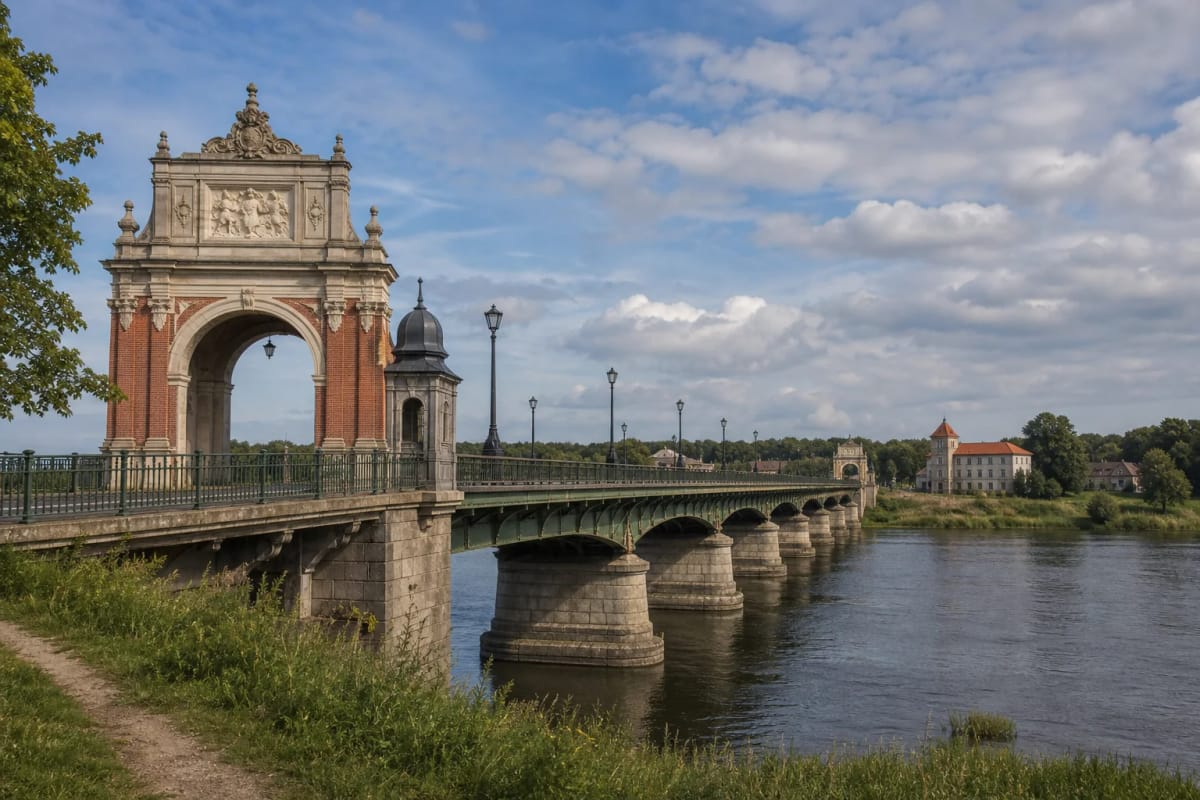
Panemunė, from which the bridge is easiest to view, is Lithuania's smallest town. Most of the bridge lies on the other side of the Nemunas, so the Lithuanian bank gives the best view of it, especially the ornate portal with the queen's image.
A bridge named for a queen
The bridge was ceremonially opened on 18 October 1907. Its opening coincided with the centenary of Prussian Queen Louise's visit to Tilsit, which is why the bridge was named after her. The Lithuania Minor Encyclopedia notes that efforts for a permanent bridge began around 1902, and that press figure Martynas Jankus initiated one petition to the authorities.
The structure was 416 m long, with several arches and a movable section for ships. On the left, Tilsit, bank stood a decorative portal with city and state insignia and a bronze bas-relief of Queen Louise, above which was the inscription Königin Luise Brücke. After the First World War, when the Klaipėda Region joined Lithuania, the state border ran through the middle of the bridge.
War, reconstruction, and the border
The bridge did not avoid the dramas of the twentieth century. In 1944, retreating German troops blew it up, and the metal structures fell into the Nemunas. Temporary bridges were built after the war, and the present bridge was constructed in 1965 on the old site. Only the southern portal survived from the original structure.
Queen Louise's image was replaced in Soviet times, but the bas-relief was later restored in the early twenty-first century. Today the bridge is an operating international border crossing between Lithuania and Russia's Kaliningrad Region, so it retains both historical and living transport significance.
How to visit
The bridge is best viewed from the Panemunė side, where you can see the whole structure and the ornate portal. Because this is an active state border crossing, behave as you would at a border: do not photograph border infrastructure or officers, and follow the rules in place.
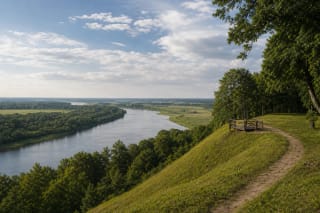
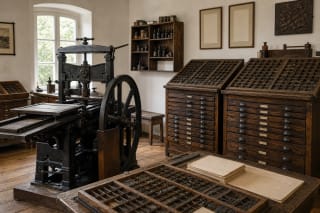
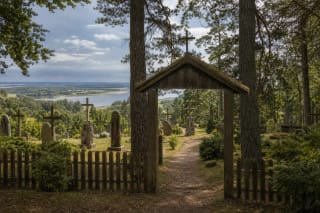
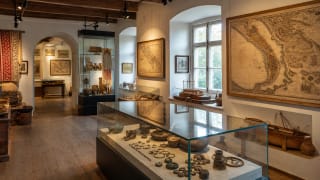
A short look usually takes 15-30 minutes. It makes sense to combine the visit with other places in Lithuania Minor and the lower Nemunas: Rambynas Hill, Bitėnai, and the Martynas Jankus Museum, creating a full regional history route.