- Place
- Pakėvis village, Kelmė District Municipality
- Region
- Kelmė District
- Type
- privately restored manor operating as an event and accommodation venue
- Address
- Dvaro g. 54, Pakėvis, Kelmės r.
- Coordinates
- 55.68237, 22.82276
- Visit duration
- 30-60 minutes for the exterior only with permission; longer during a booked service or event
- Best time
- a daylight visit arranged in advance
Pakėvio dvaras
From seventeenth-century records to Jucevičius's birthplace
The official history connects Pakėvis with the seventeenth century and a 1685 entry in Beržėnai rural-district records. Its national cultural importance rests partly on Liudvikas Adomas Jucevičius, born here in 1813 and later known as an ethnographer, folklorist and literary historian.
The place name became part of his pen name, Liudwik z Pokiewia. The buildings seen today, however, are not a complete ensemble from his childhood: most date from around 1900.
An estate formed around 1900
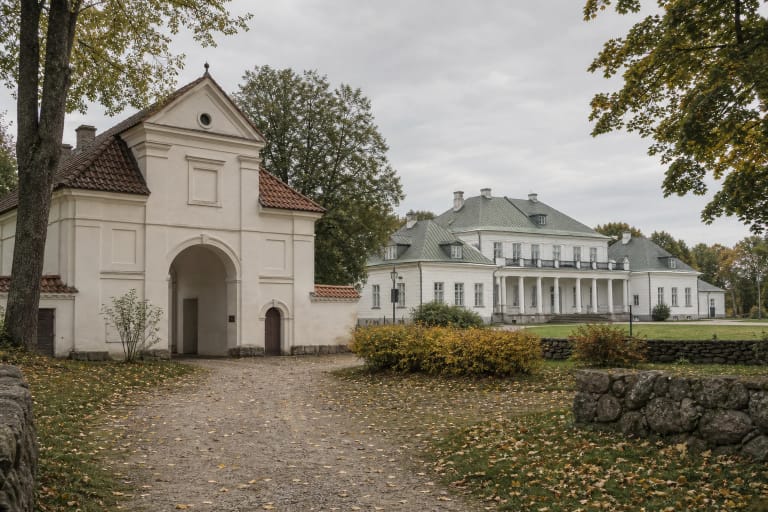
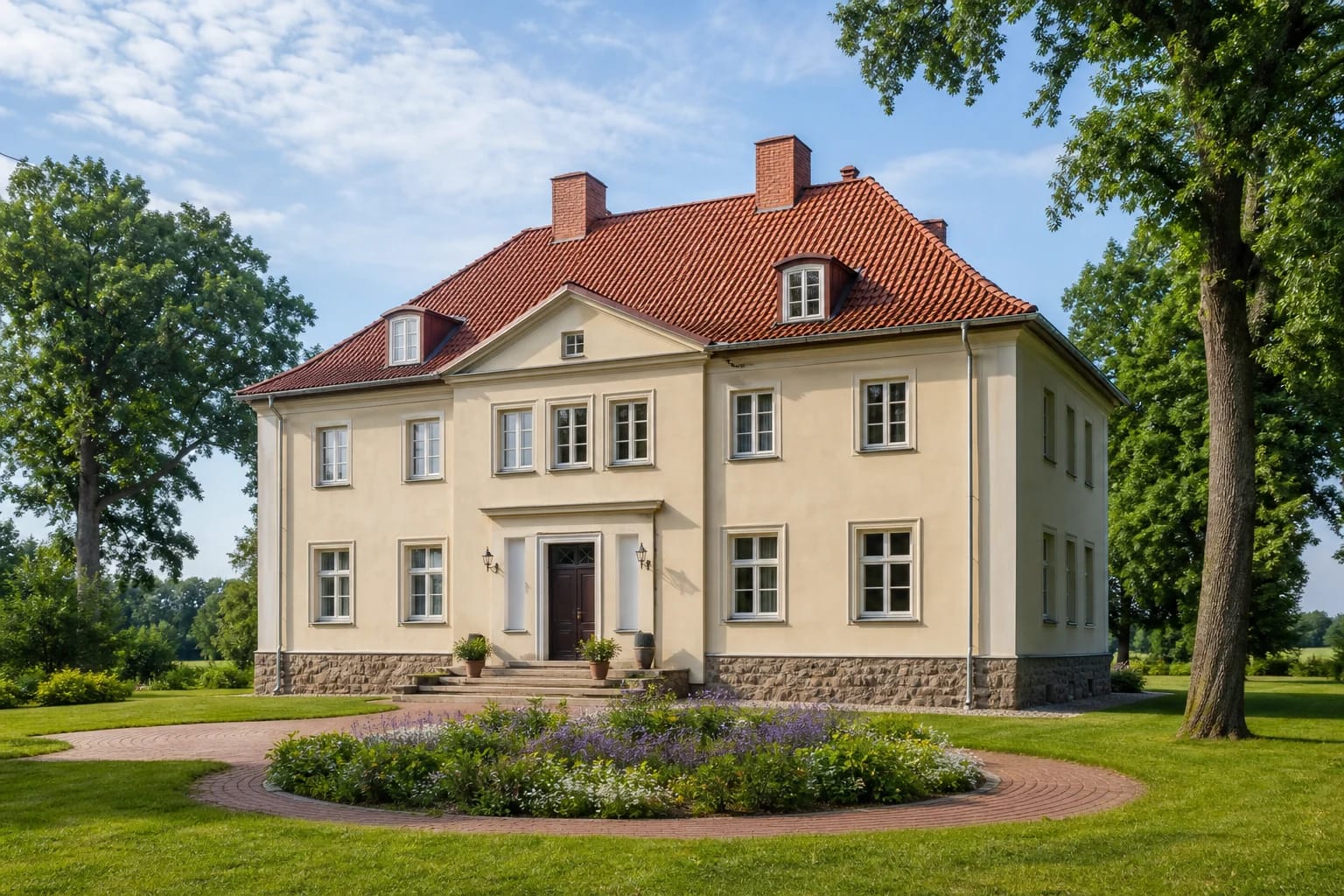
The official account describes roughly 40 hectares with a central house, barn, farm building and stables. The irregular T-shaped residence combined sections from different phases, including an earlier timber-frame part and a masonry addition.
The Soviet period brought school and collective-farm uses, which changed interiors and estate functions. Today's visitor should distinguish surviving fabric, elements reconstructed from historical images and modern event infrastructure.
Archaeology and revival after 2009
The estate was acquired in 2009, and exploratory archaeology preceded construction in 2011. The official site records 194 finds, including household and glazed pottery, stove-tile and faience fragments and forged nails dating from the late eighteenth to early twentieth centuries. They went to Kelmė Museum.
The renewed manor was presented to local communities on September 7, 2013. Heritage specialists advised the project, while reconstruction of a former timber section used iconographic evidence and surviving foundations.
A private venue, so arrange your visit
Pakėvis is not a museum with daily public hours. It is a private event, accommodation and celebration venue. Entry to buildings, photography and extended walking in the grounds require prior agreement, and weddings may make casual visits impossible.
Check the official site and contact the owners. Prices depend on service and date. Without permission, respect private property and do not pass barriers for a photograph.