
Things to do in Lithuania
Things to do in Palanga
Palanga is Lithuania's main Baltic Sea resort: the sea pier, J. Basanavičiaus Street, Birutė Park with the Amber Museum in the Tiškevičiai Palace, Birutė Hill, and quieter Šventoji.
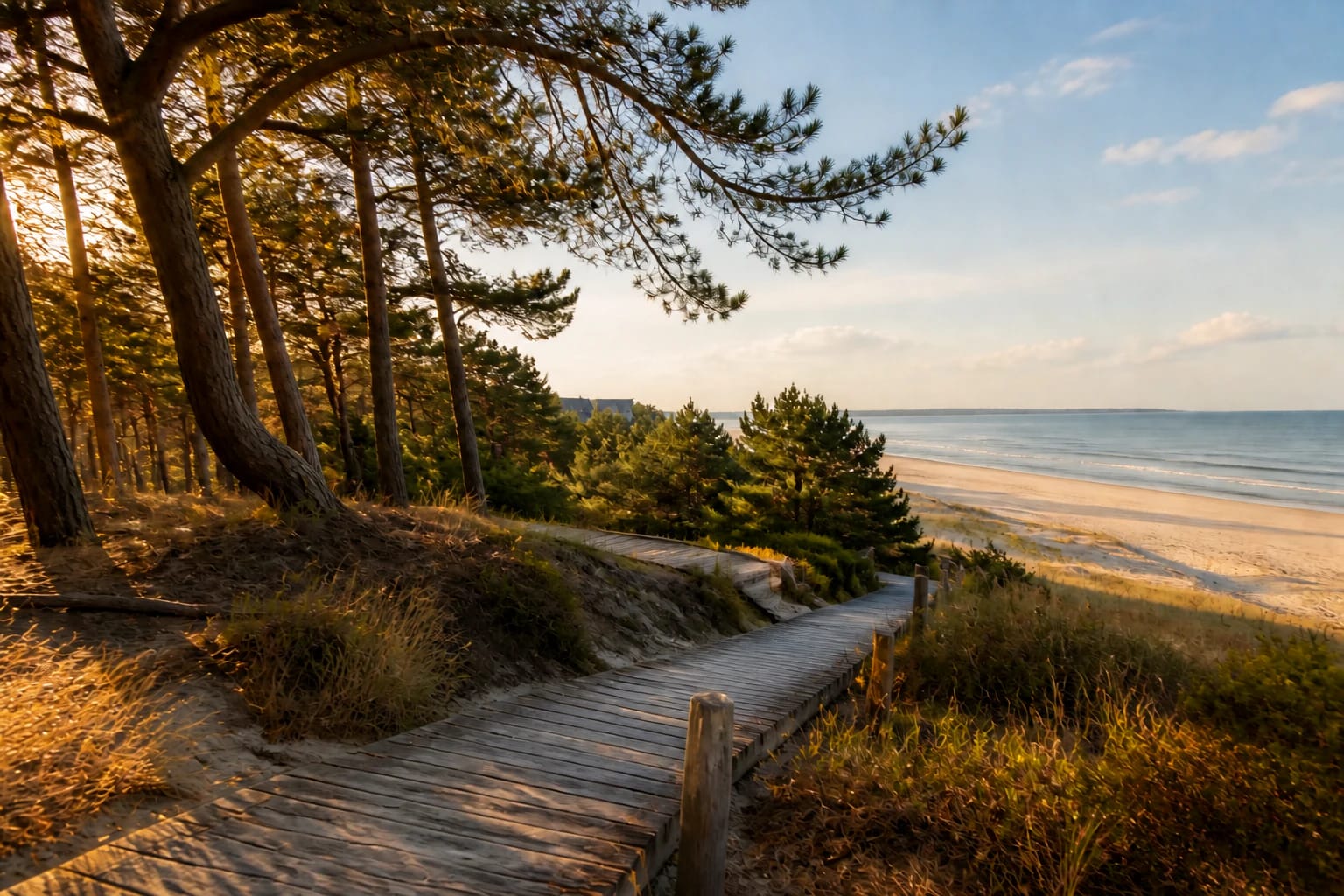
Palanga
Where to start
Choose a place, compare visiting times or explore the area on the map.
Key places to visit in Palanga and nearby:
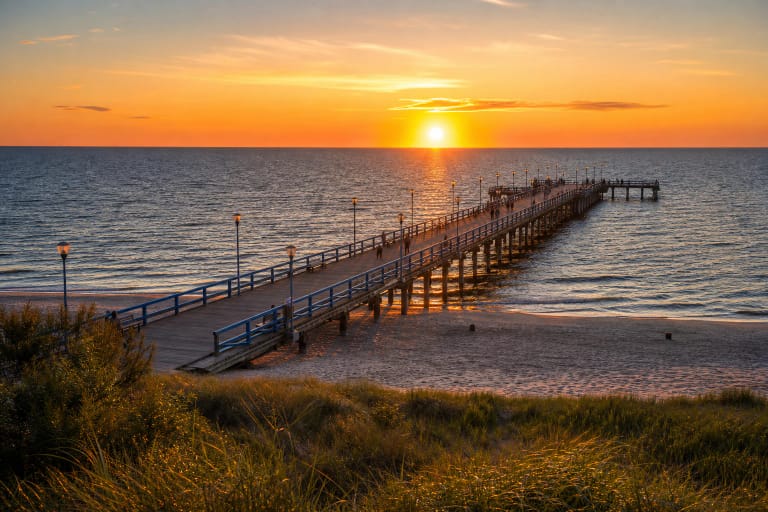
Palanga Pier
Palanga Pier is the classic symbol of the resort: a 470 m pedestrian pier into the Baltic Sea whose history began with a ship landing built by the…
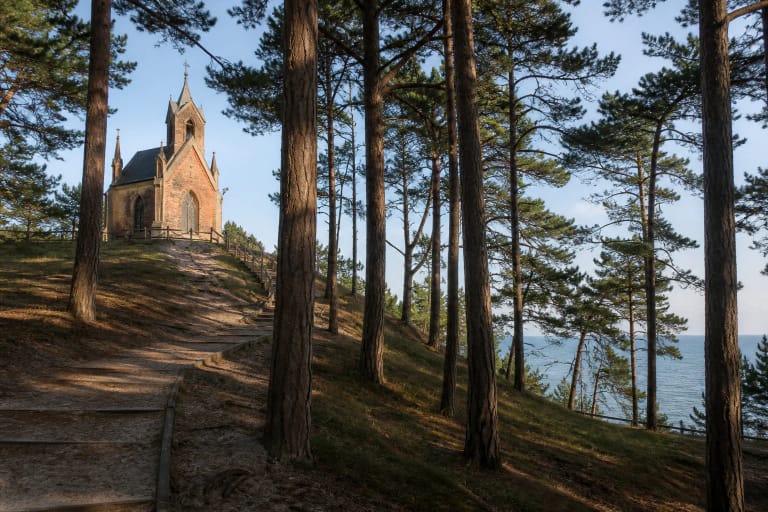
Birutė Hill
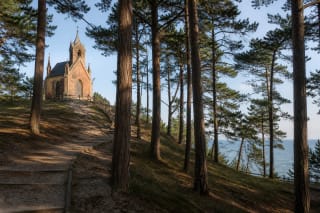
Birutė Hill in Palanga is a 21 m pine-covered hill in Birutė Park, where coastal landscape, Curonian archaeology, the memory of an old sacred site,…
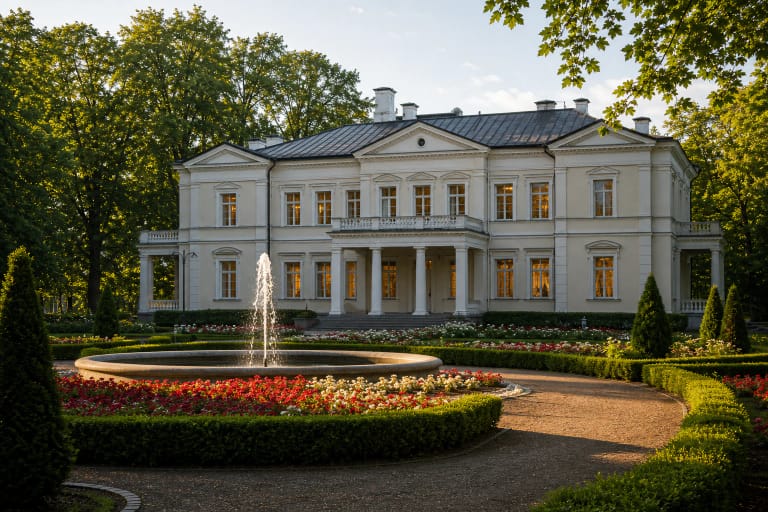
Palanga Amber Museum
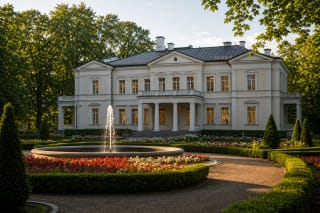
Palanga Amber Museum operates in the Tiškevičiai Palace at the centre of Birutė Park and preserves one of Lithuania's most important amber…
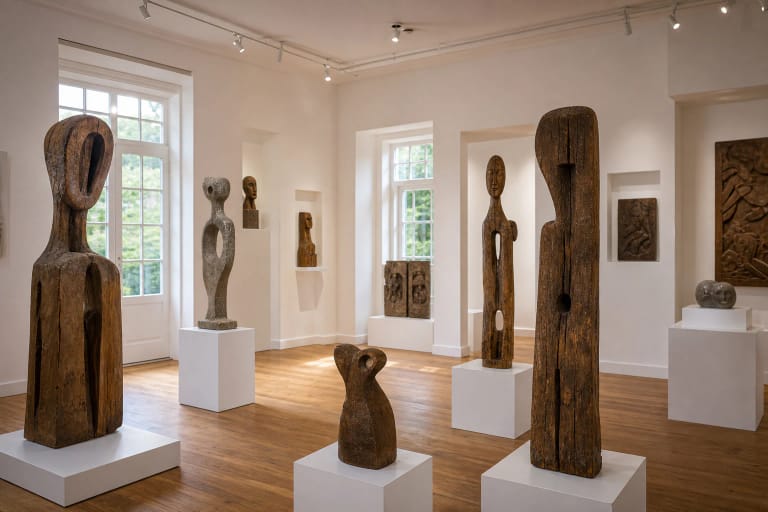
Antanas Mončys Art Museum
The Antanas Mončys Art Museum in Palanga has preserved more than 200 works by the Samogitian-born, Paris-based modernist Antanas Mončys (1921-1993)…
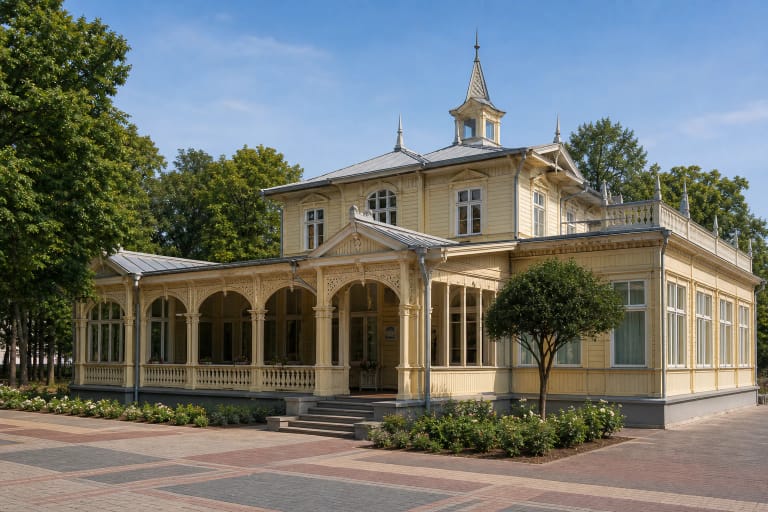
Palanga Kurhaus
Palanga Kurhaus is the oldest building of the resort: Count Juozapas Tiškevičius had its masonry part built in 1875-1877, the Casino restaurant opened…
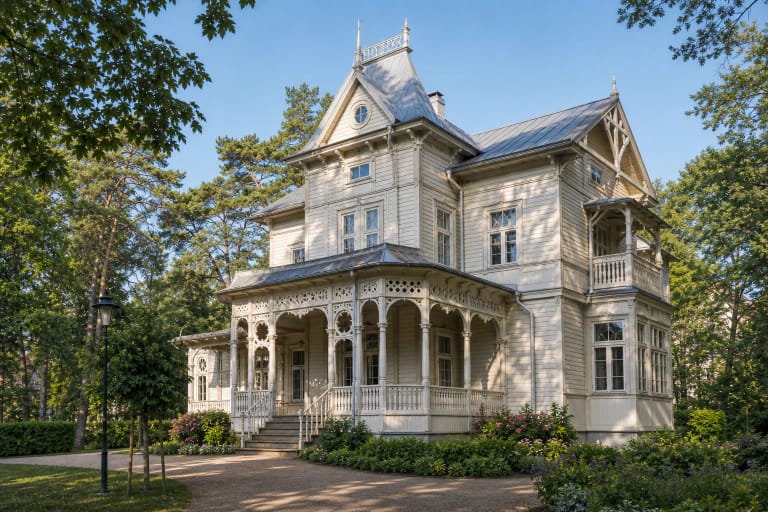
Palanga Resort Museum
Palanga Resort Museum operates in Villa Anapilis, a Tiškevičiai villa dated to about 1898 and listed in the Cultural Heritage Register under code…
All places in this guide
Places on the mapPalanga Pier30-60 minutesBirutė Hill45-90 minutesPalanga Amber Museum1-2 hoursAntanas Mončys Art Museum45 minutes to 1 hour; longer with a temporary exhibition or education programmePalanga Kurhaus20-45 minutes from outside; longer during an event or guided visitPalanga Resort Museum45 minutes to 1.5 hours; longer with an exhibition or education programmeŽemaičių Alkas in Šventoji20-45 minutesPalanga Botanical Park1.5-3 hoursHouse of Illusions Eureka1-1.5 hoursNemirseta Botanical Educational Trail30-45 minutesPalanga Church of the Assumption of the Blessed Virgin Mary20-45 minutes; longer for Mass or a concertŠventoji Monkey Bridge10-20 minutesJonas Šliūpas Museum45-75 minutesPalanga Sculpture Park20-40 minutesNaglis Hill20-35 minutesŠventoji Church of the Blessed Virgin Mary, Star of the Sea30-60 minutes; longer if climbing the towerBūtingė Evangelical Lutheran Church20-40 minutesŠventoji Ancient Settlement20-40 minutes as an interpretive stopPalanga Old Jewish Cemetery20-30 minutesCounts Tiškevičiai Avenue15-30 minutesŠventoji Port and River Mouth30-60 minutesNemirseta Beach1-3 hours; bring your own water, food, and weather protection for a longer stayŠventoji Naturist Beach2-4 hours; bring your own drinking water, food, and sun protection for a longer stayPalanga Beach1-4 hours; a longer summer stay requires protection from both sun and windPalanga Summer Park1-4 hours; the €35 day ticket makes sense when you will actively use several included zonesInteractive Lithuanian Fairy-Tale Park45-90 minutes; allow longer with young children or when listening to every working recordingMonciškės Beach1-4 hours; bring your own water and protection from sun and wind for a longer stayLove Avenue in Palanga25-40 minutes one way; 1-2 hours with stops at villas, the sea, and Birutė ParkPalanga Church of the Iveron Icon of the Mother of God20-35 minutes; longer for a service or an educational visit arranged in advancePalanga Concert Hall1.5-3 hours depending on the event; arrive approximately one hour before it beginsEglė the Queen of Serpents Sculpture in Palanga10-20 minutes; 1-2 hours with Birutė Park, the Amber Museum, and Birutė HillPalanga Old Pharmacy15-30 minutes; longer only if staff permit a closer look at the working pharmacy interiorJūratė and Kastytis Sculpture10-25 minutes; 1-2 hours with Palanga Pier, the beach, and a seafront walkFisherman's Daughters Sculpture15-30 minutes; longer with Šventoji Port and the beachŠventoji Lighthouse15-30 minutes for the exterior; the tower is not routinely open to visitorsPalanga Central Square20 to 45 minutes for the square and fountain; 1.5 to 2 hours with the church, Kurhaus and J. Basanavičius StreetWakepark Palanga1-2 hours for one riding session, preparation, and time beside the waterPalanga Children's Park45-120 minutes depending on children's ages and weatherPalanga Swimming Pool1.5-3 hours, depending on the session and areas selectedPalanga Musical Fountain20-60 minutes for one performance and the square; up to 2 hours combined with landmarks along Vytauto and J. Basanavičiaus streetsBūtingė Geomorphological Reserve30-60 minutes for landscape observation from a lawful access point; this is not a developed trailVanagupė Beach1-3 hours; longer for a shore walk, the Lino Trail, or a slow day beside the seaBirutė Park Beach2-4 hours; longer when combining the beach with Birutė Hill, the botanical park, or a shore walkNemirseta Dune and Coastal Meadow Viewpoint30-60 minutes; longer if you combine the viewpoint with a coastal route
About this area
Palanga is Lithuania's main seaside resort on the Baltic coast, in the ethnographic region of Samogitia. In a single day it can hold a wide sandy beach, the famous sea pier, the busy promenade of J. Basanavičiaus Street, Birutė Park with the Amber Museum in the Tiškevičiai Palace, and quieter Šventoji on the northern edge of the municipality. Palanga is both a lively summer entertainment town and an old coastal place of sacred sites, manor culture, and amber.
Palanga, Lithuania's seaside resort
Palanga is in Klaipėda County, directly on the Baltic Sea, and is widely seen as Lithuania's main seaside resort. Although it is a coastal town, ethnographically it belongs to Samogitia rather than Lithuania Minor: this stretch of coast was not Prussian. Three layers shape Palanga for visitors: a broad beach and dunes, the resort promenade, and an older history of coastal sacred sites and manor culture.
Palanga began to gain fame as a summer resort in the nineteenth century. The Lithuanian encyclopedic article on Palanga's history notes that the town became a summer destination in the early nineteenth century, that a pier into the sea was built in 1889, and that the Tiškevičiai manor palace rose in 1897-1902. The Tiškevičiai counts were central to the resort, the park, and the amber heritage visible in the town today.
Birutė Park, the Amber Museum, and Birutė Hill
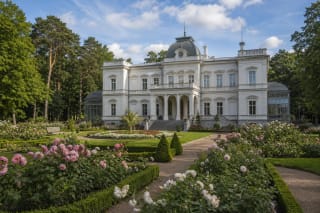
South of the centre spreads Palanga Botanical Park, also known as Birutė Park. It was designed at the end of the nineteenth century by landscape architect Édouard François André, and the Tiškevičiai Palace stands at its centre. Since 1963 the palace has housed the Palanga Amber Museum, a branch of the Lithuanian National Museum of Art and one of the country's most important amber collections.
Inside the museum, look for the inclusion collection, one of the largest in Europe, and the Sun Stone, the museum's largest amber piece, weighing 3524 g. Nearby, in the western part of the park, rises Birutė Hill, a 21 m pine-covered hill. Lithuanian encyclopedic sources connect it with Palanga hillfort and an old sacred site; tradition links its name with Birutė, wife of Grand Duke Kęstutis. An 1869 Neo-Gothic chapel stands on the summit.
Šventoji and coastal nature
On the northern edge of Palanga Municipality, by the mouth of the Šventoji River, lies Šventoji, a quieter seaside resort with a broad beach. It has less bustle than central Palanga and suits visitors looking for calmer rest by the sea. Near Šventoji stands the reconstructed Žemaičių Alkas, an open-air interpretation of a Baltic sacred site with wooden posts and deity figures.
The whole Palanga coast is joined by a belt of dunes, pinewoods, and beach that works well for walking or cycling. Nature here is as much a part of the resort as the promenade: an empty beach in the morning, holidaymakers at midday, and a sunset stage above the sea in the evening. Coastal paths also let Palanga connect naturally with nearby Kretinga and the southern shore.
Practical tips: how to get there and when to go
Palanga is easiest to reach by car or bus from Klaipėda, about 25 km away, and by bus or car from Kaunas or Vilnius. The town also has Palanga Airport, while the nearest railway station is in Kretinga. In summer, especially July and August, the resort is very busy, so accommodation, parking, and meals are worth planning in advance. May, early June, and September are calmer, though the sea is cooler.
The beach, pier, J. Basanavičiaus Street, and the paths of Birutė Park are public spaces and do not need a ticket. Museums, such as the Amber Museum, separate entertainments, and car parking can cost extra. Opening hours and prices change by season, so check official sources before travelling.
Palanga: frequently asked questions
Where is Palanga and which region is it in?
Palanga is in Klaipėda County on the Baltic Sea coast. Ethnographically it belongs to Samogitia, not Lithuania Minor.
What should you definitely visit in Palanga?
The usual highlights are the sea pier, J. Basanavičiaus Street, Palanga Botanical Park or Birutė Park, the Amber Museum in the Tiškevičiai Palace, Birutė Hill, and the beach. For a quieter seaside stop, add Šventoji.
Why does a walk along Palanga Pier take longer than it looks?
The current Palanga Pier is about 470 m long. Walking it takes longer than it looks from shore, especially if you stop for photos or sunset.
Where is the Palanga Amber Museum?
The museum is in the Tiškevičiai Palace at the centre of Birutė Park, Vytauto g. 17. Founded in 1963, it holds one of Lithuania's most important amber collections, including the 3524 g Sun Stone and a large collection of inclusions.
Is Birutė Hill worth visiting?
Yes. It is a 21 m hill in Birutė Park, linked with an old sacred site, Palanga hillfort, and the legend of Duchess Birutė. An 1869 Neo-Gothic chapel stands on top, and park paths continue toward the sea.
What is interesting about Šventoji?
Šventoji is a quieter resort by the mouth of the Šventoji River on the northern edge of Palanga, with a broad beach and less noise. Nearby is the reconstructed Žemaičių Alkas, an open-air interpretation of a Baltic sacred site.
When is the best time to visit Palanga?
July and August are warmest and liveliest, but also the busiest. May, early June, and September are calmer; in autumn and winter Palanga is good for quiet walks by the sea.
How do you get to Palanga?
The most convenient options are car or bus from Klaipėda, about 25 km away, and bus or car from Kaunas or Vilnius. Palanga Airport serves the town, and the nearest railway station is in Kretinga.
Does visiting Palanga cost money?
The beach, pier, J. Basanavičiaus Street, and Botanical Park paths are free public spaces. Museums, entertainment, and car parking may cost extra; check current prices and opening hours in advance.
Palanga: what else to see
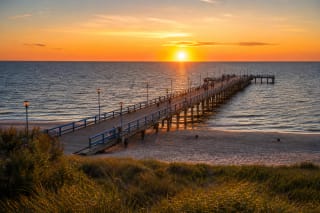
Palanga Pier
Palanga's best-known symbol: a roughly 470 m pedestrian pier into the Baltic Sea and the classic sunset viewpoint.
Palanga Amber Museum
The museum in the Tiškevičiai Palace, with the Sun Stone and one of Europe's largest amber inclusion collections.
Birutė Hill
A historic hill in Birutė Park, linked with an old sacred site, an 1869 chapel, and the legend of Birutė.
Palanga Botanical Park
Birutė Park, designed by Édouard François André, with a rose garden, palace parterre, and paths toward the sea.

Žemaičių Alkas in Šventoji
A reconstructed Baltic sacred site near Šventoji, useful on a quieter northern-coast route.