
Lithuania’s ethnographic regions
Žemaitija
Žemaitija, or Samogitia, is Lithuania's north-western ethnographic region, known for a strong dialect, cross-crafting, Žemaičių Kalvarija, lakes, and the Baltic coast.
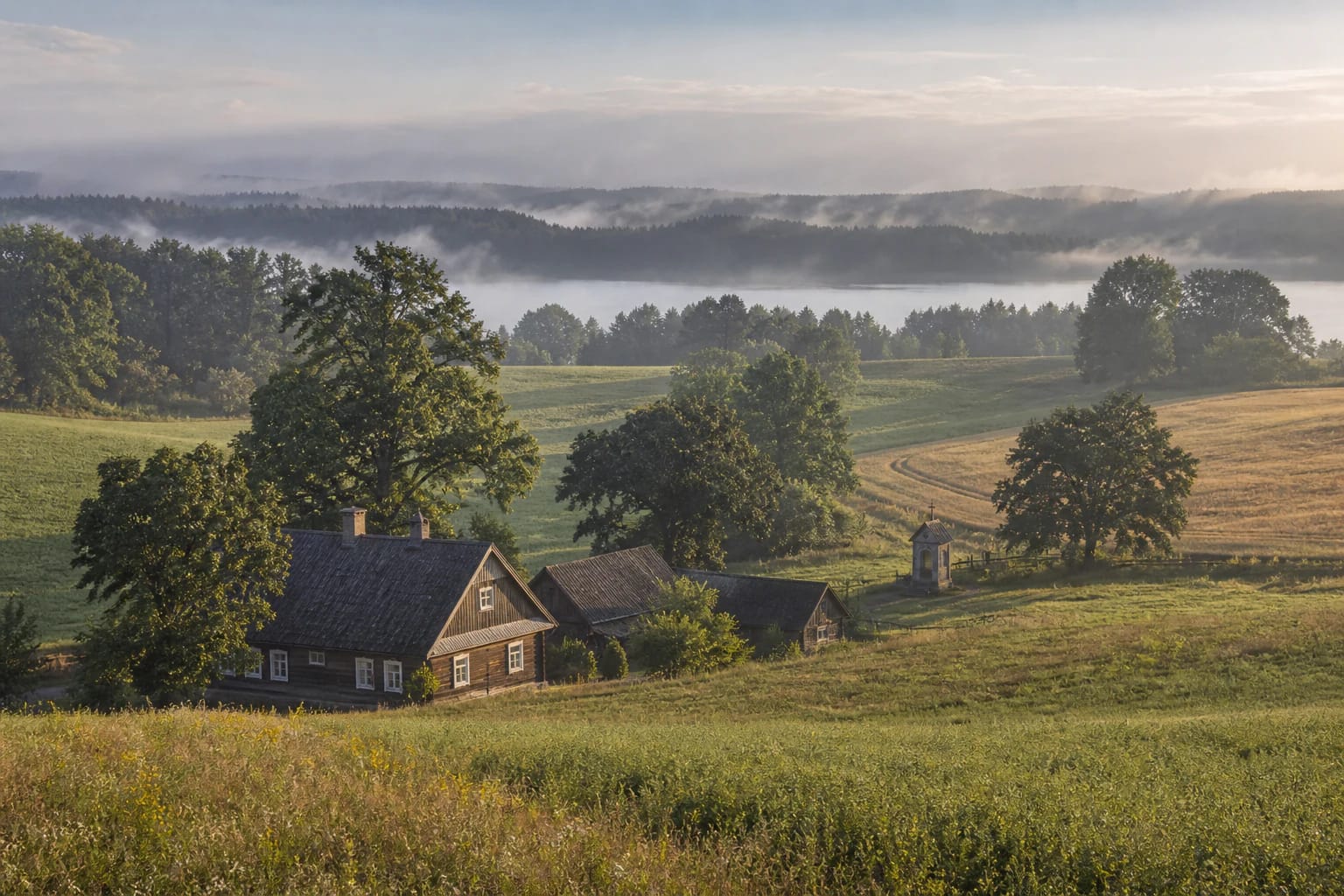
Žemaitija
Where to start
Choose a place, compare visiting times or explore the area on the map.
Key places to visit in Žemaitija:
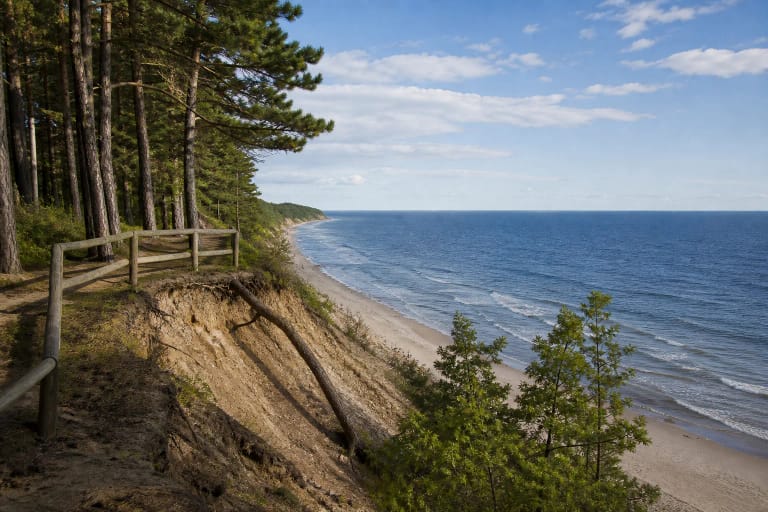
Olando Kepurė
Olando Kepurė is the highest Lithuanian sea-coast cliff near Karklė in Seaside Regional Park.
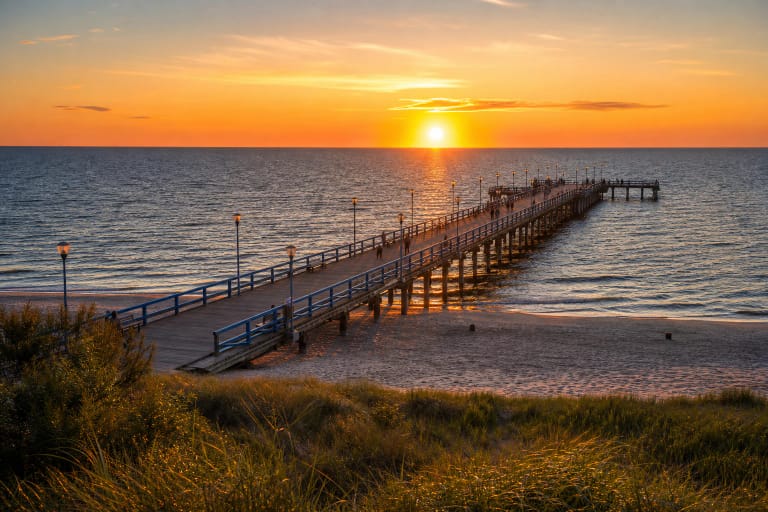
Palanga Pier
Palanga Pier is the classic symbol of the resort: a 470 m pedestrian pier into the Baltic Sea whose history began with a ship landing built by the…
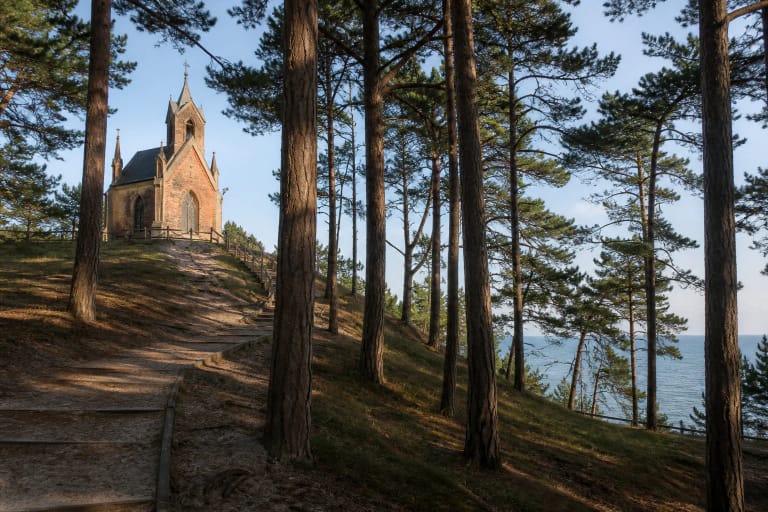
Birutė Hill
Birutė Hill in Palanga is a 21 m pine-covered hill in Birutė Park, where coastal landscape, Curonian archaeology, the memory of an old sacred site,…
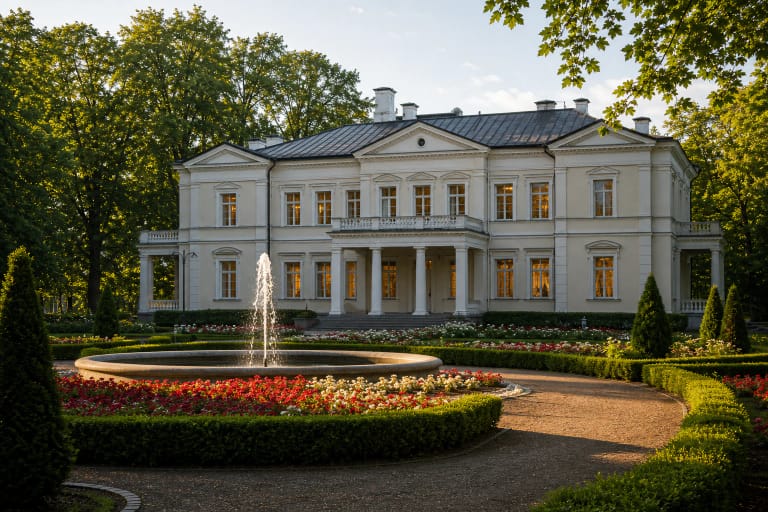
Palanga Amber Museum
Palanga Amber Museum operates in the Tiškevičiai Palace at the centre of Birutė Park and preserves one of Lithuania's most important amber…
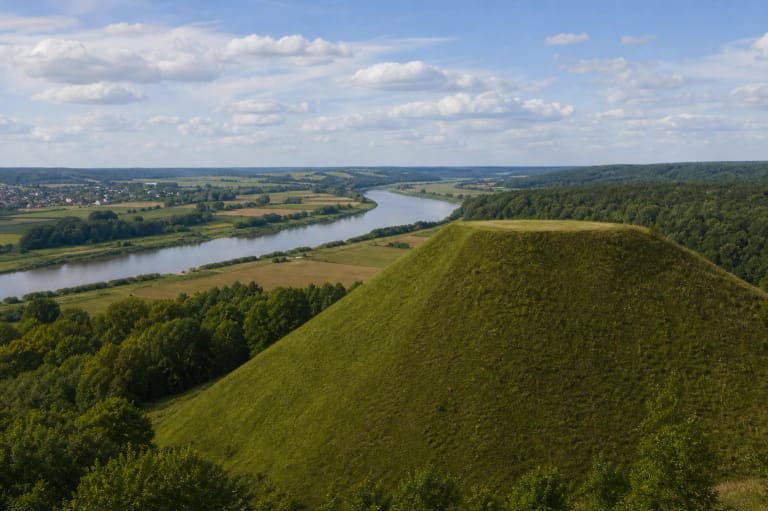
Seredžius Hillfort
Seredžius Hillfort, known as Palemonas Hill, is one of Panemunė's strongest historic points: the fourteenth-century Pieštvė Castle stood here, above…
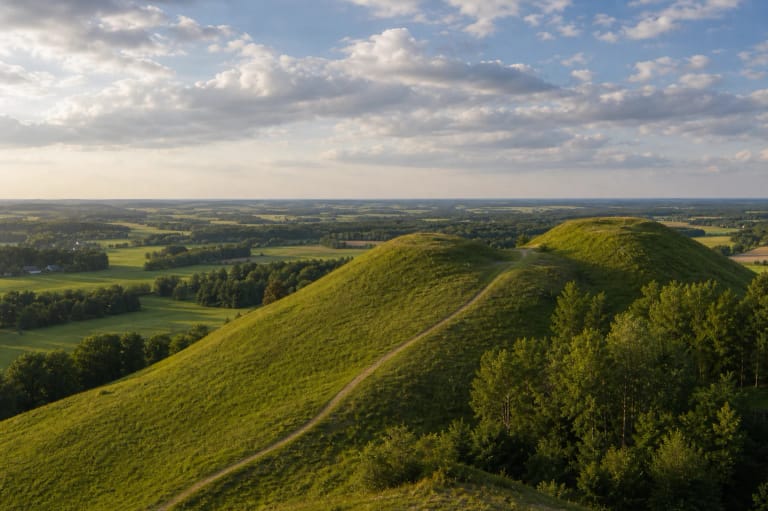
Medvėgalis Hillfort
Medvėgalis Hillfort stands on the lower summit of Medvėgalis, called Pilies kalnas; the castle mentioned in 1316 belonged to the Samogitian defence…
All places in this guide
Places on the mapOlando Kepurė30 minutes-2 hoursPalanga Pier30-60 minutesBirutė Hill45-90 minutesPalanga Amber Museum1-2 hoursSeredžius Hillfort45 minutes-1.5 hoursMedvėgalis Hillfort1-2 hoursŠatrija Hill45 minutes-1.5 hoursSprūdė Hill45 minutes-1.5 hoursApuolė Hillfort1-2 hoursRaudonė Castle1-1.5 hoursPanemunė Castle1.5-2.5 hoursPlungė Oginski Manor2-4 hoursBarstyčiai Stone20-40 minutesLake Plateliai1-3 hours for viewpoints and a trail; a full day with swimming or cyclingHill of Crosses45-90 minutes; longer with the information centre and a quiet walkŠiluva Shrine1-2 hours, longer during indulgence days or with a pilgrimage routeŽemaičių Kalvarija Basilica1-2 hours for the basilica; 3-5 hours with walking the Calvary HillsOrvidai Homestead1-2 hoursCold War Museum in Plokštinė1-1.5 hours, longer with a guide and Žemaitija National Park routeDionizas Poška's Baubliai45-90 minutesMosėdis Stone Museum1-2 hoursMemel Nord45 minutes-1.5 hours; longer with a guide or combined with the coast trailDreverna Small Boat Harbour and Observation Tower1-2 hours; longer with a boat, kitesurfer watching, or a trip to JuodkrantėJ. Gižas Ethnographic Homestead45 minutes-1.5 hours; longer with an educational program or combined with Dreverna harbourAblinga Memorial30-60 minutes; longer if you also visit Žvaginiai HillfortAntanas Mončys Art Museum45 minutes to 1 hour; longer with a temporary exhibition or education programmePalanga Kurhaus20-45 minutes from outside; longer during an event or guided visitPalanga Resort Museum45 minutes to 1.5 hours; longer with an exhibition or education programmeKretinga Manor and Winter Garden1.5-3 hours; longer with the park, education programmes, and a cafe stopKartena Hillfort30-60 minutes; longer with a walk in the Minija valleyJapanese Garden1-2 hours; longer for photography, sakura season, or a slow walkŠaukliai Boulder Field Nature Trail1-1.5 hours; longer for photography and information boardsSkuodas Museum45 minutes-1.5 hours; longer with an education programme or Apuolė routeŽemaičių Museum "Alka"1.5-3 hours; longer with the village exhibition, shows, and Telšiai old townTelšiai Yeshiva45 minutes-1.5 hours; longer with a Telšiai Jewish-history routeSiberijos Observation Tower20-45 minutes; longer with Plateliai or Paplatelė TrailPaplatelė Educational Trail1-1.5 hours; longer with stops by water and wooden sculpturesGardų Ozas Educational Trail30-60 minutes; longer with a Žemaičių Kalvarija routeRenavas Manor1-2 hours; longer with the park, exhibitions, or an eventViekšniai Pharmacy Museum45 minutes to 1.5 hours; longer with education or the herb gardenMažeikiai Museum45 minutes to 1.5 hours; longer with a temporary exhibition or education programmeTauragė Castle and Santaka Museum1-2 hours; longer with exhibitions, education, or a city walkPagramantis Outcrop20-45 minutes; longer as part of a Pagramantis Regional Park routeJurbarkas Manor45 minutes-1.5 hours; longer with the museum and Panemunė routeVarniai Cathedral45-90 minutes; longer with the Museum of the Samogitian DioceseMuseum of the Samogitian Diocese1-2 hours; longer with Varniai Cathedral and the bell towerDžiuginėnai Manor20-45 minutes; longer when combined with Telšiai and other Samogitian manorsBiržuvėnai Manor Estate1-2 hours; longer with a Luokė and Telšiai-region routePlateliai Manor Park45-90 minutes; longer with Lake Plateliai and park exhibitionsTOPKART Šiauliai1-2 hours, depending on sessions and waitingKurtuvėnai Manor Homestead1-2 hours; longer with the trail, an event, or riding-centre activitiesŠiauliai Photography Museum1-1.5 hours; longer with a temporary exhibition or the terraceVenclauskiai House-Museum1-1.5 hours; longer with a guide and gardenŠiauliai Cathedral of Sts Peter and Paul20-45 minutes; longer with MassSt Casimir's Church in Vėžaičiai30-45 minutes; longer during St Casimir indulgence feastsSvencelė1-3 hours, longer if you plan water sportsMenčiai Limestone Quarryonly during organized or arranged accessKamanos Reserve Observation Toweronly during an arranged visitAkmena and Jūra Confluence Viewing Tower30-60 minutesŽaliūkiai Miller's Homestead-Museum1-2 hoursTytuvėnai Church and Bernardine Monastery Ensemble1-2 hoursLyduvėnai Railway Bridge1-1.5 hours only with organised accessChaim Frenkel Villa1-1.5 hoursAkmenė Quarries Viewpoint1-2 hoursDubysa Valley2 hours-full dayPlateliai1-2 hours for the town; a full day with the lake and park sitesLake Beržoras30-90 minutes for the shore and Beržoras village; longer with PlateliaiMinija Ancient Valley1-3 hours for a chosen valley section; longer with Minija riverside routesBilioniai Hillfort45 minutes to 1.5 hoursGirnikai Hill30-90 minutesKalnujai (Palendriai) Hillfort30-60 minutesVeliuona Hillforts1-2 hoursVarniai Regional Parkfrom 2 hours to a full day; 30-60 minutes for the visitor centreLake Lūkstas1-2 hours; longer with the Lūkstas Amber Trail or campsiteParšežeris Nature Trail4-6 hours for the full route; shorter for selected sectionsPanemunė Castles Routehalf a day to a full day, depending on stops and castle opening hoursRaudonė Castle Park45-90 minutes; longer with the castle tower or an eventBelvederis Manor30-60 minutes for the exterior and park; longer when combined with the Panemunė roadŽemaičių Alkas in Šventoji20-45 minutesMolavėnai Hillforts45-90 minutesLaumės Pėda Spring15-30 minutesMingėla Oak10-25 minutesImbarė Hillfort45-90 minutes; longer if combined with Salantai-area sitesMikytai Sacred Hill45-90 minutes; about 1 km for the trail and stopsŠilalės Kūlis Boulder20-60 minutes; longer if walking the Šilalė village footpathSvilė Springs30-75 minutes; longer if combined with Kurtuvėnai Regional Park routesKelmė Manor1-2 hours; longer with an education programme or guideRietavas Oginskiai Cultural History Museum45-90 minutes; longer with the manor-estate parkKražiai1.5-3 hours with the museum, church, and MedžiokalnisThe Žemaitis Independence Monument in Raseiniai10-20 minutes; longer with the old town and museumPlinkšiai Manor30-45 minutes for an exterior view from the lakeshoreBirthplace of Simonas Daukantas30-45 minutesLopaičiai Hillfort1-1.5 hours for the full trailSalantai Church of the Assumption of the Blessed Virgin Mary20-40 minutesViekšniai Water Mill20-40 minutesReiskių Tyrasguided bog hike about 3 hoursVytautas Mačernis Grave and Educational Trail45-90 minutes, trail out and backUžgavėnės Mask Exhibition30-60 minutesBabrungėnai Watermill30-45 minutesAdakavas Manor1-1.5 hours for the park, ponds, and church exteriorGargždai Manor Park1-1.5 hoursSt Anne's Church in Lenkimai30-45 minutesBubiai Hillfortabout 1 hourPavandenė Manor30-60 minutes for the manor setting, mausoleum hill, and viewpointGegrėnai Hillforts1-1.5 hours for the 1.6 km trailTverai Church30-45 minutes for the church, churchyard gate, and belfrySeda Church20-40 minutesTytuvėnai Observation Towers and Gilius Trail1-2 hours for the trail; about an hour for each towerJurakalnis Trail and Tower1-2 hoursŠiauliai Aušra Museum1-1.5 hours for the history exhibitionSundial Square in Šiauliai15-30 minutesKretinga Franciscan Monastery30-45 minutes for the church and churchyardTelšiai Cathedral of St Anthony of Padua20-40 minutesŠiauliai Bicycle Museum1 hourVintage Motorcycle Museum30-60 minutesSenoji Įpiltis Hillfort30-60 minutesSalantai Regional Parkhalf a day to a full dayPapilė Outcrop30-45 minutesPalanga Botanical Park1.5-3 hoursŽemaitė Memorial Museum45-60 minutesBear Museum30-45 minutesVincas Grybas Memorial Museum30-60 minutesPanemunių Regional Park Visitor Centre45-90 minutesJūkainiai Nature Trail1-2 hours for the large loop with sculptures and viewing towerMaironis Birthplace and Pasandravys Historical Reserve1-2 hours for the Pasandravys-Bernotai oak trail and homestead museumPlazė (Plocis) Lake30-60 minutes at the observation shelter, or half a day with the coast trailKarklė Coast and Health Trails1.5-2 hours for the red trail; up to half a day for the whole networkGargždai Area Museum45-75 minutesHouse of Illusions Eureka1-1.5 hoursKalotė Lake30-60 minutes, or half a day with the coastKalniškės (Gargždai) Hillfort30-60 minutesRadio and Television Museum in Šiauliai45-60 minutesRūta Chocolate Museum1 hour for the exhibition; about 2 hours with an educational workshopŠiauliai Railway Museum1-1.5 hoursUžventis Manor and Šatrijos Ragana Museum45-90 minutes for the museum and park by the VentaPovilas Višinskis Birthplace30-45 minutes by prior arrangementAleksandras Griškevičius Memorial Museum30-45 minutesViekšniai Biržiška Family Memorial Museum30-45 minutes, with advance registrationAukštagirė Observation Tower30-60 minutesPlokštinė Nature Trailabout 1.5 hours for roughly 3 kmVenta Regional Parkhalf day to full day for several sitesSeda St John Nepomuk Church15-20 minutes for the exterior; interior access during eventsŠilinė Botanical Trail1-1.5 hours, about 2 kmVladas Statkevičius Museum in Šilalė45-60 minutesJurbarkas Synagogue Square Memorial15-30 minutesLakštingalų slėnis1-1.5 hours for the trailTauragė Church of the Most Holy Trinity15-30 minutesPajūris Manor30-45 minutesNemirseta Botanical Educational Trail30-45 minutesPalanga Church of the Assumption of the Blessed Virgin Mary20-45 minutes; longer for Mass or a concertJaurykla Park45-90 minutesBaltic Mythology Park1-2 hoursPuodkaliai Hillfort30-60 minutesSkuodas Church of the Most Holy Trinity20-40 minutes; longer during servicesChurch of St Matthew the Apostle and Evangelist in Veiviržėnai20-45 minutes; longer during MassSteponas Darius Birthplace Museum45-90 minutesTauragė Evangelical Lutheran Church20-40 minutes; longer during a service or eventKarklė Ethnographic Cemetery20-35 minutesDovilai Ethnic Culture Centre30-60 minutes; longer for an event or education programmeVanagai Evangelical Lutheran Church15-30 minutes for the exterior; 30-45 minutes if you can enterPlikiai Evangelical Lutheran Church15-30 minutes; longer if you can enterDovilai Evangelical Lutheran Church15-30 minutes; more time if combining it with the ethnic culture centreDovilai Hillfort30-45 minutesSeaside Regional Park Visitor Centre30-60 minutes; longer if planning routes in the parkKukuliškiai Hillfort30-60 minutes; longer if walking the Litorina TrailŠventoji Monkey Bridge10-20 minutesJonas Šliūpas Museum45-75 minutesPalanga Sculpture Park20-40 minutesNaglis Hill20-35 minutesŠventoji Church of the Blessed Virgin Mary, Star of the Sea30-60 minutes; longer if climbing the towerBūtingė Evangelical Lutheran Church20-40 minutesŠventoji Ancient Settlement20-40 minutes as an interpretive stopPalanga Old Jewish Cemetery20-30 minutesCounts Tiškevičiai Avenue15-30 minutesŠventoji Port and River Mouth30-60 minutesDino Park Radailiai4-6 hours; a family can spend all day when all attractions are operating313 Cable Park2-4 hours for a first session and recovery; experienced riders often choose a day ticketMėmelGP Kart Track1-1.5 hours for one or two sessions with briefing; 2-3 hours for a group raceLitorina Ecological Trail1.5-2.5 hours one way with stops; 3-4 hours when returning along the same trailNemirseta Beach1-3 hours; bring your own water, food, and weather protection for a longer stayVinetu Village2-3 hours for a self-guided visit; 1.5-2 hours for the booked tour programmeHedgehog Museum in Kretinga30-60 minutes; up to 90 minutes for a children's group with stories and activitiesŠventoji Naturist Beach2-4 hours; bring your own drinking water, food, and sun protection for a longer stayKretinga Evangelical Lutheran Church15-30 minutes for the exterior; 30-60 minutes if the interior is open or you attend worshipAnduliai Hillfort45-75 minutes for the hillfort, outer bailey, and interpretation panelKretinga City Beach1-3 hours for swimming, play, and a short walk; 3-5 hours for a wider park visitSalantai Regional Park Visitor Centre45-75 minutes for the exhibition; longer for route advice or an educational programmePoor Clare Monastery in Kretinga20-45 minutes for a quiet chapel visit; longer for Mass, adoration, or a prearranged conversationAstronomical Calendar with Sundial in Kretinga20-40 minutes for the installation; 2-3 hours with the manor park, museum, and Winter GardenDendrėja Garden Center20-45 minutes to browse and choose; 45-90 minutes when planning a larger planting with adviceBOOM Park4-7 hours; the all-day ticket has greatest value when you arrive soon after openingPalanga Beach1-4 hours; a longer summer stay requires protection from both sun and windPalanga Summer Park1-4 hours; the €35 day ticket makes sense when you will actively use several included zonesInteractive Lithuanian Fairy-Tale Park45-90 minutes; allow longer with young children or when listening to every working recordingBabylon Gardens1.5-2.5 hours; allow about three hours with young children, extensive photography, or a café stopKuliai Area Museum45-75 minutes; about 1.5-2 hours with a guided walk through KuliaiMonciškės Beach1-4 hours; bring your own water and protection from sun and wind for a longer stayLove Avenue in Palanga25-40 minutes one way; 1-2 hours with stops at villas, the sea, and Birutė ParkPalanga Church of the Iveron Icon of the Mother of God20-35 minutes; longer for a service or an educational visit arranged in advancePalanga Concert Hall1.5-3 hours depending on the event; arrive approximately one hour before it beginsEglė the Queen of Serpents Sculpture in Palanga10-20 minutes; 1-2 hours with Birutė Park, the Amber Museum, and Birutė HillPalanga Old Pharmacy15-30 minutes; longer only if staff permit a closer look at the working pharmacy interiorJūratė and Kastytis Sculpture10-25 minutes; 1-2 hours with Palanga Pier, the beach, and a seafront walkEketė Hillfort30-60 minutes; longer to examine the ramparts and the Eketė reservoir shoreFisherman's Daughters Sculpture15-30 minutes; longer with Šventoji Port and the beachBishop Motiejus Valančius Birthplace Museum1-1.5 hours; up to two hours with the oak grove, granary display, or an education programmeKalnalis Church of St Lawrence30-45 minutes; 1.5-2.5 hours with Kalnalis observation tower and the path towards Imbarė HillfortKalnalis Observation Tower30-45 minutes for the tower; 2-3 hours with the 2.3 km path to Imbarė Hillfort and the return walkAbakai Lourdes Grotto45-75 minutes; up to two hours for an unhurried look at the chapel, grotto, spring, and hillside pathDauginčiai Outcrop1-1.5 hours for the 1.8 km loop; up to two hours with longer stops at the hillfort, old cemetery, and viewpointKretinga Lourdes Grotto30-45 minutes; 1.5-2 hours with the Franciscan church, monastery, and a walk into the town centreDarbėnai Church of St Peter and St Paul35-60 minutes; 1.5-2 hours with Turgaus Square, Vytautas the Great Park, and an unhurried walk through central DarbėnaiPastauninkas Park45-90 minutes; around two hours with Kretinga Lourdes, the monastery surroundings, or an event at the open-air stageSalantai Pond45-75 minutes for the backwater, restored river, and path; up to 2 hours with Salantai's parks or visitor centreKašučiai Lake1-3 hours for swimming and rest on the northern shore; 30-45 minutes for a brief landscape stopLazdininkai Windmill20-30 minutes for the exterior; 45-60 minutes for an interior visit arranged in advanceTiškevičiai Chapel-Mausoleum in Kretinga35-60 minutes; 2-3 hours with Kretinga Manor, the Franciscan ensemble, and the Lourdes GrottoChurch of the Assumption in Kartena30-45 minutes for the exterior and churchyard; 45-75 minutes including the interior when the church is openDarbėnai Old Jewish Cemetery30-45 minutes for a slow, respectful visitSalantai Town Park45-90 minutes for the avenues, slope, and water system; longer with central Salantai or nearby sightsMosėdis Watermill45-90 minutes for the mill and indoor exhibition; longer for the full stone parkSkuodas Town Park45-90 minutes for the central paths and water spaces; up to 2 hours for a longer circuit of the fitness trailVanda Kavaliauskienė Cat Museum1-1.5 hours for the museum and animal collection; about 45 minutes for the displays aloneAkmenė Regional Museum1-1.5 hours; about 2 hours with children, the live-butterfly house, or an education sessionNaisiai Museum of Baltic Gods1-1.5 hours for the complete 1.4 km trail with label reading; 2-3 hours when combined with other Naisiai attractionsLake Germantas Nature Trail50-90 minutes for the Germantas shoreline section; about 1.5-2 hours for the 6 km Germantas-Ilgis combination; at least half a day for the full networkGandinga Hillfort I1-1.5 hours for the hillfort, outwork, and Babrungas riverside path; 2-3 hours for a wider archaeological-complex routeChurch of St John the Baptist in Plungė30-45 minutes for the church and bell tower exteriors; 1-1.5 hours including the interior, churchyard, and old rectoryChurch of St Michael the Archangel in Rietavas45-60 minutes for the church, interior, sculpted façades, and churchyard; 2-3 hours together with Rietavas manor park and the Oginski museumRainiai Chapel of Suffering30-45 minutes for the chapel exterior, oak grove, and forest memorial; about one hour for a pre-arranged tour when renewal work permitsChurch of the Assumption in Telšiai35-50 minutes for the church, three apses, churchyard, and view from Vilnius Hill; 2-3 hours together with Telšiai Cathedral, the old town, and the Samogitian Museum AlkaTauragė Museum of Exile and Resistance75-120 minutes independently for the displays and Šubertinė history; around two hours with a guide, while a separately booked activity adds another 60 minutesStasys Girėnas Birthplace Museum60-90 minutes for the cottage, barn, memorials, and displays; around two hours with a 60-70 minute tour or a separately booked educational activityChurch of Our Lady of the Snows in Girdiškė30-45 minutes for the exterior, churchyard, and interior; up to 60 minutes if a closer look at the altars has been arranged in advancePadievaitis Hillfort60-90 minutes for the hillfort, ward, Jūra riverside, and Devil's Throne; around two hours when reading every panel and taking a restKartupėnai Hillfort45-75 minutes for the stairs, rampart, enclosure, interpretation panels, and Nemunas panorama; about 30 minutes for a quick stopKelmė Church of the Assumption of the Blessed Virgin Mary30-45 minutes; longer for Mass or an arranged interior visitSalduvė Hillfort45-90 minutesKurtuvėnai Church of St James the Apostle45-75 minutes; allow longer if the church is open and the parish can arrange a fuller interior or vault visitMeškuičiai Church of St Stanislaus the Bishop30–60 minutesTytuvėnai Regional Park Visitor Centre45–90 minutesKART3 Kartodrome1–3 hoursKaltinėnai Church of St John the Baptist30–60 minutesDwarf Village1–2 hoursIlluminated Swings Park30–60 minutesPARKAS wake & cable1–3 hoursRietavas Swimming Pool1–2 hoursBeržoras Church of St Stanislaus the Bishop45–90 minutesRaseiniai Regional History Museum1-2 hours; longer with a pre-booked workshop or temporary exhibitionTelšiai Old Town1.5-3 hours for the principal walking circuit; half a day with the cathedral, yeshiva, and museumLake Mastis Waterfront1.5-3 hours for the central waterfront, Zakso Hill recreation zone, and the western Sculpture Park sectionSamogitian Village Museum1.5-3 hours; the official themed guided tour lasts approximately 1.5 hoursŽemaitijos Carillon20-40 minutes to inspect the installation; up to 1 hour when timing a visit around the published ringing scheduleVDA Telšiai Faculty Sculpture Park30-60 minutes for the sculptures; 1.5-3 hours with the Lake Mastis waterfront and Žemaičių Museum AlkaJomantai Forest Nature Trail2-3 hours for the full 4 km route with interpretation stopsDegaičiai Manor Estate Park1-1.5 hours for the ponds, avenues, plant collection, and park landmarks; up to 2 hours for slower plant study or a family restLitvak Memorial Garden30-60 minutes to read the map and individual memorial markers slowlyKaušėnai Holocaust Victims Memorial45-75 minutes for a slow visit to the Memory Wall, oak sculptures, burial grounds, and Alley of RescuersJogaudai Observation Tower30-45 minutes for the tower and quarry view; 60-90 minutes for unhurried birdwatchingAlsėdžiai Hillfort 'Žvėrinyčia'30-60 minutes to examine the earthworks, summit, and events valleyŽemaičių Kalvarija Hillfort - St John's Hill30-60 minutes for the hillfort; approximately 3 hours for the complete Stations of the Cross route with its hymnsGegrėnai Church of Jesus of Nazareth20-40 minutes for the churchyard and exterior; up to 1 hour when the church is open and the interior can be viewed without disturbing worshipLaisvės Avenue and the Independence Decade Monument in Plungė30-45 minutes for the avenue and monument; 1.5-3 hours with Oginski Manor Park and central PlungėMažeikiai Sacred Heart Church and St Francis (Martyrs') Cross35-60 minutes for the exteriors of both sites; longer if the church is open, worship is under way, or you wish to view the interior quietlyVenta Railway Bridge Structures Complex20-35 minutes to view the complex from lawfully accessible ground-level positions; climbing onto the old bridge, entering the guardhouses, or approaching the active tracks is not includedPikeliai Church of the Holy Trinity30-45 minutes for the exterior and churchyard; up to 1 hour if the church is open and its interior can be viewed without disturbing worshipGudai Water Mill20-35 minutes for viewing the exterior and Virvytė setting from lawfully accessible places; interior access is not includedPavirvytė Manor45-75 minutes for the house architecture and accessible estate surroundings; longer during a prearranged event or programmeAukštasis Tyras Observation Tower45-75 minutes for the roughly 0.5 km approach from the stated car park, the tower, and an unhurried returnMedingėnai Church of the Holy Trinity and Belfry30-50 minutes for the church exterior, belfry, and churchyard; longer if the church is open and the interior can be viewed without disturbing worshipRietavas Recreation Area by the Jūra River45-90 minutes for the path, beach and recreation features; 2-3 hours with the Rietavas Oginskiai museum, manor site and churchRietavas Freedom Square and the Independence Decade Monument20-30 minutes for the square and monument; 1.5-2.5 hours with the church, manor grounds and Oginskiai museumIron Fox in Šiauliai20-35 minutes for the sculpture and Lake Talkša view; 1.5-3 hours when combined with Sundial Square or Salduvė HillfortŠiauliai Boulevard45-90 minutes for the boulevard itself; 3-4 hours with the Photography and Bicycle museumsResurrection Square in Šiauliai30-60 minutes for the square and the first stage of the observation-building exhibition; 1.5-3 hours with the cathedral, Photography Museum, and Vilniaus Street pedestrian boulevardTalkša Ecological Trail2-3 hours one way with time for the panels and Salduvė; 4-6 hours or more if walking the entire way backVU Šiauliai Academy Botanical Garden1-2 hours; longer with a guided tour, educational session, or eventKelmė Evangelical Reformed Church20-40 minutes if the interior is open; 1.5-2.5 hours with Kelmė Manor and the town centreKelmė Water Mill and Fish Pass25-45 minutes to view the mill exterior, dam, and fish-pass setting from lawfully accessible paths; interior access is not includedAkmenė Nature and Culture Park1.5-2 hours for the stone amphitheatre, sculptures, pinewood, and waterside landscapes; longer for an event or a broader circuitAkmenė Church of St Anne30-45 minutes for the church and churchyard; 60-90 minutes if a tower and sacred-art display visit has been arranged in advanceJūra River Park in Tauragė30-60 minutes for the park's main ensemble; 1.5-2 hours if you continue along the Jūra riverfront to the pedestrian bridge, Lovers' Avenue, and Vymeris HillTauragė Motor Mill15-30 minutes for the exterior; an interior visit has no standard duration and must be arranged in advanceŠilalė Community Park30-60 minutes for the park; about 45-90 minutes when combining it with the approximately 2-kilometre circuit around Šilalė PondJurbarkas Church of the Holy Trinity30-60 minutes; 2-3 hours with Jurbarkas Manor, the Vincas Grybas Museum and Synagogue Square MemorialKristijonas Donelaitis Evangelical Lutheran Church in Jurbarkas20-40 minutes for the exterior and, when the church is open, the interior; longer for a service or concertŠventoji Lighthouse15-30 minutes for the exterior; the tower is not routinely open to visitorsDovilai Centennial Oak Grove20-40 minutes for the grove and memorial stone; 45-90 minutes together with the neighbouring sculpture hillVeiviržėnai Valley45-90 minutes for the valley paths and art; 2-3 hours with a picnic, event or walk through central VeiviržėnaiAncient Plant Garden in Dreverna30-60 minutes independently; longer for a pre-booked educational session or eventVėžaičiai Manor Estate45-90 minutes for the outdoor ensemble; 1.5-2.5 hours with an event, workshop, or prearranged tourSt Michael the Archangel Church in Gargždai30-60 minutes for the church and churchyard; up to 90 minutes to examine the chapel, belfry, and old Minijos Street approach slowlyDargaičiai Small Zoo1.5-2.5 hours; longer when children spend time observing or feeding approved animalsTaurai Adventure Park2-4 hours for treetop courses including registration and briefing; longer when combining activities or holding a celebrationBeržynėlis Park45-90 minutes; 1.5-2 hours with children or an event by the stagePalanga Central Square20 to 45 minutes for the square and fountain; 1.5 to 2 hours with the church, Kurhaus and J. Basanavičius StreetWakepark Palanga1-2 hours for one riding session, preparation, and time beside the waterJuodpelkis Park45 minutes to 2 hours for a walk and time beside the waterŠeirė Nature Trail1.5-2.5 hours for the 4.1 km loopDainų Park in Šiauliai45-90 minutes for a walk; 1.5-2 hours with pump-track, play, or event stopsSt George's Church in Šiauliai20-40 minutes for the exterior and interior if the church is open; longer for a service or pre-arranged guided visitJuodlė Nature Trail1.5-2.5 hours for the circuit, longer for birdwatching and the 12 interpretation stopsLake Rėkyva1-3 hours for the eastern shore and beach; there is no continuous recreational trail around the lakeBurbaičiai Hillfort45-90 minutes; allow flexibility during construction and never pass barriersPakėvis Manor30-60 minutes for the exterior only with permission; longer during a booked service or eventGreat Samogitian Wall20-45 minutes, or about 1.5 hours with the old townDaubariai I Hillfort45-90 minutes for both hillforts and the Viešetė valleyVainagiai Hillfort40-75 minutes, longer when combined with the Juodlė trailPadubysys Hillfort45-90 minutes; longer when continuing on Dubysa valley pathsJurbarkas Centenary Bridge20-45 minutes from the bank; roughly 10-15 minutes to walk across one wayRasupis Park45 minutes-2 hoursKriaučius Stone25-45 minutes to walk around and examine the boulderŽakeliškiai Watermill20-40 minutes for the dam site, or longer with a pre-booked recreation serviceMažeikiai City Beach1-4 hoursTinginio Garden Plant Nursery30-90 minutes, depending on consultation and purchasesTauragė Musical Fountain15-45 minutes; longer if waiting for a musical sequenceGenerations Park in Tauragė1-2 hours; longer with the play and exercise zonesFarmers' Museum in Truikinai1-1.5 hours, by prior arrangement onlySt Benedict's Monastery in Palendriai45-90 minutes for worship and a quiet visit; 2-3 days for a pre-booked first retreatChurch of St Francis of Assisi in Šilalė25-45 minutes for architecture and interior; longer when attending worshipPalanga Children's Park45-120 minutes depending on children's ages and weatherChurch of Saints Peter and Paul in Plateliai25-45 minutes; longer when attending MassSt Ignatius of Loyola Church in Šiauliai20-35 minutes; longer for Mass or a community eventKubiliai Hillfort35-60 minutes for the climb and landscapePagramantis Hillfort40-70 minutes for the hillfort and confluence valleyJurbarkas Bišpilis Hillfort35-60 minutes for the hillfort and Imsrė ValleyTelšiai Žemaitė Drama Theatre15 minutes for the façade or about 2-3 hours with an eventPlynosios Bog Nature Trail50-90 minutes for the 1.8 km trail and nature watchingPagramantis Church of the Immaculate Conception20-40 minutes for the churchyard and interior when openGeniai Outcrop30-55 minutes for the viewpoint and a safe inspectionVytautas the Great Monument in Jurbarkas15-30 minutes for the monument and its urban settingGreat Akmena Rapid25-50 minutes for the rapid and river valleyWake Village “Gribžė”1-3 hours; depending on your session, lesson, and time relaxing by the waterGauštvinis Lake Campsite2-4 hours; longer if you camp or take a longer walkŠiauliai State Drama Theatre2-3 hours for a performance; 15-25 minutes for the exteriorŠiauliai Art Gallery40-75 minutes; longer for an opening or eventŠiauliai Arena2-4 hours depending on the event; 15-20 minutes for the exteriorChestnut Avenue in Šiauliai15-30 minutes; longer during an exhibition or city eventKražiai M. K. Sarbievijus Cultural Centre1-2 hours; longer for an education programme or eventKražiai Church of the Immaculate Conception35-60 minutes; longer during Mass or a commemorative eventScissors Museum in Griniai45-75 minutes, by prior arrangement with the ownersMedžiokalnis Hill45-90 minutes for the paths and woodland landscapeGirniukas Living Horse Museum1-2 hours; longer for a trail ride or education programmeLioliai Church of Sts Simon and Jude Thaddeus30-50 minutes; longer during a serviceJautmalkė Nature School1.5-3 hours for education; overnight stays can be arrangedLake Bridvaišis1-3 hours for the beach; longer for a shore walkPageluvis I Hillfort35-60 minutes; longer with the Pageluvis lake-country routeŠaukėnai Culture and Crafts Centre1-2 hours for an event or exhibitionSkaudvilė Regional Museum45-75 minutes; add one hour for a town tourIvangėnai II Hillfort35-60 minutes; 1.5-2 hours for both hillforts and the Suvirkštė valleySkaudvilė Outcrop25-45 minutes for a safe approach and observationAnčia Dam Beach1-3 hours; longer for swimming or an active day outdoorsPalanga Swimming Pool1.5-3 hours, depending on the session and areas selectedKuršėnai Pedestrian Bridge30-60 minutes for the bridge and riverbanks; 1-3 hours with the square, manor park, and Venta trailRaiba Plunksna Animal Farm1-2 hours; confirm the length and admission conditions of any educational programme before travellingDŽIUGAS Cheese House45-90 minutes; allow longer for a booked tastingBarstytaliai Viewing Tower20-40 minutesŠatrijos Ragana Memorial Museum45-75 minutes; longer with a guided visit and chapelRaseiniai Maironis Park and Path30-60 minutesAriogala Dubysa Valley45-90 minutes; longer for an event or riverside walkWetland Trail near Rūdaičiai30-45 minutes; approximately 1-1.5 hours including the approach from the main car parkRietavas Equestrian Centre1-2 hours for an arranged activity; allow longer for an event or campKaltinėnai Spiritual Park45-90 minutes for the park and panorama; longer to follow every station or continue to the neighbouring Pilių HillfortLydis Detachment Partisan Bunker30-60 minutes including the roughly 200-metre forest approach; longer as part of a hike through Pagramantis Regional ParkPalaivis Recreation SiteOne day for recreation; allow 2-3 days for a weekend or campNorbertas Paškevičius Wooden Sculpture Park45-75 minutes; up to 1.5 hours for a leisurely look at the sculptures, miniature Baublys, Lourdes grotto and recreation groundsVeliuona Church of the Assumption30-50 minutes for the interior and churchyard; longer when attending worship or if an additional visit is arranged in advanceKairiai Beach1-3 hours for swimming, relaxing by the water and a short walkPlungė Lourdes Grotto20-45 minutes for the grotto, terrace and historical context; longer for private prayer or a ceremony confirmed in advanceSeredžius Church of St John the Baptist30-45 minutes for the exterior and churchyard; 1-1.5 hours with the interior and historical context of SeredžiusPalanga Musical Fountain20-60 minutes for one performance and the square; up to 2 hours combined with landmarks along Vytauto and J. Basanavičiaus streetsChurch of St Michael the Archangel in Mosėdis30-60 minutes for the church, gates, and Calvary chapels; up to 2 hours with the Mosėdis Stone Museum and watermillPagramantis Regional Park Visitor Centre45-75 minutes for the exhibition; 1.5-2.5 hours with the Akmena-Jūra confluence trail and towerChurch of the Immaculate Conception in Kvėdarna30-60 minutes for the exterior, churchyard, and interior when open; up to 2 hours with central KvėdarnaChurch of the Discovery of the Holy Cross in Laukuva30-60 minutes for the church and churchyard; up to 2 hours with Laukuva's protected radial centrePapilė Suspension Footbridge15-25 minutes for the bridge and riverbank; 1-2 hours with other Papilė sightsAgailiai Forest Chapel30-45 minutes for the chapel, crosses, and well; longer during worship or the Ascension indulgence feastKuršėnai Manor Estate45-90 minutes for the residence and park; 1.5-2.5 hours with a tour or workshopCents Room in Šiauliai20-35 minutes for the room and adjacent money displays; about one hour with a centre tourBaltic Herb Museum30-50 minutes for the garden; 2-3 hours if combined with other outdoor museums in NaisiaiLazdynų Pelėda Memorial Museum in Paragiai60-90 minutes for the museum, granary, and park; up to 2 hours with an educational activityChurch of St Mark the Evangelist in Šateikiai30-45 minutes for the exterior and churchyard; up to 60 minutes if the church is open and the interior can be seen without disturbing worshipChurch of the Sacred Heart of Jesus in Gadūnavas25-40 minutes for the exterior and churchyard; around 45-60 minutes if the church is open and the interior can be viewed quietlyChurch of St John the Baptist in Viekšniai30-45 minutes for the exterior and churchyard; up to 60 minutes if the interior can be viewed without disturbing worshipChurch of the Immaculate Conception in Alsėdžiai35-50 minutes for the full complex; around 60 minutes if the church is open and the interior can be viewed without disturbing worshipChurch of St Michael the Archangel in Ariogala20-40 minutes; about 1 hour when attending MassEight-Wheeler Museum in Nemakščiai60-90 minutes for a guided introduction to the vehicle and themed displays; technology enthusiasts may need up to 2 hoursKryžkalnis Memorial to Lithuanian Partisans45-75 minutes for both memorial ensembles, a search for names, and quiet reflection; allow longer during commemorationsPakutuvėnai Church of St Anthony of Padua30-45 minutes for the church and its setting; longer for Mass, the patronal feast, or a pre-arranged Pakūta eventKamanos Strict Nature Reserve Visitor Centre1-2 hours for an arranged programme; longer if a reserve route is includedAriogala Spring20-40 minutes for the spring and its settingKalnų Takaiabout 4 hours for one route; the blue route is 6.8 km, while the red route is 4.5 km and much harderDovilai Quarries2-4 hours for swimming and the recreation site or a longer walk in the pinewoodLake Kapstatas1-2 hours for the shore, bathing area, and a short walkŠmitos Spring30-60 minutesŠilpelkė Forest Nature Trail1-1.5 hours for the loop; up to two hours with stopsLaukžemiai Reservoir1-3 hours; plan fishing time around a valid reservationPlazė Nature Reserve30-60 minutes from a lawful public edge; a permit is required to enter the reserveBūtingė Geomorphological Reserve30-60 minutes for landscape observation from a lawful access point; this is not a developed trailVanagupė Beach1-3 hours; longer for a shore walk, the Lino Trail, or a slow day beside the seaBirutė Park Beach2-4 hours; longer when combining the beach with Birutė Hill, the botanical park, or a shore walkLuokavos Hillfort1-2 hours; longer for a slow look around the forest paths or a combined Akmenė District routeRamybė Valley30-60 minutes; longer for quiet time in the valley or a combined Akmenė District sacred-places routePakumulšiai I Pond1-3 hours; longer for a summer family outingBridvaišis Lake Recreational Trailabout 30 minutes; longer if you climb the hillfort and pause by the shoreLake Giliusabout 1-2 hours for a lakeside walk; longer if you pause by the waterLylava Nature Trail1-1.5 hours for the 1.9 km circuit with stops; longer after rain or when taking the slopes and bridges carefullyAkmena Nature Trail1-2 hours; the short route takes longer because of stairs, the outcrop, the bridge, and viewpointsLake Paršežeris1-3 hours for a chosen shore or the campsite area; longer when combined with Paršežeris Nature TrailDraudenių Lake1-3 hours; allow longer for a picnic, swimming, or time on the waterJūkainiai Geomorphological Reserve2-4 hours for a chosen route; longer if combining the reserve with the educational trail and other Raseiniai-region placesBlack (Love) Stone30-60 minutesIlgis Lake Nature Trail1-1.5 hours for a short circuit; longer when combined with the Germantas trailsPlinkšiai Recreation Area1-3 hoursGermantas Lake1---3 hours at a chosen shore; half a day when combined with the educational trailsMastis Lake2-4 hours for the urban shore, Zakso Hill, and selected lake viewsSkomantų Hillfort45-90 minutes, for the earthworks, monument, and Veiviržas valley viewSkuodo jūra1-2 hours, for the shore, water views, and a short break by Skuodas ReservoirMosėdis Beach2-4 hours, for swimming, beach time, and a day exploring MosėdisLenkimai Forest Recreation Area1-3 hours for the pond, footbridges, pavilion, and quiet time in the pine forestGražusis Oak in Plauginiai Forest45-90 minutes for the trail, oak, and rest stopPapilė St Joseph Church30-60 minutes, depending on the service scheduleSujainiai Reservoir1-3 hours for swimming, the beach, and a quiet breakBubiai Reservoir (Šiauliai Sea)1-3 hours; longer if you combine a beach stop with nearby Bubiai sitesGudelių Lake1-3 hours; longer for a slow shore walk or a route through Kairiai-area sitesGeluva Beach1-3 hours; longer if you combine swimming with Geluva Lake and Pageluvis sitesŠaltiškiai Clay Quarryaccording to the pre-arranged excursion programme; independent visiting is prohibitedLake Barsukynas1.5-3 hours, depending on the Pageluvis lake-district loop you chooseLake Bijotė1-2 hours for the access area, longer when combined with a Pageluvis lake-district routeLake Geluva2-4 hours, depending on whether you choose the 3.1 or 6.6 km Pageluvis lake-district trailTauragė Swimming Pool1-3 hours, depending on the ticketTauragė Summer Stagedepends on the eventSartininkai Church of St George30-60 minutesOktopusas Diving Centre1-3 hours depending on the selected diveŽemaitija National Park1-3 days, depending on chosen trails, museums, Lake Plateliai, and heritage sitesPlungė Sea2-4 hours for the shore, beach, and paths; longer if you add water activities or Plungė sightsBear Sculptures30-75 minutes for a slow bridge walkPilių Hillfort (Kepaluškalnis)45 minutes-1.5 hours; longer when combined with Kaltinėnai and a Žemaitija hillfort routeVenta Valley Viewpoint20-45 minutes; longer when walking the Venta riverside routePapartynė Geological Outcrop and Watermill1–1.5 hours if you explore both the valley and the mill damAJJU Open-Air Gallery30–60 minutes, or longer if you combine the gallery with Kelmė's city routeStupkalnis Buddhist Centre45–90 minutes for an exterior view of the stupa and a quiet walk around the hillGargždų pramogos2-4 hours, depending on the reservation and selected activitiesMad Bay Wake Park2-4 hours, depending on the session, equipment rental, and time on the shoreVėžaičiai Plant Nursery45 minutes-1.5 hours, depending on shopping and adviceGargždai Youth Park1-2 hours, depending on which sports activities you chooseMarionette – Wakepark Šiauliai2-4 hours; longer if you combine wakeboarding with another booked activity or time at the caféVenta Church of the Immaculate Conception30-45 minutes; longer if combined with a Venta Regional Park itineraryŠatės Church of St John the Baptist30-45 minutes; longer if combined with a Skuodas District itineraryHBH Žvėrinčius Animal Park1-2 hours; families with children may want longerChapel, Pilkalnis village45 minutes-1.5 hoursHealasthe length of your reserved session and party planGargždai Minija Cinema15-30 minutes for the exterior; 1.5-2.5 hours with a film or eventRėkyva Park30 minutes-1 hour, depending on the walkPaplienijos Hillfort60-90 minutesPlatelių Lake Eastern-Shore Viewpoint20–45 minutes; longer if you want to watch the lake quietly or include it in the cycling routeSkuodas Motoball Stadium1-2 hours; depending on a match, training session, or stadium accessSt George's Church in Girkalnis20-45 minutes; longer if the church is open and no service is taking placeHoly Cross Church in Paliepiai20-45 minutes; arrange interior access with the parishChurch of the Nativity of the Virgin Mary in Kužiai20-40 minutes; arrange interior access with the parishDr Vaclovas Intas Homestead1-2 hours; allow longer if you also visit the stone museumKūlupėnų Railway Bridge30-60 minutes for a safe view from a public road or bankNemirseta Dune and Coastal Meadow Viewpoint30-60 minutes; longer if you combine the viewpoint with a coastal routeŠiauliai District Municipality Ethnic Culture and Traditional Crafts Centre1-2 hours; allow the duration stated for a chosen workshop or tourDaugėliškiai Forest Bunker Educational Trail2-3 hoursBilioniai Ethnographic Homestead “Gīvenėms”1–2 hours, or longer if you stay overnight or book a programmeNorkaičiai Traditional Crafts and Ethnoculture Centre1–2 hours, depending on the education programme or workshopNaisiai Manor30–60 minutes for the manor, longer with the other Naisiai sightsSt George's Church in Skirsnemunė30-45 minutes for the exterior, churchyard, and a quiet interior visitKelmė Cultural Centre45-90 minutes for an event, exhibition, or introduction to the centre's activitiesSkaudvilė Church of the Holy Cross30-60 minutes; longer if combined with the Skaudvilė museum and town centreKretingalė Culture Centre1-2 hours depending on the event or education session; 20-30 minutes for a brief exterior stopSkuodas District Cultural Centre1-2 hours, depending on the event or exhibition programmeCentral Park Open-Air Stage20-40 minutes for the site and its park setting; 1-2 hours for a particular eventŠiluva Sacred Square30–60 minutes; longer during services or when visiting both shrinesLaurynas Ivinskis Square and Monument20–45 minutes; around 1.5 hours with the pedestrian bridge and manor parkBetygala Church of St Nicholas30-60 minutesAukštagirė Ski Area2-4 hoursGruzdžiai Church of the Holy Trinity30-60 minutesSkaudvilė Culture Centre1-2 hours, depending on the event or education programmeTauragė Culture Centre1-3 hours, depending on the eventMeižis Recreation Area45 minutes-2 hours for a quiet walk and restLiberty Beach2-4 hours, depending on the booked activity and weatherMažeikiai Culture Centre1–3 hours, depending on the chosen eventUrvikiai Culture Centre of Mažeikiai District1–2 hours, depending on the event or education sessionTopkart.lt – karting in Mažeikiai30 minutes–2 hours, depending on the number of drives and packageGražina’s Homestead Recreational Park2–4 hours, depending on the walk and arrangements with the homesteadAtostogų Park Leisure and Wellness Centre3–6 hours or a full day, depending on the chosen packageBabrungo Valley45-90 minutesErškėtynas Chapel45-90 minutesKalnujai Church of St Victor30-60 minutesKlangiai Ethnographic Homestead45-90 minutes; 3-5 hours with a Veliuona and Panemunė routeKuliai Church of St Bishop Stanislaus45-90 minutesKūlupėnai Church of St Matthew20-40 minutes; 1-2 hours with the wider Kūlupėnai areaNaujoji Akmenė Church of the Descent of the Holy Spirit30-60 minutes; 2-4 hours with Akmenė attractionsPlungė Old Town Square30-60 minutesRubikai Church of St Roch30-45 minutes; 2-4 hours with a Seda and Mažeikiai routeTelšiai Central City Stadium30-60 minutesVarniai Church of St Alexander30-45 minutes; 2-3 hours with Varniai Cathedral and the museum
About this area
Žemaitija, known in English as Samogitia, is Lithuania's north-western ethnographic region, stretching from the Baltic coast and Palanga to the Samogitian uplands with Telšiai, Plungė, and Plateliai. It is a region of a strong dialect, deep Catholic traditions, cross-crafting, and a famously stubborn Samogitian character. Visitors find the Hill of Crosses, Žemaitija National Park, Žemaičių Kalvarija sanctuary, manors, stone museums, and the coast.
Žemaitija: lowlands, lakes, and the coast
Žemaitija, Latin Samogitia, is the north-western Lithuanian region whose name means the lower land, in contrast to the uplands of Aukštaitija. Even so, the Samogitian Upland rises in the region's centre, with lakes such as Plateliai and Lūkstas around it. In the west, Žemaitija reaches the Baltic Sea at Palanga and Šventoji.
The region includes Telšiai County, with Telšiai, Plungė, Mažeikiai, and Rietavas; much of Klaipėda, Tauragė, and Šiauliai counties; and the Raseiniai area. Important centres include Telšiai, often called the capital of Samogitia, Šiauliai, Kretinga, Plungė, Mažeikiai, and Raseiniai. Varniai, once the centre of the Samogitian Diocese, is a historical ecclesiastical and cultural heart.
The Samogitian dialect and distinctive character
Samogitians speak the Samogitian dialect, the Lithuanian dialect most different from the standard language and often difficult for other Lithuanians to understand. It is divided into the dūnininkai, donininkai, and dounininkai varieties according to characteristic vowel pronunciation. The dialect remains alive in everyday speech, media, theatre, and even the Samogitian Wikipedia.
Samogitian character is associated with stubbornness, loyalty to traditions, and strong self-awareness. This distinctiveness was reinforced by Žemaitija's long separate historical status within the Grand Duchy of Lithuania. Today the Žemaičiai Museum Alka in Telšiai, folklore groups, and dialect festivals sustain regional identity.
History: from Samogitian eldership to diocese
Žemaitija resisted the Teutonic Order longer than any other Baltic land and was baptized latest, only in 1413 after the Battle of Grunwald. In the Middle Ages it held broad autonomy as the Samogitian Eldership, with its own assemblies and the right to elect an elder; that self-government lasted until the late eighteenth century.
The Samogitian Diocese, founded in 1417 with its centre in Varniai, became a major focus of religious and cultural life, later supporting Lithuanian identity, especially in the time of Bishop Motiejus Valančius in the nineteenth century. Samogitian manors, including Plungė Oginski, Kretinga, Rietavas, and Renavas, were important centres of music, learning, and economic life.
Cross-crafting, kastinys, and living traditions
The clearest cultural sign of Žemaitija is cross-crafting: the making and ornamenting of crosses, chapel-posts, and roofed posts. Lithuanian cross-crafting and cross symbolism were proclaimed by UNESCO in 2001 as a masterpiece of oral and intangible heritage; the Hill of Crosses near Šiauliai and the stations of Žemaičių Kalvarija are among the strongest expressions of the tradition.
The Samogitian table is strongly associated with kastinys, a dish made by stirring sour cream and butter, served with hot potatoes, and Žemaičių blynai, potato pancakes filled with meat. Religious traditions are also strong: every July, Žemaičių Kalvarija hosts major indulgence feasts with the Stations of the Cross. Calendar-custom pages give further context.
What to see: coast, lakes, and sanctuaries
For pilgrimage and heritage travel, the key sites are the Hill of Crosses near Šiauliai, Žemaičių Kalvarija Basilica with its Stations of the Cross, and Telšiai Cathedral. Nature travellers should visit Žemaitija National Park with Lake Plateliai, ethnographic villages, and the Cold War Museum in a former missile base, as well as Salantai Regional Park and the unusual Mosėdis Stone Museum.
On the coast, Žemaitija includes Palanga with its Amber Museum, botanical park, and sea pier, Kretinga with its Franciscan monastery and winter garden, and Plungė Oginski Manor inland. The places-to-visit stream below gathers regional sights from the coast to the Samogitian Upland.
Practical tips for travellers
It is useful to divide Žemaitija into several directions: the coast, including Palanga, Kretinga, and Šventoji; the Samogitian Upland and lakes, including Plateliai, Telšiai, and Plungė; and pilgrimage centres such as the Hill of Crosses, Žemaičių Kalvarija, and Varniai. The coast is liveliest in summer, while early July is the time to plan around the Žemaičių Kalvarija indulgence feasts.
Distances are large, so a car is usually most convenient. Many manors and museums work seasonally. In sanctuaries, respect the rhythm of pilgrims, and in protected areas stay on marked trails. Samogitian place names and dialect signs are part of the region's distinctiveness, not an obstacle to travel.
Žemaitija: frequently asked questions
Where is Žemaitija?
Žemaitija, or Samogitia, is Lithuania's north-western ethnographic region, stretching from the Baltic coast and Palanga to the Samogitian Upland with Telšiai, Plungė, and Šiauliai.
Why is it called Žemaitija?
The name means the lower land, in contrast to the uplands of Aukštaitija. In Latin the region is called Samogitia.
How is the Samogitian dialect different from standard Lithuanian?
The Samogitian dialect is the most distant from standard Lithuanian and is often hard for other Lithuanians to understand. It is divided into dūnininkai, donininkai, and dounininkai varieties.
What is cross-crafting and why is it important in Žemaitija?
Cross-crafting is the traditional making of crosses, chapel-posts, and roofed posts. Lithuanian cross-crafting is UNESCO-recognized intangible heritage, and the Hill of Crosses is one of its strongest symbols.
What should you see in Žemaitija?
The Hill of Crosses, Žemaitija National Park with Lake Plateliai, Žemaičių Kalvarija Basilica, Telšiai, Plungė Oginski Manor, and the coast around Palanga and Kretinga.
When do the Žemaičių Kalvarija indulgence feasts take place?
The famous Žemaičių Kalvarija indulgence feasts with the Stations of the Cross traditionally take place in early July and draw pilgrims from across Lithuania.
What traditional food is associated with Žemaitija?
Žemaitija is known for kastinys, a dish made by stirring sour cream and butter, served with hot potatoes, and for Žemaičių blynai, potato pancakes with meat filling.
Is Palanga part of Žemaitija or Lithuania Minor?
Palanga belongs to Žemaitija. It is part of the historic Samogitian coast and was not part of Prussia, so it should not be confused with Lithuania Minor.
Žemaitija: what else to see
Hill of Crosses
The best-known cross-crafting and pilgrimage site near Šiauliai, one of Žemaitija's symbols.
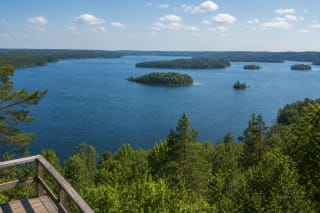
Lake Plateliai
The heart of Žemaitija National Park, with islands, ethnographic villages, and deep history.

Žemaičių Kalvarija Basilica
Samogitia's main pilgrimage sanctuary, with Stations of the Cross and major indulgence feasts.
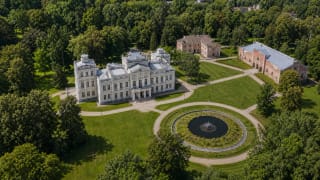
Plungė Oginski Manor
One of Samogitia's most impressive manors, now home to the Žemaičiai Art Museum.
Crafts and Folk Art
More about cross-crafting and other traditional Samogitian crafts.