Radviliškis District Municipality
Šiauliai Region
museum of Lithuanian Jewish shtetl memory
Žvejų g. 14, Šeduva
55.75290, 23.75420
3-4 hours; the official recommendation is not to rush
by reserved time, choosing a guided tour or audio guide if possible
Lost Shtetl, Dingęs štetlas
A museum about a world that disappeared
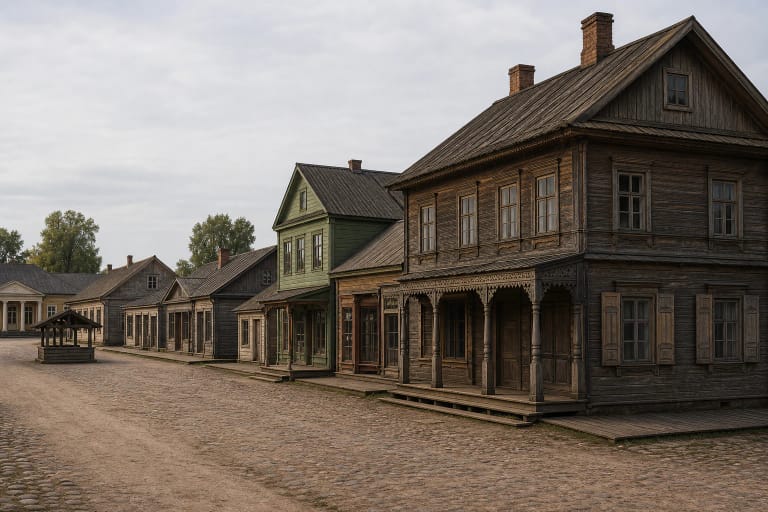
The Lost Shtetl Museum in Šeduva is dedicated to the memory of Lithuanian Jewish towns. Its name matters: here shtetl means not only a geographic town, but a social, religious, linguistic, and economic world destroyed in the Holocaust.
The official museum presents the history of Šeduva's Jewish community as a gateway into the wider story of Lithuanian Litvak shtetls. This makes it possible to speak not only about death, but also about life before it: daily routines, religion, trade, families, and languages.
The Šeduva Jewish community and its fate
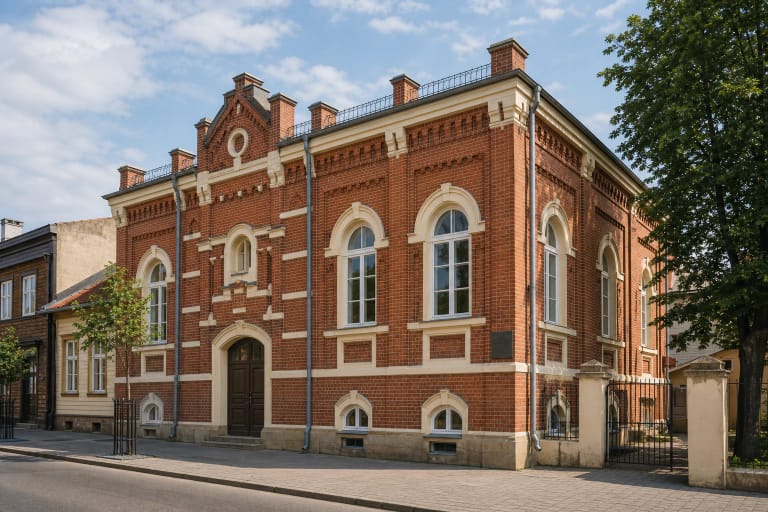
The shtetl world in Šeduva was not small. According to VLE, in 1897 Jews made up 61 percent of Šeduva's population; the town had two synagogues, major flax, horse, and timber markets, and many shops and workshops. This helps explain why Šeduva became a memory site for the whole shtetl world.
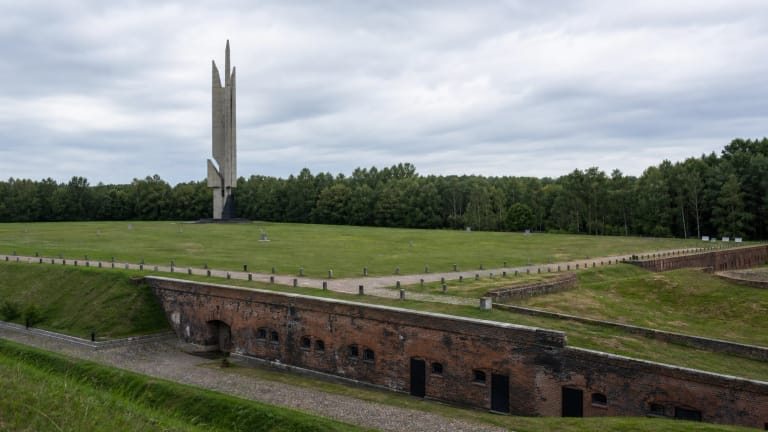
That world was destroyed in a few days. VLE states that on August 25-26, 1941, by order of Nazi German occupation authorities, about 800 Šeduva Jews were murdered in Liaudiškiai forest. The museum helps visitors understand that loss not as a number, but as the destruction of a real community.
Building, architects, and memorial setting
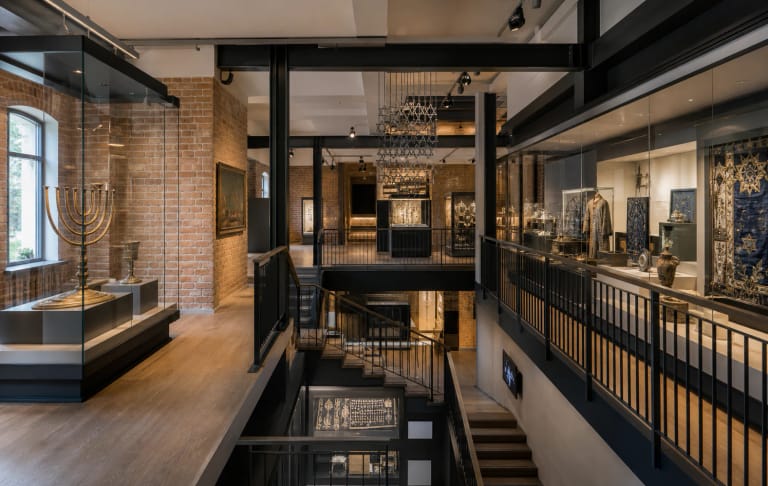
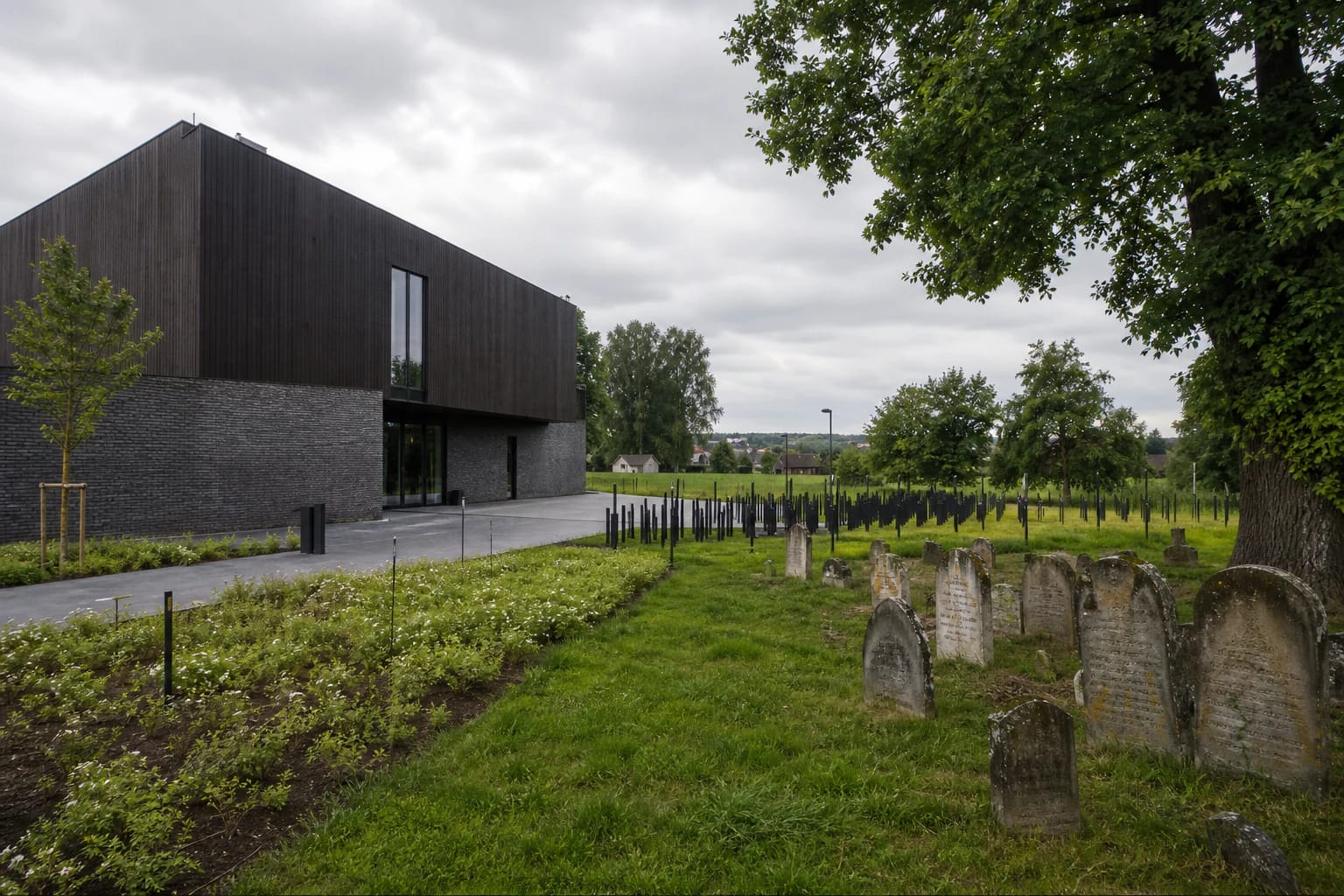
The museum opened on September 20, 2025. It is a very new institution of about 3,000 sq. m. The building, a complex of spaces of different heights and volumes, was designed by Finnish architect Rainer Mahlamäki of Lahdelma & Mahlamäki Architects, internationally known for museum work.
The exhibition design was created by the award-winning Ralph Appelbaum Associates, while the memorial-park landscape was designed by Enea Landscape Architecture. The building stands at Žvejų g. 14 in Šeduva beside the old Jewish cemetery, one of the few surviving witnesses of the once large community. Exhibition and landscape therefore work together as a memorial environment.
What the exhibition tells
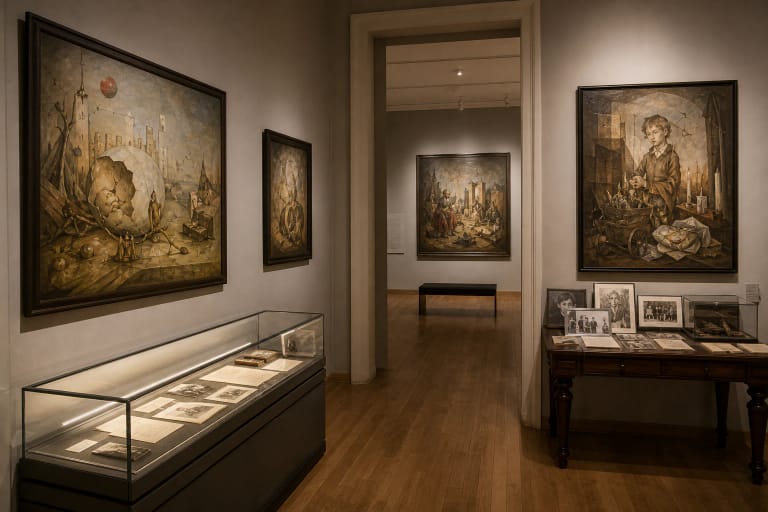
Official information says the exhibition is based on photographs, town plans, written sources, historical and religious objects, and video testimonies. This is important because shtetl history is reconstructed from many small traces, using modern museum technologies.
When visiting, look for details of everyday life: families, schools, prayer, trade, festivals, languages, occupations, and relationships with neighbours. Only then does Holocaust destruction become understandable not as abstraction, but as the loss of a living world.
How to visit
At research time, the official museum announced opening Tuesday-Sunday 10:00-18:00 and closed Monday. Admission was free, but reserving a free ticket was recommended. Free guided tours were listed at 10:00, 12:00, 14:00, and 16:00, and visitors could also choose a self-paced visit with an audio guide. Because the museum is new, check the official page before travelling.
The official recommended visit length was 3-4 hours. That is long for a museum, but meaningful here: the exhibition is designed for slow, respectful reading rather than a quick walkthrough.