- Field
- The craft of chimney sweeps, chimneys, flue cleaning, and heating-season fire safety
- Type
- traditional craft
- Heritage status
- living tradition
- Context
- Chimney sweeping, chimney sweep, chimney, flue, smoke channel, stove, soot, tar, cleaning brush, rope, weight, inspection opening, firebox, damper, heating season, fire safety, Klaipėda Chimney Sweep
Chimney sweep's craft, Chimney cleaning, Flue cleaning, Chimney maintenance
Chimney Sweeping forms and objects
Flue: A chimney or channel that carries smoke from a stove, range, fireplace, or boiler outdoors.
Soot: Black combustion residue that accumulates in flues and can ignite.
Tar: Sticky combustion residue often connected with unsuitable fuel, damp firewood, or poor draft.
Cleaning brush: A round metal or synthetic brush on rods or a rope, used to clean the chimney channel.
Inspection opening: An access point in a chimney or smoke channel through which soot can be inspected and removed.
What is chimney sweeping?
Chimney sweeping is the craft of cleaning and maintaining flues, chimneys, smoke channels, and the heating equipment connected with them. A chimney sweep removes soot, tar, blockages, and checks whether the smoke path is safe to use.
It is one of the most practical traditional crafts: its value is measured not by a picturesque black coat, but by whether the home overheats, smokes, or catches fire during the heating season.
In Lithuania today, chimney sweeping remains alive through professional work, care of stoves and flues, municipal and fire-safety recommendations, and, in urban folklore, the image of the lucky chimney sweep.
Flue and chimney
VLE defines the flue as a device for releasing smoke from stoves or boiler rooms. In a dwelling it usually passes through the building structure and rises above the roof.
For a chimney sweep the flue is the work field: its cross-section, straightness, inspection openings, draft, brick condition, and soot layer determine how it can be cleaned and what dangers to look for.
A chimney is not only the masonry column on the roof. It works together with the stove, the masonry oven (pečius), range, fireplace, boiler, roof, and air supply to the room.
Soot, tar, and draft
When solid fuel is burned, soot accumulates in flues. If combustion is poor, firewood is wet, or draft is unsuitable, sticky tar deposits may form. They are dangerous because they can ignite and overheat the chimney.
Good draft helps smoke leave, but it depends on the flue's condition, height, cleanliness, stove, air supply, and weather. A blocked or cracked channel changes the whole heating system.
A chimney sweep does more than brush out a black layer. He notices signs of wrong firing, too much moisture, a damaged chimney, or a dangerous smoke path.
Chimney sweep tools
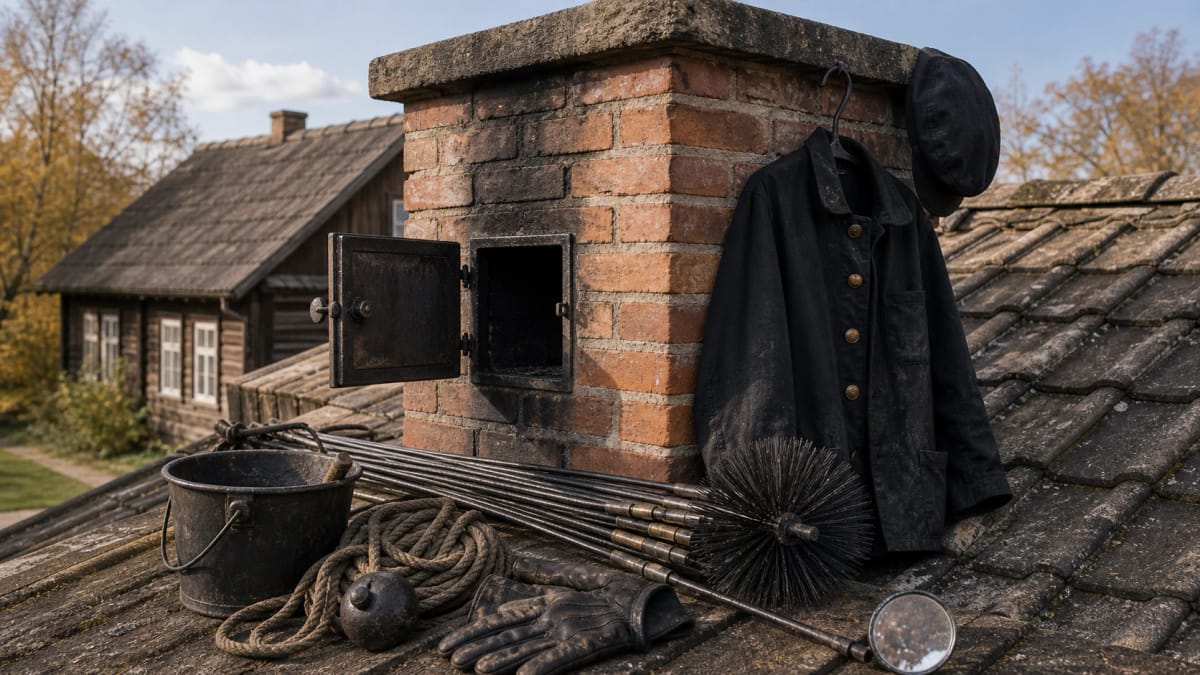
Main tools include brushes, flexible rods, ropes, weights, scrapers, soot buckets, mirrors, and modern cameras for inspection. The tool is chosen according to chimney type and channel condition.
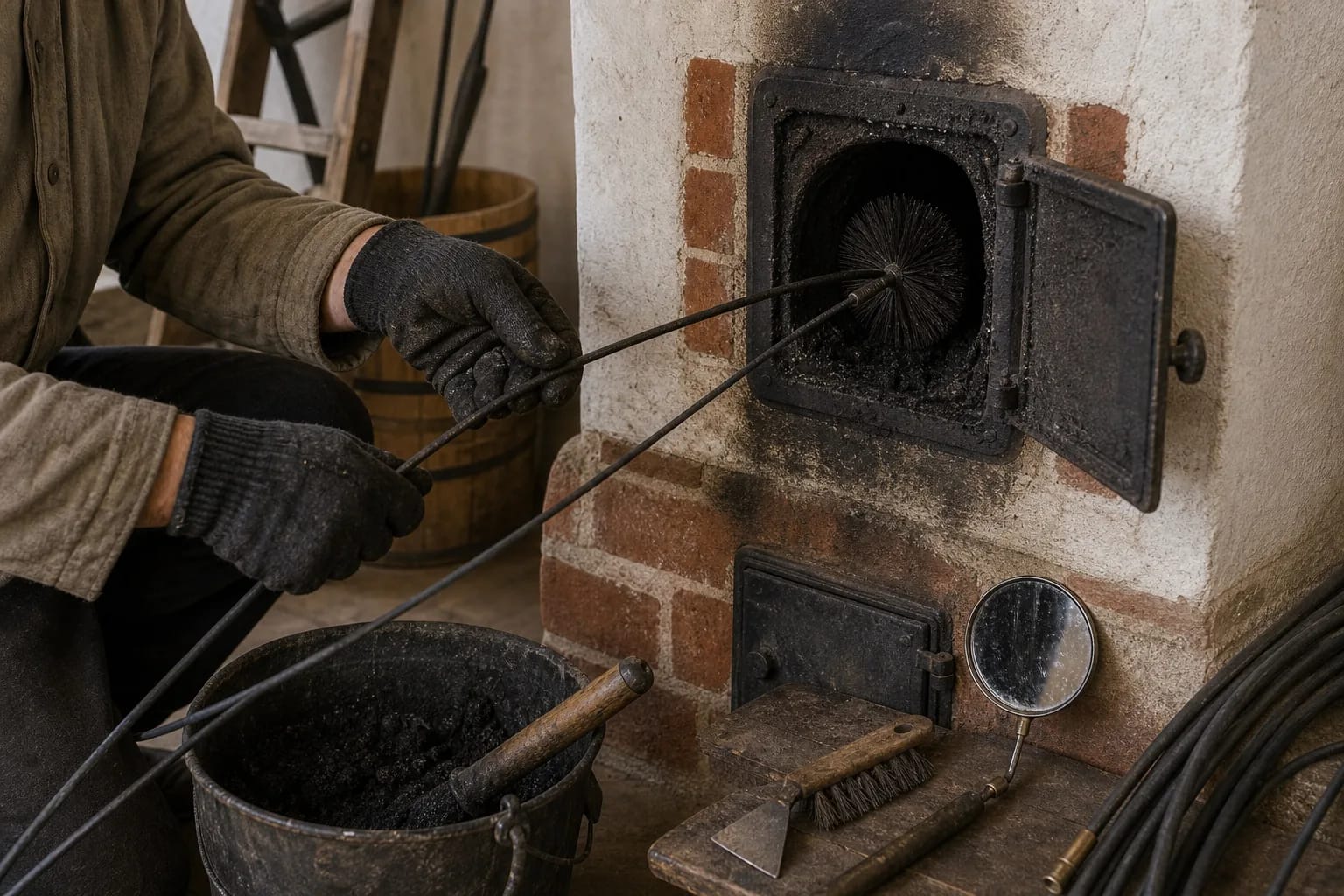
The traditional image of a chimney sweep, with black work clothes, hat, brushes, and soot-darkened face, grew from real work. Black clothing was practical because the work is inseparable from soot.
The romance of the tool must not be confused with safety. Work on roofs and near flues requires professional skill, fall prevention, and proper equipment.
Heating-season safety
Lithuania's Fire and Rescue Department repeatedly reminds residents to check and clean chimneys and stoves before the heating season. Defective flues, accumulated soot, and careless firing are among the causes of fires.
When heating, one should avoid wet firewood, not burn waste, not overheat the stove, keep combustibles away from the firebox, watch dampers, and ensure smoke does not enter rooms.
Safety must come first on a chimney-sweeping page. The lucky-symbol layer is pleasant, but real luck is a clean flue and a home that has not burned.
Connection with stove-building
The stove-builder builds and repairs the stove, while the chimney sweep maintains the smoke path and cleans the chimney. In practice the work is closely linked, because a stove cannot function properly without a safe flue.
If a stove smokes, drafts poorly, or quickly accumulates soot, the problem may be in the stove construction, the chimney, or firing habits.
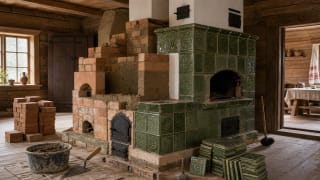
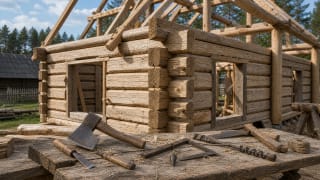
Old-house maintenance often needs knowledge from both fields: stove-builder, chimney sweep, and sometimes carpenter or roofer if the chimney intersects wooden structure or roof.
Wooden and straw-roofed buildings
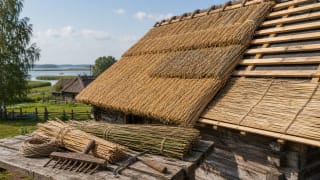
Traditional rural architecture included many wooden buildings, some with straw or reed roofs. In such houses the chimney and flue must be especially well maintained because fire risk is greater.
The chimney's place in the roof, distances from combustible structures, tightness, and spark control are not small details. A poorly maintained chimney can destroy not only one home but also a heritage building.
Chimney sweeping is therefore part of protecting wooden heritage. It protects not only the stove but the whole building.
The chimney sweep as a lucky sign
In Europe and Lithuania the chimney sweep is often associated with luck. The black clothes, a button, or touching a chimney sweep became part of urban folklore.
The Chimney Sweep sculpture on a roof in Klaipėda Old Town shows this symbolic layer: the chimney sweep becomes not only a craftsman but a sign of luck, urban coziness, and old-town memory.
Still, folklore should come after the craft. A chimney sweep brings luck first because he reduces fire danger.
What is easy to confuse?
A chimney sweep is not the same as a stove-builder, though their work is connected. The sweep cleans and checks flues and smoke channels; the stove-builder builds or repairs the stove itself.
Chimney sweeping is also not only roof work. Some cleaning may be done through inspection openings, from below, through rooms, or by special access, depending on the system.
Finally, chimney cleaning is not only an old-house issue. Any heating appliance using a flue needs maintenance according to its type and rules.