- Category
- Food heritage
- Reading time
- 5 min.
- Sources
- A food heritage learning guide based on the cited sources
Three questions about one ingredient
An old flour name can carry several kinds of information: the grain used, how it was ground, and what was separated afterwards. Begin by taking the description apart. The Lithuanian word kvietiniai identifies wheat; razavi and pikliuoti invite questions about preparation. A single adjective does not answer all three questions. This guide helps you read the ingredient. The milling page explains the craft, while individual food pages introduce dishes. Keeping those tasks separate prevents a vocabulary explanation from turning into an untested kitchen substitution.
Razavi: begin with a local account
The National Heritage profile of the Įstrica community describes razavi wheat flour as wholegrain flour and connects it with local zacirka. This gives us a specific, attributed example. When reading another account, first check whether wheat is also named: do not infer the cereal from razavi alone. Keep both the original word and your explanation in a family recipe record. If an informant compares the flour with a modern product, identify that comparison as theirs. It is useful evidence, but not a conversion table covering every historical context.
Pikliuoti: distinguish grinding from sifting
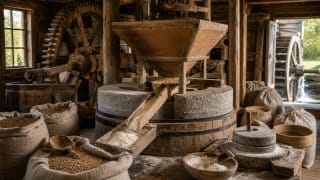
Aušra Museum presents the piklius in its Žaliūkiai windmill exhibition as a flour-sifting device. This points towards a separation stage, without establishing the exact composition of flour in a particular old recipe. Look at the surrounding words: are bran, a sieve, colour, rye or wheat mentioned? Record each clue separately. Do not silently replace an old description with a number from a modern flour packet. If a contemporary recipe author recommends a particular product, cite that author as the source of the choice.
Comparing two descriptions
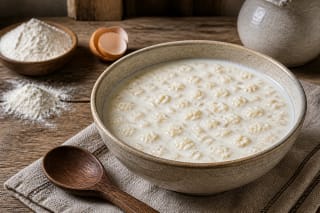
Make a four-line record: cereal, grinding description, sifting, and the place where the flour was used. Beside each statement, note who supplied it. Then compare two records. A shared dish name does not erase a difference between wheat and rye. If one account describes colour and another merely says flour, their level of detail differs. Leave missing information blank instead of completing it from memory. A photograph can supplement your notes, but the appearance of a bowl of flour does not establish its processing history.
What to record after a conversation
Ask where the flour came from, what the household called it and which dishes it was chosen for. Record the place and period being remembered. Even incomplete information matters: a grandmother's term documents family vocabulary without proving regional usage. If you later cook the dish, keep the modern product name and your observations in a separate trial record. Future readers can then distinguish the historical description from your practical decision. This guide does not report a cooking trial or promise that a particular substitution will give the same result. Leave room beside unfamiliar words for later clarification.