
Lithuania’s ethnographic regions
Suvalkija
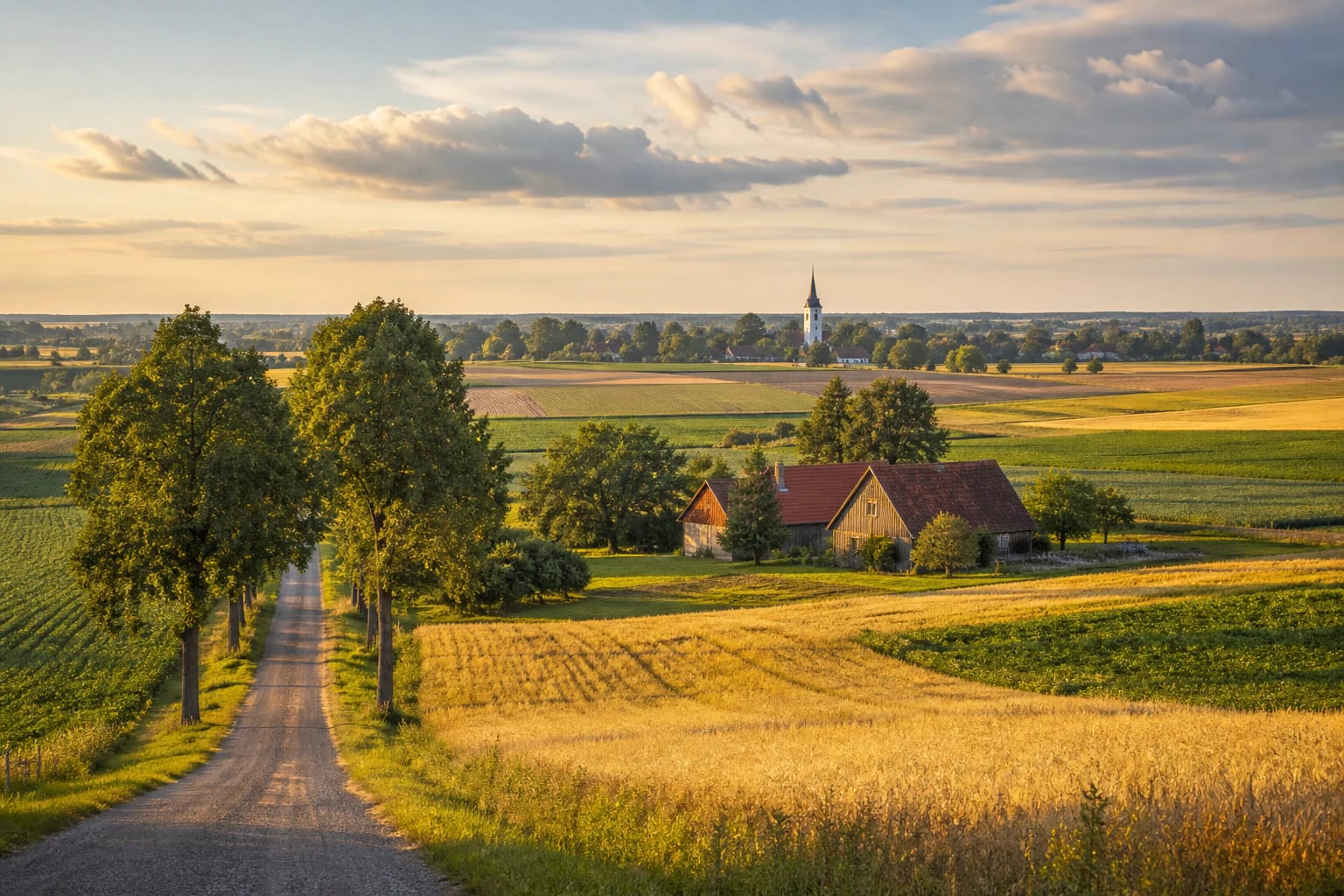
Suvalkija, also called Sūduva, is Lithuania's fertile south-western ethnographic region across the Nemunas, known for prosperous farmers, the Kapsai and Zanavykai speech groups, manor estates, and national-revival history.
Suvalkija
Where to start
Choose a place, compare visiting times or explore the area on the map.
Key places to visit in Suvalkija:

Vištytis Stone
Vištytis Stone is one of Lithuania's largest boulders and an important mythological object in Vištytis Regional Park, with a bowl-shaped hollow on top…
Beržyno Park
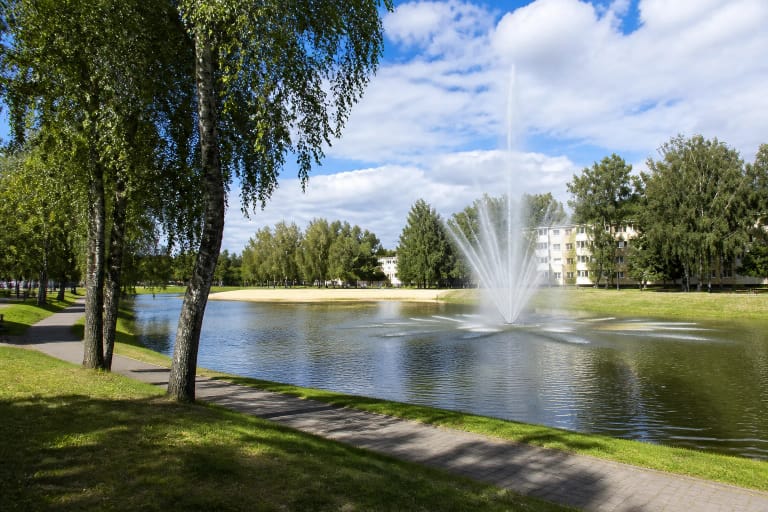
Beržyno Park is a public green space beside a pond in Prienai.
Marijampolė Poetry Park
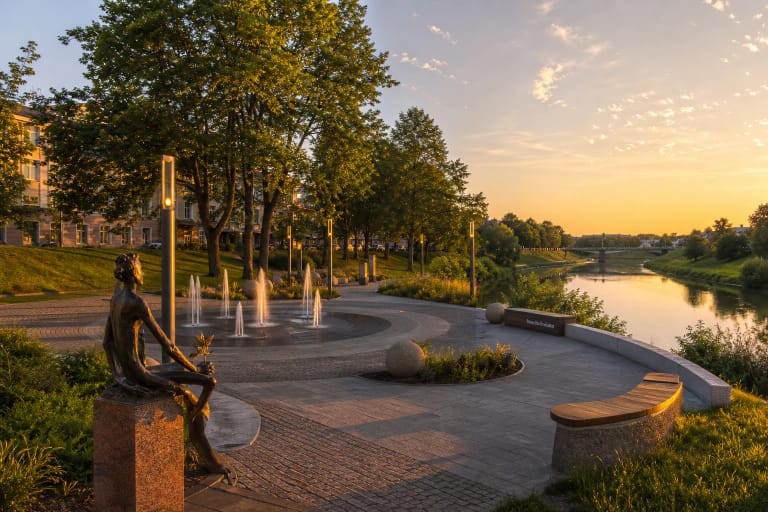
Marijampolė Poetry Park is a 4.36 ha green space in the city centre at the confluence of the Šešupė and Jevonis.
Marijampolė Sugar Factory
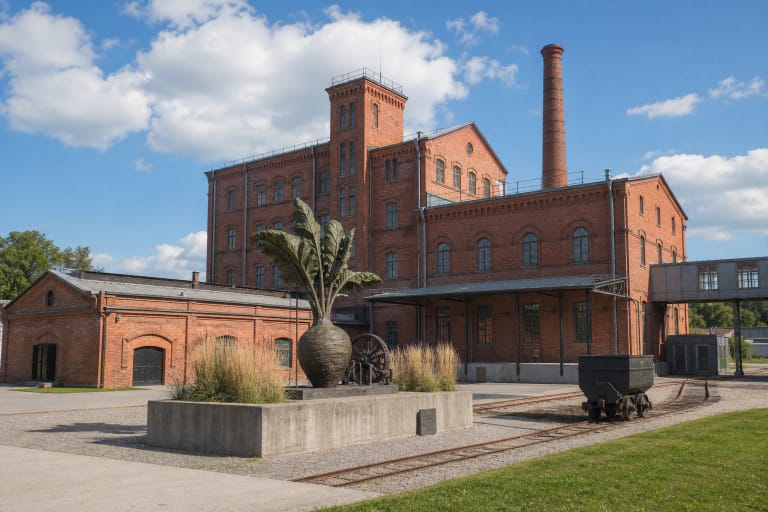
Marijampolė Sugar Factory is the oldest symbol of Lithuania's sugar industry.
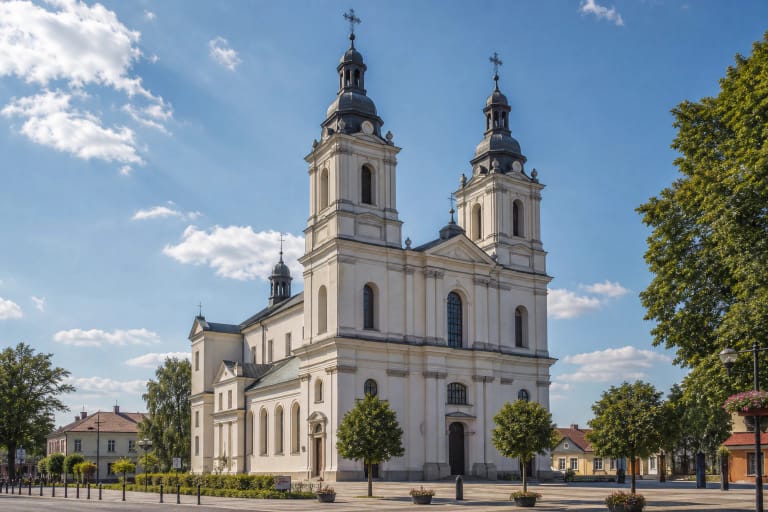
Vilkaviškis Cathedral
Vilkaviškis Cathedral is a symbol of loss and rebuilding: the 1884 Church of the Visitation of the Blessed Virgin Mary was damaged in World War II,…
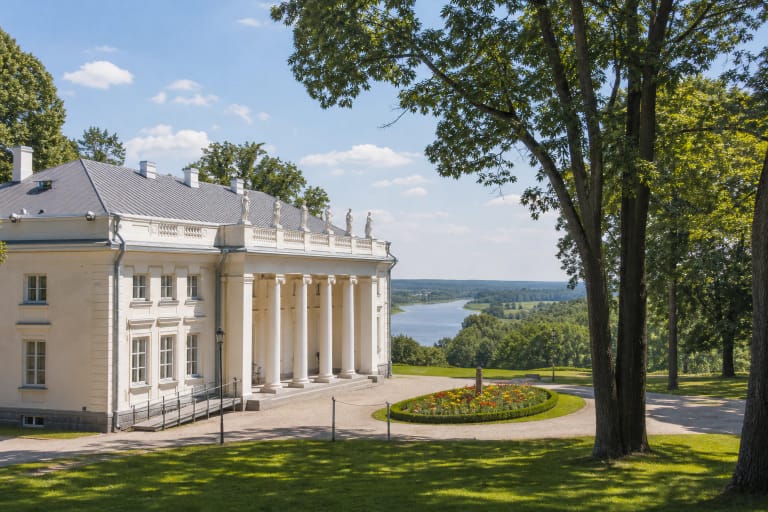
Gelgaudiškis Manor
Gelgaudiškis Manor (Cultural Heritage Register code 1013) is one of the most appealing manors in Panemunių Regional Park: the 1846 Neoclassical palace…
All places in this guide
Places on the mapVištytis Stone30-60 minutesBeržyno Park45-90 minutes, with longer time for the pond or park facilitiesMarijampolė Poetry Park30-90 minutes; longer during events or an evening walkMarijampolė Sugar Factory15-45 minutes for exterior viewing; interiors only if a visit is organizedVilkaviškis Cathedral20-45 minutes; longer during MassGelgaudiškis Manor1-2 hours; longer with a theatrical tour or park routeZypliai Manor1-2.5 hours; longer with a full-complex ticket and guideKiduliai Manor45 minutes-1.5 hours; longer with an event or educational programmeVincas Kudirka Museum in Kudirkos Naumiestis1-1.5 hours; longer with a town tourPaežeriai Manor1-2 hoursJonas Basanavičius Birthplace1.5-2.5 hoursOžkų Pečius30-60 minutesVarnupiai Hillfort45 minutes-1.5 hoursSudargas Hillfort Complex1.5-2.5 hours for the whole complexBukta Nature Trail45-90 minutes; about 2 km for the trailBalbieriškis Exposure30-45 minutesIlguva Manor1-1.5 hours, including the church and parkVilkaviškis Manor20-40 minutes for the exteriorKalvarija Synagogue Complex30-60 minutes for exterior viewingPajevonys Hillfort1-1.5 hours with the foothill settlementLepelionys Hillfort30-45 minutesPavištytis Hillfort20-40 minutesMarijampolė Basilica30-60 minutes; longer with the monastery museumTauro District Partisans and Deportation Museum45-75 minutesVištytis Regional Parkhalf day to full dayMarijampolė Regional and President Kazys Grinius Museum1-1.5 hoursBartninkai Church Ruins15-30 minutesŠilavotas Davatkynas45-60 minutes for the cottages and sculpture trailBeatričė Kleizaitė-Vasaris Art Gallery45-90 minutesMarijampolė Railway Station15-30 minutesVištytis Windmill30-45 minutes by prior arrangementNovaraistis Ornithological Reserve1-2 hours at the towerZanavykai Museum1-1.5 hours; with the manor, up to 2.5 hoursPotato Museum45-60 minutesLake Orijahalf a dayPlokščiai Viewpointa few minutes; about 1.5 hours with the trailZooparkas Trakėnai2-3 hours for the zoo; 3-5 hours when adding the playground and Dinosaur ParkVytautas the Great Park in Marijampolė30-45 minutes for the main circuit; 1-1.5 hours to read the memorials and examine the Jevonis channel at an unhurried paceSiesartis Riverbend Park in Lukšiai45-60 minutes for the pond, sculptures, and Millennium Gate circuit; up to 1.5 hours to examine the works and adjoining public spaces in the town centreChurch of the Name of the Blessed Virgin Mary in Kalvarija25-40 minutes for the exterior and gate; 45-60 minutes if the church is open and the interior can be seen without disturbing worshipSTIHL Rope Park in Kazlų Rūda1.5-2.5 hours; admission provides two hours on the courses after the safety briefingChurch of St Anne in Alvitas30-60 minutes for the church and churchyard; longer for Mass, a concert, or the Feast of St AnnePrienai Justinas Marcinkevičius Public Library45 minutes to 1.5 hours; longer for an event or a presentation arranged in advanceChurch of St Michael the Archangel and St John the Baptist in Jieznas35-55 minutes for the exterior and interior when open; about 1.5 hours with Jieznas square and the separate fragments of the Pac manorVištytis Hillfort40-60 minutes for the hill, enclosure, and panoramaKaupiškiai Hillfort30-60 minutes for the hillfort and panorama; longer if you examine both the enclosure and the relief around its footŠunskai Kneipp Trail20-35 minutes for the trail alone; 45-90 minutes with the Šunskai park, wood sculptures, and small cherry-tree hillPrienai Liberty Square30–60 minutesThree Lakes Viewpoint20-40 minutes for the viewpoint; 1-2 hours when combined with Pavištytis Hillfort and other nearby stopsFormer Ski Slope Viewpoint20-40 minutes at the viewpoint itself; about 2.5 hours on the official 3.4 km long circuit of Šilelis Nature TrailSvirkalnis Viewpoint30-60 minutes for the hill and panorama; up to 1.5 hours for a slow walk on roads where public access is permittedLakinskai Hillfort60-90 minutes to locate and examine the ramparts, ditch, enclosure, and footprint stoneMeškėnai Lime Tree15-30 minutes to view the tree's silhouette, trunk, and information board from a safe distancePadovinys Hillfort45-75 minutes to examine the two levels, enclosure, and landscape of the settlement around the footLiepa Motinėlė (Mother Lime Tree)15-30 minutes to view the trunk, cavities, crown, and information board from permitted accessPaežeriai Manor Oak20-40 minutes for the oak and nearby park, longer when combined with the manor museum, tower, and lakeshoreŽemoji Panemunė Hillfort I45-75 minutes for the stairs, enclosure, bank, ditch, and view across the Nemunas valleyMarijampolė Marių Park1-3 hours for the island paths, beach, a picnic, and an unhurried walk; allow half a day for swimming or separately charged private activitiesPiliakalniai Hillfort45-90 minutesGelgaudiškis Nature Trail1.5-2.5 hours for the full park circuit with stops; longer if visiting the manor house separatelyKazlų Rūda Forest Nature Trail1.5-2.5 hours for the 4 km walking circuit; about 45-90 minutes for the 6.5 km cycling route, depending on stops and surface conditionsGairiakalnis30-60 minutes for the summit, survey marker, sandy dune ridge, and pine-forest reliefLake Žaltytis Beach and Birdwatching Tower45 minutes to 2 hours; longer for unhurried birdwatchingMeškučiai Hillfort30-60 minutes to understand the surviving hillfort, the Šešupė valley, and the scale of the archaeological complexPagaršvys Hillfort30-60 minutes for the hillfort relief, summit, and foot landscape; allow more time only for a lawful walk on public roadsVišakio Rūda Sacred Spring30-60 minutes; up to 1.5 hours to see both chapels and the forest setting slowlyRūdšilis Partisan Trail1.5-2 hours for the 4 km circuit with stops at the bunker sites and memorials; allow longer if you intend to read the full trailhead panelLekėčiai Great Spring30-60 minutes for the spring and ravine stairs; about 1.5-2 hours when visiting it as part of the roughly 4 km Lekėčiai Nature TrailLake Paežeriai1-3 hours for the beach and shore; half a day if combining swimming, sailing, or Paežeriai Manor ParkDabravolė Multi-Stem Lime Tree20-40 minutes to examine the trunk cluster, shared crown, and setting at the foot of the hillfortŠėtijai Hillfort35-60 minutes for the approach, enclosure, rampart, and ditch; allow longer in wet conditions or when the undergrowth is densePlokščiai Grotto and Šventaduobė Spring30-60 minutes for the descent and spring site; 1.5-2 hours for the full Plokščiai Nature Trail of approximately 3.3 kmPapiliakalniai Hillfort30-60 minutes for the enclosure, rampart remains, wartime trench, and memorialPypliai Hillfort45-90 minutes for the summit enclosure, rampart, ditch, settlement setting, and Nemunas panoramaKačergų Hill30-60 minutes for the hill and panorama; longer if the nearest legal stopping place requires an approach on footVaiguva River-Street30-60 minutes for the river-street itself; 1.5-2 hours for the Plokščiai Nature Trail of approximately 3.3 kmMaštaičiai Hillfort60-120 minutes to examine the four fortified enclosures and the ancient harbour relief, excluding any walk needed to reach the complexPiliūnai Hillfort30-60 minutes to examine the surviving enclosure, rampart, and Rausvė valley settingKamša Nature Trail35-70 minutes for the short woodland circuit, longer when connecting with the Marvelė-Kačerginė cycle routeVištytis Holy Spring30-60 minutes for the spring and hill of crosses; about 1.5-2.5 hours for a complete circuit of the chosen Šilelis Nature Trail routeBačkininkėliai Hillfort45-75 minutes for the hillfort form, summit, and foot-settlement setting; allow longer to take in the wider Kauno Marios landscapeAltoniškiai Hillfort35-60 minutes for the wooden stairway, enclosure, rampart, ditch, and slope terracesPašlavantys Hillfort30-60 minutes to read the mound, ring rampart, and foot-settlement landscape; allow longer if current works affect the approachMenkupiai Hillfort45-90 minutes for the approach through the village-and-meadow landscape and for examining the foot, enclosure, rampart, and terracesNaravai Hillfort20-45 minutes to read the hillfort relief; allow longer when combining it with other places in the Nemunas LoopsVainatrakis Hillfort30-60 minutes for the approach, low summit, two ramparts and ditches, and the surviving traces of the Lutheran cemeteryDirvonai Hillfort30-60 minutes to read the summit, southeastern slope, and overall landform, excluding the time needed to find lawful accessKlebiškis Hillfort30-60 minutes to read the rampart, ditch, and foot-settlement landscape; allow extra time because the final approach is not verified as an improved routeDaukšaičiai Oak20-40 minutes for the trunk, broad crown, and field landscape, excluding a possible walk along the final field trackMisviečiai Hillfort30-45 minutes to read the hillfort earthworks, excluding the walk from a lawful stopping placeKampiniai Hillfort20-40 minutes to read the hillfort relief from a lawful public position, excluding the approachKieliškas Hillfort30-45 minutes to read the earthworks if a clear lawful approach is available on the day; allow extra time for an uncertain final approachPašventupys I Hillfort35-60 minutes to read the bank, ditch, summit, and valley landform; allow extra time if work under the ongoing access project alters the approachNaujienėlė Hillfort30-60 minutes for the enclosure, rampart, ditch, and outer bailey if a clearly lawful approach is available on the day; allow extra time for an uncertain final approachŽarijos II Hillfort30-60 minutes to read the wooded banks, ditches, and slopes; allow extra time to find a lawful approach from the public roadPrienai Regional Museum90-120 minutes for the principal exhibitions; longer with a pre-booked workshopJonas Basanavičius Square and the Nation and Language Monument30-45 minutes for the square and monument; 1.5-2.5 hours with Poetry Park, the basilica and museumMarijampolė Drama Theatre20-30 minutes for the facade, or about 2-3 hours with a performanceMarijampolė Evangelical Lutheran Church15-30 minutes for the exterior; about 30-60 minutes if entering for worship, a concert, or a pre-arranged visitMarijampolė Orthodox Church of the Holy Trinity20-35 minutes for the exterior, architectural details, and cemetery setting; longer if interior access is arranged or a service is taking placeViaduko Gallery10-20 minutes for the overpass itself; about 45-90 minutes if continuing along the 2.2 km outdoor-art routeMarijampolė Sports History Museum45-75 minutes; groups and visitors requesting a themed interpretation should agree the duration in advanceHistory Museum of Rygiškių Jonas Gymnasiumabout 45-60 minutes, according to the reserved visitKvietiškis Manor Estate45-90 minutes for the park, alleys, and visible exteriors; longer only for a pre-arranged interior or public eventGriškabūdis Church of the Transfiguration35-60 minutes for the church, belfry, and churchyard; longer during worship or for a visit arranged in advanceŠakiai City Carillon20-40 minutes to inspect the installation; allow longer if waiting for a confirmed soundingČekauskas Ethnographic Museum30-60 minutes for a tour, or about one hour for a selected workshopSuvalkietis Ethnographic Homesteadabout 1 hour for a booked introductory programme; longer if an activity, meal, or private stay has been arrangedKybartai Church of the Eucharistic Saviour35-60 minutes for the exterior, churchyard, and interior when open; longer if attending worship or Thursday adorationKybartai Underground Cellarsaccording to the programme arranged in advance; the complete historic Kybartai walk is usually advertised at about three hours, while no cellar-only duration is publishedKybartai Railway Pedestrian Overpass20-40 minutes; up to 1-2 hours with central Kybartai landmarksKalvarija Regional Museum and Horse Post Station Complex1-1.5 hours for the museum and all three exteriors; longer with a guided visit or education sessionKalvarija Evangelical Lutheran Church15-30 minutes for the exterior; the interior is not offered as a tourist attraction and requires permission from the building's managerJuodeliai Cliff30-60 minutes for the panorama and natural slope setting, provided local signs allow safe accessBūda Local History Museumabout 30-60 minutes for the collection; allow longer only when a talk or practical activity has been confirmed in advanceVišakio Rūda Museum of Everyday Life30-60 minutes; allow longer for an arranged guided visit or special activityPašešupis Park1-3 hours for the dendrological trail, Šešupė riverbank, and selected leisure areas; longer with children, a picnic, or swimmingCat Courtyard in Marijampolė10-30 minutes, longer during an event or when following nearby street artVilkaviškis City Garden30-75 minutesJuozas Lingys Park in Šakiai30-60 minutes, longer with children or bicyclesKlausučiai Rebirth Park45-90 minutes; longer during a concert or village festivalPrienai Nemunas Riverside Viewpoint20-45 minutes; longer with the riverside walkRamybės Memorial Park in Marijampolė30-60 minutesSlavikai Church of St Anne30-60 minutes; longer if you explore the churchyard and Slavikai surroundingsŠunskai Pheasantry45-75 minutes; longer with a booked educational programmePociūnai Airfield30-60 minutes to watch from an authorised area; allow 2-3 hours for a booked experience flight including preparation and weather delaysDegučiai Hammer Museumapproximately 45-60 minutes; agree the duration when bookingKristiano Alpacasapproximately 1-2 hours, depending on the chosen activity and children's paceKeturnaujiena Divine Mercy Chapel20-40 minutes for a quiet visit; longer when attending a serviceIšlaužas Church of Mary Help of Christians30-60 minutes; longer for Mass or a pre-arranged presentationKaimelis Church of St Michael the Archangel25-45 minutes for the church and churchyard; about one hour when attending MassŠilelis Nature Trailsabout 1.5 hours for the 2.4 km short route or about 2.5 hours for the 3.4 km long routeGiraitiškės Recreation Area30 minutes to 1.5 hours; longer if you add a walk in Prienai ForestDukurnonys Hillfort and Settlement45-90 minutes for the hillfort, the view over Lake Surmius, and the settlement landscape at its footLake Ygla1-2 hours; longer if you walk through Igliauka or spend unhurried time beside the waterJurgežeriai Lake45 minutes-1.5 hours; longer if you use the recreation-area setting or fish under current rulesKazlų Rūda City Park and Bird Trail45-90 minutes for a relaxed walk and Bird Trail visit; longer if combined with an event or other Kazlų Rūda sightsOrija Lake Beach1.5-3 hours for the beach and shoreline; longer if you walk by the lake or combine it with Kalvarija sightsGreat Gojus Oak45-90 minutes for the oak, sculptures, and a short restJieznas Lake Beach1-2 hours for the beach, park, and paths; longer when combined with the Jieznas routeGuostus Lake1-3 hours for a chosen shore point and quiet time, longer when combined with the Stakliškės routeNovaraistis Birdwatching Tower45 minutes-2 hours; during crane migration, allow time to stay until eveningGavaltuva Pond1-3 hours; allow longer for swimming, a picnic, and gamesBalsupiai Pond45 minutes-2 hours; allow longer for quiet landscape and birdwatchingJūrės Pond1-2 hours; travel only after checking the dam-repair and emergency statusPlokščiai Nature Trail1.5-2.5 hours for the main route of approximately 3.3 km with stopsKeturvalakiai Church of the Nativity of the Blessed Virgin Mary30-60 minutes; allow longer if your visit coincides with Mass or you want to walk around the churchyardBulotai House45-75 minutes; allow up to 1.5 hours with an education session or a longer conversationLiudvinavas St Louis Church30-60 minutes; allow longer during Mass or an indulgence feast, and respect the parish rhythmSt Vincent de Paul Church in Marijampolė30-60 minutes; allow longer during Mass, indulgence feasts, or commemorative eventsOžkaMalė Farm1.5-3 hours, depending on the programme and children's paceUpside-down Painting “Malonny”15-30 minutesGelgaudiškis Church of the Exaltation of the Holy Cross30-60 minutes; longer if you arrange access to the interiorParausiai Village Chapel of the Sacred Heart of Jesus20-40 minutes for the exterior and a quiet rural-landscape stopMemorial Museum of Lithuanian President K. Grinius45-90 minutes; longer for a guided visit or education programmeRabbit Museum45-90 minutes; allow about 2.5 hours for the Rabbit School education programme
About this area
Suvalkija, also known as Sūduva or Užnemunė, is the ethnographic region of south-western Lithuania on the left bank of the Nemunas: a land of fertile soils, prosperous farmers, and orderly homesteads. It gave Lithuania Vincas Kudirka, author of the national anthem, and many figures of the national revival. Visitors find handsome manors, Marijampolė and Vilkaviškis, the Zanavykai area, and the nature of Vištytis and Žuvintas.
Suvalkija: fertile Užnemunė
Suvalkija lies in south-western Lithuania, on the left bank of the Nemunas, which is why it is also called Užnemunė, the land beyond the Nemunas. It is a region of plains and Lithuania's most fertile soils, where agriculture prospered. That prosperity shaped the image of tidy, well-off farmsteads and thrifty farmers. In the south-west the region reaches the borders with Poland and the Kaliningrad Region near Lake Vištytis.
The region includes Marijampolė County, with Marijampolė, Vilkaviškis, Šakiai, Kalvarija, and Kazlų Rūda, as well as the Prienai area. The main centres are Marijampolė, Vilkaviškis, and Šakiai, while historic Zanavykija centres around Šakiai and Kudirkos Naumiestis. The name Suvalkija comes from the nineteenth-century Suwałki Governorate, while the older name Sūduva recalls the Sudovians, or Yotvingians, who once lived here.
History: early freedom and the national revival
After the Napoleonic Wars, Užnemunė belonged to the Duchy of Warsaw and later to the Kingdom of Poland within the Russian Empire. Serfdom was abolished here much earlier than in the rest of Lithuania, in 1807. This helped peasants become wealthier, educate their children, and become a driving force in the late nineteenth-century national revival.
Many Lithuanian national awakeners came from Suvalkija. Vincas Kudirka, author of Tautiška giesmė, Lithuania's national anthem, was born here, as were many signatories of the Act of February 16, 1918 and builders of the interwar state. Manor culture and strong farming communities shaped the region's towns and villages.
Skilandis, manors, and living traditions
Suvalkija's cuisine reflects a prosperous farming region. The best-known food is skilandis, a smoked meat product traditionally made in a pig's stomach, along with homemade sausages, smoked meats, potato dishes, and bread. Festive tables often carry rich, substantial foods that reflect the region's agricultural abundance.
Manor heritage, Classicist architecture, and the tradition of orderly farmsteads are important cultural signs. Calendar customs, songs, and crafts remain alive, while Zanavykai and regional museums preserve local distinctiveness. Traditional-food and seasonal-custom pages give broader context.
What to see: manors, towns, and nature
Manor lovers should visit Paežeriai Manor near Vilkaviškis, with its Classicist palace and park, and Zypliai Manor in Šakiai District, one of the largest regional ensembles. Urban heritage appears in Marijampolė's Basilica of St Michael the Archangel, Vilkaviškis Cathedral, and the Marijampolė Regional Museum.
For national-revival history, visit the Vincas Kudirka Museum in Kudirkos Naumiestis and the Zanavykai Museum. Nature routes lead to Lake Vištytis by the Polish border, Žuvintas Biosphere Reserve, and Kazlų Rūda forests. The places-to-visit stream below gathers the full regional list.
Practical tips for travellers
Suvalkija is compact and easy to reach. The main Vilnius-Kaunas-Marijampolė-Suwałki route passes through it, so the region can be visited even on the way to Poland. A car is easiest for manor and museum routes, and the trip pairs well with Kaunas or Vištytis nature.
Many manors and museums work seasonally or by prior arrangement, so book tours in advance. In the protected areas around Vištytis and Žuvintas, follow visiting rules. Regional homesteads and inns are good places to try local skilandis and homemade meat products.
Suvalkija: frequently asked questions
Where is Suvalkija?
Suvalkija is south-western Lithuania's ethnographic region on the left bank of the Nemunas, in Užnemunė, including Marijampolė County and the Prienai area.
Why is Suvalkija also called Sūduva?
Sūduva is the older regional name, recalling the Sudovians or Yotvingians who once lived here. Suvalkija comes from the nineteenth-century Suwałki Governorate.
Who are the Kapsai and Zanavykai?
They are two western Aukštaitian groups in Suvalkija: Kapsai live around Marijampolė and Vilkaviškis, while Zanavykai live around Šakiai and Kudirkos Naumiestis.
Why is Suvalkija seen as a prosperous farming region?
It has Lithuania's most fertile soils, and serfdom was abolished here in 1807, allowing farmers to gain wealth and education earlier than elsewhere.
Why is Suvalkija important to Lithuanian history?
Many national-revival figures came from the region, including Vincas Kudirka, author of Lithuania's national anthem, and several signatories of the February 16, 1918 Act.
What traditional food is associated with Suvalkija?
The best-known food is Suvalkian skilandis, a smoked meat product, along with homemade sausages, smoked meats, and rich potato dishes.
What should you see in Suvalkija?
Paežeriai and Zypliai manors, Marijampolė Basilica, Vilkaviškis Cathedral, the Vincas Kudirka Museum in Kudirkos Naumiestis, and Lake Vištytis.
Is Suvalkija easy to visit en route?
Yes. The main route between Kaunas and Poland crosses the region, making Suvalkija easy to add to a trip south from Kaunas or toward Suwałki.
Suvalkija: what else to see
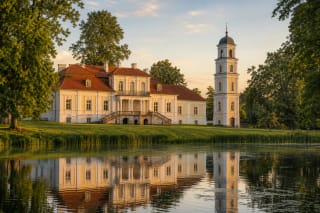
Paežeriai Manor
One of Suvalkija's most beautiful manors, with a Classicist palace and park near Vilkaviškis.
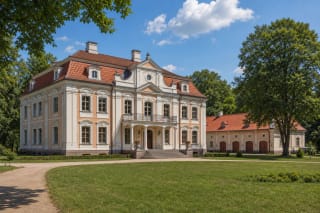
Zypliai Manor
A large manor ensemble in Šakiai District, now a culture and craft centre.
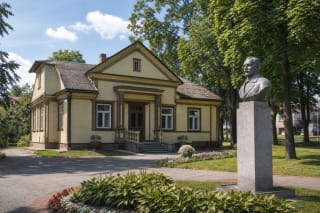
Vincas Kudirka Museum in Kudirkos Naumiestis
A museum dedicated to the author of Lithuania's national anthem in the Zanavykai region.
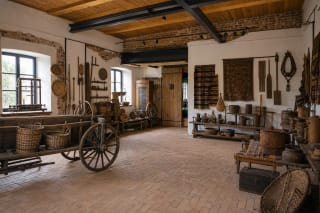
Zanavykai Museum
A museum presenting the everyday life, farming, and cultural history of the Zanavykai area.
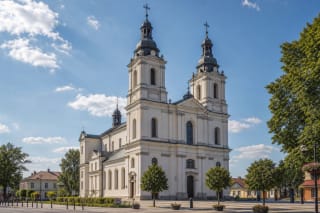
Vilkaviškis Cathedral
The centre of the Vilkaviškis Diocese and Suvalkija's most important sacred building.