
Lithuanian traditional foods
Trauktinės
Trauktinės are strong, aromatic alcoholic drinks with a bitter edge, made by pouring spirit or vodka over herbs, roots, seeds, and berries and letting them steep. This is a broader category than one specific liqueur: from homemade herbal infusions to industrial Lithuanian trauktinės.
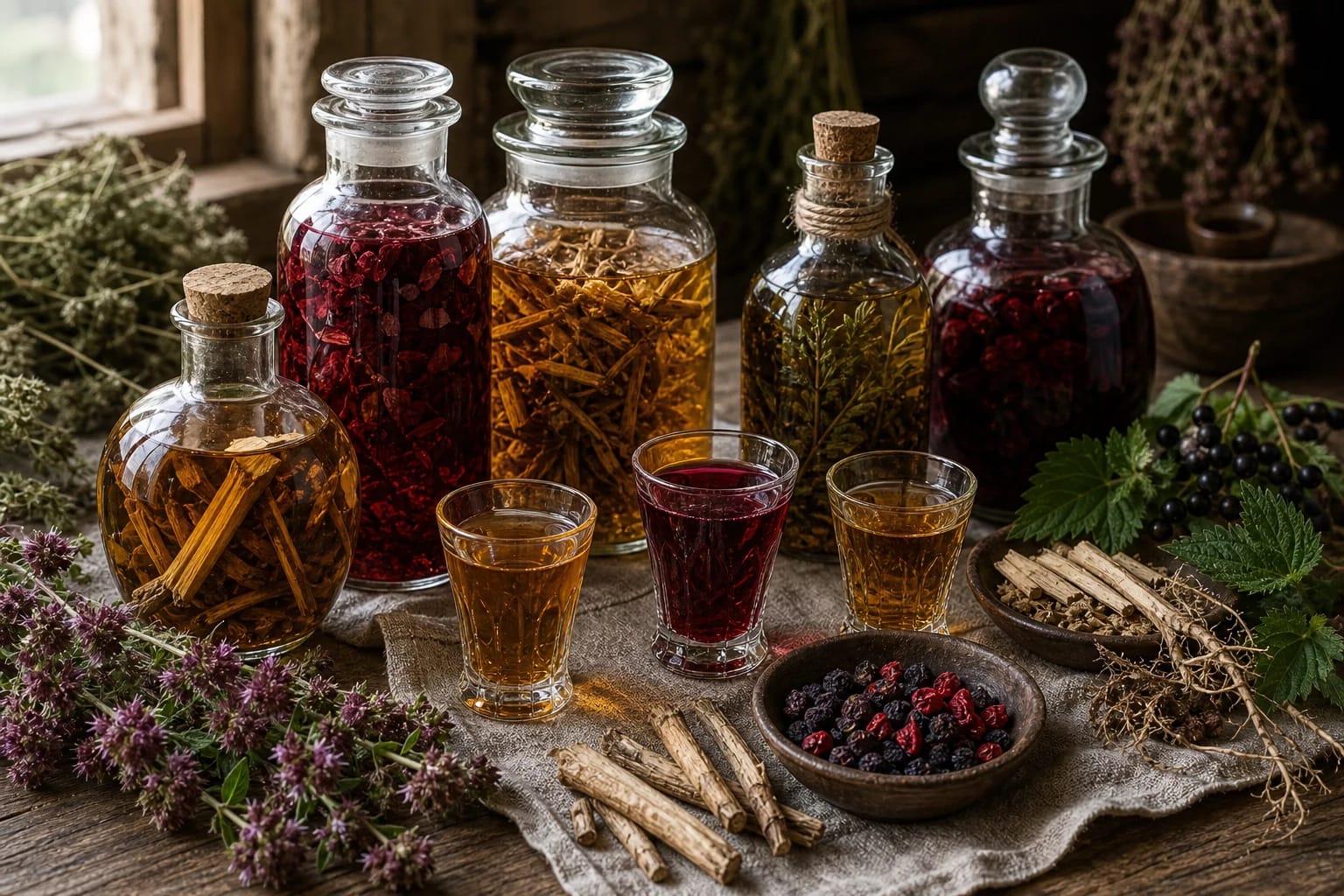
Food and heritage context
- Category
- Drinks
- Type
- strong aromatic alcoholic infusion of herbs, roots, and berries
- Heritage status
- well attested
- Context
- Užpiltinė, medicinal herbs, roots, berries, vodka, spirit, bitter trauktinė, semi-sweet trauktinė, moderate consumption
Names and variants
Užpiltinė, Antpilas
What is trauktinė?
Trauktinė is a strong, aromatic alcoholic drink with a bitter and sharp taste. According to the Universal Lithuanian Encyclopedia, it is made by mixing food-grade ethyl alcohol with aromatic substances, such as alcoholic extracts of medicinal plants, herbs, roots, leaves, seeds, and citrus peel, plus drinking water and other additions.
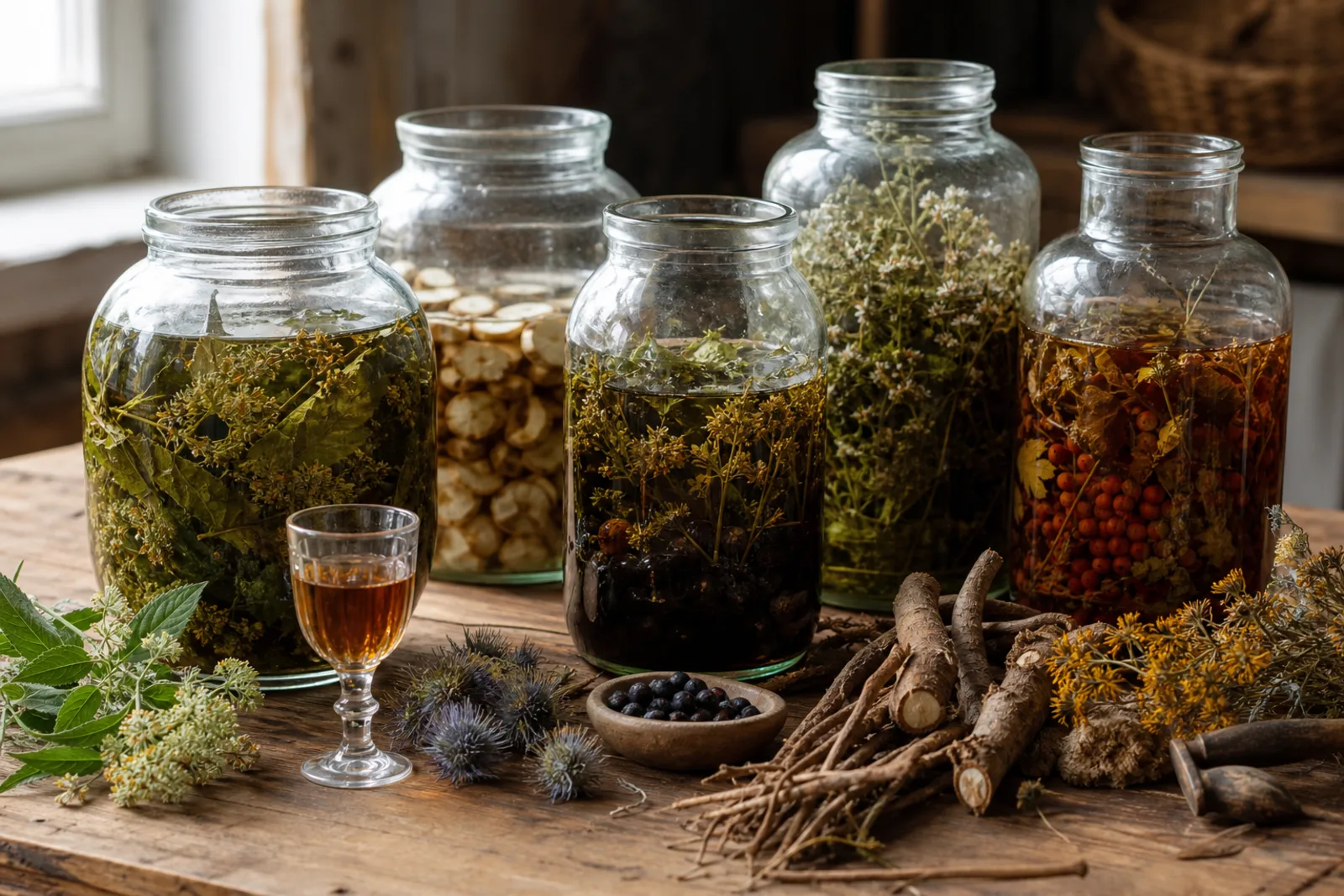
The folk name užpiltinė describes its essence precisely: alcohol is poured over aromatic ingredients and left until it takes on their taste, color, and scent. Trauktinė is therefore not one specific drink but an entire family, from herbs steeped in vodka at home to industrial Lithuanian trauktinės.
It is important not to confuse trauktinė with individual examples. Krupnikas, mead, or specific branded trauktinės are only members of this category or related drinks, while trauktinė itself is the general method and drink group.
Trauktinė, krupnikas, and mead: how they differ
Krupnikas is one specific trauktinė, a honey and spice liqueur dominated by honey, cinnamon, cloves, and other warming spices. It is one recipe among many possible ones, while trauktinė covers the whole practice of infusing alcohol with any aromatic ingredient.
Mead differs even more: it is a fermented honey drink made by fermenting a honey solution, not by pouring strong alcohol over ingredients. Mead therefore belongs to the family of fermented drinks together with beer and gira, not to infusions.
In short: mead is fermented; krupnikas and other trauktinės are infused. Honey or spices often connect all three drinks, but their technology and place in the kitchen differ.
The homemade infusion tradition
The traditional root of trauktinė is the homemade užpiltinė: in rural households, herbs, roots, and berries were covered with homemade vodka and left until the drink gained the desired flavor. Ethnologists note that such infusions were not only part of hospitality but also part of the household 'medicine chest', where people tried to use them for various ailments.
Wikipedia notes that the making, recipes, and use of trauktinės were passed from generation to generation, while the first plant-ingredient formulas are associated with monks: aromatic herbs and spices were grown near monasteries, used for mixtures, and experimentally turned into spirits and liqueurs consumed as medicines.
This folk and monastic practice of infusions, rather than specific branded products, is the basis of trauktinė as a tradition. The age of branded trauktinės should not be exaggerated; they are a later, industrial shaping of an older practice.
Ingredients and additions
The ingredients for trauktinės are very varied. Medicinal and aromatic herbs, roots, leaves, seeds, citrus peel, fresh and dried fruits and berries, and their seeds and pits may be used. For Lithuanian infusions, oregano, thyme, mint, calamus or sweet-flag roots, caraway, blackcurrants, sea buckthorn, cranberries, and raspberries are especially suitable.
Besides aromatic ingredients, trauktinė often contains additions: sugar, fruit and berry juices, starch syrup, and organic acids. The Universal Lithuanian Encyclopedia notes that brandy or wine is sometimes added too. These additions determine the drink's sweetness, body, and color.
The base is always strong alcohol: food-grade ethyl alcohol or vodka. It extracts aromatic, flavor, and coloring substances from the ingredients, while water helps reach the desired strength.
How it is made: technology
The technology is simple. Aromatic ingredients are covered with alcohol and left to stand so the drink takes on their flavor, color, and aroma. According to Wikipedia, the main stages are preparing the raw material, mixing the composition, aging the mixture, and filtering.
The Universal Lithuanian Encyclopedia describes the industrial version: the components are mixed, the mixture is diluted with water, and after 1-3 days it is filtered and bottled. At home, the infusion is usually held longer, for several weeks, so the flavor of herbs and berries has time to move into the alcohol.
The differences between drinks come less from technology than from ingredients. The amount of alcohol determines strength, herbal infusion brings bitterness, and aromatic and coloring substances create each trauktinė's distinct scent and color.
Types of trauktinės
According to the Universal Lithuanian Encyclopedia, trauktinės are grouped by strength and sweetness. Sweet trauktinė has 16-25% alcohol by volume and 8-30% sugar; semi-sweet has 30-40% alcohol and up to 10% sugar; bitter has 25-60% alcohol and up to 7% sugar. Wikipedia adds that a typical trauktinė strength is about 40-45%.
Lithuania mostly produces semi-sweet and bitter trauktinė. Semi-sweet examples include Palangos, Dainavos, and Čepkelių trauktinės; bitter examples include Trejos devynerios and Starka. In bitter styles, herbal bitterness is often balanced with a little sweetness so it does not dominate completely.
It is worth knowing that the boundaries of the types have changed. Wikipedia notes that before Lithuania joined the European Union, a broader classification was used, including sweet, weak, semi-sweet, and bitter, but after labeling rules changed this grouping almost disappeared from labels.
How it is drunk and served
Trauktinė is drunk in small amounts. It is strong and intensely flavored, not an everyday or thirst-quenching drink. Bitter trauktinės are often served before or after a meal in small glasses, while sweeter ones suit desserts.
Rich, fatty, or piquant snacks go well with trauktinė: meat products, cheese, fermented foods, and, for sweeter infusions, berries, nuts, or spiced pastries. Bitter trauktinės pair well with substantial food.
Unlike hot krupnikas, many herbal and berry trauktinės are drunk at room temperature or slightly chilled so their fresh aroma remains. There is no need to heat a drink that has already been mixed with alcohol.
Responsible consumption
Trauktinė is a strong alcoholic drink. Historical or heritage description should not become an invitation to drink and is not a health promise. Although infusions were once treated as household 'medicines', today that is best understood as a cultural fact, not a medical one.
When making and consuming trauktinės, follow current law, do not drive after drinking, do not offer alcohol to minors or to people for whom it is unsuitable, and use only clearly known edible herbs and berries in homemade infusions.
Moderation is also part of taste: good trauktinė is valued for aroma and balance, so it is drunk slowly and in small amounts, not in quantity.
Recipe
How to prepare a homemade herb and berry infusion
Herb and berry infused spirit
This is the principle for a homemade herb and berry infusion, or trauktinė: strong alcohol is poured over aromatic ingredients and left to stand so the drink takes on their flavor, color, and aroma. When making alcoholic drinks, follow current legal requirements and consume responsibly.
Ingredients
Method
- Place the herbs, roots, and berries in a clean wide-necked jar or bottle and add the peel.
- Pour in enough alcohol to fully cover the ingredients and close tightly.
- Keep in a dark, cool place for 2-3 weeks, shaking daily or every few days.
- Taste it: when the flavor and color are right, strain through cheesecloth or a fine sieve.
- If you want it sweeter, mix in cooled sugar or honey syrup and mature for a few more days.
- Filter into a clean bottle, close tightly, and store cool; the flavor softens further over the next few weeks.
Notes
Trauktinė is a strong alcoholic drink, not a medicine or health remedy.
Use only clearly identified edible herbs and berries; if you are unsure about a plant, do not add it.
For a bitter trauktinė, use more herbs and almost no sugar; for a sweet one, use more berries and sugar and less bitterness.
Related pages about Trauktinės
Krupnikas
Krupnikas is one specific honey and spice trauktinė, so it helps show the difference between a single infusion and the whole category.
Mead
Mead is a fermented honey drink, not an infusion, so it should not be confused with trauktinės.
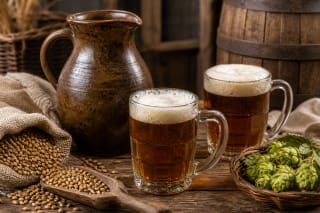
Homemade beer
Homemade beer shows another branch of homemade drinks: fermentation rather than alcoholic infusion.
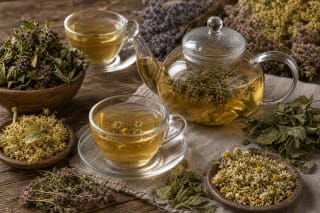
Herbal teas
The same medicinal herbs form the basis of both non-alcoholic teas and trauktinės.
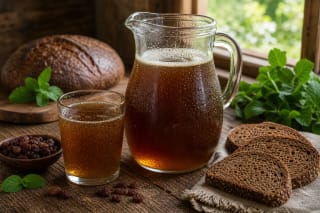
Gira
Gira is a reminder that not all traditional homemade drinks are strong or alcoholic.
Trauktinės: frequently asked questions
How is trauktinė different from krupnikas?
Krupnikas is one specific trauktinė, a honey and spice liqueur. Trauktinė is the broader category: any drink made by infusing alcohol with herbs, roots, or berries. All krupnikas is trauktinė, but not all trauktinės are krupnikas.
How is trauktinė different from mead?
Mead is fermented from a honey solution, while trauktinė is infused: strong alcohol is poured over ingredients. Mead therefore belongs to fermented drinks, while trauktinė belongs to infusions.
What is užpiltinė?
It is a folk name for trauktinė. It describes the method: alcohol is poured over herbs, roots, or berries and left until it takes on their flavor, color, and aroma.
How strong are trauktinės?
According to the Universal Lithuanian Encyclopedia, sweet trauktinės have 16-25% alcohol, semi-sweet 30-40%, and bitter 25-60% alcohol by volume. Wikipedia gives a typical strength of about 40-45%.
What herbs and berries suit homemade trauktinė?
Medicinal and aromatic herbs, roots, citrus peel, and berries such as blackcurrants, sea buckthorn, cranberries, and raspberries are often used. Choose only clearly identified edible ingredients.
How long should trauktinė steep?
At home, a herb and berry infusion is usually kept for 2-3 weeks, shaking occasionally. In industry, mixtures may be filtered after only 1-3 days because they use prepared extracts.
Does trauktinė need to be sweetened?
Not necessarily. Bitter trauktinės need almost no sugar, while sweeter ones are mixed with sugar or honey syrup. Sweetness can be adjusted to taste.
Is trauktinė medicine?
No. Although infusions were historically treated as home remedies and prepared by monks as medicinal drinks, today trauktinė is a strong alcoholic drink, not a treatment or health product.
Are Lithuanian branded trauktinės very old?
The herbal-infusion tradition itself is old and folk-based, but specific branded products such as Trejos devynerios or Starka are later industrial forms of that older tradition, so their antiquity should not be overstated.