
Lithuanian traditional foods
Juka
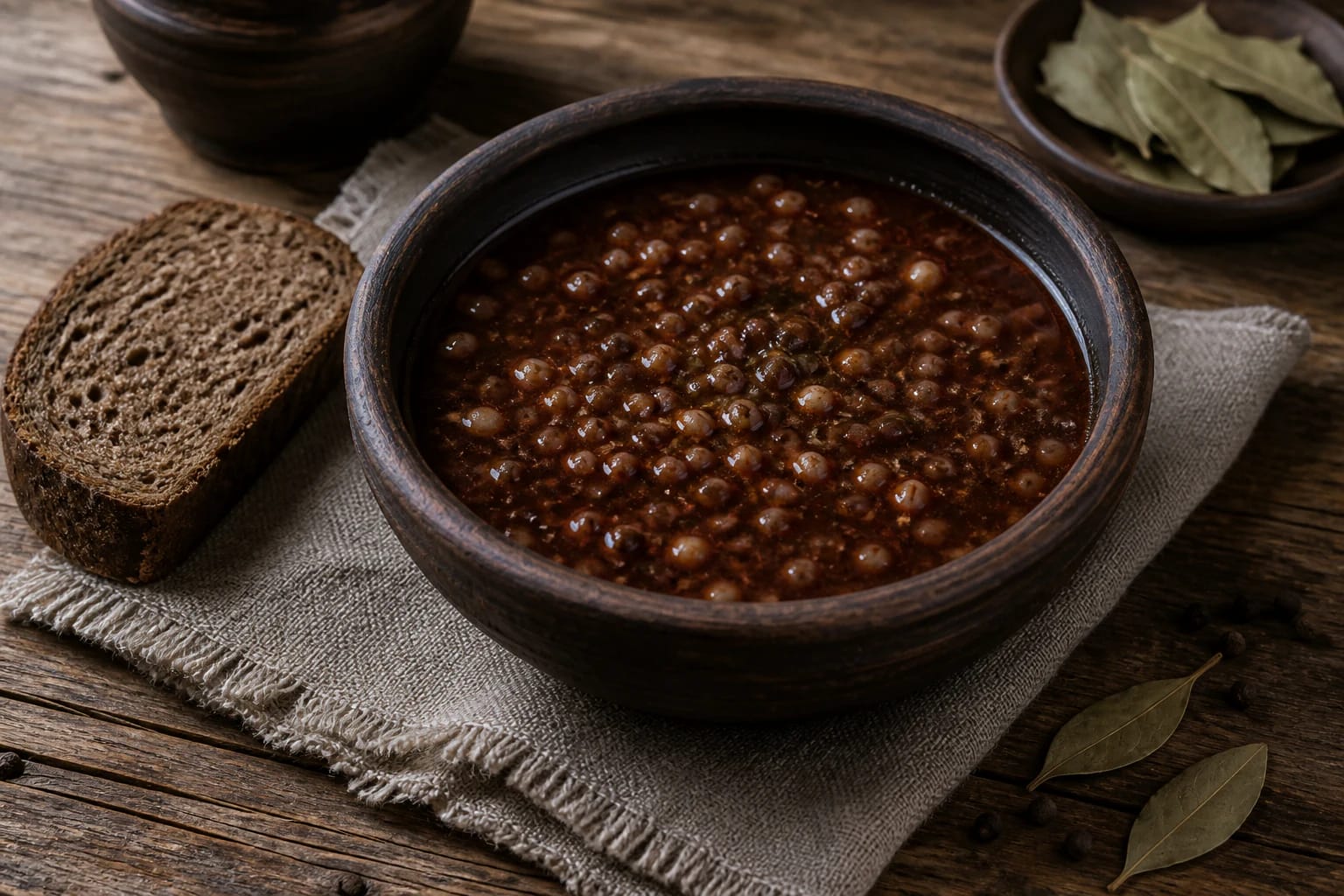
Juka is an old blood soup associated with pig slaughter and the thrift of rural farm kitchens. It is a dish many people no longer make today, but it is important for understanding how traditional cooking used the whole animal.
Food and heritage context
- Category
- Soups
- Type
- blood soup with groats or flour-based additions
- Heritage status
- regional and vanishing tradition
- Context
- Blood, pig slaughter, groats, spices, vinegar, food thrift, old rural kitchen
Names and variants
Blood soup, Pig-slaughter soup
What is juka?
Juka is a blood soup traditionally associated with pig slaughter. Such dishes came from farm logic: the animal had to be used as completely as possible.
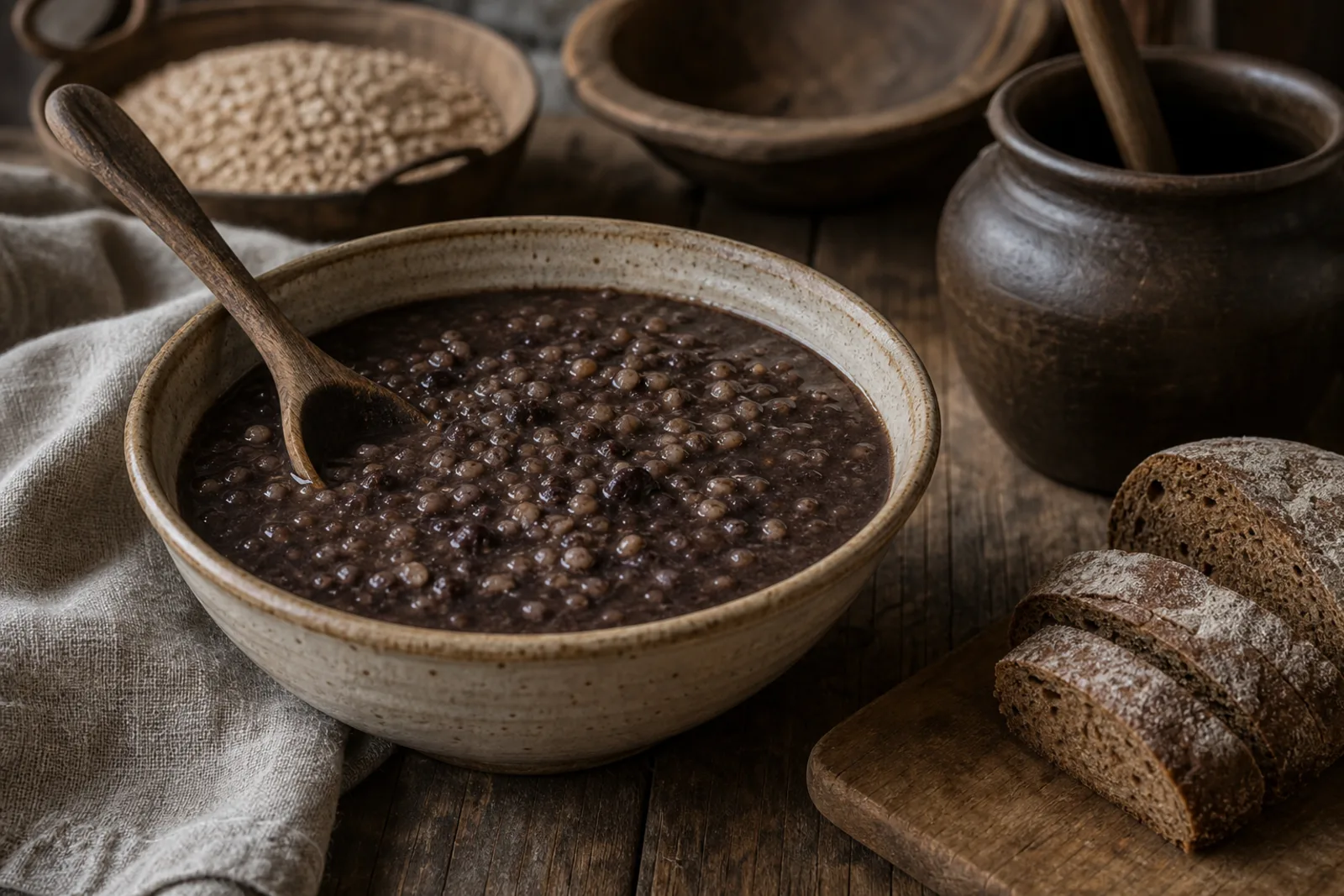
Today juka seems unusual to many people, but from the point of view of culinary heritage it helps explain the reality of the old rural kitchen.
The pig-slaughter context
Pig slaughter was not only meat preparation but also communal work. On that day, quick dishes were made from fresh parts that were not convenient to store for long.
Blood soup belongs to this short-lived food: it is made quickly and eaten fresh. According to the Universal Lithuanian Encyclopedia, vedarai were also traditionally made from pig blood by mixing it with coarsely ground flour or groats and cracklings, stuffing the mixture into large intestines, and baking it in an oven; juka shows the liquid side of the same pig-slaughter kitchen.
Flavor and acidity
Juka often needs acidity. Vinegar affects not only the texture but also balances the strong flavor of blood.
Groats, onion, pepper, bay leaves, or marjoram make the soup heartier and milder.
Food safety today
For a modern reader, the most important point is not romanticism but safety. Blood is a highly perishable product, so it must be obtained, stored, and cooked properly.
If there is no reliable source or experience, it is better to know juka as a heritage description rather than improvise it in the kitchen.
Recipe
How was juka traditionally prepared?
Juka is a sensitive dish because it requires fresh blood handled safely. This recipe outline is presented as a description of culinary heritage; modern food safety must be followed if preparing it.
Ingredients
Method
- Cook the groats in the stock with the bay leaf until tender.
- Finely chop the onion and add it to the soup.
- Mix the blood with vinegar so it does not clot into large lumps.
- Lower the heat and pour in the blood in a thin stream while stirring. Do not let the soup boil hard.
- Season with salt, pepper, and marjoram. Serve with rye bread.
Notes
Blood must come from a reliable, food-safe source. If in doubt, do not make this dish.
Vinegar helps keep a more even texture and adds acidity.

Juka: frequently asked questions
What is juka?
It is a traditional blood soup, most often associated with pig slaughter and the old rural kitchen.
What is juka made from?
Fresh blood, stock, groats, onions, acid, and spices. Variants differ by locality and family.
Why is vinegar added to juka?
Vinegar helps the blood avoid clotting into large pieces and gives the soup needed acidity.
Is juka eaten today?
Rarely. It is more a vanishing or regional heritage tradition than an everyday modern dish.
Is it safe to make juka at home?
Only with a reliable food-safe blood source and careful hygiene. If in doubt, it is better not to make it.
How is juka different from blood sausage?
Juka is a soup, while blood sausage is a product stuffed into casing and cooked with groats or other additions.
What is juka served with?
Most often with rye bread, sometimes with potatoes or simple side dishes from the pig-slaughter table.