- Type
- Goddess
- Domain
- Forests, wild animals, hunting, woodland
- Source status
- well attested
Medeinė, Žvorūna, Žvorūnė
Who is Medeina in Lithuanian mythology?
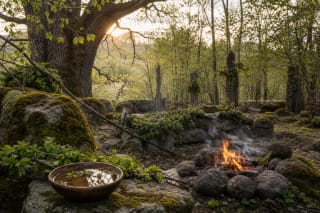
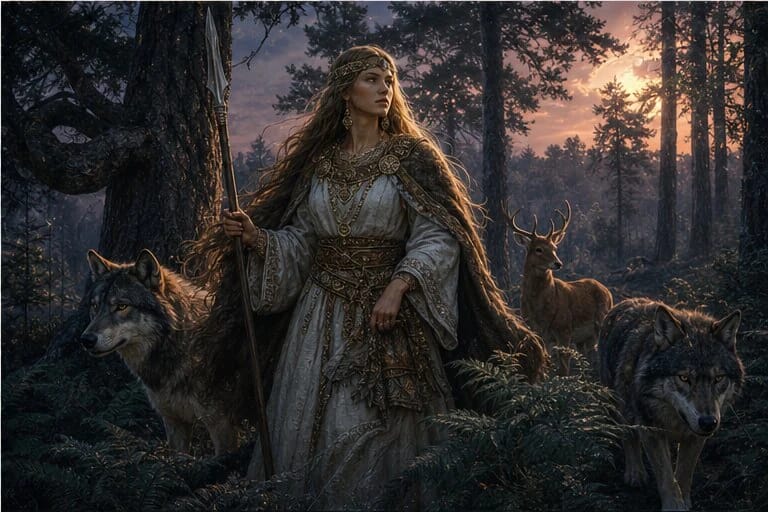
Medeina is the Lithuanian goddess of forests, wild animals, and hunting. Her name comes from medis, tree, or medė, woodland, so she is directly linked with the forest as a wild, untamed space opposed to cultivated land and the homestead.
Medeina is especially valuable because she is one of the few Lithuanian goddesses attested already in early written sources. This sets her apart from many deities recorded later or reconstructed from fragmentary evidence.
Medeina's sources and the gods of Mindaugas
Medeina appears among the gods secretly worshipped by Mindaugas in the Hypatian Chronicle entry under 1252, in the thirteenth century. Gintaras Beresnevičius identifies this entry in “Lietuvių dievų tarpusavio santykiai” (1999, p. 192). The year refers to the events described, not the date of the surviving manuscript.
Later sources name her in different ways: Jan Długosz calls Medeina Diana, the Roman goddess of hunting; Jan Łasicki gives Modeina; and Mikalojus Daukša mentions mythological beings called medeinos. These names help identify the same forest-goddess figure across different texts.
Medeina and Žvorūnė: one goddess or two?
Žvorūnė, or Žvorūna, is closely connected with Medeina. She is mentioned in the 1261 insertion in the Slavic translation of John Malalas' Chronicle together with Andajus and Perkūnas. Researchers discuss whether Medeina and Žvorūnė were two separate goddesses or one hunting-related goddess known by several names.
Such double naming is not rare in Lithuanian mythology. Deities could have several names, be called by local dialect forms, or be renamed because of name taboo. The relationship between Medeina and Žvorūnė therefore remains open, but it points to a shared image of a forest and hunting goddess.
The forest as sacred space
Medeina embodies the wild forest, a space that in the Lithuanian worldview was both a source of life and a realm of danger. The forest gave game, firewood, and shelter, but it was also the world of animals and untamed forces.
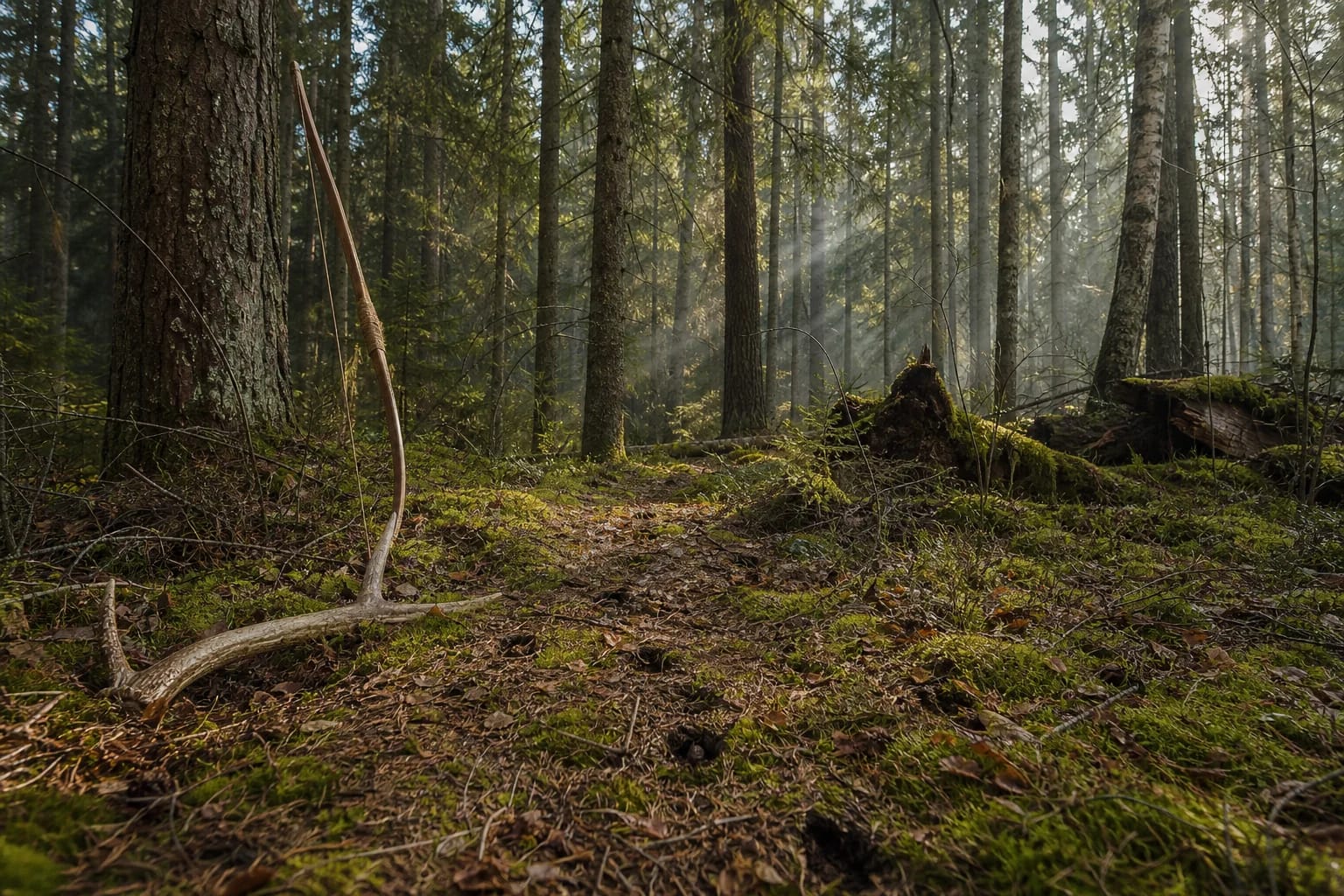
As mistress of the forest, Medeina is associated with the wolf, deer, and other woodland animals. Hunting success could depend on her favor, so she stands at the very boundary between humans and wild nature.
Medeina today
The image of Medeina helps explain the central place of forest and woodland in Lithuanian culture. She is one of the most popular figures in contemporary Baltic worldview, often appearing in art and literature.
Medeina should still be read carefully. Although her mentions are early and credible, her functions are reconstructed from brief notices. Even so, the link with forest, animals, and hunting is the firm core of her image.